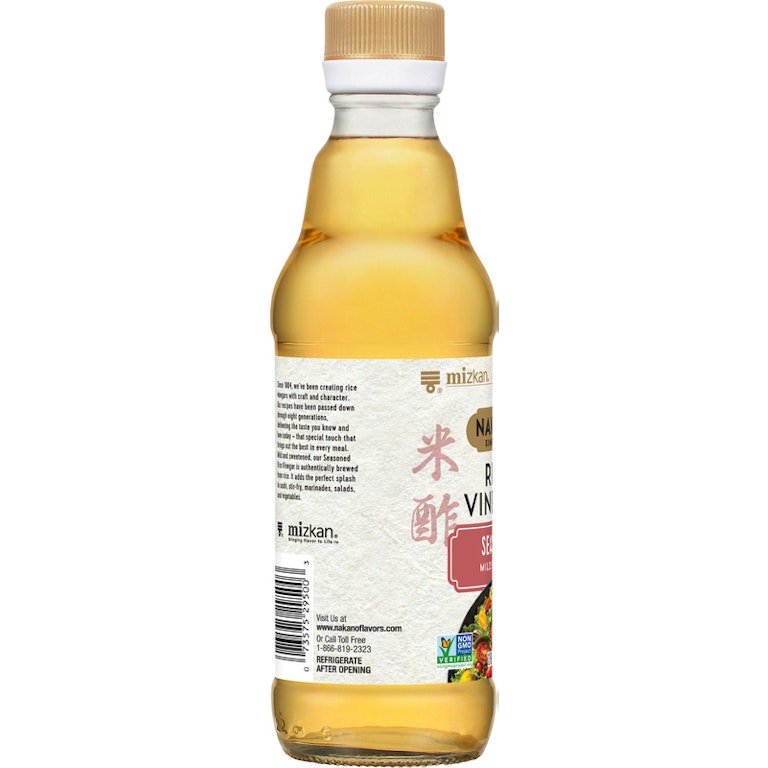
Picture this: you’re in the middle of cooking your favorite Asian-inspired dish when you suddenly pause and wonder, “Do I need to refrigerate rice vinegar?” It’s a common question that might have popped into your mind before.
You’re not alone in this culinary conundrum. Understanding the right way to store rice vinegar can make all the difference in maintaining its flavor and quality. Have you been storing it correctly, or is there something more you should know?
Stick around as we unravel the mystery and reveal the best way to keep your rice vinegar fresh and ready for your next delicious creation.

Credit: easy-sushi.com
Rice Vinegar Basics
Understanding the basics of rice vinegar is key before deciding how to store it. Rice vinegar is a staple in many kitchens, especially if you enjoy Asian cuisine. Knowing what it is and how you use it can help you handle it properly and keep it fresh for longer.
What Is Rice Vinegar
Rice vinegar is a type of vinegar made from fermented rice. It has a mild, slightly sweet flavor compared to other vinegars. This gentle taste makes it versatile and less harsh, which is why many cooks prefer it for delicate dishes.
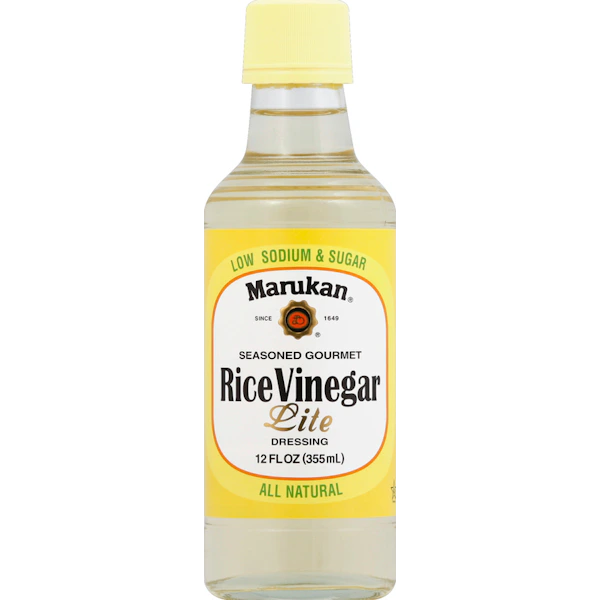
Unlike white vinegar, rice vinegar is not as acidic. This means it can be used in larger amounts without overpowering your food. Are you aware that some varieties, like seasoned rice vinegar, already contain salt and sugar? This can affect how you use and store them.
Common Uses In Cooking
Rice vinegar is popular for dressings, marinades, and pickling. It adds a subtle tang to salads and sushi rice, balancing flavors without being too sharp. Have you tried making your own pickled vegetables with rice vinegar? It’s simple and adds a fresh crunch to meals.
It’s also great for sauces and dipping dips where a mild acidity is needed. Many home cooks use it to brighten stir-fries or to tenderize meat. If you want to experiment, try swapping your regular vinegar with rice vinegar in recipes and notice the difference it makes.
Credit: www.gianteagle.com
Shelf Life Of Rice Vinegar
Understanding the shelf life of rice vinegar is essential to keep your kitchen safe and your dishes tasting great. Rice vinegar is known for its long-lasting nature, but it doesn’t last forever. Knowing how to spot when it’s gone bad can save you from an unpleasant meal or potential health issues.
How Long Does It Last
Unopened rice vinegar can last for up to two years when stored in a cool, dark place. Once opened, it’s best to use it within six months to one year for the best flavor. Although rice vinegar contains natural preservatives, its quality can slowly decline over time.
Keep in mind that refrigeration isn’t necessary but can help maintain its freshness longer. If you use rice vinegar occasionally, storing it in the fridge might extend its usability. Think about how often you cook with it, and decide the storage method that fits your routine.
Signs Of Spoilage
Rice vinegar rarely spoils in a harmful way, but it can lose quality. If you notice a cloudy appearance, strange sediment, or a sharp off smell, these are signs it might be time to replace your bottle.
Also, if the flavor tastes off or unusually bitter, don’t risk using it. Your taste buds are a reliable guide here—if it doesn’t taste right, it’s better to toss it. Have you ever used vinegar past its prime and wondered why the dish tasted different?
Refrigeration Requirements
Knowing how to store rice vinegar correctly can save you money and keep your kitchen ingredients fresh. Refrigeration requirements for rice vinegar depend on several factors, including how you use it and the type you have. Understanding these details helps you decide whether to refrigerate or keep it at room temperature.
Does Rice Vinegar Need Refrigeration
Rice vinegar is naturally acidic, which helps preserve it without the need for refrigeration. Most unopened bottles can stay safely on your pantry shelf for months or even years. Once opened, it still often stays stable outside the fridge due to its acidity and low sugar content.
However, refrigeration can extend its flavor and quality. Have you ever noticed a change in taste when rice vinegar sits out too long? Keeping it cold slows down any oxidation, preventing off-flavors from developing.
Factors Influencing Storage
Several factors affect whether you should refrigerate your rice vinegar:
- Type of Rice Vinegar:Seasoned rice vinegars with added sugar or salt may spoil faster than pure varieties.
- Exposure to Air:Frequent opening exposes vinegar to air, which can degrade its flavor over time.
- Storage Conditions:Warm, humid environments speed up quality loss, so cooler places are better.
- How Often You Use It:If you use rice vinegar daily, refrigeration helps maintain consistent taste.
Think about your kitchen setup and how you use rice vinegar. Could a simple change in storage improve your recipes? A quick chill might keep your vinegar tasting fresh longer, especially if you notice flavor fading.
Proper Storage Tips
Proper storage of rice vinegar ensures it maintains its fresh taste and quality for a long time. Knowing where and how to store it can prevent spoilage and keep your dishes tasting just right. Let’s look at the best ways to store rice vinegar to keep it in top shape.
Ideal Temperature And Environment
Rice vinegar does not need refrigeration, but it thrives best in a cool, dark place. A pantry or a kitchen cabinet away from heat sources like the stove or direct sunlight works perfectly. Warmth and light can degrade the flavor and color over time.
Have you ever noticed vinegar changing color or developing off-flavors? That often happens when it’s stored near heat or in bright light. Keeping it in a stable environment helps maintain its sharp, clean taste.
Container And Seal Recommendations
Use the original bottle or a glass container with a tight-fitting lid for storing rice vinegar. Glass is non-reactive and won’t alter the vinegar’s flavor. Avoid metal containers, as they can cause a reaction that spoils the vinegar.
Make sure the bottle is sealed tightly after each use. Exposure to air can cause the vinegar to lose its acidity and freshness. If you’ve ever left a bottle open for too long, you might have noticed a dull taste or a slight vinegar smell outside the bottle—that’s a sign it’s time to reseal it properly.
Impact On Flavor And Quality
Understanding how storage affects the flavor and quality of rice vinegar can change the way you use it in your cooking. Rice vinegar has a delicate balance of acidity and sweetness that can shift depending on how you store it. Keeping an eye on this can help you get the best taste every time you add it to your dishes.
Effect Of Refrigeration
Refrigerating rice vinegar slows down any chemical changes that could alter its flavor. It helps preserve the vinegar’s fresh, crisp taste for a longer time. If you’ve ever noticed a vinegar bottle that tastes dull or flat, it might be because it was left out too long.
Cold storage also maintains the vinegar’s clarity and prevents sediment buildup. This is especially important if you use rice vinegar in delicate sauces or dressings where clarity matters. Have you ever made a salad dressing that turned cloudy or tasted off? Refrigeration can help avoid that.
Effect Of Room Temperature Storage
Storing rice vinegar at room temperature is common, but it can cause subtle changes over time. The vinegar may lose some of its bright acidity and develop a slightly muted or sour note. This doesn’t mean it’s spoiled, but the flavor profile might not be as vibrant.
If you use rice vinegar regularly and finish a bottle quickly, room temperature storage might be fine. However, if you buy in bulk or use it occasionally, leaving it out might reduce the quality before you finish it. Think about how long your bottle usually lasts—could refrigeration make a difference?
Credit: www.myeclecticbites.com
Comparing With Other Vinegars
Rice vinegar is a staple in many kitchens. Its mild taste and delicate aroma set it apart. Comparing it with other vinegars helps understand its storage needs and flavor changes.
Storage Differences
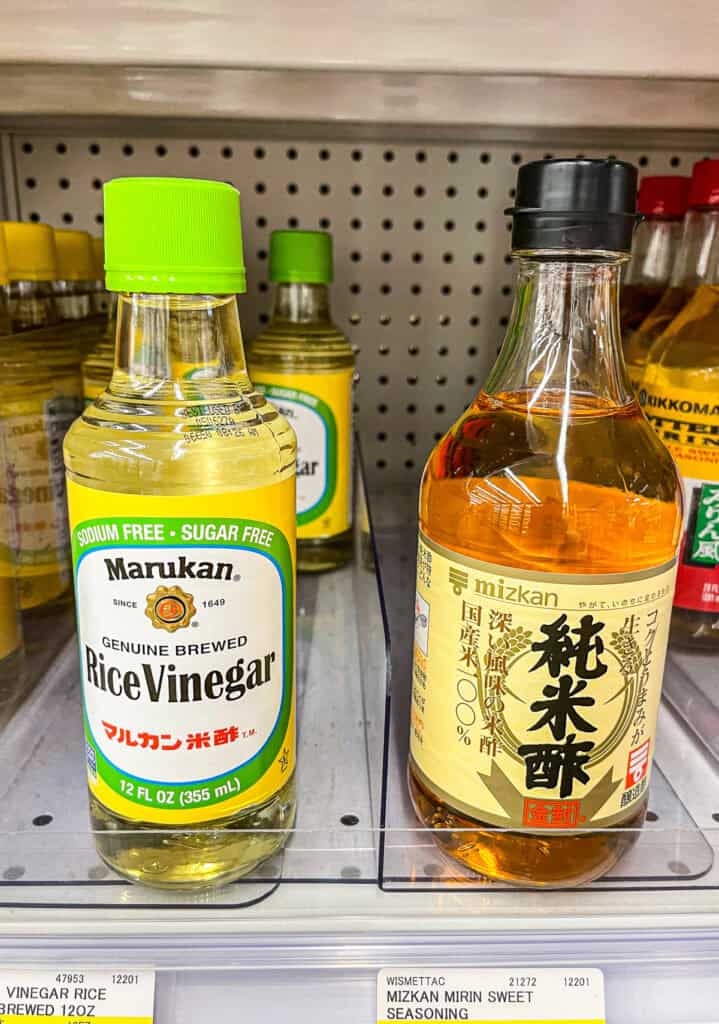
Rice vinegar usually does not require refrigeration. It is less acidic than white or apple cider vinegar. This lower acidity means it stays fresh longer at room temperature.
Other vinegars, like balsamic, often benefit from refrigeration to keep their quality. White vinegar and apple cider vinegar have high acidity and last well without cold storage. Each vinegar type has unique storage needs based on acidity and ingredients.
Flavor Preservation
Rice vinegar keeps its light, slightly sweet flavor best when stored in a cool, dark place. Refrigeration can slow down subtle changes but is not essential.
Stronger vinegars maintain sharpness even at room temperature. Balsamic vinegar may thicken or darken if not refrigerated but won’t spoil quickly.
Proper storage helps preserve taste. Avoid heat, light, and air exposure for all vinegars to keep flavors vibrant.
Common Myths About Rice Vinegar Storage
Rice vinegar is a staple in many kitchens, but its storage often confuses people. There are plenty of myths floating around about whether you need to refrigerate it or not. Understanding what’s true can save you from unnecessary fridge space battles and keep your vinegar fresh longer.
Rice Vinegar Must Always Be Refrigerated
Many believe rice vinegar needs refrigeration to avoid spoilage. However, rice vinegar is acidic enough to resist harmful bacteria growth at room temperature. Keeping it in a cool, dark place away from direct sunlight usually works well for several months.
I once stored a bottle on my pantry shelf for over a year without any change in taste or quality. Have you noticed vinegar bottles in supermarket aisles rarely chilling in the fridge? That’s because they’re stable without refrigeration.
Once Opened, Rice Vinegar Spoils Quickly
People often think that opening rice vinegar means it will go bad fast. In reality, the acidic nature slows down spoilage even after opening. If sealed tightly and kept away from heat, it remains good for many months.
Do you ever check the smell or taste of your vinegar before tossing it? A slight change might occur over time, but outright spoilage is rare if stored properly.
Refrigeration Enhances Rice Vinegar’s Flavor And Quality
Some claim refrigerating rice vinegar improves its flavor. But temperature changes can sometimes cause cloudiness or sediment, which doesn’t affect taste. Many chefs prefer storing it at room temperature to maintain its clarity and original flavor profile.
Why add an extra step when simple storage works fine? Think about your cooking routine—does your vinegar taste different after fridge storage?
Frequently Asked Questions
Do You Have To Refrigerate Rice Vinegar?
No, rice vinegar does not require refrigeration. Store it in a cool, dark place away from direct sunlight. Proper sealing prevents contamination and maintains quality. Refrigeration is optional but can extend its shelf life.
How Long Does Rice Vinegar Last Unrefrigerated?
Unrefrigerated rice vinegar lasts about 1 to 2 years. Its acidity preserves it well without refrigeration. Always check for changes in smell or appearance before use.
Can Rice Vinegar Spoil If Not Refrigerated?
Rice vinegar rarely spoils due to its acidity. However, improper storage can affect its flavor. Keep the bottle tightly sealed and store it in a cool place.
Should Opened Rice Vinegar Be Refrigerated?
Refrigeration of opened rice vinegar is not mandatory. Storing it in a cool, dark cabinet is sufficient. Refrigeration can help maintain freshness longer.
Conclusion
Rice vinegar lasts long without refrigeration due to its acidity. Store it in a cool, dark place away from sunlight. Keep the bottle tightly closed to maintain freshness. Refrigeration is not required but can extend quality. Trust your senses—if it smells or tastes off, discard it.
Proper storage helps preserve flavor for cooking and dressings. Simple care keeps rice vinegar safe and tasty for months. No need to rush putting it in the fridge right away. Enjoy your cooking with confidence using well-stored rice vinegar.