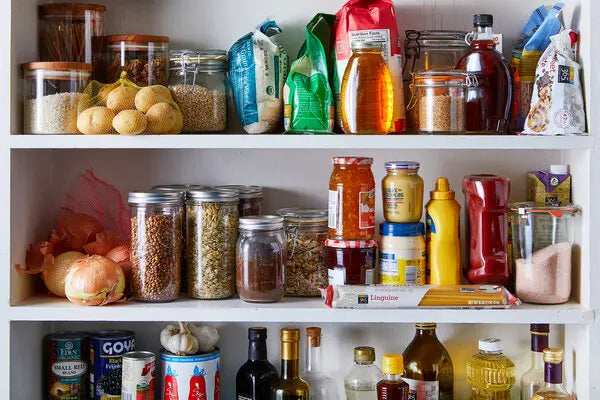
Have you ever opened a jar of tahini and wondered if it needs to be refrigerated? You’re not alone.
Many people ask this simple question but don’t get a clear answer. Whether you use tahini often or just occasionally, knowing the best way to store it can save you from spoilage and wasted money. You’ll discover the easy truth about tahini storage and learn how to keep it fresh and tasty for longer.
Keep reading—you’ll never have to guess about your tahini again!
Shelf Life Of Tahini
Tahini is a creamy paste made from ground sesame seeds. It adds a rich, nutty flavor to many dishes. Knowing its shelf life helps keep it fresh and tasty. Proper storage extends its usability and prevents spoilage. Tahini’s shelf life depends on whether it is opened or unopened.
Unopened Tahini Duration
Unopened tahini lasts quite long. Typically, it stays fresh for 6 to 12 months. This depends on the brand and packaging. Store it in a cool, dry place away from sunlight. Avoid heat to keep the quality intact. Always check the expiration date on the jar.
Opened Tahini Duration
Once opened, tahini’s shelf life shortens. It usually lasts 1 to 3 months in the pantry. For longer freshness, refrigeration is better. In the fridge, tahini can last up to 6 months. Stir well before each use to prevent oil separation. Watch for signs of spoilage like smell or mold.
Storage Conditions
Understanding how to store tahini properly after opening is key to keeping its flavor fresh and avoiding spoilage. Storage conditions can greatly affect the texture and taste of tahini, so you want to choose the right spot based on how quickly you plan to use it. Let’s look at the pros and cons of different storage methods to help you decide what works best for your kitchen.
Room Temperature Storage
You can keep tahini at room temperature if you plan to use it within a few weeks. Store it in a cool, dark place away from direct sunlight and heat sources. This helps maintain its creamy texture without the risk of it turning bitter quickly.
However, if your kitchen tends to get warm or humid, tahini may separate or spoil faster. Have you noticed your tahini developing an off smell or taste after a while on the countertop? That’s a sign it’s time to reconsider your storage spot.
Refrigeration Benefits
Refrigerating tahini slows down the oxidation process and extends its shelf life significantly. You’ll notice the oil separation reduces and the flavor stays more stable over time. This is especially useful if you don’t use tahini frequently.
One downside is that refrigeration can thicken tahini, making it harder to pour or spread. A quick stir or letting it sit at room temperature for a few minutes before use can fix this. Have you tried keeping your tahini in the fridge and seen the difference in freshness?
Freezing Tahini
Freezing tahini is an option if you want to store it for several months. Place it in an airtight container to avoid freezer burn and preserve its nutty flavor. When ready to use, thaw it in the fridge overnight and stir well before serving.
Keep in mind freezing may slightly change the texture, making it grainier. But if you rarely use tahini, freezing can prevent waste and save money. Would you consider freezing your tahini to extend its usability?
Signs Of Spoiled Tahini
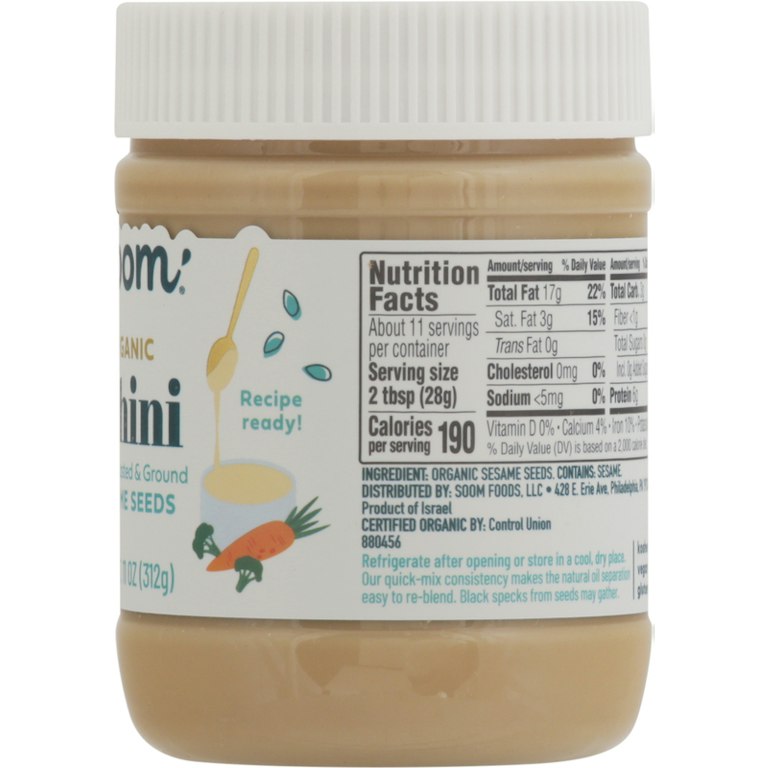
Understanding the signs of spoiled tahini can help you avoid unpleasant experiences. Fresh tahini has a smooth, creamy texture and a nutty aroma. Over time, its quality may degrade. Recognizing these changes early can ensure you enjoy its best flavor.
Visual Changes
Inspect the tahini for any unusual changes in appearance. Fresh tahini should have a consistent, creamy texture. If you notice separation, stir it well. However, mold spots indicate spoilage. Mold is a clear sign it’s time to discard the tahini. Look for any unusual colors as well. Fresh tahini has a light beige color. Darkening or other colors can suggest spoilage.
Smell And Taste Differences
Smell can be a strong indicator of spoilage. Fresh tahini should smell nutty and pleasant. A sour or rancid odor suggests it has gone bad. Trust your nose to detect these changes. Taste is another way to check freshness. Fresh tahini tastes smooth and nutty. A bitter or off taste indicates it’s no longer good. Avoid consuming if it tastes unpleasant.
Credit: www.gianteagle.com
Tips To Extend Freshness
Extending the freshness of tahini after opening helps maintain its rich flavor and smooth texture. Proper storage and handling keep tahini safe and delicious for longer periods. Simple habits can slow down spoilage and prevent the oil from separating.
Proper Sealing Techniques
Always close the tahini jar tightly after use. Use the original lid or a clean airtight cover. Avoid leaving the jar open, as air causes oxidation. Store tahini in a cool, dark place or in the refrigerator. Stir the contents before sealing to mix separated oil back into the paste.
Avoiding Contamination
Use a clean spoon each time you scoop tahini. Do not dip food directly into the jar. This prevents bacteria and moisture from entering. Avoid using wet utensils, which can spoil tahini quickly. Keeping the jar clean extends freshness and prevents mold growth.
Impact On Flavor And Texture
The impact of refrigerating tahini on its flavor and texture is more noticeable than many expect. How you store tahini after opening can change its taste and how easy it is to use in recipes. Understanding these changes helps you decide the best way to keep your tahini fresh and enjoyable.
Changes When Refrigerated
Refrigeration slows down the natural oils from separating in tahini, which can be a good thing for maintaining a uniform texture. However, cold storage can also make tahini thicker and harder to stir. Some people notice a slight bitterness or a muted sesame flavor after refrigeration.
Have you ever tried to drizzle cold tahini over a salad and found it almost too stiff to pour? That’s because the cold temperature solidifies the oils. While refrigeration preserves tahini longer, it may reduce the vibrant, nutty taste you enjoy.
Maintaining Consistency
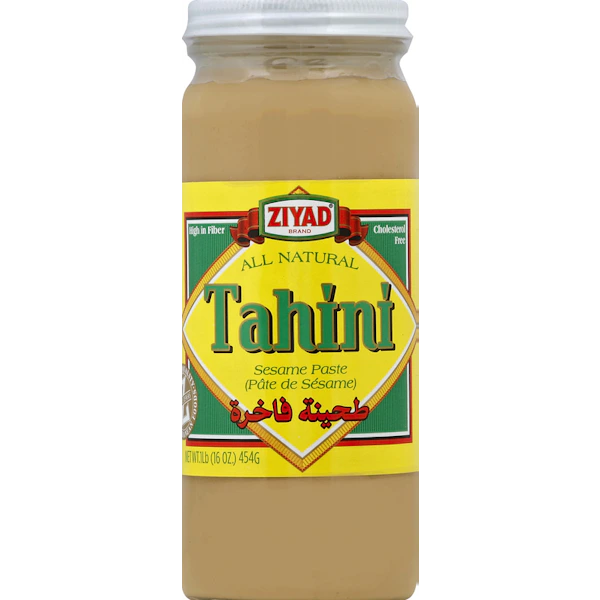
To keep tahini’s smooth texture, you can stir it well before refrigerating and allow it to sit at room temperature for a few minutes before use. This helps soften the paste, making it easier to mix into sauces or dressings.
If you prefer tahini that pours easily, consider storing it in a cool, dark pantry instead. Just keep an eye on the expiration date and always use a clean spoon to avoid contamination.
Do you find your tahini gets grainy or separated? Regular stirring and proper storage can keep the texture consistent without sacrificing flavor.
Credit: www.gianteagle.com

Credit: www.kimecopak.ca
Frequently Asked Questions
Do You Need To Refrigerate Tahini After Opening?
Yes, refrigerating tahini after opening is recommended. It preserves freshness and prevents oil separation. Store it in an airtight container to extend shelf life and maintain flavor.
How Long Does Tahini Last Unrefrigerated?
Unrefrigerated tahini lasts about 1 to 2 months. Heat and air can cause it to spoil faster. Refrigeration extends its shelf life significantly.
Can Tahini Spoil If Not Refrigerated?
Yes, tahini can spoil without refrigeration. It may develop a rancid smell and taste. Refrigerating slows down spoilage and keeps it fresh longer.
What Is The Best Way To Store Tahini?
Store tahini in a cool, dark place or in the refrigerator. Always use a clean spoon to avoid contamination. Seal the jar tightly after each use.
Conclusion
Tahini lasts longer when kept in the fridge after opening. It stays fresh and tastes better that way. Storing it in a cool place helps stop it from going bad. You can still use tahini if it smells or looks different.
Keeping tahini cold is simple and saves money. Try to use it within a few months after opening. This way, you enjoy its rich flavor every time. Refrigeration is a small step with big benefits for your tahini.