Are you planning to lay landscape fabric but unsure if you need to remove the grass first? This question might seem simple, but the answer can make or break your garden project.
Removing grass before installing landscape fabric affects everything—from how well the fabric works to how your plants grow. If you want to save time, avoid common mistakes, and get the best results for your yard, keep reading. By the end of this article, you’ll know exactly what to do to make your landscaping smooth and successful.

Credit: www.carringtonlawn.com
Why Remove Grass First
Removing grass before laying landscape fabric is important. It helps create a clean base for your project.
Grass left under the fabric can cause problems later. It affects weed control, fabric life, and soil contact.
Preventing Weed Growth
Grass and weeds under the fabric can grow through it. This reduces the fabric’s ability to stop weeds.
- Grass can push up the fabric over time
- Weeds find weak spots and grow through
- Removing grass blocks their growth from the start
Ensuring Fabric Longevity
Grass left under fabric holds moisture. This can cause the fabric to break down faster.
| Factor | Effect on Fabric |
|---|---|
| Grass Moisture | Speeds fabric wear and tear |
| Soil Contact | Keeps fabric stable and strong |
| Sun Exposure | Damages fabric if exposed |
Removing grass helps fabric stay dry and last longer.
Improving Soil Contact
Fabric needs close contact with soil to work well. Grass creates bumps and gaps under the fabric.
Good soil contact prevents weeds and keeps fabric in place. It also helps water drain properly.
Credit: www.leisurelandscapes.com
When You Can Skip Removing Grass
You might wonder if you always need to remove grass before laying landscape fabric. The answer depends on your garden situation. Sometimes, you can skip this step and still get good results.
Skipping grass removal saves time and effort. This guide explains when you can do that and what to consider.
Using Thick Fabric
Thick landscape fabric blocks sunlight and stops grass from growing through. It acts like a strong barrier. This lets you lay fabric directly on grass without removing it first.
Choose fabric that is heavy-duty and tightly woven. This fabric helps prevent weeds and grass from pushing through the material.
Applying Herbicides
Using herbicides can kill grass before you put down the fabric. This method stops grass from growing up and lifting the fabric. It works well if you want to avoid digging or pulling grass.
Make sure to follow the herbicide instructions carefully. Wait enough time after applying it so the grass fully dies before you lay the fabric.
Considering Grass Type
Some grass types are easier to cover without removing. Slow-growing or thin grasses often die under fabric on their own. Fast-growing or thick grasses may need removal first.
- Thin grass can be smothered by fabric
- Thick grass may push fabric up if left
- Fast-growing grass needs more care
- Know your grass type before deciding
Methods To Remove Grass
Removing grass is often necessary before laying landscape fabric. This helps prevent grass from growing through the fabric. There are several methods to clear grass effectively.
Each method has its own tools and techniques. Choose the one that fits your time, budget, and effort.
Manual Removal Techniques
Manual removal is simple and requires little equipment. You pull out the grass by hand or use basic tools.
- Water the area a day before to soften the soil.
- Use a garden fork or spade to loosen the grass roots.
- Pull out the grass clumps carefully to remove roots.
- Collect all grass and roots to prevent regrowth.
Using Tools And Equipment
Using tools can speed up grass removal for larger areas. Some equipment cuts or kills grass before removal.
| Tool/Equipment | Use | Notes |
| Rototiller | Turns soil and uproots grass | Best for big areas |
| Hoe | Breaks up soil and cuts grass roots | Good for small patches |
| Sod Cutter | Removes grass in strips | Useful for lawns |
| String Trimmer | Trims grass close to ground | Needs follow-up removal |
Chemical Removal Options
Chemicals can kill grass and make removal easier. Use herbicides carefully and follow instructions.
- Choose a non-selective herbicide that kills all plants.
- Apply on a dry, calm day to avoid drift.
- Wait 1–2 weeks for grass to die completely.
- Remove dead grass before laying fabric.
- Wear protective gear to avoid skin contact.

Credit: www.leisurelandscapes.com
Preparing The Area For Fabric
Before laying landscape fabric, prepare the area properly. This helps the fabric work well and last longer.
Good preparation includes leveling the soil, clearing debris, and moistening the ground. Each step is important for a smooth setup.
Leveling The Soil
Level soil to create a flat surface. Uneven soil can cause the fabric to wrinkle or tear.
- Remove any large rocks or roots from the soil.
- Use a rake to spread soil evenly.
- Press down soft spots to avoid dips.
- Check that the surface is smooth and flat.
Clearing Debris
Clear all debris like leaves, sticks, and old grass. Debris under the fabric can create bumps or holes.
| Type of Debris | Why Remove? |
|---|---|
| Leaves | Can trap moisture and cause mold |
| Sticks | May puncture the fabric |
| Old Grass | Can grow through the fabric |
| Rocks | Create uneven surfaces |
Moistening The Ground
Lightly moisten the soil before laying the fabric. Damp soil helps the fabric stay in place.
Do not soak the ground. Too much water can cause the fabric to slip or fold.
Laying Landscape Fabric Properly
Landscape fabric helps control weeds and keeps gardens neat. Proper installation is key for success.
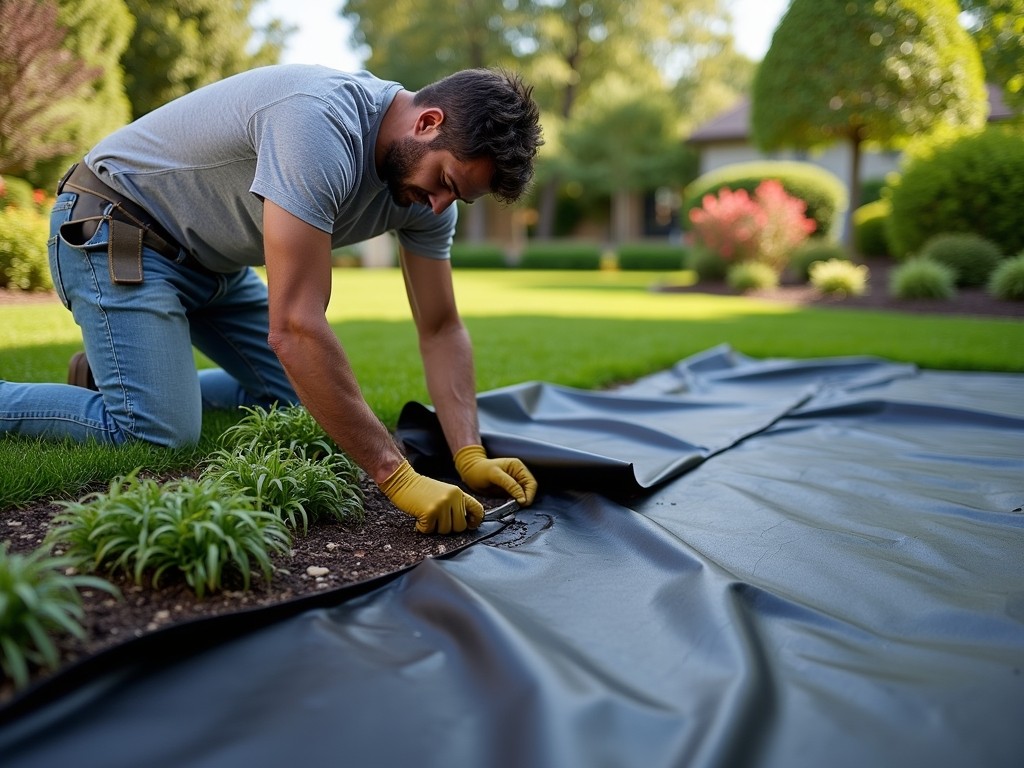
You must prepare the ground first. This involves removing grass and smoothing the soil.
Cutting And Positioning
Use sharp scissors to cut the fabric. Make sure to cut it to fit the area perfectly.
Lay the fabric flat on the soil. Overlap edges by a few inches to cover all ground.
- Measure the area first
- Cut fabric to size
- Lay smoothly with no wrinkles
Securing The Fabric
Secure the fabric with landscape pins. Place pins every few feet to hold it down.
Push pins through the fabric into the soil. This keeps it from moving.
| Pin Spacing | 2-3 feet apart |
| Pin Depth | Into the soil |
Sealing Overlaps
Seal fabric overlaps to prevent weeds. Use additional pins or garden staples.
Overlap sections by a few inches. Ensure no gaps between the fabric pieces.
- Overlap by 6 inches
- Secure with extra pins
- Check for gaps
Maintenance After Installation
After laying landscape fabric, regular maintenance is important. This helps keep your garden neat and free of unwanted weeds. Proper care extends the life of the fabric and improves garden health.
Check your landscape fabric often and fix any problems quickly. This prevents weeds from growing through and stops damage from spreading.
Checking For Weed Penetration
Even with fabric, some weeds may push through small gaps. Look closely at the edges and any areas where the fabric overlaps. Pull out any weeds you find to stop them from spreading.
- Inspect fabric every two weeks during growing season
- Remove weeds by hand to avoid tearing the fabric
- Use a small weeding tool for stubborn weeds
- Seal any openings or holes in the fabric
Replacing Damaged Fabric
Damage can happen from foot traffic, tools, or weather. Replace torn or worn fabric quickly to keep weeds out. Cut out the damaged part and cover it with a new piece, overlapping edges well.
| Damage Type | Cause | Fix Method |
|---|---|---|
| Tear or hole | Tools or animals | Patch with new fabric |
| Worn spots | Sun exposure | Replace section |
| Loose edges | Improper installation | Secure with staples |
Adding Mulch Or Ground Cover
Covering the fabric with mulch or rocks helps protect it and keeps soil moist. Mulch also adds a neat look to your garden and blocks light from reaching weed seeds.
- Spread mulch evenly over the fabric
- Keep mulch about 2 to 3 inches deep
- Replenish mulch yearly for best results
- Use ground cover plants for added beauty and protection
Frequently Asked Questions
Do I Need To Remove Grass Before Laying Landscape Fabric?
Yes, removing grass is essential before laying landscape fabric. It prevents grass from growing through the fabric and keeps the area neat.
Can Landscape Fabric Stop Grass From Growing Underneath?
Landscape fabric slows grass growth but doesn’t fully stop it. Removing grass first improves fabric effectiveness and garden health.
What Happens If I Lay Fabric Over Grass Directly?
Laying fabric over grass can cause uneven ground and poor fabric performance. Grass may grow through and damage the fabric.
How Do I Properly Prepare The Area Before Fabric Installation?
Clear all grass and weeds, level the soil, and remove debris. This ensures fabric lays flat and works effectively.
Conclusion
Removing grass before laying landscape fabric helps prevent weeds and soil problems. It creates a clean surface for the fabric to lie flat. This step improves fabric durability and garden health. Skipping grass removal may cause fabric to tear or let weeds grow.
Take time to clear the area well for best results. Your plants will grow better with less weed competition. A little effort now saves trouble later. Landscape fabric works best on a smooth, grass-free base.