Imagine whipping up your favorite meal on a sleek gas cooktop, the delicious aroma wafting through your kitchen. But wait—have you ever wondered if you need to vent that gas cooktop?
Is it really necessary, or just an extra step in your culinary routine? This question might seem trivial, but understanding the importance of venting could be the key to a safer and more comfortable cooking experience. Let’s uncover the truth behind venting your gas cooktop and discover why it might just change the way you think about your kitchen setup.
Stick around, because what you learn could protect your health, enhance your cooking, and even save you money. Are you ready to find out if venting is a must for you and your home?
Credit: cornerrenovation.com
Why Venting Matters
Venting a gas cooktop plays an important role in keeping your kitchen safe and comfortable. It helps remove harmful gases and smoke produced during cooking. Without proper venting, these pollutants build up inside your home. This can cause problems for your health and reduce the air quality in your living space.
Health Risks From Gas Cooktops
Gas cooktops release nitrogen dioxide and carbon monoxide. These gases irritate your lungs and eyes. People with asthma or breathing problems can feel worse. Long exposure may lead to serious health issues. Proper venting removes these gases quickly. It keeps the air clean and protects your family.
Indoor Air Quality Concerns
Cooking on a gas stove adds moisture and tiny particles to the air. These particles come from food and burning gas. They can cause coughing and allergies. Without venting, the air inside gets stale and polluted. Good ventilation lowers moisture and clears out harmful particles. This creates a fresh and healthy kitchen environment.
Types Of Ventilation Options
Choosing the right ventilation for a gas cooktop is important. It helps remove smoke, odors, and harmful gases from your kitchen. Various ventilation options suit different kitchen layouts and cooking habits. Understanding these types helps you pick the best fit for your home.
Range Hoods And Their Benefits
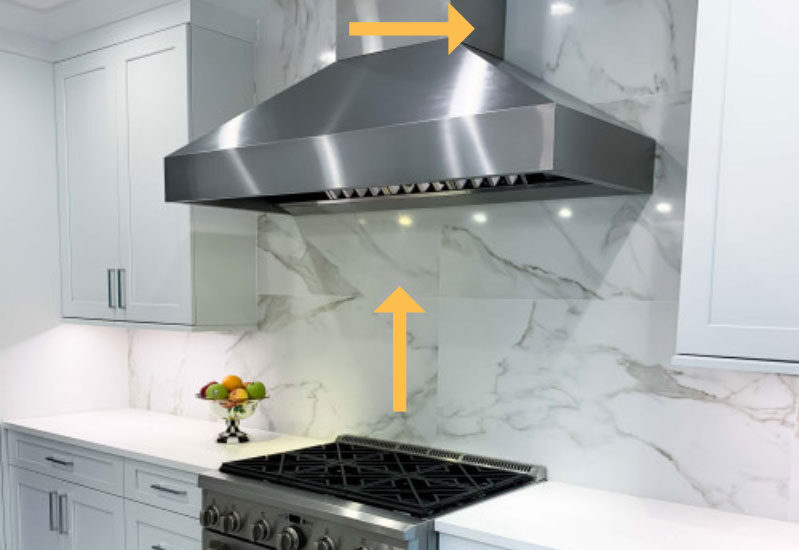
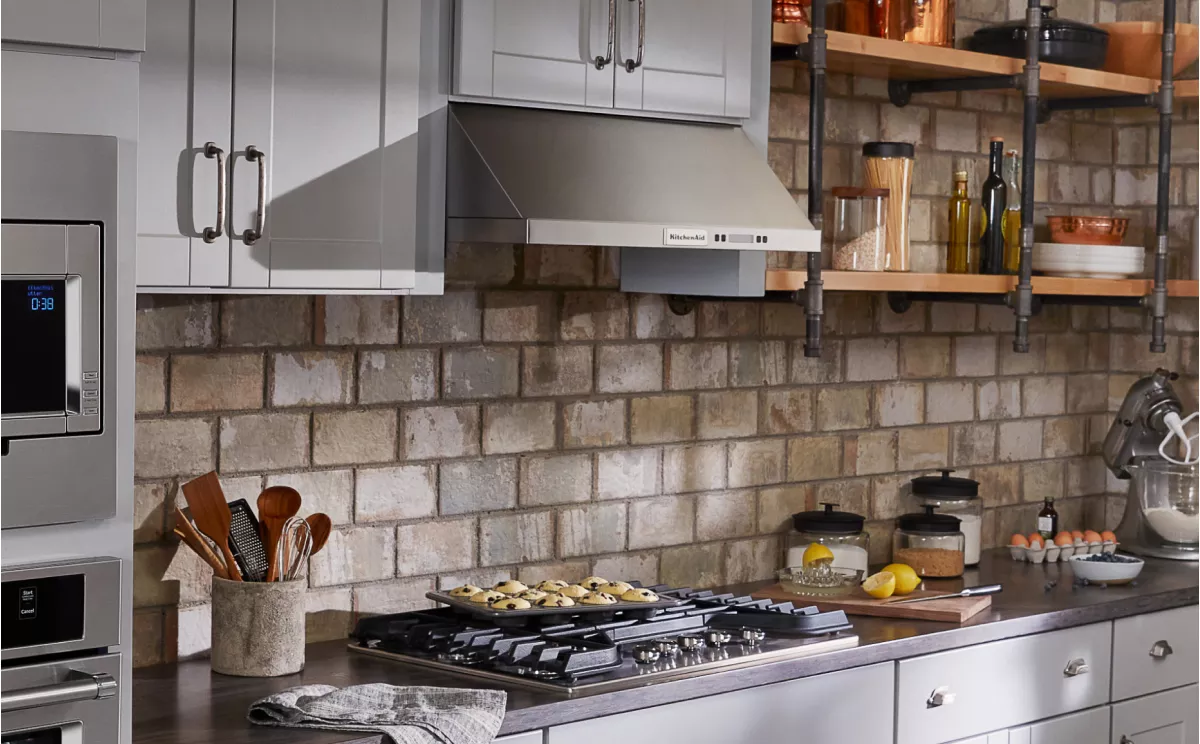
Range hoods are the most common ventilation option. They sit above the cooktop and pull air upward. This removes steam, grease, and smoke effectively. Range hoods come in many styles and sizes to fit any kitchen design.
They can vent air outside or filter it and recirculate clean air inside. Venting outside is best for removing all pollutants. Range hoods also improve kitchen air quality and reduce heat buildup. Their quiet operation adds to cooking comfort.
Downdraft Ventilation Systems
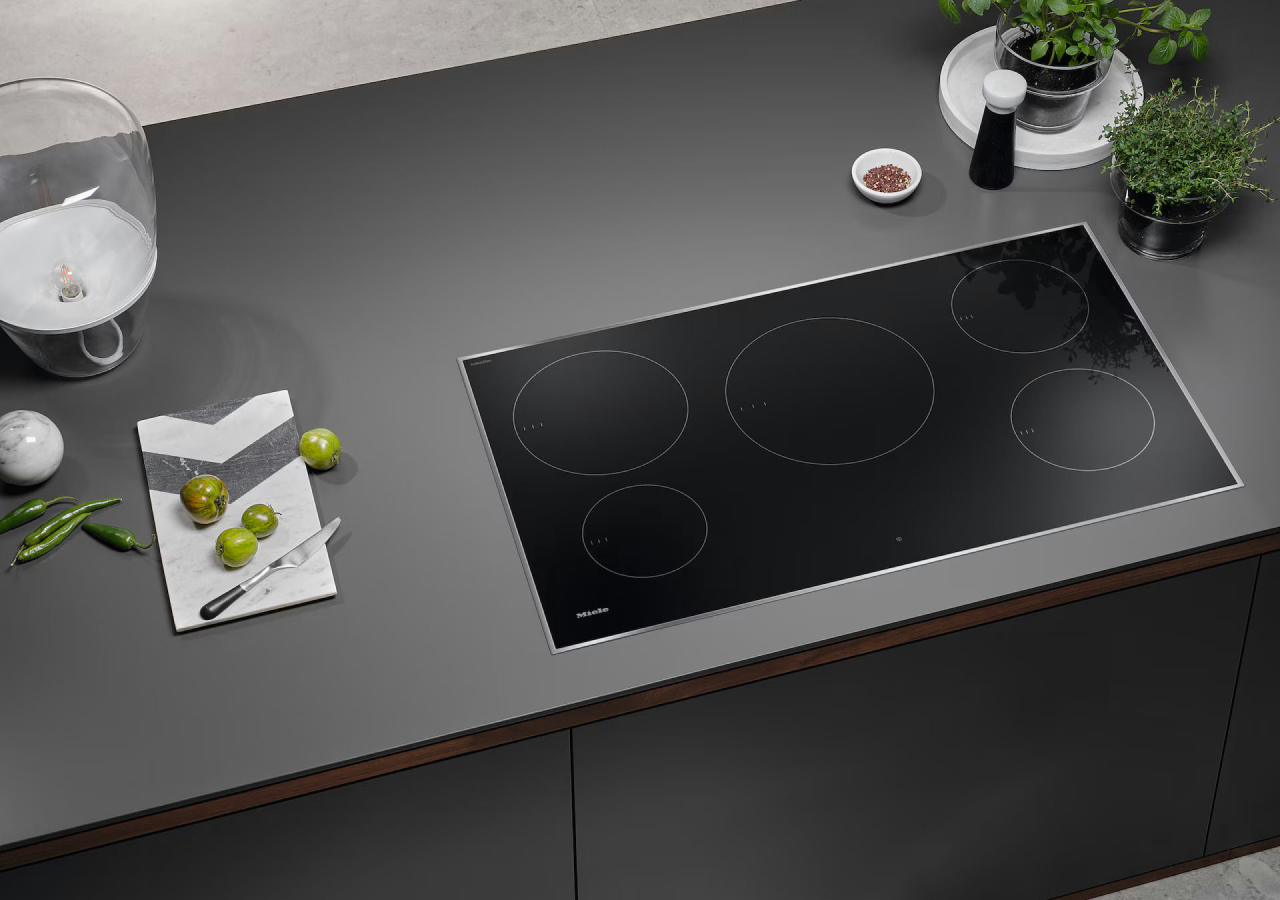
Downdraft vents pull air downward behind the cooktop. They are hidden inside the counter and rise only when needed. This design saves space and keeps a clean look in the kitchen.
Downdraft systems work well with island cooktops or where overhead venting is not possible. They remove smoke and odors near the cooktop surface. Their power is usually less than range hoods, so strong cooking smells may linger.
Recirculating Vent Fans
Recirculating fans filter air and send it back into the kitchen. They use charcoal or carbon filters to reduce odors. These fans do not need ductwork, making them easy to install.
This type suits kitchens without exterior vent access. While they improve air quality, they do not remove moisture or heat. Filters need regular replacement to work well. Recirculating fans are a budget-friendly ventilation choice.
Building Codes And Regulations
Building codes and regulations play a key role in deciding if a gas cooktop needs venting. These rules protect your home and health by ensuring safe air quality. They set standards for how gas appliances should be installed and vented.
Understanding local codes helps avoid costly mistakes and ensures compliance with safety laws. Venting requirements differ widely depending on the city or state. Following these rules keeps your cooking area safe from harmful gases and smoke.
Local Requirements For Gas Cooktop Venting
Local building codes vary by region. Some places require venting for all gas cooktops, while others have exceptions. Check with your local building department to know the exact rules.
Codes often specify:
- The type of vent needed
- Minimum airflow rates
- Installation standards
- Distance from walls or cabinets
These rules ensure proper removal of combustion gases and cooking fumes. Following local requirements avoids fines and ensures your cooktop operates safely.
When Venting Is Mandatory
Venting becomes mandatory under several conditions. For example, if your gas cooktop is used in a small or enclosed space. Also, if the appliance produces high levels of combustion byproducts.
Common scenarios requiring venting include:
- Cooktops in apartments or condos
- Homes without adequate natural ventilation
- Gas ranges with high BTU output
Building codes will specify these conditions clearly. Proper venting protects indoor air quality and reduces fire risks. Ignoring venting rules can lead to serious safety hazards.
Credit: www.kitchenaid.com
Choosing The Right Ventilation System
Choosing the right ventilation system for a gas cooktop is essential. It keeps your kitchen safe and fresh. Proper ventilation removes smoke, odors, and harmful gases. It also helps keep the cooking area clean and comfortable. Selecting the best system depends on many factors. These include your kitchen size, cooking habits, and budget.
Factors To Consider
- Kitchen size and layout affect the type of vent needed.
- Cooktop power level determines how much airflow is necessary.
- Noise level matters for comfort during cooking.
- Type of vent: ducted vents remove air outside, while ductless vents filter and recirculate air.
- Maintenance needs and ease of cleaning should fit your lifestyle.
- Energy efficiency to reduce utility costs.
Sizing And Installation Tips
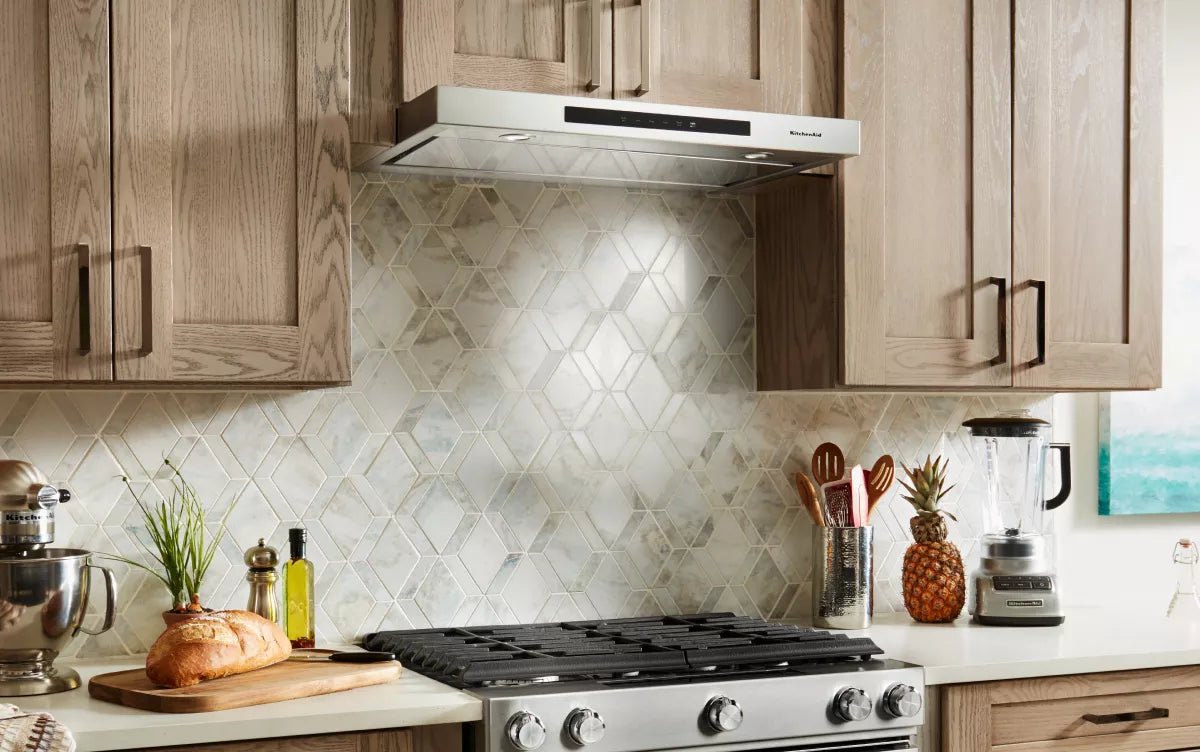
Match the vent size to your cooktop width. The vent hood should be at least as wide as the cooktop.
Calculate airflow in cubic feet per minute (CFM). Higher CFM is better for powerful gas burners.
Install the hood at the recommended height, usually 24 to 30 inches above the cooktop.
Check local building codes and safety standards before installation.
Use professional help if unsure about vent placement or electrical work.
Maintenance For Safe Operation
Maintaining your gas cooktop properly is key to keeping your kitchen safe and efficient. Regular upkeep not only prevents hazards but also improves the lifespan of your appliance. Taking simple steps can make a big difference in how your cooktop performs and how safe it is for your family.
Cleaning Vent Hoods And Filters
Vent hoods and filters trap grease, smoke, and odors. Over time, they get clogged, reducing airflow and increasing fire risk. You should clean these parts at least once a month to keep them working well.
Remove the filters and wash them with warm, soapy water. Let them dry completely before putting them back. Wipe down the vent hood exterior to remove grease buildup using a mild cleaner.
Have you noticed your kitchen fills with smoke quicker than before? It might be time to give your vents a thorough cleaning.
Checking For Gas Leaks
Gas leaks can be dangerous and hard to detect. Regularly check for leaks by smelling for gas or listening for a hissing sound near your cooktop connections. If you suspect a leak, it’s critical to act immediately.
You can also apply a soap and water solution to gas connections. If you see bubbles forming, it means there’s a leak. Never ignore this — turn off the gas supply and call a professional right away.
Have you ever wondered how often you should test for leaks? Making it a monthly habit can prevent accidents and give you peace of mind.
Additional Safety Precautions
Additional safety measures help keep your kitchen secure when using a gas cooktop. These steps reduce risks like gas leaks, fires, and poor air quality. Following simple rules creates a safer cooking environment for your family and home.
Proper Kitchen Layout
Arrange your kitchen for good airflow and easy movement around the cooktop. Avoid placing the cooktop near curtains or flammable items. Keep a clear space above and around the cooktop. This prevents accidents and improves ventilation naturally.
- Install the cooktop away from windows that may blow out flames.
- Place a range hood or exhaust fan to remove smoke and gases.
- Ensure counters and cabinets near the cooktop use fire-resistant materials.
Using Gas Cooktops Safely
Always check the gas connections before turning on the cooktop. Use the correct size burner for your pots and pans. Never leave the cooktop unattended while cooking. Turn off burners immediately after use to prevent leaks.
- Use a carbon monoxide detector in the kitchen area.
- Keep a fire extinguisher nearby and know how to use it.
- Clean burners regularly to avoid blockages and uneven flames.
- Ensure children stay away from the cooktop during use.
Credit: akicon.com
Frequently Asked Questions
Do You Need To Vent A Gas Cooktop Indoors?
Yes, venting a gas cooktop indoors is important. It removes harmful gases, smoke, and odors. Proper ventilation ensures better air quality and safety.
What Type Of Vent Is Best For Gas Cooktops?
A range hood with a direct vent to the outside is best. It efficiently removes combustion byproducts and cooking fumes. Recirculating vents are less effective for gas cooktops.
Can You Use A Recirculating Vent For Gas Cooktops?
Recirculating vents can be used, but they are less effective. They filter air but do not remove harmful gases fully. Direct ventilation is safer and more efficient.
How Does Venting Improve Kitchen Air Quality?
Venting removes carbon monoxide, moisture, and cooking odors. This prevents mold growth and respiratory issues. It keeps your kitchen fresh and safe during gas cooking.
Conclusion
Ventilation for gas cooktops helps keep your kitchen air clean. It removes smoke, steam, and odors during cooking. Good venting also reduces harmful gases that may build up. Not all kitchens need strong vents, but many do for safety. Choosing the right vent depends on your cooking habits and kitchen size.
Proper venting keeps your space fresh and healthy. Consider venting to protect your home and family. A simple step with big benefits.