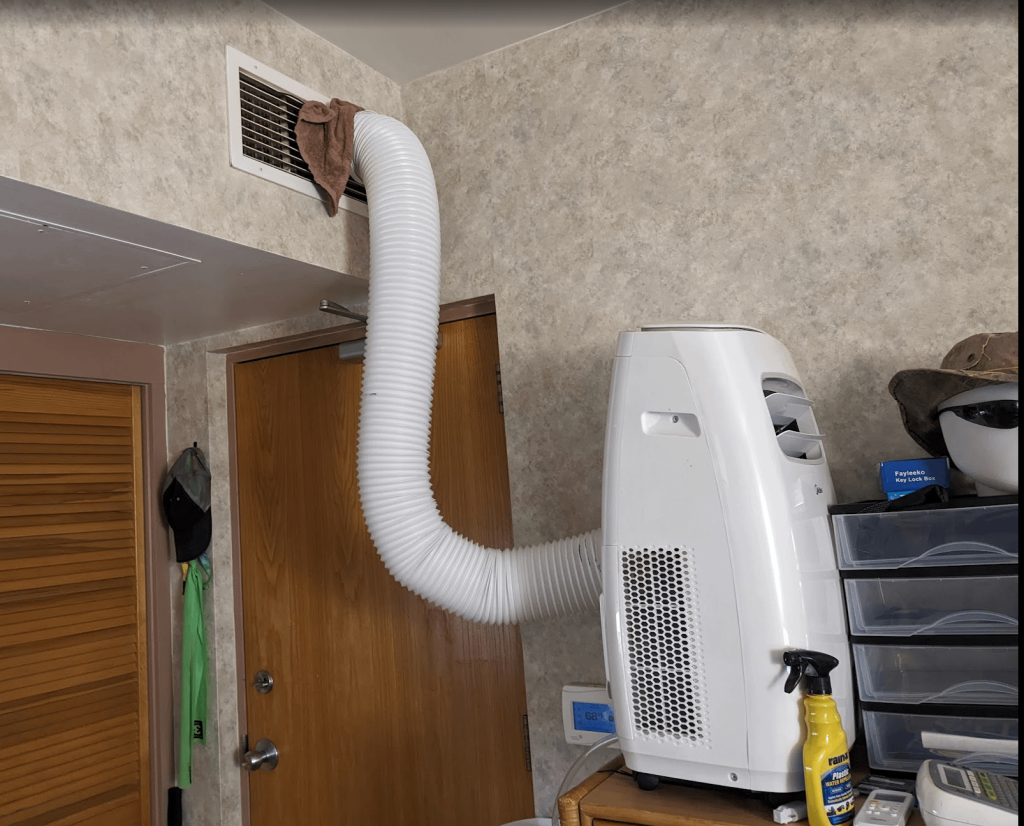
Are you wondering if your portable air conditioner really needs to be vented? You might think it’s just a simple plug-and-play device, but there’s more to it than meets the eye.
Venting your unit correctly can make a huge difference in how well it cools your space—and how much energy it uses. If you skip this step, you could end up with a hot, uncomfortable room and a bigger electricity bill.
Keep reading to find out why venting matters, how to do it right, and what happens if you don’t. This could change the way you use your portable AC forever.

Credit: www.reddit.com
Why Venting Matters
Portable air conditionersproduce hot air while cooling. This hot air must go outside. Without venting, the hot air stays inside, making the room warmer. This lowers the cooler’s ability to work well.
Venting helps remove the hot air and keeps the space cool. It also stops the unit from using more energy to cool the room. Proper venting leads to better energy efficiencyand lower electricity bills.
| Venting | No Venting |
|---|---|
| Hot air is pushed outside | Hot air stays inside the room |
| Room stays cooler | Room becomes warmer |
| Uses less energy | Uses more energy |
| Better performance | Lower performance |
Credit: www.angi.com
Types Of Portable Air Conditioners
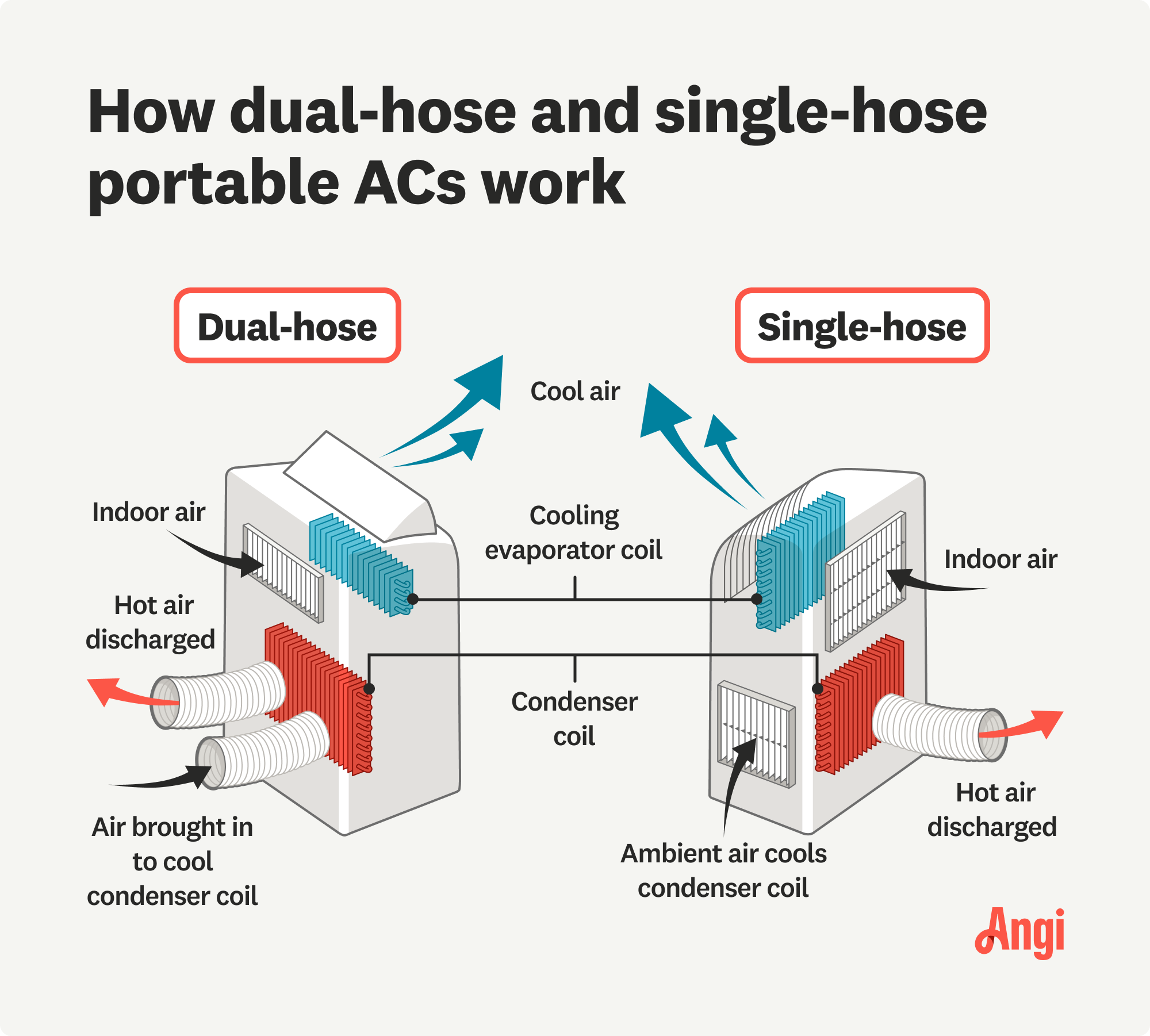
Single-hose unitsuse one hose to push hot air outside. They are simple and usually cost less. But, they can pull warm air inside the room, which lowers cooling efficiency.
Dual-hose unitshave two hoses. One brings air from outside to cool the unit. The other pushes hot air out. This design keeps indoor air pressure balanced and cools better than single-hose units.
Evaporative coolerswork differently. They use water to cool air instead of refrigerant. These coolers add moisture to the air, so they work best in dry climates. They don’t need a vent hose but are less effective in humid places.
How Venting Works
The exhaust hosecarries hot air from the portable air conditioner outside. This hose must be attached to the unit and connected to a vent. The vent lets out warm air, keeping the room cool.
Proper placement of the venting outlet is very important. It should be near a window, sliding door, or wall opening. The hose needs to be as short and straight as possible to work well. Avoid bending or kinking the hose because it blocks airflow.
- Exhaust hose moves hot air outside
- Connect hose securely to the unit
- Use a vent in a window or wall
- Keep hose short and straight
- Do not bend or block the hose
Consequences Of Not Venting
Not ventinga portable air conditioner causes reduced cooling. The unit struggles to push hot air outside. This makes rooms feel warmer than expected. The machine works harder and uses more energy. This can lead to higher electricity billsand shorter unit life.
Increased indoor heathappens because hot air stays inside. This air mixes with cooled air and raises room temperature. It also makes the air conditioner less effective. Comfort drops and the room never feels truly cool.
Venting Options For Portable Acs
Portable air conditioners need venting to push hot air outside. Window vent kitsare common and easy. They fit most windows and come with a panel to seal the gap. The vent hose connects to the panel to release hot air.
Through-the-wall ventingis a good choice if a window is not available. It requires cutting a hole in the wall. The hose is fitted through the hole, sending hot air out directly. This method keeps windows free.
Sliding door venting solutionsuse a special panel for sliding doors. The panel fits in the door track and holds the vent hose. It blocks air from coming back inside and lets hot air escape.

Credit: www.amazon.com
Installation Tips For Effective Venting
Sealing all gaps and leaksaround the vent hose stops hot air from entering your room. Use weather strippingor foam tapeto close openings tightly. This helps keep your space cool and saves energy.
Keep the vent hose short and straight. A long or bent hose lowers the air conditioner’s efficiency. Position the hose to vent outside, like through a window or wall. Avoid blocking the airflow.
- Check that the vent hose is secure and stable.
- Do not place the hose near heat sources or water.
- Keep the area around the vent clear of objects.
- Never vent the hose into another room or attic.
When Venting Might Not Be Needed
Some portable air conditioners are self-evaporative. They recycle the moisture inside and do not need venting all the time. These models use the hot air to evaporate water. This helps reduce the need for an exhaust hose.
Using a portable AC without an exhaust hose may work in some cases:
- Rooms with low humidity
- Short cooling periods
- When the unit has a built-in water tank
- Areas with good air circulation
Still, most units work best with venting to remove hot air. Without venting, the room may not cool properly. Always check the manufacturer’s instructions for your model.
Frequently Asked Questions
Do Portable Air Conditioners Require Venting?
Yes, portable air conditioners need venting to expel hot air. Without proper venting, the unit cannot effectively cool the room. Venting ensures optimal performance and efficiency by directing the hot air outside, typically through a window or an opening in the wall.
Can You Use A Portable Ac Without A Window?
Yes, you can use a portable AC without a window. However, you need an alternative venting option. Consider venting through a sliding door, wall opening, or ceiling. Ensure proper airflow and follow the manufacturer’s guidelines for safe and effective installation.
What Happens If You Don’t Vent A Portable Ac?
If you don’t vent a portable AC, it will not cool efficiently. The trapped hot air will circulate, reducing cooling performance. The unit will work harder, increasing energy consumption and costs. Venting is crucial for maintaining efficiency and prolonging the AC’s lifespan.
How Do You Vent A Portable Air Conditioner?
To vent a portable air conditioner, use the included window kit. Connect the exhaust hose to the unit and the window kit. Secure the kit in the window, ensuring a tight seal. Follow the manufacturer’s instructions for a proper and efficient setup.
Conclusion
Venting a portable air conditioner helps remove hot air from your room. Without venting, the unit works harder and cools less. Most portable ACs need a vent hose to work well. You can use a window kit to vent easily.
Proper venting saves energy and keeps your space cool. So, always check if your portable AC requires venting. It makes a big difference in comfort and efficiency. Choose the right setup for your room size and needs. Stay cool and save power with proper venting.