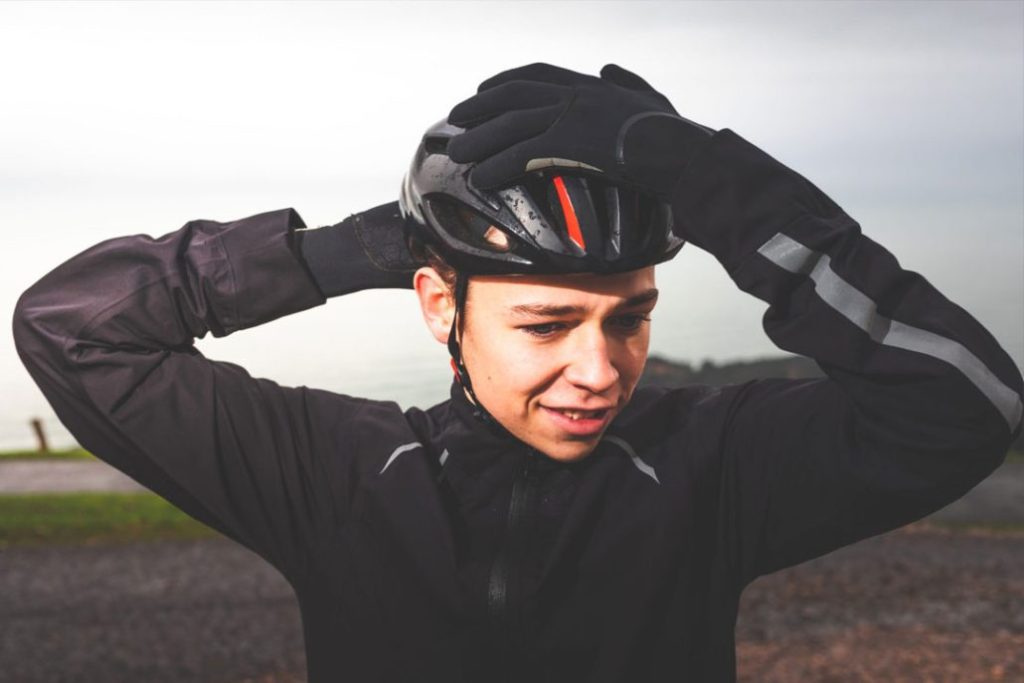
Are you really safe when you ride your bike without a helmet? You might think it’s just an extra hassle, but the truth is, wearing a helmet can make a huge difference in protecting your head.
Imagine the unexpected—an accident or a sudden fall—and ask yourself: is it worth risking serious injury? You’ll discover why a helmet isn’t just another piece of gear; it’s your best defense on the road. Keep reading to find out how this simple choice can keep you safer every time you ride.
Helmet Laws By Region
Wearing a helmet while riding a bike is important for safety. Different places have different rules about helmets.
This guide explains helmet laws by region. It covers countries, states, cities, and age rules.
Countries With Mandatory Helmet Laws
Many countries require all bike riders to wear helmets. These laws aim to reduce head injuries during accidents.
Some countries have strict rules, while others only suggest wearing helmets.
- Australia: Helmet use is mandatory nationwide.
- New Zealand: All cyclists must wear helmets.
- Spain: Helmets are required outside city limits.
- Chile: Helmet laws apply to all riders.
- South Africa: Helmets are mandatory for all cyclists.
States And Cities With Specific Regulations
In some countries like the USA, helmet laws vary by state or city. Some places have rules for all riders, others only for certain groups.
Local governments set these rules to fit their needs and safety goals.
- California: Helmets required for riders under 18 years old.
- New York City: Helmets mandatory for riders under 14 years old.
- Texas: No statewide helmet law, but some cities require helmets.
- London: No law requiring helmets, but recommended for safety.
- Toronto: Helmets required for riders under 18 years old.
Age-based Helmet Requirements
Many regions require helmets only for young riders. These laws protect children and teenagers who are more vulnerable.
Adult riders may not have to wear helmets by law, but it is still safer to wear one.
| Region | Age Group | Helmet Requirement |
|---|---|---|
| Australia | All ages | Helmets mandatory |
| California, USA | Under 18 | Helmet required |
| New York City, USA | Under 14 | Helmet required |
| Toronto, Canada | Under 18 | Helmet required |
| United Kingdom | No age limit | No law, but helmet recommended |
Safety Benefits Of Wearing Helmets
Wearing a helmet while riding a bike helps protect your head. It lowers the risk of serious injury in case of a fall or crash.
Helmets are designed to absorb impact and keep your brain safe. They are an important part of bike safety gear.
Protection Against Head Injuries
Helmets reduce the chance of head injuries during bike accidents. They protect the skull and brain from strong impacts.
Wearing a helmet can prevent cuts, bruises, and serious brain damage. It acts as a cushion to lower injury severity.
Impact On Accident Survival Rates
Helmets improve survival rates in bike crashes. Riders with helmets are less likely to die from head trauma.
Studies show helmet use lowers death risk by up to 40%. This makes helmets a lifesaving tool on the road.
Helmet Technology And Innovations
Modern helmets use strong, lightweight materials. They include foam liners to absorb shock during impacts.
New designs focus on better fit and ventilation. Some helmets have special layers to reduce rotational forces in crashes.
- EPS foam to absorb impact energy
- Multi-directional impact protection systems (MIPS)
- Adjustable straps for a secure fit
- Ventilation holes to keep riders cool
Common Myths About Bike Helmets
Many people have wrong ideas about wearing helmets on bikes. These myths can stop riders from using helmets, which are important for safety.
This article looks at some common myths and explains the truth behind them. Understanding facts helps riders make better choices.
Helmets And Comfort Concerns
Some riders say helmets are too hot or heavy. They think helmets make riding uncomfortable. But modern helmets use vents to keep air flowing and are made from light materials.
- Ventilation holes help air move through the helmet.
- Lightweight foam and plastic reduce helmet weight.
- Adjustable straps improve the fit for comfort.
Effect On Visibility And Hearing
Some believe helmets block side vision or hearing. A helmet covers the head but does not cover the eyes or ears fully. Good helmets are designed to keep your senses sharp.
| Myth | Fact |
| Helmet blocks side vision | Helmets leave the eyes clear for good sight. |
| Helmet reduces hearing | Helmets allow sounds to pass near the ears. |
| Helmet feels heavy on head | Modern helmets are light and balanced. |
Helmet Use And Risk Compensation
Some riders think wearing a helmet makes them take more risks. This idea is called risk compensation. Studies show this is not true for most people.
Here are facts about risk compensation and helmet use:
- Helmets do not cause riders to go faster or act less safely.
- Riders feel safer but still follow road rules.
- Wearing a helmet lowers injury chances in crashes.
Choosing The Right Helmet
Wearing a helmet while biking keeps your head safe. Picking the right helmet helps protect you best. There are many types and sizes to choose from.
This guide explains different helmet types, how to find the right fit, and what safety marks to look for.
Types Of Bike Helmets
Bike helmets come in many styles. Each style suits a different kind of riding. Choose a helmet that fits your riding needs.
- Road Helmets:Lightweight and well-ventilated for speed and long rides.
- Mountain Bike Helmets:Stronger and often have a visor to protect from sun and branches.
- Urban Helmets:Stylish with extra coverage for city riding.
- Full-Face Helmets:Cover the whole head and face for downhill or BMX riding.
- Commuter Helmets:Designed for daily use with features like lights or reflective parts.
Proper Fit And Sizing Tips
A helmet must fit snugly to protect your head. Too loose or too tight can reduce safety. Follow these tips to find your size.
- Measure your head around the largest part above your eyebrows.
- Check the helmet size chart before buying.
- The helmet should sit level on your head, not tilted back.
- Straps should form a “V” under your ears and be snug but comfortable.
- Shake your head gently; the helmet should not move much.
Certification Standards To Look For
Helmets must meet safety standards to protect your head well. Look for certification labels before buying.
- CPSC:Required in the USA for all bike helmets.
- EN 1078:European standard for bike helmets.
- ASTM F1447:Covers helmets used for recreational cycling.
- Snell B90/B95:High-performance safety standards.
Helmet Maintenance And Replacement
Wearing a helmet keeps you safe while biking. Taking care of your helmet helps it last longer.
Regular cleaning and proper storage keep your helmet in good shape. You also need to know when to replace it.
Cleaning And Care Guidelines
Clean your helmet with mild soap and water. Avoid harsh chemicals that damage materials.
- Use a soft cloth or sponge to wipe the shell.
- Remove and wash the inner pads by hand.
- Do not soak or use a washing machine.
- Let the helmet air dry away from direct sunlight.
- Check straps for dirt and clean them gently.
When To Replace Your Helmet
Helmets lose protection after impact or with age. Replace your helmet if it is damaged or old.
| Condition | Replacement Advice |
| Visible cracks or dents | Replace immediately |
| After a strong impact | Replace even if no damage is seen |
| More than 5 years old | Consider replacing |
| Straps or buckles worn out | Replace or repair properly |
Storage Tips To Extend Lifespan
Store your helmet in a cool, dry place. Avoid heat and heavy pressure that can damage it.
- Keep helmet away from direct sunlight
- Do not leave it in a hot car
- Place helmet on a soft surface or hang it
- Keep it away from chemicals and sharp objects
Credit: www.bellinghamherald.com
Helmet Use For Different Cycling Activities
Wearing a helmet is important for safety while riding a bike. Different cycling activities have different risks. Choosing to wear a helmet depends on the type of riding you do.
This guide explains helmet use for road cycling, mountain biking, and casual riding. It helps you understand when and why a helmet is necessary.
Road Cycling
Road cycling often involves riding fast on paved roads. Traffic and speed increase the risk of serious injury. Wearing a helmet is highly recommended for protection.
Helmets for road cycling are lightweight and well-ventilated. They help reduce head injuries in crashes or falls.
Mountain Biking
Mountain biking takes place on rough trails and uneven terrain. Falls and collisions with trees or rocks are common. A helmet is essential for safety.
Mountain bike helmets often have extra coverage at the back of the head. Some riders also use full-face helmets for downhill riding.
- Protects against branches and rocks
- Offers better impact protection
- Can include visors to shield eyes
Commuting And Casual Riding
Commuting and casual riding usually happen at lower speeds. Risks come from traffic and uneven surfaces. Wearing a helmet is a good idea for safety.
Simple, comfortable helmets work well for daily rides. They encourage more people to wear helmets regularly.
Impact Of Helmet Use On Cycling Culture
Wearing helmets has changed how people see cycling. Helmets help protect riders from injuries.
They also affect the habits and safety of cyclists worldwide. This topic looks at these effects.
Public Perceptions And Attitudes
Many people think helmets are important for safety. Some feel helmets make cycling safer.
Others believe helmets can be uncomfortable or uncool. Opinions vary by age and location.
- Some see helmets as a must for safety
- Others think helmets limit freedom
- Public views can shape helmet laws and rules
Influence On Cycling Participation
Helmet use can affect how many people choose to ride bikes. Some riders feel safer with helmets.
Others may avoid cycling if helmets feel like a burden. This can lower the number of cyclists.
- Helmets encourage safety for new riders
- Some avoid cycling due to helmet rules
- Comfort and style affect helmet acceptance
Advocacy And Awareness Campaigns
Groups promote helmet use to reduce injuries. Campaigns teach why helmets protect riders.
These efforts help change how people think about helmets. They also support better cycling laws.
- Safety education in schools and communities
- Helmet giveaways and discount programs
- Partnerships with bike shops and clubs
Credit: billbonebikelaw.com

Credit: www.safetyandhealthmagazine.com
Frequently Asked Questions
Do I Legally Need To Wear A Helmet On A Bike?
Helmet laws vary by location. Many places require helmets for minors. Adults may also be required in some regions. Check local regulations to ensure compliance and safety.
How Does Wearing A Helmet Protect Me On A Bike?
Helmets reduce head injury risk by absorbing impact forces. They protect the skull and brain during crashes. Wearing a helmet greatly increases your chances of avoiding serious injury.
Are Helmets Mandatory For All Types Of Biking?
Helmet requirements depend on bike type and local laws. Mountain biking often requires helmets for safety. Road biking laws vary, so verify rules in your area before riding.
Can A Helmet Prevent All Head Injuries While Biking?
Helmets significantly reduce injury severity but can’t prevent all injuries. They provide crucial protection but do not guarantee complete safety. Always ride carefully and follow traffic rules.
Conclusion
Wearing a helmet on a bike protects your head during accidents. It reduces the risk of serious injury and saves lives. Helmets are easy to wear and affordable for most people. Riding without one puts you at unnecessary risk every time.
Safety should always come first when cycling. Choose a helmet that fits well and meets safety standards. Stay safe, enjoy your ride, and protect yourself with a helmet. Simple choice, big difference.