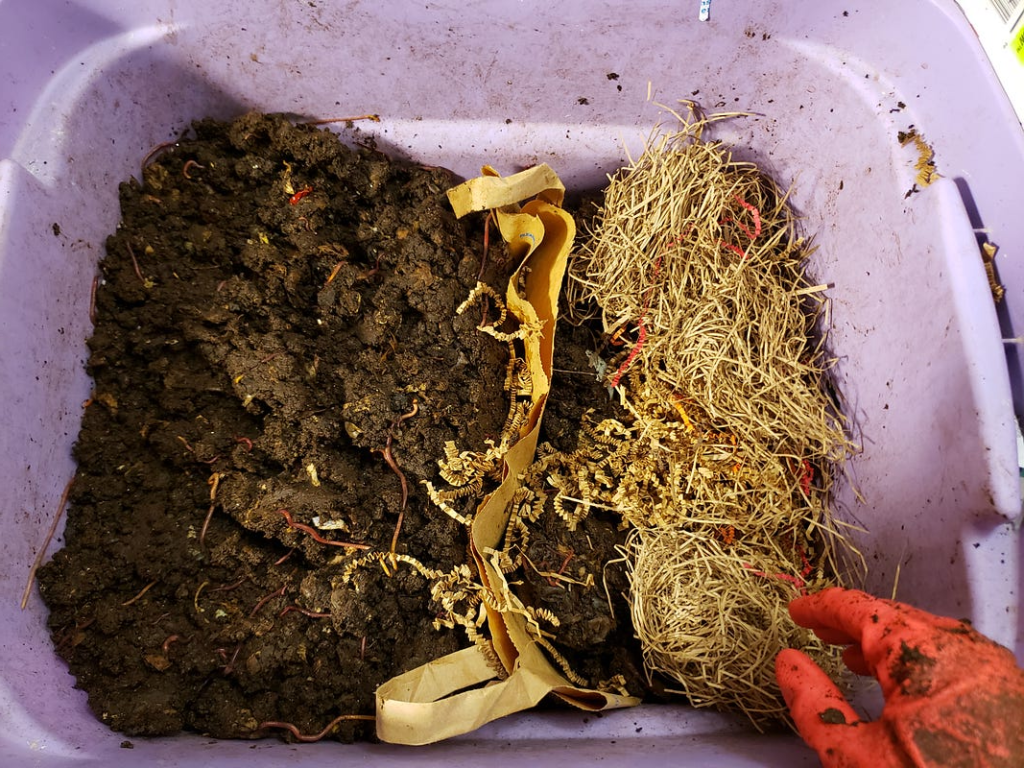
Are you wondering if worms are a must-have for your compost bin? You might have heard that worms can speed up the composting process and make your soil richer.
But is it really necessary to add worms, or can you create great compost without them? You’ll discover the truth about worms in compost bins and learn simple tips to make your compost successful—whether you have worms or not. Keep reading to find out what works best for your garden and how to get the most out of your compost bin.
Benefits Of Worms In Composting
Worms play an important role in compost bins. They help break down food scraps and garden waste quickly. Adding worms can make composting easier and more effective.
Using worms in your compost helps create rich, healthy soil. This natural process supports plant growth and reduces waste in landfills.
How Worms Speed Up Decomposition
Worms eat organic waste and break it into smaller pieces. This makes it easier for bacteria and fungi to work faster. Worms also mix the compost, which adds air and speeds up decay.
- Worms shred waste into tiny bits
- They help spread helpful microbes
- Worm movement adds oxygen to compost
- Faster breakdown means quicker compost
Improving Soil Quality With Worm Castings
Worm castings are worm poop that is full of nutrients. These castings enrich soil with minerals plants need. They also hold water well and improve soil structure.
- Castings add nitrogen, phosphorus, and potassium
- They boost beneficial microbes in soil
- Improve soil texture and moisture retention
- Help plants grow stronger and healthier
Worms And Odor Control
Worms help reduce bad smells in compost bins. They eat materials that usually cause odors. Their activity keeps the compost balanced and less smelly.
- Worms consume smelly food scraps quickly
- Less rotting means fewer bad odors
- They help keep compost moist but not wet
- Good air flow from worm movement lowers smell

Credit: randylemmon.com
Types Of Composting Methods
Composting turns kitchen scraps and yard waste into rich soil. Different ways exist to compost materials. Some use worms, and others do not.
Choosing the right composting method depends on space, time, and materials. Learning about these methods helps you decide if worms are needed.
Traditional Composting Without Worms
Traditional composting breaks down organic waste using heat and microbes. You pile yard waste, food scraps, and other materials in a bin or heap.
This method relies on air, moisture, and time. Microorganisms and insects help turn the pile into compost over months. Worms are not necessary here.
Vermicomposting Basics
Vermicomposting uses worms to break down food scraps quickly. Special worms eat the waste and produce nutrient-rich castings.
This method works best indoors or in small spaces. You need a worm bin with the right bedding, moisture, and temperature for worms to thrive.
Comparing Worm Bins And Hot Composting
Worm bins use worms to compost kitchen scraps fast. Hot composting uses heat from microbes to break down larger piles.
- Worm bins are smaller and good for indoor use
- Hot composting needs larger space outside
- Worm composting produces rich castings
- Hot composting kills weed seeds and pathogens
- Worm bins work well for food waste only
- Hot composting handles yard waste and food scraps
Choosing The Right Worms
Worms are important for a compost bin. They help break down food scraps quickly.
Choosing the right worms ensures your composting is efficient. Let’s explore common worm species and how to care for them.
Common Worm Species For Composting
Not all worms are suitable for composting. Some species are better than others.
Here are some common species used in composting bins:
- Red Wigglers (Eisenia fetida)
- European Nightcrawlers (Eisenia hortensis)
- Blue Worms (Perionyx excavatus)
Where To Get Composting Worms
You can buy composting worms from various places. Make sure to get healthy worms.
Consider these sources for purchasing your worms:
- Local garden centers
- Online worm suppliers
- Community composting groups
Caring For Your Worms
Worms need proper care to thrive. They require a suitable environment to live.
Follow these tips to keep your worms healthy:
- Maintain a moist and dark environment
- Feed them regularly with kitchen scraps
- Avoid feeding them meat or dairy products

Credit: brotherswormfarm.com
Setting Up A Worm Compost Bin
Worm compost bins are a smart way to recycle kitchen waste. They use worms to turn scraps into rich soil.
Setting up a worm bin is simple if you know the right steps. This guide helps you get started quickly.
Choosing The Bin Type
Select a bin that keeps worms safe and moist. Plastic or wooden bins work well for worm composting.
- Size: Choose a bin about 10 to 20 gallons.
- Ventilation: Ensure the bin has air holes for airflow.
- Drainage: The bin should have small holes to drain excess liquid.
- Lid: Use a lid to keep pests out and maintain humidity.
- Location: Place the bin in a cool, shaded spot indoors or outdoors.
Preparing Bedding For Worms
Bedding gives worms a comfortable place to live. It also helps keep the bin moist and balanced.
| Bedding Material | Purpose |
| Shredded newspaper | Absorbs moisture and provides carbon |
| Peat moss | Keeps moisture and acidity balanced |
| Cardboard | Offers structure and air pockets |
| Dry leaves | Improves aeration and carbon source |
Mix bedding materials well and moisten them. The bedding should feel like a damp sponge before adding worms.
Feeding Your Worms Properly
Feed worms small amounts of food often. Avoid adding too much at once to prevent odors.
- Feed fruit and vegetable scraps like apple peels and carrot ends.
- Use coffee grounds and crushed eggshells for extra nutrients.
- Do not feed meat, dairy, oily foods, or citrus.
- Chop food scraps into small pieces to help worms digest them faster.
- Cover food with bedding to reduce flies and smells.
Maintaining A Healthy Worm Bin
Keeping a worm bin healthy is important for good composting. Worms need the right conditions to live and work well.
Simple care helps worms turn waste into nutrient-rich soil for your garden. Watch your bin often to keep it balanced.
Monitoring Moisture And Temperature
Worms like their home moist but not wet. The bin should feel like a wrung-out sponge. Too much water can drown worms.
Keep the bin temperature between 55°F and 77°F. Worms stop working if it gets too hot or cold.
- Check moisture weekly and add water if dry.
- Move the bin to a cooler spot if it gets too hot.
- Use bedding like shredded paper to keep moisture steady.
Troubleshooting Common Issues
Problems can happen in a worm bin. Look for signs like bad smell or worms leaving the bin.
Fix these issues quickly to save your worms and keep composting on track.
- Bad smell means too much food or wetness. Reduce food and dry the bin.
- Worms leaving means poor conditions. Check moisture, temperature, and food quality.
- Fruit flies can appear. Cover food scraps with bedding to stop them.
Harvesting Worm Castings
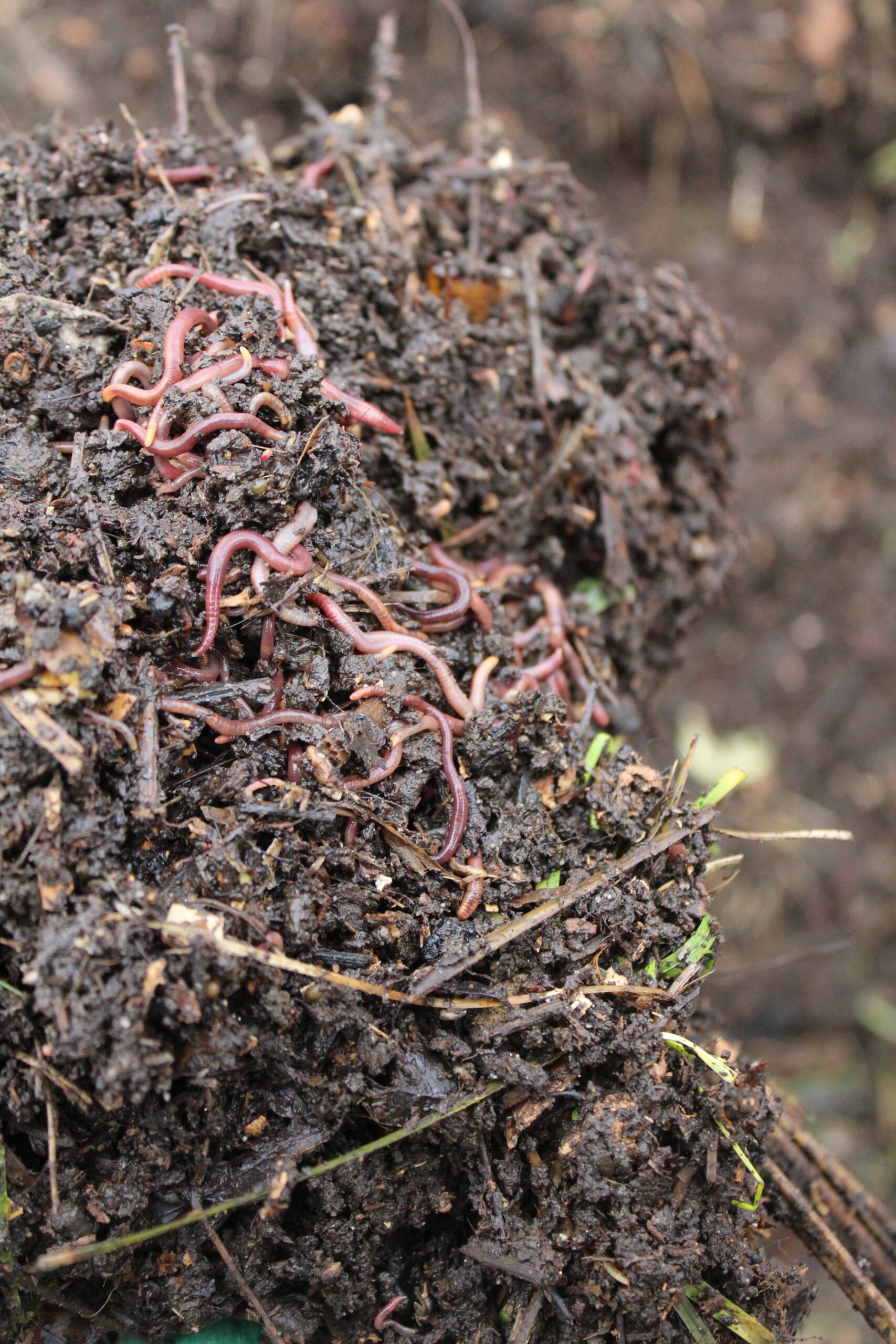
Worm castings are the dark, rich soil made by worms. They help plants grow strong.
To collect castings, move finished compost to one side of the bin. Add fresh bedding and food on the other side.
- Worms will move to the new food area.
- After a few weeks, take castings from the empty side.
- Use castings in your garden or pots as natural fertilizer.
Credit: practicalselfreliance.com
When Worms Are Not Necessary
Not all compost bins need worms to work well. Many people compost without adding worms and still get rich soil.
This guide explains how you can compost without worms and what other options you have to speed up composting.
Composting Without Worms
Composting without worms uses natural decomposition by bacteria and fungi. This process breaks down organic waste over time.
Regular compost bins and piles work well without worms, especially outdoors with good air and moisture.
Using Other Compost Accelerators
Some materials and methods help compost break down faster without worms.
- Adding finished compost or garden soil to introduce microbes
- Turning the pile often to add oxygen
- Keeping the pile moist but not wet
- Chopping scraps into small pieces for faster decay
- Using compost starters available at garden centers
Choosing The Best Method For Your Needs
| Method | Best For | Pros | Cons |
|---|---|---|---|
| Traditional Compost Bin | Gardeners with space | Simple, low cost | Slower process |
| Compost Pile | Large amounts of waste | No container needed | Needs space and effort |
| Compost Accelerator Products | Those wanting faster compost | Speeds up decomposition | Additional cost |
| Vermicomposting (With Worms) | Small spaces, kitchen scraps | Produces rich compost quickly | Needs care for worms |
Frequently Asked Questions
Do You Need Worms For A Compost Bin?
Worms are not essential but highly beneficial for compost bins. They speed up decomposition and improve soil quality by breaking down organic waste efficiently.
What Type Of Worms Are Best For Composting?
Red wigglers (Eisenia fetida) are the best worms for composting. They thrive in decomposing organic matter and process waste quickly, making them ideal for worm bins.
Can Composting Work Without Worms?
Yes, composting can occur without worms through natural microbial activity. However, worms accelerate the process and produce richer, nutrient-dense compost faster than microbes alone.
How Do Worms Improve Compost Quality?
Worms digest organic waste and excrete nutrient-rich castings. These castings enhance soil fertility, structure, and water retention, making compost more beneficial for plants.
Conclusion
Worms help speed up composting and break down food scraps fast. They make the soil richer and healthier for plants. You can compost without worms, but adding them makes the process easier. Choose what fits your space and needs best.
Start small and see how worms work in your bin. Composting with or without worms helps reduce waste and supports nature. Give it a try and watch your garden grow better. Simple steps lead to great results.