Are you wondering if you should put soil on top of landscape fabric? It’s a common question for anyone starting a garden or working on outdoor projects.
The answer can change how well your plants grow and how much time you spend on maintenance. You’ll discover the best way to use landscape fabric to keep your garden healthy and looking great. Keep reading to learn the simple steps that can make your gardening efforts easier and more successful.
Credit: mulchpros.com
Purpose Of Landscape Fabric
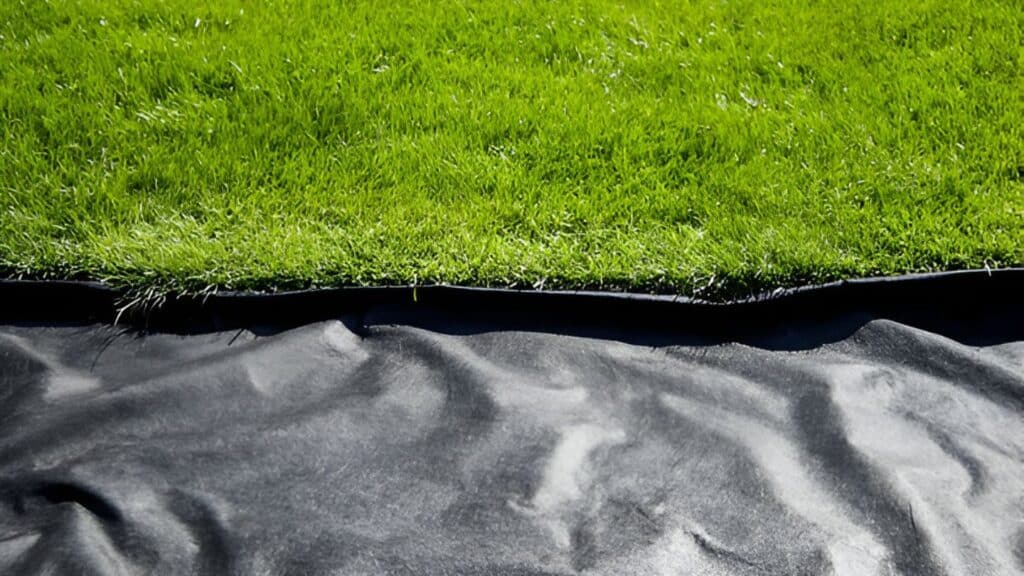
Landscape fabric is a material placed on soil to help manage gardens and yards. It acts as a barrier between soil and plants or mulch.
People use landscape fabric to reduce weeds and keep soil in place. It can also improve water flow and soil health.
Weed Control Benefits
Landscape fabric stops weeds from growing by blocking sunlight. Without light, most weeds cannot sprout and spread.
This fabric helps gardeners save time and effort in pulling weeds. It keeps garden beds clean and healthy.
- Blocks sunlight to stop weed seeds from growing
- Reduces the need for chemical weed killers
- Maintains a neat garden appearance
- Allows water and air to pass through
Soil Erosion Prevention
Landscape fabric helps keep soil from washing away during rain. It holds soil in place on slopes and garden beds.
The fabric supports plant roots by keeping soil stable. This helps plants grow stronger and stay healthy.
- Prevents soil loss on hills and slopes
- Protects roots by keeping soil intact
- Reduces mud and mess after rain
- Helps maintain garden shape and design

Credit: www.reddit.com
Types Of Landscape Fabric
Landscape fabric helps control weeds and keeps soil in place. It comes in different types that suit various gardening needs. Choosing the right fabric improves your garden’s health and appearance.
Understanding the types of landscape fabric helps you pick the best one. Two main types are woven and non-woven fabrics. Each has unique features and uses.
Woven Vs Non-woven Fabrics
Woven fabrics are made by weaving threads together. Non-woven fabrics are made by bonding fibers. Both types block weeds but work differently in gardens.
- Woven Fabric:Strong and durable, allows water to pass through.
- Non-Woven Fabric:Softer and thicker, holds water better.
- Water Flow:Woven lets water drain quickly, non-woven slows water flow.
- Use:Woven is good for heavy traffic areas, non-woven suits flower beds.
Durability And Lifespan
Durability depends on fabric type and quality. Woven fabrics last longer because of tight threads. Non-woven fabrics break down faster but protect soil well.
| Fabric Type | Average Lifespan | Durability | Best Use |
|---|---|---|---|
| Woven | 5 to 10 years | High | Paths, driveways, heavy garden use |
| Non-Woven | 2 to 5 years | Medium | Flower beds, light garden areas |
Placing Soil Over Fabric
Landscape fabric helps control weeds in your garden. Placing soil on top of it can enhance plant growth. It is important to know when and how much soil to add.
Understanding the right time and depth for adding soil ensures healthy plants. This guide will help you make informed decisions for your garden.
When To Add Soil
The best time to add soil is during the growing season. This is when plants need extra support. Adding soil then helps roots to expand and grow strong.
- Spring is ideal for most plants.
- Summer works for heat-loving plants.
- Fall is suitable for hardy plants.
Recommended Soil Depth
Soil depth varies based on plant types. Some need more soil, while others do well with less. Knowing the right depth is crucial for plant health.
| Plant Type | Soil Depth |
| Vegetables | 6-12 inches |
| Flowers | 4-8 inches |
| Shrubs | 12-18 inches |
Advantages Of Soil Layer
Adding a layer of soil on top of landscape fabric offers several benefits. It helps plants grow better and makes your garden look nicer.
The soil layer supports the fabric by providing a natural surface for planting and improving the overall garden environment.
Improved Plant Growth
Soil over landscape fabric creates a healthy place for roots to spread. It holds moisture and nutrients needed by plants. This helps plants grow stronger and stay healthy longer.
- Soil retains water and reduces drying out
- Provides nutrients for plant roots
- Allows roots to anchor firmly
- Helps regulate soil temperature
- Supports beneficial soil organisms
Aesthetic Appeal
Covering landscape fabric with soil creates a natural look. It hides the fabric and blends the garden with the surroundings. The soil layer also allows mulch or plants to sit evenly on top.
| Benefit | Description |
| Natural Appearance | Soil hides fabric and looks like real ground |
| Better Mulch Placement | Soil supports mulch for a neat garden bed |
| Even Planting Surface | Soil creates a smooth area for plant roots |
| Reduces Fabric Exposure | Prevents fabric from showing and fading |
Potential Drawbacks
Using soil on top of landscape fabric can cause some problems. It is important to know the risks before deciding.
Two main issues to watch for are fabric damage and water drainage problems.
Fabric Damage Risks
Placing soil over landscape fabric can wear down the material. Sharp objects in the soil may tear the fabric. Over time, this reduces its ability to block weeds.
- Rocks and roots can puncture the fabric.
- Heavy soil may compress and break it.
- Soil moisture can cause fabric to weaken.
- Moving soil or plants may shift and damage fabric.
Water Drainage Issues
Soil on top of fabric may slow water flow. Poor drainage can harm plants and soil health. It can cause water to pool and create spots where roots rot.
| Drainage Problem | Effect |
| Water pooling | Root rot and plant stress |
| Slow water flow | Soil stays too wet for too long |
| Blocked fabric pores | Reduced water absorption |
| Runoff increase | Soil erosion and nutrient loss |
Best Practices For Installation
Landscape fabric helps control weeds and keeps your garden neat. Putting soil on top of the fabric can protect it and improve plant growth.
Follow these steps to install landscape fabric correctly and add soil on top for best results.
Preparing The Ground
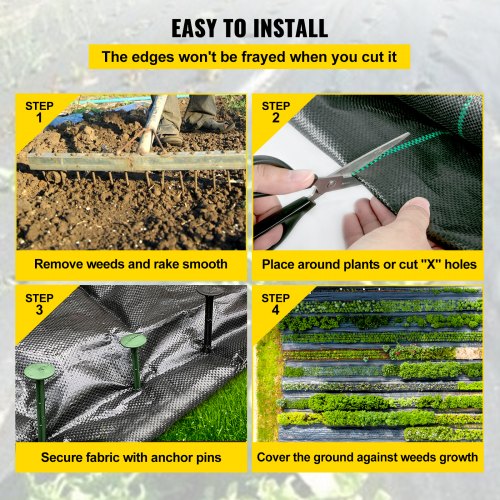
Clear the area of all weeds, rocks, and debris. Make sure the ground is smooth and level before laying the fabric.
Water the soil lightly if it is dry. This helps the fabric lie flat and stay in place.
- Remove weeds and grass
- Pick out rocks and sticks
- Level the soil surface
- Lightly water dry soil
Securing The Fabric
Lay the fabric flat over the prepared ground. Overlap edges by at least 6 inches to prevent weeds from growing through.
Use landscape staples or pins to hold the fabric tightly. Place them every 12 to 18 inches along the edges and seams.
- Overlap fabric edges by 6 inches or more
- Secure with staples or pins every 12-18 inches
- Check for wrinkles and smooth them out
Adding Soil And Mulch
Spread a layer of soil on top of the fabric. A 2 to 3 inch layer is enough to protect the fabric and support plants.
Cover the soil with mulch. Mulch helps keep moisture in and stops the soil from washing away.
- Apply 2 to 3 inches of soil over fabric
- Use mulch to cover the soil layer
- Mulch types: wood chips, bark, or gravel
- Keep mulch away from plant stems to prevent rot
Maintenance Tips
Putting soil on top of landscape fabric helps plants grow and keeps fabric hidden. Good care keeps the fabric working well for a long time.
Regular checks and fixing soil problems stop weeds and protect your garden’s look.
Checking Fabric Integrity
Look at the fabric often to find holes or tears. Small holes let weeds grow and can spoil your garden.
Fix any damage fast. Patch holes with new fabric or use garden staples to hold fabric tight.
- Check fabric edges for lifting
- Look under soil for hidden tears
- Replace fabric if it is old or very damaged
Managing Soil Settling
Soil on top of fabric can settle and leave gaps. These gaps let weeds grow and expose the fabric.
Add soil to low spots to keep an even layer. This helps plants get enough nutrients and keeps fabric covered.
- Check soil level after heavy rain
- Add more soil each spring if needed
- Use mulch to reduce soil movement
Alternatives To Soil Covering
Landscape fabric is often used to stop weeds from growing. People wonder if they should put soil on top of it. Soil can cover the fabric but it may cause problems.
There are other ways to cover landscape fabric. These options can keep weeds away and look nice too.
Using Mulch Directly
Mulch is a popular choice to put on top of landscape fabric. It helps keep moisture in the soil. It also stops sunlight from reaching weed seeds.
You can use wood chips, bark, straw, or rubber mulch. Mulch breaks down slowly and improves soil over time.
- Keeps soil moist
- Blocks weed growth
- Improves soil health
- Looks natural and neat
Other Ground Cover Options
Besides mulch, there are other covers to use over landscape fabric. Gravel and decorative stones are good choices. They allow water to drain well.
Plastic or rubber mats can also cover fabric in some places. These covers need less maintenance than soil or mulch.
- Gravel and stones reduce weeds
- Plastic mats stop weed growth
- Rubber covers last a long time
- All options prevent soil erosion

Credit: www.amazon.ca
Frequently Asked Questions
Do You Need To Cover Landscape Fabric With Soil?
Yes, covering landscape fabric with soil helps protect it from sunlight and wear. It also improves fabric stability and prevents weeds effectively.
Can You Put Mulch Instead Of Soil On Landscape Fabric?
Mulch can be used over landscape fabric to retain moisture and block weeds. It is lighter than soil and adds organic matter.
How Thick Should Soil Be On Top Of Landscape Fabric?
A 2 to 3-inch soil layer is ideal over landscape fabric. This thickness protects fabric and supports plant roots well.
Will Soil On Landscape Fabric Improve Plant Growth?
Soil on landscape fabric provides nutrients and moisture for plants. It enhances root development and overall plant health.
Conclusion
Soil on top of landscape fabric helps keep weeds away and holds moisture. It also protects the fabric from sunlight and damage. Use a thin layer to let water pass through easily. Too much soil can block water and cause problems.
Remember, good drainage keeps plants healthy. Choose the right fabric and soil for best results. This simple step makes gardening easier and cleaner. Your plants will thank you.