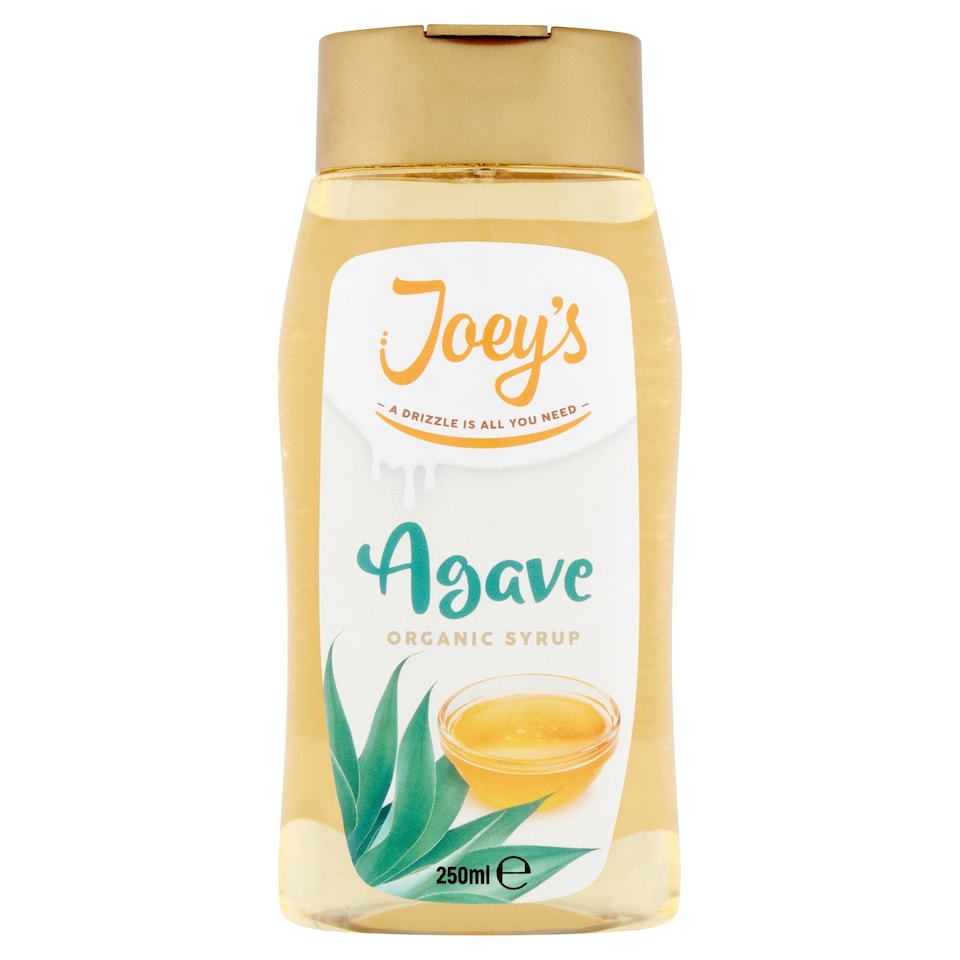
Do you refrigerate agave syrup, or is it fine sitting on your pantry shelf? This question might have crossed your mind as you reached for that bottle to sweeten your morning coffee or drizzle over pancakes.
Agave syrup, often praised for its natural sweetness, has become a staple in many kitchens. Yet, how you store it can impact its taste, texture, and shelf life. You don’t want to waste money on a product that loses its flavor or spoils too soon, right?
Let’s uncover the mystery of agave syrup storage and ensure you’re getting the most out of every drop. Stick around to discover the best practices that could save you time, money, and a potential taste disaster!

Credit: www.amazon.com
Agave Syrup Basics
Agave syrup is a popular natural sweetener known for its mild flavor and smooth texture. It comes from the agave plant, native to Mexico. People use it as an alternative to sugar in many recipes. Understanding the basics helps in storing and using it properly.
What Is Agave Syrup
Agave syrup is a thick, sweet liquid made from the sap of the agave plant. It has a light amber color and a taste similar to honey. The syrup is rich in fructose, which makes it sweeter than regular sugar. It dissolves easily in cold and hot drinks.
The syrup is processed by heating and filtering the agave sap. This process gives it a smooth texture and long shelf life. It does not crystallize like honey or sugar.
Common Uses In Cooking
Agave syrup works well as a sweetener in many dishes. It blends smoothly into beverages like tea and coffee. It can replace sugar or honey in baking recipes. The syrup adds moisture to cakes and cookies.
- Sweetening smoothies and yogurt
- Drizzling over pancakes and waffles
- Mixing in salad dressings and sauces
- Glazing roasted vegetables and meats
Its mild flavor does not overpower other ingredients. Agave syrup is a versatile choice for both sweet and savory meals.
Storage Requirements
Storing agave syrup properly can make a noticeable difference in its taste and shelf life. Knowing the right storage conditions helps keep its texture smooth and flavor fresh. Let’s look closely at what temperature and exposure to light and air mean for your agave syrup.
Ideal Temperature Conditions
Agave syrup does not require refrigeration to stay fresh. It keeps well at room temperature, ideally between 50°F and 70°F (10°C to 21°C). Storing it in a cool, dry place like a pantry or cupboard away from heat sources is best.
If you live in a very hot climate, you might notice the syrup becomes runnier or darker. While this doesn’t spoil it, it can change the texture and flavor. Refrigerating in such cases can help maintain consistency, but it’s not necessary for most homes.
Light And Air Exposure Effects
Exposure to light and air can affect agave syrup’s quality over time. Light can cause the syrup to lose some of its delicate flavor, while air exposure can lead to thickening or crystallization.
Always keep the bottle tightly sealed after use. Store it in a dark place or use an opaque container if you transfer it. This simple step preserves the syrup’s natural sweetness and prevents unwanted changes.
Refrigeration Benefits
Refrigerating agave syrup offers clear benefits that help keep it fresh and tasty. Proper storage slows down changes that reduce quality. It helps maintain agave syrup’s natural sweetness and smooth texture for a longer time. This section explores how refrigeration supports these advantages.
Shelf Life Extension
Cold storage slows the growth of bacteria and mold. Agave syrup stays safe to use longer in the fridge. This means less waste and more value from each bottle. Room temperature storage may shorten its usability, especially in warm climates. Refrigeration keeps the syrup fresh for months beyond normal shelf life.
Preserving Flavor And Texture
Refrigeration helps keep agave syrup’s flavor pure and sweet. Heat and light can change its taste over time. The syrup also stays smooth and pourable in cold conditions. Avoiding thickening or crystallization improves how easy it is to use. This keeps agave syrup enjoyable in recipes and drinks.
When Not To Refrigerate
Not all syrups demand a spot in the fridge, and agave syrup is one of them. Knowing when to keep it at room temperature can save you from unnecessary fridge space and maintain its smooth pourability. But how do you decide when it’s safe to leave agave syrup out?
Room Temperature Storage Tips
Keep your agave syrup in a cool, dark place away from direct sunlight. A pantry or kitchen cabinet works well. Make sure the bottle is tightly sealed after each use to prevent moisture and contaminants from sneaking in.
Remember, warmth can affect the texture but not spoil the syrup quickly. Avoid storing it near the stove or oven where heat fluctuates. These small changes can cause crystallization or make it thicker, but they don’t mean it’s bad.
Signs Of Spoilage Without Refrigeration
Since agave syrup is naturally high in sugar, it resists bacteria and mold, but it’s not immune to spoilage. Watch for changes like an off smell, unusual cloudiness, or mold spots on the surface or inside the cap.
If the syrup tastes sour or fermented, it’s time to toss it. Have you ever noticed your syrup smelling a bit different after months on the shelf? That’s a clear sign to check its freshness before using it on your pancakes or in drinks.
Packaging And Container Tips
Proper packaging and container choices protect agave syrup’s quality and taste. The right container keeps the syrup fresh and easy to use. Also, handling and sealing methods prevent contamination and spoilage. These tips help maintain agave syrup’s smooth texture and natural sweetness.
Best Containers For Agave Syrup
Choose containers that do not react with syrup. Glass bottles or jars work well. They are easy to clean and do not absorb flavors. Plastic containers can be used but select food-grade types only. Avoid metal containers as they may cause changes in taste.
Containers should have a narrow opening. This helps control pouring and reduces spills. A dark or opaque container protects syrup from light. Light exposure can change the syrup’s color and flavor.
Sealing And Handling Practices
Always seal containers tightly after use. This stops air from entering and causing spoilage. Use lids that close firmly without leaks. Avoid leaving the container open for long periods.
Clean the container’s rim before sealing. Syrup residue can attract insects or mold. Handle containers with clean hands or utensils. This keeps the syrup pure and safe to eat.

Credit: shop.savemart.com
Troubleshooting Storage Issues
Storing agave syrup correctly can prevent common issues like crystallization and spoilage. Understanding how to manage these problems keeps the syrup fresh and easy to use. Simple steps can fix most storage concerns and extend the syrup’s shelf life.
Common Problems And Solutions
- Crystallization:Syrup becomes grainy or solid. Store at room temperature away from sunlight.
- Separation:Liquid separates into layers. Shake bottle well before use.
- Off Smell or Taste:May indicate spoilage. Discard if unusual odor or flavor appears.
- Sticky Residue:Syrup leaks from the bottle. Clean the bottle neck and close tightly.
How To Revive Crystallized Syrup
Warm the syrup gently to dissolve crystals. Place the bottle in warm water for 5 to 10 minutes.
Stir the syrup after warming to mix it evenly. Avoid boiling, as heat may change the taste.
Store the syrup in a cool, dark place to prevent future crystallization. Use the syrup within the recommended time for best quality.

Credit: www.amazon.ca
Frequently Asked Questions
Do You Need To Refrigerate Agave Syrup?
No, agave syrup does not require refrigeration. Store it in a cool, dark place to maintain quality and prevent crystallization.
How Long Does Agave Syrup Last Unopened?
Unopened agave syrup can last up to two years when stored properly in a cool, dark place away from heat.
Can Refrigeration Affect Agave Syrup’s Taste?
Refrigerating agave syrup may cause it to thicken but does not affect its taste or sweetness significantly.
Is Agave Syrup Safe To Store At Room Temperature?
Yes, agave syrup is safe at room temperature if kept in a sealed container away from direct sunlight.
Conclusion
Agave syrup lasts well without refrigeration. Keep it in a cool, dark place. Always seal the bottle tightly after use. This helps maintain its sweetness and quality. Refrigerating is not needed and may thicken the syrup. Use agave syrup as a natural sweetener anytime.
Enjoy its smooth taste in drinks or recipes. Simple storage keeps it fresh for months. No special care required for agave syrup. Easy and convenient for your kitchen needs.