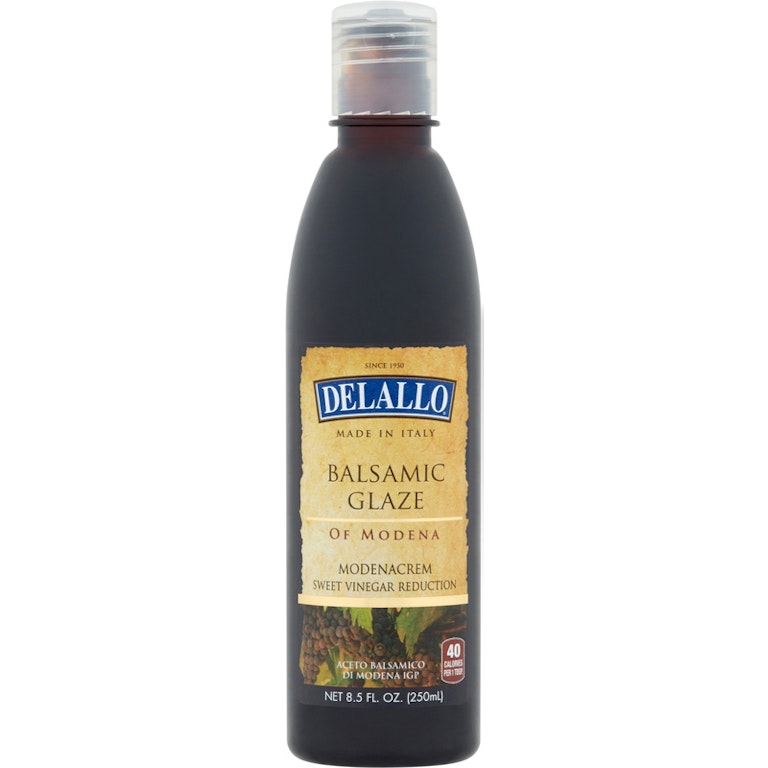
Do you ever wonder if you should refrigerate balsamic glaze? You’re not alone.
This sweet, tangy sauce can transform your dishes, but storing it the right way is key to keeping its rich flavor and perfect texture. If you’re unsure whether to keep it in the fridge or on the counter, you’re about to get clear, simple answers.
Keep reading to learn how to store your balsamic glaze so it stays fresh longer and tastes just right every time you use it.
What Is Balsamic Glaze
Balsamic glaze is a thick, sweet sauce made from balsamic vinegar. It has a rich flavor that blends sweetness and tanginess. This glaze is popular for drizzling over salads, vegetables, meats, and desserts.
The glaze is made by reducing balsamic vinegar until it thickens. Sometimes, sugar or honey is added to enhance the sweetness. The reduction process concentrates the flavors and creates a syrupy texture.
Ingredients Of Balsamic Glaze
- Balsamic vinegar
- Sugar or honey (optional)
- Water (occasionally added)
How Balsamic Glaze Is Made
Balsamic vinegar is simmered on low heat. It reduces slowly to avoid burning. The mixture thickens into a syrup-like consistency. Sweeteners are stirred in during the process.
Uses Of Balsamic Glaze
- Drizzling over salads
- Enhancing grilled meats and vegetables
- Adding flavor to fruits and desserts
- Garnishing plates for presentation

Credit: www.evolvingtable.com
Shelf Life Without Refrigeration
Understanding the shelf life of balsamic glaze without refrigeration is key to keeping your kitchen safe and your flavors intact. Balsamic glaze is a concentrated reduction of balsamic vinegar and sugar, which gives it natural preservative qualities. But how long can it last on your pantry shelf before it loses quality or becomes unsafe?
Shelf Life Expectations At Room Temperature
Unopened balsamic glaze can typically last for about 6 months to a year without refrigeration. The high acidity and sugar content slow down bacterial growth, helping preserve the glaze. However, once opened, exposure to air and moisture can shorten its lifespan significantly.
Look for changes in color, texture, and smell to determine if your glaze is still good. If the glaze becomes cloudy, thickens unusually, or develops mold, it’s time to toss it. A sour or off smell can also indicate spoilage even if the appearance seems normal.
Factors That Affect Shelf Stability
- Storage conditions:Keep the bottle tightly sealed and in a cool, dark place to maximize shelf life.
- Exposure to air:Frequent opening lets air in, which can speed up spoilage.
- Ingredients:Some balsamic glazes have added preservatives or different sugar levels, affecting how long they last.
Practical Tips For Extending Shelf Life Without Refrigeration
- Always use a clean spoon or utensil to avoid contaminating the glaze.
- Store the glaze away from heat sources like stoves or direct sunlight.
- Consider dividing large bottles into smaller containers to reduce air exposure.
Have you ever left your balsamic glaze out and wondered if it’s still safe to use? Paying attention to these details helps you enjoy your glaze without risking your health or wasting good food.
Benefits Of Refrigerating Balsamic Glaze
Refrigerating balsamic glaze can make a noticeable difference in its quality and longevity. Many people wonder if it’s necessary, but keeping it chilled offers several clear benefits. These advantages help maintain the glaze’s flavor, texture, and safety over time.
Preserves Flavor And Aroma
Keeping balsamic glaze in the fridge slows down the breakdown of its rich flavors. When left out, the glaze can lose its complex sweetness and tang more quickly. You want every drizzle to taste just as vibrant as the first time you opened the bottle.
Maintains Ideal Texture
Balsamic glaze has a thick, syrupy consistency that can change if stored improperly. Refrigeration helps keep it smooth and pourable, preventing it from becoming too runny or overly crystallized. Have you ever tried to use glaze that’s turned grainy? It’s frustrating and less enjoyable.
Extends Shelf Life
Refrigeration slows down the growth of any bacteria or mold that could spoil your glaze. Even though balsamic glaze has vinegar’s natural preservative qualities, cooler temperatures add an extra layer of protection. This means you can safely store it for months without worrying about spoilage.
Prevents Unwanted Fermentation
If balsamic glaze is kept at room temperature for too long, it might start to ferment, changing the taste and smell. Cooling it in the fridge stops this process, keeping the glaze stable and fresh. Do you want your glaze to keep its signature balance without turning sour?

Credit: www.savoryexperiments.com
How To Store Balsamic Glaze Properly
Storing balsamic glaze properly keeps its rich flavor and smooth texture intact. The right storage method extends its shelf life and prevents spoilage. Let’s look at how you can maintain your balsamic glaze’s quality with simple storage tips.
Ideal Container Types
Choose containers that protect the glaze from air and moisture. Glass bottles with airtight lids are excellent because they don’t absorb flavors or odors. Avoid plastic containers, as they can interact with the glaze and affect its taste over time.
If you have a large batch, consider dividing it into smaller glass jars for easier use and less exposure to air each time you open it. This way, you keep the glaze fresher longer.
Temperature Recommendations
Balsamic glaze doesn’t always need refrigeration, but cooler temperatures definitely help preserve its flavor. Store it in a cool, dark place like a pantry if you plan to use it within a few weeks.
If you don’t use balsamic glaze often, refrigerate it to prevent any chance of spoilage. Just be aware that refrigeration can make the glaze thicker—let it sit at room temperature for a few minutes before use to regain its smooth texture.
Avoiding Contamination
Contamination is a common reason for balsamic glaze going bad. Always use clean utensils when scooping or drizzling the glaze. Never dip food directly into the container to avoid introducing bacteria.
Consider using a small spoon or brush dedicated only for the glaze. This simple habit can keep your balsamic glaze fresh and safe for a longer time.
Signs Balsamic Glaze Has Gone Bad
Knowing when your balsamic glaze has gone bad can save you from ruining a dish or risking your health. Since balsamic glaze has a long shelf life, it’s easy to assume it lasts forever. However, it does change over time, and recognizing those changes helps you decide whether to keep or toss it.
Changes In Texture
One clear sign that your balsamic glaze is past its prime is a change in texture. If it becomes unusually thick, clumpy, or grainy, that means it’s not as smooth as it should be. Have you ever tried drizzling a glaze only to find it barely pours? That’s your cue to check the expiration date or consider replacing it.
Off Smell Or Taste
Your nose and taste buds are great tools for spotting spoilage. If the glaze smells sour, fermented, or just different from its usual sweet and tangy aroma, it’s time to toss it. Tasting a tiny bit can confirm this; a bitter or sharp aftertaste is a red flag. Why risk altering the flavor of your meal with a bad glaze?
Mold And Discoloration
Spotting mold or any unusual color changes is an immediate warning sign. Look closely at the surface and inside the bottle—white, green, or black spots mean bacteria or mold growth. Also, if the glaze turns darker or loses its shiny appearance, it may no longer be safe to use. Would you want to add visible mold to your salad or grilled veggies?

Credit: mandiofthemountains.com
Tips To Extend Balsamic Glaze Freshness
Keeping your balsamic glaze fresh and flavorful doesn’t have to be a mystery. Simple habits can make a big difference in how long your glaze stays delicious and ready to use. Let’s look at some practical tips that you can apply today to extend the life of your balsamic glaze.
Store In A Cool, Dark Place
Light and heat speed up the breakdown of balsamic glaze. Keeping your bottle away from direct sunlight or heat sources helps maintain its rich flavor. I once left a bottle near my stove, and it lost its depth of flavor within weeks. Have you noticed how kitchen placement affects your sauces?
Seal The Bottle Tightly After Use
Air exposure can cause the glaze to thicken or lose its smooth consistency. Always close the cap tightly after each use to prevent oxidation. A tight seal also stops dust or other contaminants from sneaking in.
Use Clean Utensils To Avoid Contamination
Double-dipping or using dirty spoons can introduce bacteria that spoil your glaze faster. Use a clean spoon or drizzle directly from the bottle to keep it pure. This small habit can save you from wasting a half-used bottle.
Consider Refrigeration For Long-term Storage
If you don’t use your glaze often, refrigeration can slow down spoilage. While it might thicken slightly in the fridge, letting it sit at room temperature for a few minutes before use brings back its smooth texture. Do you prefer keeping sauces ready at room temp, or do you chill them?
Check Expiry Dates And Smell Before Use
Always check the label for the best-by date and give the glaze a sniff before adding it to your dishes. Off smells or changes in texture can signal it’s time to replace your bottle. Trust your senses—they’re your best guide for freshness.
Frequently Asked Questions
Should Balsamic Glaze Be Refrigerated After Opening?
Yes, refrigerating balsamic glaze after opening is recommended. It helps maintain its quality and flavor. The cold environment slows down any potential spoilage. Ensure the lid is tightly sealed to prevent moisture and odors from affecting the taste.
How Long Does Balsamic Glaze Last In The Fridge?
Balsamic glaze lasts up to 12 months in the fridge. Ensure it’s stored in a sealed container to maintain freshness. Always check for changes in taste or appearance before use. If it smells off or looks different, it might be time to discard it.
What Happens If You Don’t Refrigerate Balsamic Glaze?
If not refrigerated, balsamic glaze may lose its flavor and thickness. Exposure to air and fluctuating temperatures can affect its quality. While it won’t spoil quickly, refrigeration helps preserve its taste and consistency for longer periods.
Can Balsamic Glaze Spoil If Refrigerated?
Balsamic glaze rarely spoils if properly refrigerated. However, improper sealing or contamination can cause spoilage. Always use a clean utensil to prevent bacteria introduction. If the glaze smells sour or has mold, it’s best to discard it.
Conclusion
Balsamic glaze stays fresh longer when stored properly. Keeping it in the fridge slows down spoilage. You can also store it in a cool, dark place if unopened. Always check the label for specific instructions. Use a clean spoon to avoid contamination.
This way, your glaze keeps its rich flavor and thick texture. Enjoy it on salads, meats, or desserts anytime. Simple care helps you get the best taste every time. No need to worry about quick spoilage now.