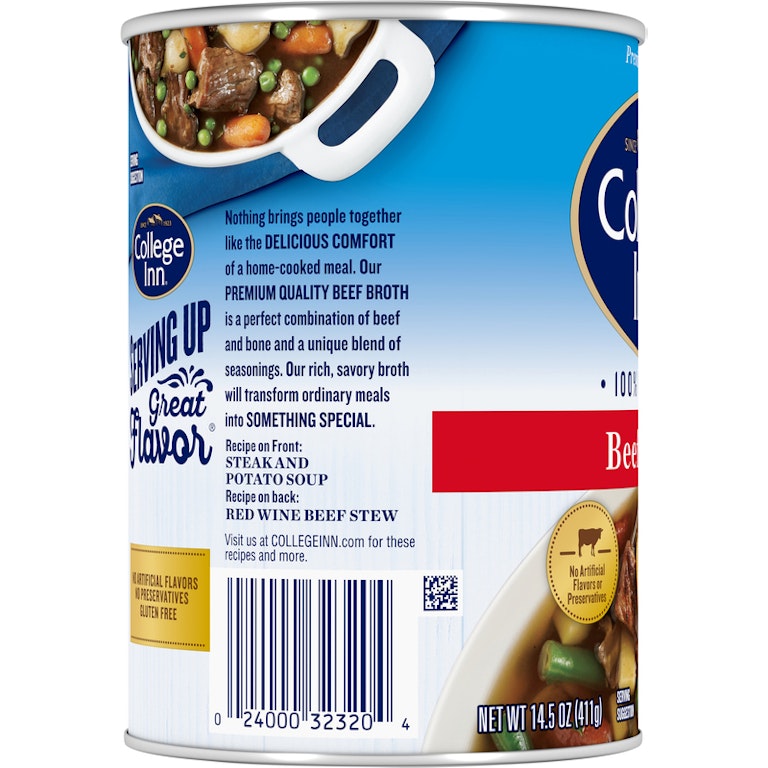
Have you ever opened a container of beef broth and wondered if you should put it in the fridge? It’s a simple question, but the answer can make a big difference for your food’s safety and taste.
You don’t want to risk wasting your broth or, worse, making yourself sick. You’ll discover exactly what to do with your beef broth after opening it, so you can keep your meals fresh and delicious every time. Keep reading to find out the best storage tips that will save you time and money.

Credit: www.gianteagle.com
Why Refrigerate Beef Broth
Beef broth is a staple in many kitchens. After opening, storing it properly is important. Refrigeration keeps the broth safe and fresh. Without cold storage, broth can spoil quickly. Understanding why refrigeration matters helps prevent waste and health risks.
Preventing Bacterial Growth
Beef broth contains nutrients that bacteria love. At room temperature, bacteria multiply fast. This growth can cause food poisoning. Refrigeration slows down bacteria. Cold temperatures keep broth safe to eat longer. Always refrigerate broth after opening to avoid illness.
Maintaining Flavor And Quality
Beef broth tastes best when fresh. Heat and air cause flavors to fade. Spoiled broth develops off smells and sour taste. Keeping it cold preserves its rich, meaty flavor. Refrigeration maintains broth’s quality for better cooking results. Use broth within a few days for best taste.
How Long To Keep Broth Refrigerated
Knowing how long to keep beef broth refrigerated helps keep it fresh and safe. Proper storage prevents bacteria growth and food waste. Broth can lose quality quickly if left out too long.
Refrigerate beef broth right after opening. Store it in a clean, airtight container. This keeps the broth flavorful and safe to use for days.
Safe Storage Timeframes
- Use refrigerated beef broth within 3 to 4 days.
- Keep broth at or below 40°F (4°C) for best freshness.
- Do not leave broth out at room temperature for more than 2 hours.
- For longer storage, freeze broth for up to 6 months.
Signs Of Spoilage
- Sour or off smell indicates spoilage.
- Cloudy or thick broth may be spoiled.
- Presence of mold or discoloration means discard immediately.
- Unusual slimy texture signals bacteria growth.
Proper Storage Methods
Beef broth should be refrigerated immediately after opening to keep it fresh. Store it in a sealed container to prevent spills and odors. Use within a few days for best taste and safety.
Proper storage methods for beef broth can make a big difference in maintaining its flavor and safety after opening. Ensuring your beef broth is stored correctly can prevent spoilage and waste. Let’s explore how you can keep your beef broth fresh and tasty with the right storage techniques.Using Airtight Containers
Once you’ve opened your beef broth, transferring it to an airtight container is essential. The original packaging might not reseal properly, leading to contamination and a shorter shelf life. Using a glass jar or a BPA-free plastic container with a tight-fitting lid will keep air and other contaminants out. This simple step can extend the life of your broth significantly.Ideal Refrigerator Temperature
Storing your beef broth at the correct temperature is crucial. Your refrigerator should be set at 40°F (4°C) or lower to keep the broth safe and fresh. A quick tip: place the broth on a middle shelf rather than the door. The door tends to have more temperature fluctuations, which can affect the broth’s quality. Ever found yourself sniffing the broth to decide if it’s still good? Proper storage can save you from that uncertainty. Keeping your broth in the right conditions ensures that it remains safe and delicious for your next culinary adventure. Have you ever considered how a small change in storage could save you from tossing out good food? It’s all about the details, and now you’re equipped to handle them like a pro.
Credit: www.gianteagle.com
Freezing Beef Broth
Freezing beef broth is a smart way to extend its shelf life and keep it fresh for your future meals. If you find yourself with leftover broth or want to buy in bulk, freezing can save you time and reduce waste. Let’s look at the best moments to freeze and how to thaw it properly to maintain its flavor and quality.
When To Freeze
You should freeze beef broth as soon as you realize you won’t use it within a few days. After opening, broth can last in the fridge for about 3 to 4 days. If you don’t plan to cook with it during this time, freezing is your best option.
Freeze the broth while it’s still fresh—don’t wait until it starts to smell or taste off. Pour it into airtight containers or freezer bags, leaving some space for expansion. Label each container with the date so you can keep track of how long it has been frozen.
Thawing Tips
Thaw your beef broth safely by moving it from the freezer to the refrigerator a day before you plan to use it. This slow thaw helps maintain the broth’s texture and flavor. Avoid thawing at room temperature to prevent bacteria growth.
If you’re in a rush, you can thaw the broth in a sealed bag submerged in cold water, changing the water every 30 minutes. Another quick option is to thaw it directly in a pot on low heat, stirring occasionally until fully melted.
After thawing, give the broth a sniff and taste test before cooking. If it smells sour or off, it’s better to discard it. Have you ever tried freezing broth in ice cube trays for easy portioning? It’s a great trick for adding small amounts to recipes without wasting any broth.
Tips For Reheating Broth
Reheating beef broth might seem straightforward, but doing it right can make all the difference in taste and safety. Whether you’re warming up leftover broth for a quick soup or a recipe, knowing the best reheating tips helps keep the flavor rich and the broth safe to consume.
Safe Heating Practices
Always heat your beef broth until it reaches a rolling boil. This ensures any harmful bacteria are killed, especially if the broth has been refrigerated for a few days.
Use a pot on the stove instead of a microwave when possible. Stovetop heating lets you control the temperature better and avoid uneven heating.
If you must use a microwave, stir the broth every 30 seconds. This prevents cold spots where bacteria could survive.
Never leave broth sitting out at room temperature for more than two hours before reheating. This simple rule keeps you safe from foodborne illnesses.
Retaining Flavor
Heat your broth slowly over medium heat to keep the flavors intact. Rapid boiling can sometimes make the broth taste flat or overly salty.
Add a splash of fresh water if the broth tastes too concentrated after reheating. This balances the flavor without diluting it too much.
Try adding fresh herbs or a pinch of salt after reheating to brighten the taste. This little touch can make your broth taste like it was just made.
Have you noticed a difference in broth flavor when reheating it slowly versus quickly? Your taste buds might be the best guide here.
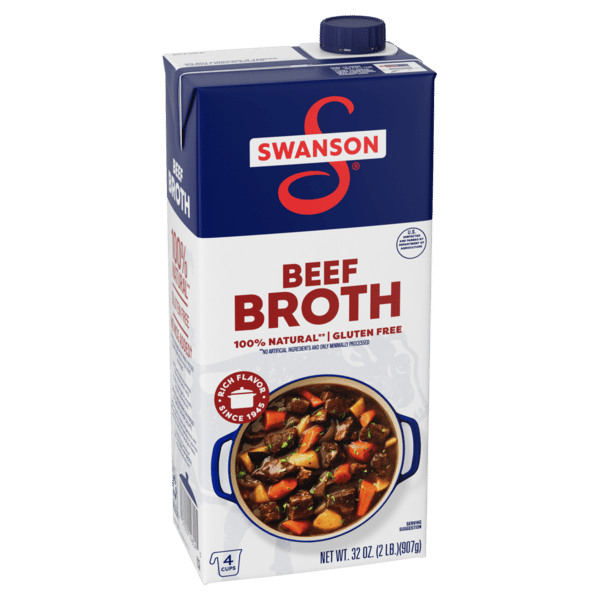
Credit: www.hy-vee.com
Frequently Asked Questions
Do You Need To Refrigerate Beef Broth After Opening?
Yes, always refrigerate beef broth after opening to prevent bacteria growth. Store it in an airtight container and use within 4-5 days for best quality and safety.
How Long Does Opened Beef Broth Last In The Fridge?
Opened beef broth lasts about 4 to 5 days in the refrigerator. Keep it sealed and check for any off smells or changes before use.
Can You Freeze Beef Broth After Opening?
Yes, you can freeze opened beef broth to extend its shelf life. Use freezer-safe containers and consume within 2 to 3 months for optimal flavor.
Is It Safe To Leave Beef Broth Out Overnight?
No, leaving beef broth out overnight risks bacterial contamination. Refrigerate it within 2 hours of opening to keep it safe to consume.
Conclusion
Beef broth stays fresh longer when stored in the fridge. Always seal the container tightly to keep air out. Use the broth within a few days for best taste and safety. Avoid leaving it out at room temperature for too long.
Proper storage helps prevent spoilage and keeps flavors good. Remember, cold storage is key to enjoying your beef broth safely. Simple steps can save your broth and prevent waste. Keep your kitchen habits smart and your meals tasty.