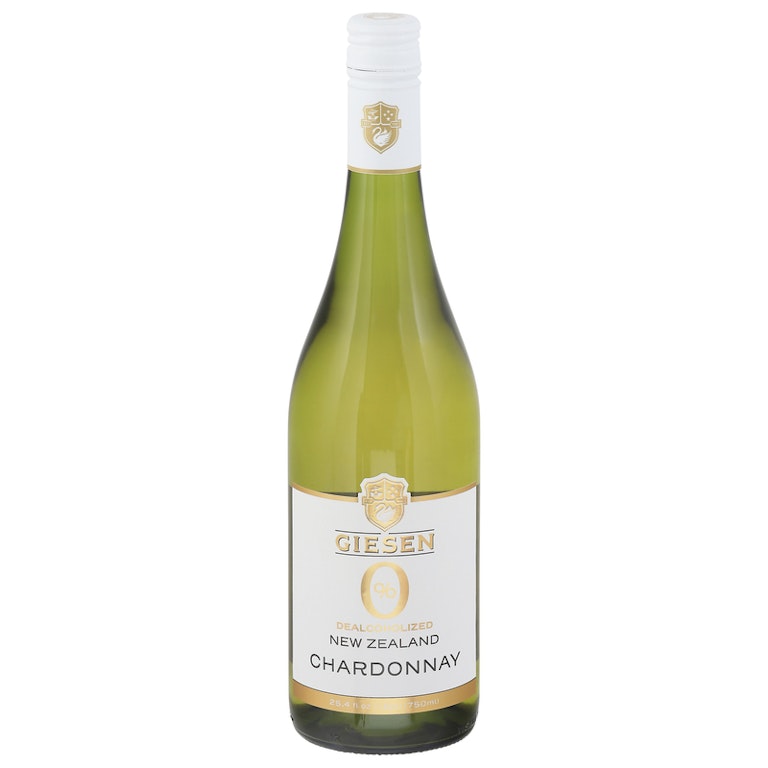
Are you wondering whether you should refrigerate your Chardonnay? You’re not alone.
Getting the temperature right can make a huge difference in how your wine tastes. Too warm, and it might lose its crispness; too cold, and the flavors might get muted. If you want to enjoy every sip and impress your friends at your next gathering, understanding the best way to chill your Chardonnay is key.
Keep reading, and you’ll learn exactly how to store and serve your wine for the perfect glass every time.

Credit: www.gianteagle.com
Chardonnay Basics
Chardonnay is one of the world’s most popular white wines. It comes from the Chardonnay grape, grown in many wine regions. This wine offers a wide range of flavors and styles. Understanding its basics helps enjoy it more fully. Let’s explore what makes Chardonnay special.
Key Characteristics
- Color: Pale gold to deep yellow
- Aroma: Notes of apple, pear, and citrus
- Flavor: Can range from crisp and light to rich and buttery
- Body: Medium to full-bodied
- Acidity: Moderate, giving a fresh taste
- Oak influence: Often aged in oak barrels, adding vanilla and spice
Common Styles
- Unoaked Chardonnay: Crisp, fresh, with fruity flavors
- Oaked Chardonnay: Creamy texture, with vanilla and toast notes
- Chablis: A French style, lean and mineral-driven
- New World Chardonnay: Riper fruit flavors, often buttery and rich
- Sparkling Chardonnay: Used in many sparkling wines like Champagne

Credit: www.giesenwines.com
Ideal Storage Conditions
Storing Chardonnay properly keeps its flavor fresh and vibrant. Ideal storage conditions help protect the wine from damage. Temperature, humidity, and light are key factors. Each plays a role in preserving the wine’s quality over time.
Temperature Guidelines
Chardonnay should be stored at a cool, consistent temperature. The ideal range is between 45°F and 55°F (7°C to 13°C). Avoid sudden temperature changes, which can spoil the wine. Room temperature, around 68°F, is too warm for long-term storage. Too cold can also harm the wine’s flavors. A wine fridge or cellar works best.
Humidity And Light
Humidity levels should stay between 50% and 70%. This prevents corks from drying out and stops air from entering the bottle. Too much humidity can cause mold, so balance is important. Keep Chardonnay away from direct sunlight and bright lights. UV rays can break down the wine’s taste and color. Dark, cool places are perfect for storage.
When To Refrigerate Chardonnay
Chardonnay tastes best when chilled but not too cold. Refrigerate it for about two hours before serving. Keep opened bottles in the fridge to maintain freshness.
Understanding the best time to refrigerate Chardonnay can enhance your wine experience immensely. It’s not just about keeping it cold; it’s about preserving its flavors and aromas to perfection. Whether you’re a seasoned wine enthusiast or just beginning your journey into the world of wines, knowing when to pop that bottle in the fridge is key.Before Opening
Before you open a bottle of Chardonnay, consider the temperature it has been stored at. Chardonnay should ideally be chilled to around 50°F (10°C) before serving. If your wine is at room temperature, refrigerate it for about two hours prior to enjoying it. Some wine lovers suggest storing unopened bottles in a wine fridge to maintain a consistent temperature. This can keep the wine at its best until you’re ready to enjoy it. Have you ever opened a bottle only to find it wasn’t as delightful as expected? It might be due to incorrect storage.After Opening
Once you’ve opened your Chardonnay, refrigeration becomes even more crucial. Oxygen exposure can alter the wine’s taste. To prolong its life, reseal the bottle with a wine stopper and refrigerate it immediately. An opened Chardonnay can typically last for about 3-5 days in the fridge. Beyond this, you might notice a decline in its freshness and vibrancy. Do you often find yourself pouring out unfinished bottles? Proper refrigeration could be the game-changer you need. Remember, the colder environment helps slow down the oxidation process. This means you get to savor every last drop of your Chardonnay without the worry of it going bad too soon.Serving Temperature Tips
Getting the serving temperature right can make a big difference when enjoying Chardonnay. The wine’s flavors and aromas shift depending on how cold or warm it is. Understanding how to serve Chardonnay at its best can enhance your tasting experience and impress your guests.
Chilled Vs. Room Temperature
Chardonnay is often served chilled, but how cold should it be? Ideally, aim for 50-55°F (10-13°C). This range highlights the wine’s crisp acidity and fresh fruit notes without dulling its complexity.
Serving Chardonnay too cold, like straight from the fridge, can mask subtle flavors and aromas. On the other hand, room temperature (around 68°F or 20°C) can make the wine taste flat or overly alcoholic. Have you ever wondered why some wines taste different depending on the season? Temperature plays a crucial role.
Adjusting Temperature Quickly
Sometimes you need to cool your Chardonnay fast or bring it up to the right temperature quickly. Here are some practical tips:
- To chill quickly, wrap the bottle in a damp cloth and place it in the freezer for 15-20 minutes.
- If the wine is too cold, pour it into a glass and let it sit for 10 minutes to warm up slightly.
- Using an ice bucket filled with ice and water cools the bottle evenly and faster than just ice alone.
Trying these methods can save you from serving wine that’s too cold or too warm. How often do you adjust your wine’s temperature before pouring? It’s a small step that can transform your enjoyment.
Effects Of Improper Storage
Storing Chardonnay the wrong way can change your entire drinking experience. If you don’t refrigerate or keep it in proper conditions, the wine’s taste and smell can suffer a lot. You might open a bottle expecting crisp, fresh flavors but find something dull or off instead.
Flavor Changes
Chardonnay is sensitive to temperature swings. When it’s stored too warm or left out for too long, the flavors start to fade or turn flat.
You may notice the bright fruitiness replaced by a dull, almost sour taste. Sometimes, the buttery notes that make Chardonnay special can become overpowering or even unpleasant.
Have you ever tasted a wine that felt “off” without knowing why? Chances are, improper storage played a role.
Aroma Impact
The aroma of Chardonnay is one of its highlights, but it’s also easily affected by poor storage. Heat or exposure to air can cause the fresh, floral scents to weaken or disappear.
Instead of crisp apple or tropical fruit aromas, you might detect musty or cooked smells. This shift can make the wine less enjoyable and less appealing when you pour a glass.
Think about the last time you opened a bottle and the smell didn’t excite you. How much did that affect your overall experience?

Credit: www.gianteagle.com
Storing Chardonnay Long-term
Storing Chardonnay for the long term means thinking beyond just chilling your bottle before a dinner party. Proper storage preserves the wine’s flavor, aroma, and balance as it ages. Without the right conditions, your carefully chosen Chardonnay might lose its charm or spoil prematurely.
Wine Cellar Options
Investing in a wine cellar or cooler is one of the best ways to store Chardonnay long-term. These units keep your wine at a steady temperature, usually between 50-55°F (10-13°C), which is ideal for aging white wines.
Humidity control is another benefit of a wine cellar, preventing corks from drying out and air from sneaking in. If a full cellar is not feasible, a wine fridge designed specifically for white wines can be a great alternative.
Have you ever noticed how a fluctuating temperature can turn a promising bottle flat? That’s why consistency matters in wine storage.
Avoiding Common Mistakes
Many people make the mistake of storing Chardonnay in a regular kitchen fridge for months. This environment is too cold and dry for long-term storage, which can kill the wine’s delicate flavors.
Another common error is exposing the wine to light and vibrations. Both can damage the wine by breaking down its molecular structure and disturbing sediment.
Keep your Chardonnay bottles on their side if they have corks. This keeps the cork moist, preventing it from shrinking and letting air in.
- Never store wine near heat sources like ovens or radiators.
- Don’t store wine upright for extended periods if it has a cork closure.
- Avoid sudden temperature changes to maintain wine quality.
What’s your current wine storage setup? It might be worth tweaking to protect your favorite bottles better.
Pairing Chardonnay With Food
Chardonnay pairs beautifully with many dishes. Its rich, buttery taste and crisp acidity make it a versatile choice. This wine can complement both light and bold flavors. Serving Chardonnay with the right food enhances your dining experience. Understanding which foods match well helps you enjoy every sip.
Best Food Matches
- Grilled chicken or turkey
- Seafood like lobster, crab, and shrimp
- Rich pasta dishes with creamy sauces
- Soft cheeses such as Brie and Camembert
- Roasted vegetables, especially squash and mushrooms
- Lightly spiced dishes with herbs like thyme or tarragon
Enhancing Flavor Profiles
Chardonnay’s buttery notes highlight creamy dishes well. The wine’s acidity cuts through rich sauces and fatty meats. Fruit flavors in Chardonnay brighten seafood and chicken recipes. Oak-aged Chardonnays bring vanilla and toast hints. These match baked or grilled foods perfectly.
Serving Chardonnay slightly chilled sharpens its fresh taste. This temperature balance keeps the flavors lively. It also refreshes the palate between bites. Experiment with different foods to find your favorite pairing. A good match makes both the wine and food taste better.
Expert Tips For Serving
Serving Chardonnay properly brings out its best flavors and aromas. Small details in presentation change the drinking experience. Follow expert tips to enjoy this wine at its finest.
Glassware Selection
Choose a glass with a wide bowl for Chardonnay. This shape allows air to touch the wine. It helps release fruity and buttery scents. A tulip-shaped glass also works well. Avoid narrow glasses that limit aroma. Use clear glass to watch the wine’s color and clarity.
Pouring Techniques
Pour slowly to avoid splashing and bubbles. Fill the glass only one-third full. This gives space for the wine to breathe. Hold the bottle at the base or neck for control. Turn the bottle slightly at the end to stop drips. Let the wine settle a moment before tasting.
Frequently Asked Questions
Should Chardonnay Be Refrigerated Before Serving?
Yes, refrigerate Chardonnay before serving to enhance its crisp flavors. Chill it for about 2 hours at 45-50°F. This temperature balances acidity and fruitiness, making the wine more enjoyable and refreshing.
How Long Can Chardonnay Stay In The Fridge?
Unopened Chardonnay can stay in the fridge for several months. Once opened, consume within 3-5 days for best taste. Store it tightly sealed to maintain freshness and prevent oxidation.
Can Refrigeration Affect Chardonnay’s Flavor?
Refrigeration preserves Chardonnay’s fresh, fruity flavors and crisp acidity. However, over-chilling can mute aromas and dull the taste. Serve slightly chilled, not ice-cold, to enjoy its full character.
Is It Necessary To Refrigerate Chardonnay After Opening?
Yes, refrigerate Chardonnay after opening to slow oxidation. Keep the bottle sealed with a cork or stopper. This helps maintain flavor and freshness for several days.
Conclusion
Chardonnay tastes best when served cool but not too cold. Keep it in the fridge for a few hours before drinking. Avoid freezing or storing it too long in cold. A slightly chilled glass helps bring out fresh flavors. Enjoy your wine the right way to get the best taste.
Simple steps make a big difference for your Chardonnay experience. Try it chilled and see how much better it feels. Wine drinking can be easy and fun with the right care.