
Have you ever stood in your kitchen, holding a bag of clementines, and wondered whether they belong in your refrigerator? You’re not alone.
This tiny citrus fruit, bursting with juicy sweetness, often leaves people puzzled about the best way to store them. Should you pop them in the fridge, or will they thrive just fine on your countertop? It’s a simple question, but getting it right can make all the difference between enjoying a delicious snack and ending up with a mushy disappointment.
We’ll unravel the mystery and give you the straight answer, helping you keep your clementines as fresh and tasty as possible. Keep reading, and you’ll discover the secret to enjoying every bite of your citrus delight.

Credit: thewildepicurean.com
Clementine Shelf Life
Clementines are a delightful, sweet treat that many enjoy year-round. But how long can you expect them to stay fresh? Understanding the shelf life of clementines helps you avoid waste and enjoy their juicy flavor at its best.
Freshness Without Refrigeration
You might wonder if leaving clementines out on the counter is enough to keep them fresh. Typically, clementines last about one week at room temperature if kept in a cool, dry place away from direct sunlight. Storing them in a fruit bowl is convenient, but make sure the space has good air circulation to prevent moisture buildup.
From my experience, clementines on the kitchen counter tend to dry out faster if the room is warm. If you want to enjoy their natural juiciness, keep an eye on the environment—too much heat or humidity speeds up spoilage.
Signs Of Spoilage
How can you tell when a clementine has gone bad? Look for soft spots, mold, or an off smell. The peel may also turn dull or shriveled, signaling it’s time to toss the fruit.
Sometimes, the fruit inside feels dry or less juicy, even if the skin looks okay. Don’t ignore this subtle sign—taste is the final test. If the flavor is sour or fermented, discard it immediately to avoid any risk.
Benefits Of Refrigerating Clementines
Refrigerating clementines offers clear advantages that many people overlook. It’s not just about keeping them cold; it’s about preserving their quality and taste for longer. If you want your clementines to stay fresh and delicious, storing them properly in the fridge can make a noticeable difference.
Extending Freshness
Keeping clementines in the refrigerator slows down the ripening process. This means they don’t spoil as quickly, allowing you to enjoy them over several days or even weeks.
Have you ever bought a batch of clementines only to find some turning soft or moldy within a few days? Refrigeration helps prevent that by maintaining a consistent, cool temperature. This reduces the chance of spoilage caused by heat and humidity.
Maintaining Flavor And Texture
The cold environment of a fridge helps preserve the bright, tangy flavor of clementines. Without refrigeration, the fruit can lose its juiciness and become dry or mealy.
When you store clementines in the fridge, the peel remains firm and the segments inside stay juicy. This means each bite is just as satisfying as when you first bought them. Wouldn’t you agree that a fresh, flavorful clementine makes a perfect snack?
Best Storage Practices
Proper storage keeps clementines fresh and juicy for longer. Knowing the right temperature and humidity helps maintain their flavor and texture. Using the right containers or wrapping can protect clementines from drying out or spoiling. Follow these tips for the best storage results.
Ideal Temperature And Humidity
Clementines stay fresh best at cool temperatures between 45°F and 48°F (7°C to 9°C). Higher temperatures cause quick spoilage. Lower temperatures near freezing can damage the fruit’s skin and texture.
Humidity levels should be moderate, around 85-90%. Too much moisture can cause mold. Too little moisture makes the fruit dry and shriveled. Keep clementines in a cool, slightly humid place for optimal freshness.
Storage Containers And Wrapping
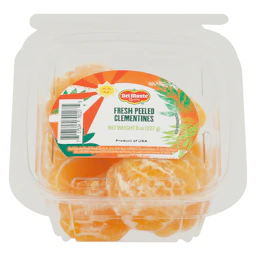
Use breathable containers to store clementines. Mesh bags or perforated plastic bags work well. These allow air circulation and reduce moisture build-up.
Avoid airtight containers as they trap moisture and lead to rot. Wrapping clementines in paper towels or cloth can absorb excess moisture. Store wrapped fruit in the refrigerator crisper drawer for the best environment.
Credit: www.gianteagle.com
Common Mistakes To Avoid
Knowing how to store clementines properly can extend their freshness. Avoid mistakes that cause early spoilage and loss of flavor. Many people make common errors that affect the fruit’s quality. Simple changes in storage habits keep clementines tasty and juicy longer.
Overcrowding And Moisture Issues
Overcrowding clementines blocks air circulation. This traps moisture and speeds up decay. Moisture buildup causes mold and soft spots. Store clementines in a single layer if possible. Use a breathable container or mesh bag. Wipe off any wetness before refrigerating. Dry fruit lasts longer and stays firm.
Storing Near Ethylene-producing Fruits
Fruits like apples and bananas release ethylene gas. This gas makes clementines ripen too fast. Fast ripening leads to quick spoilage. Keep clementines away from ethylene producers. Store them in a separate drawer or container. This slows down ripening and keeps fruit fresh. Proper separation preserves taste and texture.
Tips For Enjoying Clementines At Their Best
Clementines are a delicious and convenient snack, but enjoying them at their best requires a bit of attention to how you serve and store them. Small changes in temperature and preparation can make a big difference in taste and texture. Here are some practical tips to help you enjoy the full burst of flavor from your clementines every time.
Optimal Serving Temperature
Clementines taste best when they are slightly chilled but not too cold. Storing them in the fridge keeps them fresh longer, but serving them straight from the refrigerator can mute their natural sweetness.
Try taking your clementines out of the fridge about 15-20 minutes before eating. This brief warming allows their sugars and juices to become more pronounced. Have you noticed how a cold fruit sometimes feels bland? A little warmth can bring out the vibrant citrus flavor you’re craving.
Quick Freshening Techniques
If your clementines have been sitting out too long and seem a bit dull, there are easy ways to revive them quickly. Rinsing them under cool water and then drying thoroughly can refresh their peel and boost aroma.
Another trick is to roll the clementine firmly on a countertop before peeling. This breaks down the membranes inside, making the fruit juicier and easier to separate. Have you ever tried this simple step? It can make your snack feel like it’s just been picked fresh from the tree.

Credit: www.jessicaruthshepard.com
Frequently Asked Questions
Do Clementines Need Refrigeration To Stay Fresh?
Yes, refrigerating clementines helps maintain their freshness longer. Keep them in a cool, dry place or the fridge for up to two weeks.
Can You Store Clementines At Room Temperature?
Clementines can be stored at room temperature for about a week. After that, refrigeration is better to prevent spoilage and mold growth.
How Does Refrigeration Affect Clementines Taste?
Refrigeration preserves clementines’ juiciness and flavor. Cold storage slows down ripening, keeping them sweet and fresh for longer periods.
Should Clementines Be Kept In A Plastic Bag?
It’s best to store clementines in a breathable bag or container. This prevents moisture buildup, which can cause mold and spoilage in the fridge.
Conclusion
Clementines stay fresh longer when stored in the fridge. Cold slows down spoilage and keeps fruit juicy. Keep them in a ventilated bag or container. Avoid moisture to prevent mold growth. Room temperature storage works short-term but shortens freshness. Choose a cool, dry spot if you don’t refrigerate.
Enjoy sweet, tasty clementines anytime by storing them right. Simple steps make a big difference in fruit quality. Save money by reducing waste with proper storage. Fresh clementines are always a healthy and delicious snack.