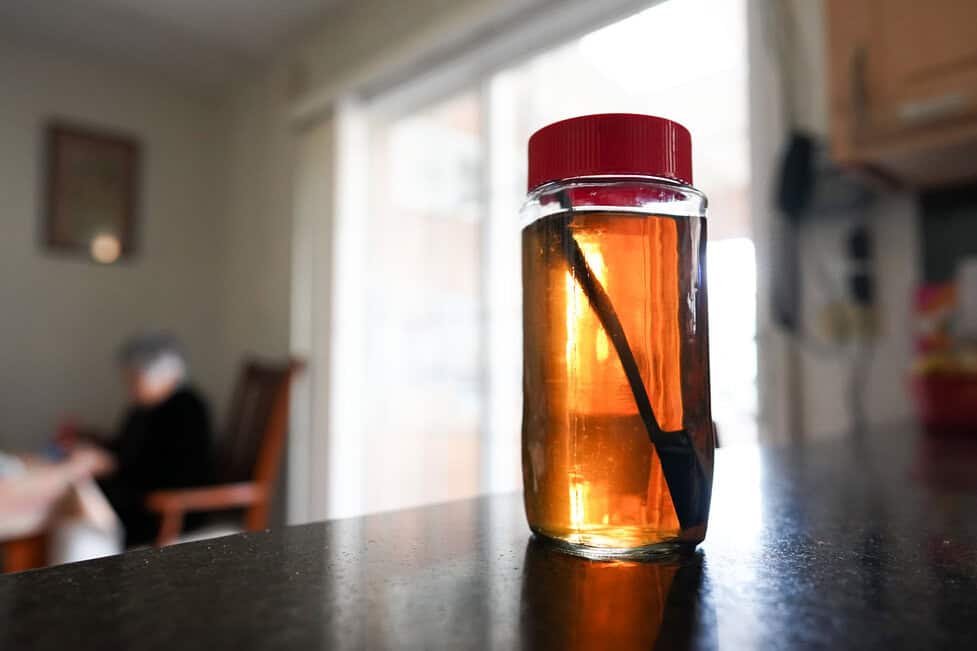
Have you ever found yourself standing in the kitchen, holding that bottle of fish sauce, and wondering if it belongs in the fridge or the pantry after opening? You’re not alone.
This tiny bottle, packed with flavor, raises a common kitchen conundrum. Storing it the wrong way could change its taste and quality, impacting your favorite dishes. So, should you refrigerate fish sauce after opening it? Let’s dive into this often overlooked yet crucial question.
Discover the answer and ensure your culinary creations stay as delightful as intended. Keep reading to unravel the mystery and make sure you’re treating your fish sauce right.

Credit: sameday.costco.com
Shelf Life Of Fish Sauce
Understanding the shelf life of fish sauce is key to keeping your kitchen safe and your dishes flavorful. This pungent condiment is a staple in many recipes, but how long can you rely on it after opening? Let’s break down how storage affects its longevity and what to watch for to avoid using spoiled sauce.
Unopened Vs Opened Duration
Unopened fish sauce can last quite a long time—typically up to two years—thanks to its high salt content, which acts as a natural preservative. You can usually keep it in your pantry, away from direct sunlight, without worry. However, once opened, the clock changes.
After opening, fish sauce should ideally be refrigerated. In the fridge, it can stay good for about 6 to 12 months. At room temperature, its quality will decline faster, often within a few months. Have you ever noticed a difference in taste when using old fish sauce? That’s a sign it’s time to check its freshness.
Signs Of Spoilage
Fish sauce is pretty resilient, but it can spoil. Keep an eye out for changes in color, odor, and texture. If the sauce darkens significantly or develops a cloudy appearance, it’s a red flag.
Another sign is an off or sour smell different from its usual salty, fishy aroma. Also, if you see mold or unusual particles floating, don’t take a risk—discard it immediately. Your taste buds will thank you for avoiding spoiled fish sauce.
Refrigeration Benefits
Refrigerating fish sauce after opening offers several key benefits that help keep your bottle fresh and safe to use. It’s not just about following storage rules; it’s about maintaining the quality and taste you expect every time you reach for that umami-rich splash. Let’s look closely at why refrigeration matters.
Preserving Flavor
Fish sauce has a strong, distinct flavor that can change if not stored properly. Keeping it in the fridge slows down chemical reactions that cause the sauce to lose its original taste. Have you ever noticed a fish sauce bottle that smells off or tastes weaker after a few weeks? That’s a sign it wasn’t stored right.
Cold temperatures help retain the sharp, salty, and savory notes you love. So, if you want your dishes to shine with that authentic punch, refrigeration can make a real difference.
Preventing Contamination
Opened fish sauce is exposed to air and potential contaminants like dust or bacteria. Storing it at room temperature increases the risk of unwanted microbes growing, especially in humid climates. Refrigeration acts as a simple barrier to slow down this process, keeping your sauce safer for longer.
Think about how you store other condiments like soy sauce or vinegar—they’re often refrigerated to avoid spoilage. Fish sauce, despite its high salt content, benefits from the same care. Are you ready to protect your sauce and your health by just popping it in the fridge?
When To Refrigerate Fish Sauce
Knowing when to refrigerate fish sauce helps keep it fresh longer. Fish sauce is a fermented product that resists spoiling. Yet, storage depends on how often you use it and your local climate. Proper storage prevents flavor loss and unwanted changes.
Based On Usage Frequency
Use fish sauce regularly? Keeping it at room temperature is usually fine. The high salt content protects it from bacteria. For occasional use, refrigeration is better. It slows down any changes in taste and color. This helps maintain quality until the next use.
Climate Considerations
Hot and humid climates speed up spoilage. In these conditions, refrigeration is a safer choice. Cool and dry climates allow room temperature storage. Avoid direct sunlight and heat near the fish sauce bottle. This keeps the sauce stable and tasty for longer.
Proper Storage Methods
Proper storage methods are key to keeping your fish sauce fresh and flavorful after opening. How you seal it and where you place it in your fridge can make a big difference. Let’s look at how to protect your sauce from spoiling and preserve its unique taste.
Sealing And Container Choices
Always make sure the fish sauce bottle is tightly sealed after each use. Air exposure speeds up oxidation, which can dull the flavor and cause off smells.
If the original container isn’t airtight, transfer the sauce to a clean glass jar with a secure lid. Glass is non-reactive, so it won’t affect the sauce’s taste or quality.
Consider wiping the bottle’s rim before sealing to remove any residue that might attract mold or bacteria. Small habits like this extend the life of your fish sauce significantly.
Ideal Location In The Fridge
Place your fish sauce in the main compartment of the fridge rather than the door. The door experiences frequent temperature changes, which can degrade the sauce faster.
Keep it away from strong-smelling foods like onions or garlic to avoid flavor contamination. A spot on a middle shelf in an airtight container is usually best.
Have you noticed how some bottles last longer in your fridge? It often comes down to location and consistent cold temperature. Try experimenting with different spots to find what works best for your kitchen setup.
Common Myths About Fish Sauce Storage
Fish sauce is a staple in many kitchens worldwide. Many people have questions about how to store it properly. Several myths surround fish sauce storage. These myths can confuse users about whether to refrigerate fish sauce after opening.
Understanding these myths helps keep fish sauce fresh and safe. It also preserves its unique flavor and aroma. Let’s clear up some common misunderstandings about storing fish sauce.
Fish Sauce Spoils Quickly Without Refrigeration
Many believe fish sauce goes bad fast if not refrigerated. Actually, fish sauce is fermented and salty. These qualities naturally prevent quick spoilage. Leaving it in a cool, dark place can keep it safe for months.
Fish Sauce Loses Flavor If Refrigerated
Some say refrigeration dulls fish sauce flavor. In reality, cold storage slows down chemical changes. This helps maintain the original taste longer. The flavor remains strong even after refrigeration.
Fish Sauce Needs To Be Used Within Days After Opening
There is a myth that fish sauce must be used quickly. The truth is it has a long shelf life. Properly stored fish sauce can last for a year or more. Check for off smells or unusual colors to be sure.
Clear Fish Sauce Bottles Indicate Freshness
People think clear bottles mean fresher fish sauce. The bottle’s clarity does not affect freshness. Look at the production date and storage conditions instead. Clear or dark bottles both keep fish sauce well.
Fish Sauce Should Be Stored Away From Light
Light exposure is thought to ruin fish sauce. While direct sunlight can affect quality, normal kitchen lighting is fine. Keep fish sauce in a cupboard or pantry. This simple step protects the sauce without refrigeration.

Credit: www.yahoo.com
Tips For Extending Fish Sauce Freshness
Fish sauce adds rich flavor to many dishes. Keeping it fresh after opening helps maintain its taste and quality. Proper storage and handling play key roles in extending its shelf life. Follow these simple tips to keep fish sauce fresh for longer.
Avoiding Cross-contamination
Use clean utensils every time you scoop fish sauce. Avoid dipping food directly into the bottle. This stops bacteria or crumbs from entering and spoiling the sauce. Wipe the bottle’s rim after use to remove residue. Keep the cap tightly closed to protect the sauce from dirt and air.
Temperature Consistency
Store fish sauce in a cool, dark place if unopened. After opening, refrigeration slows down spoilage and preserves flavor. Avoid frequent temperature changes, which can cause condensation inside the bottle. Keep it away from heat sources like stoves or sunlight. A steady cold temperature helps maintain freshness and quality.

Credit: deslyfoods.com
Frequently Asked Questions
Do You Need To Refrigerate Fish Sauce After Opening?
Yes, refrigerating fish sauce after opening is recommended. It preserves flavor and extends shelf life. Room temperature storage can cause spoilage and off-flavors over time.
How Long Does Fish Sauce Last Once Opened?
Opened fish sauce lasts 6 to 12 months refrigerated. Unopened bottles can last up to 2 years. Proper storage keeps it fresh and safe to use.
Can Fish Sauce Spoil If Not Refrigerated?
Fish sauce can spoil without refrigeration. Exposure to heat and air speeds up fermentation and quality loss. Refrigeration slows this process, maintaining taste and safety.
Does Refrigeration Change Fish Sauce Flavor?
Refrigeration slightly mellows fish sauce flavor but retains its umami taste. It prevents sour or off-flavors that develop at room temperature. This keeps your dishes tasting fresh.
Conclusion
Fish sauce keeps its flavor longer when stored in the fridge. Cold slows down changes and keeps it fresh. Always close the bottle tightly after use. This stops air from spoiling the sauce. You can keep it outside, but the taste may change faster.
For best results, refrigeration is a smart choice. Enjoy your cooking with fresh, tasty fish sauce every time. Simple steps protect your sauce and your meals. Easy to do, and worth it!