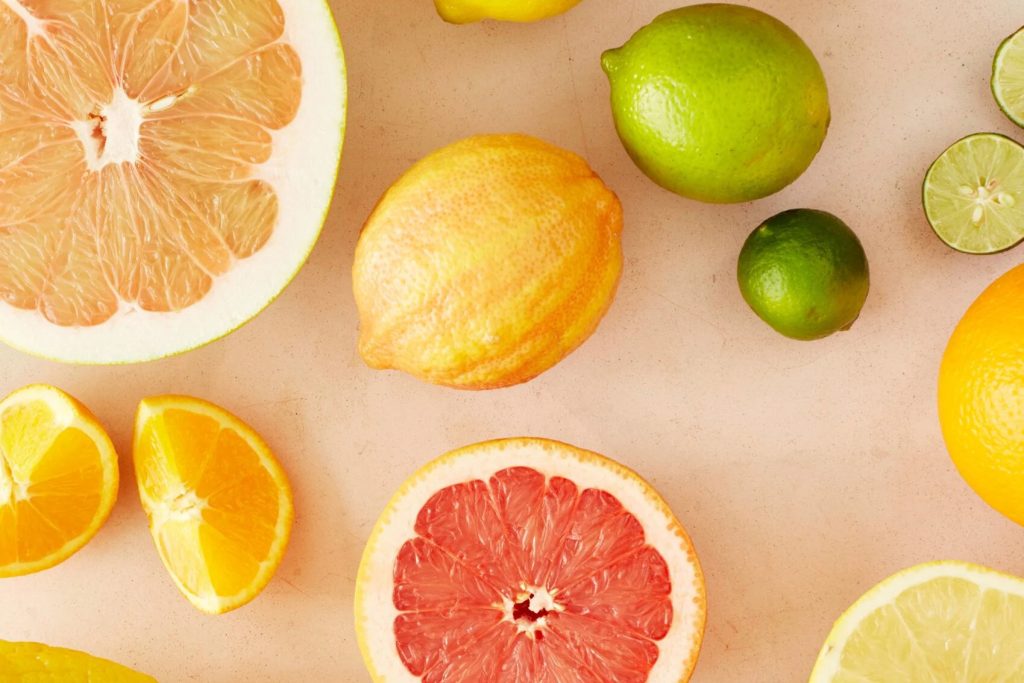
Are you unsure whether you should refrigerate your grapefruit or leave it on the counter? This small choice can make a big difference in how fresh and juicy your fruit stays.
You want to enjoy that perfect burst of flavor every time, right? Keep reading, and you’ll discover the simple secrets to storing grapefruit the right way—so your fruit lasts longer and tastes better every time you eat it. Don’t miss out on these easy tips that can save you money and boost your fruit’s freshness!

Credit: bastecutfold.com
Grapefruit Shelf Life
Understanding the shelf life of grapefruit helps you enjoy its freshness longer and avoid waste. How long grapefruit stays good depends a lot on how you store it. Let’s look at the differences between keeping grapefruit at room temperature versus refrigeration.
Room Temperature Storage
Grapefruit stored at room temperature usually lasts about 3 to 5 days. If you keep it on your kitchen counter, make sure it’s away from direct sunlight and heat sources. Warmer conditions speed up spoilage, so check your fruit daily for soft spots or mold.
One time, I left a grapefruit out for a week, thinking it would be fine. It ended up shriveling and tasting bitter. Have you ever noticed how quickly citrus can lose its juiciness if left out too long?
Refrigeration Benefits
Refrigerating grapefruit can extend its shelf life up to 2 to 3 weeks. The cool temperature slows down the ripening process and keeps the fruit firm and juicy. Store grapefruit in the crisper drawer or a perforated plastic bag to maintain humidity without trapping excess moisture.
Keeping grapefruit chilled also helps preserve its vibrant flavor and nutritional value. If you buy grapefruit in bulk, refrigeration is the best way to keep your fruit fresh and ready to eat for longer periods. Would you try storing your grapefruit in the fridge to cut down on food waste?

Credit: bastecutfold.com
When To Refrigerate Grapefruit
Knowing when to refrigerate grapefruit helps keep it fresh and tasty longer. Grapefruit can stay good at room temperature for a short time. But proper storage depends on its ripeness and condition.
Refrigeration slows down spoilage and keeps the fruit juicy. Knowing the right time to refrigerate avoids waste and saves money. Let’s explore key signs to decide if grapefruit needs cooling.
Ripe Vs Unripe Fruit
Ripe grapefruit feels heavy and slightly soft. It has a bright, smooth skin. These fruits can last longer if refrigerated. Unripe grapefruit is hard and greenish. It tastes sour and needs to ripen at room temperature. Keep unripe fruit out of the fridge. Cold slows down ripening and can ruin flavor.
Signs Of Spoilage
Check grapefruit for soft spots or mold. Wrinkled skin means it is drying out. Bad smell or a fermented taste shows spoilage. These fruits should go in the trash. If the fruit looks fine but you want to keep it longer, refrigeration helps. Store grapefruit in the fridge’s crisper drawer for best results.
Best Refrigeration Practices
Keeping grapefruit fresh and juicy hinges on how well you refrigerate it. The right practices not only extend its shelf life but also preserve its vibrant flavor and texture. Let’s break down the essentials of storing grapefruit in your fridge the right way.
Ideal Temperature
Your refrigerator should be set between 45°F and 50°F (7°C to 10°C) for grapefruit storage. Temperatures cooler than this can cause chilling injury, leading to a dull taste and mealy texture. Have you checked your fridge’s temperature lately? It can make a surprising difference in how fresh your fruit stays.
Storage Containers
Using the right container can protect grapefruit from absorbing other fridge odors and prevent moisture loss. A perforated plastic bag or a breathable produce container works best. If you store grapefruit whole, keep it loose; if cut, place it in an airtight container to lock in freshness.
Avoiding Moisture
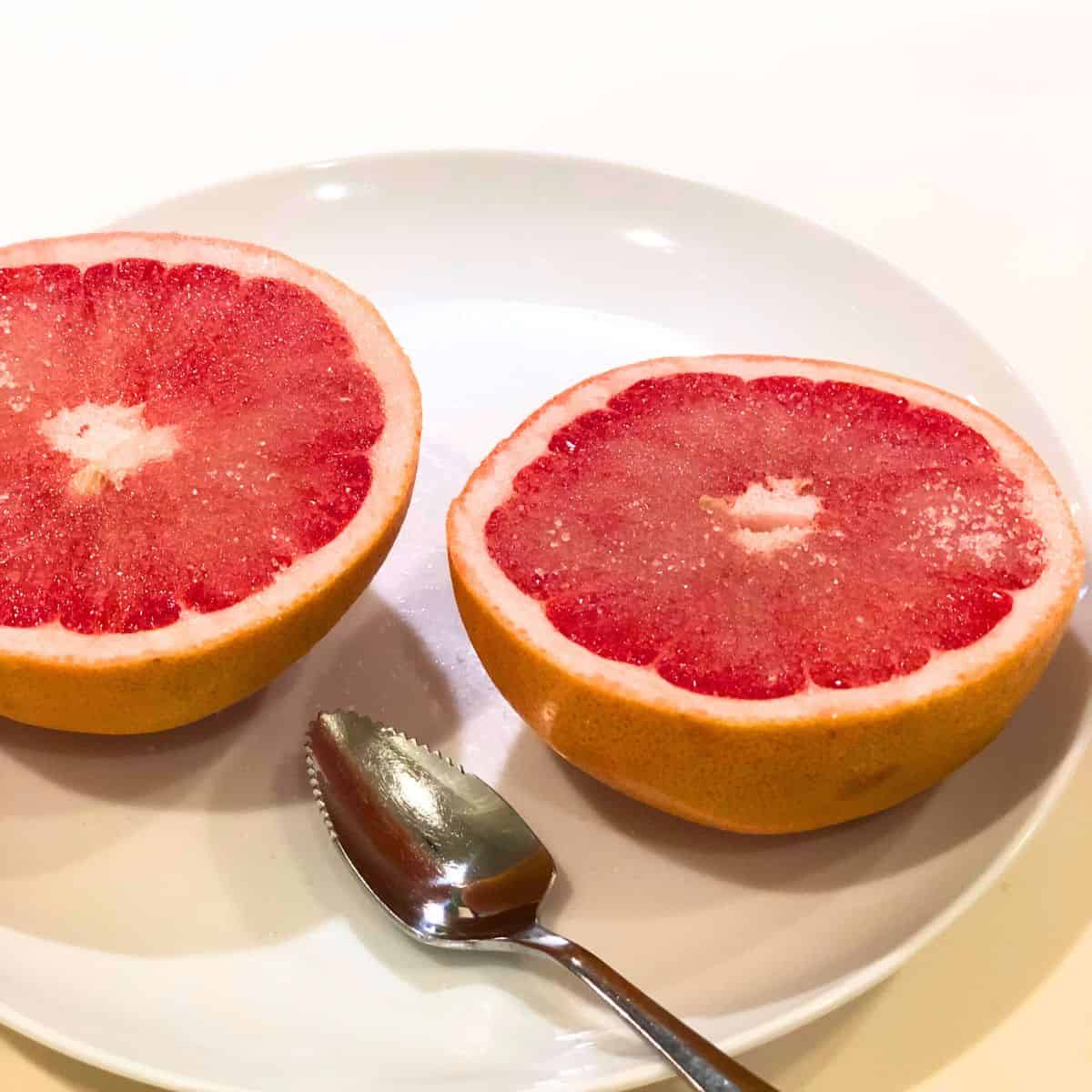
Excess moisture is the enemy of grapefruit in the fridge. Dampness can cause mold and speed up spoilage. Pat the fruit dry before refrigeration, and avoid washing it until you’re ready to eat it to keep moisture at bay.
Credit: www.keepingitsimpleblog.com
Storing Grapefruit Segments
Storing grapefruit segments properly can make a big difference in how fresh and tasty they stay. Once you’ve cut your grapefruit into segments, the clock starts ticking on their freshness. How you store them impacts not only flavor but also texture and safety.
Use Of Airtight Containers
Keeping grapefruit segments in airtight containers helps lock in moisture and prevents them from absorbing other fridge odors. Glass or BPA-free plastic containers with tight-fitting lids work best for this purpose.
Before sealing, gently pat the segments dry with a paper towel to remove excess juice. Too much moisture can cause the fruit to spoil faster.
If you want to add a little extra freshness, place a small piece of paper towel inside the container to absorb any extra moisture. Have you tried this trick? It really extends the life of your cut fruit.
Shelf Life Of Cut Grapefruit
Cut grapefruit segments usually last about 2 to 3 days in the fridge when stored correctly. After that, their taste and texture begin to degrade noticeably.
Check the segments daily for any signs of spoilage like off smells or slimy texture. If you notice these, it’s time to toss them out to avoid any risk.
To enjoy the best flavor, aim to eat your cut grapefruit within the first two days. Have you noticed how quickly citrus changes once it’s exposed to air? This short shelf life is why proper storage is essential.
Tips For Maintaining Freshness
Keeping grapefruit fresh is easier than you might think if you handle and store it properly. The key lies in simple daily habits that protect its flavor and texture. Paying attention to how you treat your grapefruit from the moment you bring it home can make a big difference in how long it stays juicy and delicious.
Handling And Washing
Always wash grapefruit under cool, running water before eating or storing it. This removes dirt and any pesticide residues that might be on the skin. Avoid soaking it in water, as this can make the skin soggy and encourage mold growth.
After washing, dry the grapefruit gently with a clean towel. Moisture left on the surface can speed up spoilage. If you’re peeling or cutting the fruit, use a clean knife and cutting board to keep everything hygienic.
Avoiding Cross-contamination
Cross-contamination can ruin your grapefruit and other foods in your fridge. Keep grapefruit away from raw meats, seafood, or any other items that could leak bacteria. Use separate storage containers or place the fruit in the crisper drawer to minimize contact with other foods.
Have you ever noticed your grapefruit tasting off after storing it near strong-smelling foods? Citrus easily absorbs odors, so keep it in a sealed container or wrapped in plastic wrap. This simple step keeps your grapefruit tasting fresh and prevents unwanted flavors.
Alternative Storage Methods
Alternative storage methods help extend grapefruit’s freshness beyond the fridge. These options suit different needs and make grapefruit last longer. Some methods change the texture but keep the flavor strong. Others keep grapefruit usable for smoothies, cooking, or snacks. Explore simple ways to save grapefruit without refrigeration.
Freezing Grapefruit
Freezing grapefruit preserves it for months. Peel and segment the fruit first. Remove seeds to avoid bitterness. Place segments on a baking sheet to freeze individually. Once frozen, transfer them to an airtight container or freezer bag. Use frozen grapefruit in smoothies, desserts, or juices. Note that freezing can make the texture softer when thawed.
Dehydrating Options
Dehydrating grapefruit removes moisture and concentrates flavor. Slice grapefruit thinly for even drying. Use a food dehydrator or an oven at low heat. Dry until slices feel leathery but not brittle. Store dried slices in a sealed container away from light. Use them as snacks, in teas, or as garnishes. Dehydrating increases shelf life significantly.
Frequently Asked Questions
Should Grapefruit Be Stored In The Fridge?
Grapefruit can be stored at room temperature or in the fridge. For a longer shelf life, refrigeration is ideal. It helps maintain freshness and juiciness for up to three weeks. Ensure they are in a breathable bag or container to prevent moisture buildup.
How Long Does Grapefruit Last Unrefrigerated?
Unrefrigerated grapefruit can last up to one week. Keep them in a cool, dry place away from direct sunlight. This prevents them from spoiling quickly. However, for extended freshness, refrigeration is recommended.
Does Refrigeration Affect Grapefruit Taste?
Refrigeration preserves grapefruit’s freshness without altering its taste. Cold temperatures help maintain its natural sweetness and juiciness. Ensure proper storage in a breathable bag to avoid moisture buildup. This will keep the fruit tasty and enjoyable.
Can You Freeze Grapefruit For Later Use?
Yes, grapefruit can be frozen to extend its shelf life. Peel and segment the fruit, then store it in an airtight container. This method preserves its flavor and nutrients for up to six months. Thaw in the fridge before use to retain texture.
Conclusion
Grapefruit stays fresh longer when kept in the fridge. Room temperature storage works for a few days only. Cold slows down spoilage and keeps flavor bright. Cut grapefruit must always be refrigerated to stay safe. Keep it sealed in a container or wrap it well.
This simple step helps you enjoy juicy, tasty fruit. Store grapefruit right to reduce waste and save money. Fresh grapefruit adds a healthy boost to your diet. Remember, a little care goes a long way in freshness.