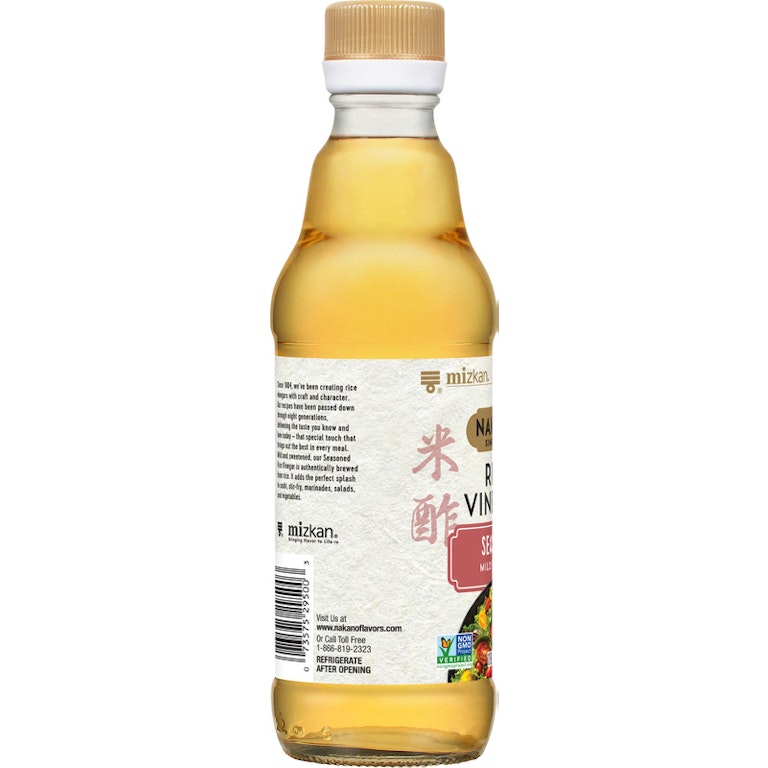
Have you ever found yourself standing in front of your pantry, holding a bottle of rice vinegar, and wondering if it really belongs there? You’re not alone.
The question of whether to refrigerate rice vinegar is one that puzzles many home cooks and food enthusiasts. Knowing the right way to store your ingredients not only ensures their longevity but also preserves their flavor, which is crucial for your culinary creations.
We’ll dive into the science behind rice vinegar storage, debunk common myths, and provide you with clear, actionable insights. Stick around to discover how to keep your rice vinegar in prime condition and enhance your cooking experience.
Rice Vinegar Basics
Understanding rice vinegar is key to deciding how to store it and use it effectively. Knowing what rice vinegar is and how it fits into your kitchen can change the way you cook and preserve flavors. Let’s dive into the basics to help you make the most out of this versatile ingredient.
What Is Rice Vinegar
Rice vinegar is a type of vinegar made from fermented rice. It has a mild, slightly sweet flavor compared to other vinegars like white or apple cider vinegar. This gentle taste makes it a favorite in many Asian dishes and beyond.
Its lower acidity means it’s less sharp, which might surprise you if you’re used to stronger vinegars. Because of this, rice vinegar often doesn’t overpower other ingredients but adds a subtle depth to your recipes.
Common Uses In Cooking
Rice vinegar is incredibly versatile and can be used in many ways in your kitchen. You might add it to salad dressings for a light tang or use it to brighten up sauces and marinades.
- Pickling vegetables to add crunch and flavor
- Seasoning sushi rice for that authentic taste
- Balancing sweet and savory dishes with a splash of acidity
- Enhancing stir-fries and dipping sauces without overpowering other flavors
Have you tried using rice vinegar in unexpected dishes like soups or even desserts? Its mildness can surprise you by adding just the right touch of acidity without overwhelming sweetness or saltiness.
Storage Requirements
Understanding how to store rice vinegar properly can save you from wasting this versatile kitchen staple. The right storage method preserves its flavor and quality for longer periods. Let’s break down what you need to know about keeping rice vinegar fresh and effective.
Shelf Stability
Rice vinegar is naturally shelf-stable due to its acidic nature. This means it can stay good at room temperature for months without spoiling.
Keep it in a cool, dark place like a pantry or cupboard, away from direct sunlight and heat. Avoid storing it near your stove or oven where temperature fluctuations are common.
One surprising fact is that unopened rice vinegar can last for years without losing quality. Have you ever checked the expiration date on your vinegar bottle and found it still perfect after a long time?
Refrigeration Needs
Once opened, rice vinegar does not require refrigeration, though some people prefer to refrigerate it to maintain its freshness longer. Refrigeration can slow down any subtle changes in taste over time.
If you use rice vinegar infrequently, storing it in the fridge might be a good idea to extend its shelf life beyond a year. However, for daily cooks, keeping it in a sealed container at room temperature is usually sufficient.
Remember to always close the cap tightly after use to prevent contamination and evaporation. This simple step can make a big difference in how long your rice vinegar stays fresh.
Factors Affecting Storage
Rice vinegar storage depends on several important factors. These affect its freshness and taste over time. Proper storage helps keep its quality and safety. Understanding these factors guides you on whether to refrigerate or not.
Bottle Type And Seal
The type of bottle impacts rice vinegar’s shelf life. Glass bottles protect better than plastic ones. A tight seal stops air from entering. It prevents oxidation that changes flavor and aroma. Check if the cap closes firmly after each use.
Exposure To Light And Air
Light causes chemical changes in rice vinegar. It can dull the flavor and color. Air exposure speeds up spoilage. Always store the bottle in a dark, cool place. Avoid leaving it open for long periods. This keeps the vinegar fresh longer.

Credit: medium.com
Signs Of Spoiled Rice Vinegar
Recognizing the signs of spoiled rice vinegar is key to keeping your kitchen safe and your dishes tasting great. Rice vinegar, like many condiments, can change over time, especially if not stored properly. Knowing what to look for helps you avoid unpleasant flavors and potential health risks.
Changes In Smell
Fresh rice vinegar has a mild, slightly sweet aroma. If you notice a sharp, off-putting, or sour smell that’s stronger than usual, it could mean the vinegar has gone bad.
Sometimes, the smell might become musty or fermented beyond the intended tang. Trust your nose—if the scent feels unusual or harsh, it’s safer to discard the bottle.
Alterations In Appearance
Look closely at the vinegar’s color and clarity. Rice vinegar should be clear or have a faint tint, depending on the variety.
If you see cloudiness, sediment that wasn’t there before, or strange floating particles, these are warning signs. Also, any change to a darker or murky color can indicate spoilage or contamination.
Have you ever found unexpected bits or a haze in your vinegar? That’s a clear signal it’s time to replace it. Keeping an eye on these visual cues helps you avoid using spoiled vinegar in your meals.
Tips To Extend Freshness
Extending the freshness of rice vinegar helps maintain its flavor and quality. Proper care ensures it stays safe and tasty for months. Simple habits keep your vinegar at its best.
Proper Container Use
Choose containers made of glass or food-safe plastic. Avoid metal containers that may react with vinegar. Always keep the original bottle tightly closed. Use a clean spoon or pour directly to prevent contamination. Label the bottle with the opening date to track freshness.
Ideal Storage Environment
Store rice vinegar in a cool, dark place away from heat. Avoid direct sunlight to prevent flavor loss. A kitchen cabinet or pantry works well. Refrigeration is optional but can slow down quality changes. Keep the bottle upright to avoid leaks and spills.

Credit: www.chowhound.com
Comparing Vinegar Types
Vinegars come in many types, each with distinct flavors and uses in the kitchen. Understanding how rice vinegar compares to others can help you decide how to store and use it best. Let’s look closely at what makes rice vinegar unique and how it stacks up against other popular vinegars.
Rice Vinegar Vs. Other Vinegars
Rice vinegar is milder and slightly sweeter than most vinegars, like white vinegar or apple cider vinegar. It’s made from fermented rice, giving it a subtle taste that doesn’t overpower dishes. Other vinegars, such as white vinegar, are sharper and more acidic, often used for cleaning or pickling rather than delicate cooking.
Have you noticed how rice vinegar blends smoothly into dressings and sushi rice without adding harshness? That’s because it has a lower acidity level, usually around 4%, compared to white vinegar’s 5-7%. This difference in acidity impacts not just flavor but also how you store it after opening.
Storage Differences
Rice vinegar is quite stable and can be kept at room temperature once opened, thanks to its mild acidity and fermentation process. In contrast, some vinegars, especially those with added flavors or lower acidity, may require refrigeration to maintain freshness and prevent spoilage.
Think about the vinegars sitting in your kitchen right now—are they refrigerated or left on the shelf? Rice vinegar often stays fresh longer without the fridge, saving you space and hassle. However, if you notice any cloudiness or off smell, it’s a sign to refrigerate or replace it to keep your dishes tasting their best.

Credit: medium.com
Frequently Asked Questions
Should Rice Vinegar Be Refrigerated After Opening?
Rice vinegar does not require refrigeration after opening. Its high acidity preserves it well at room temperature. Store it in a cool, dark place with the cap tightly sealed to maintain freshness.
How Long Does Rice Vinegar Last Unopened?
Unopened rice vinegar can last up to two years when stored properly. Keep it in a cool, dark cupboard away from heat and sunlight to ensure maximum shelf life.
Can Rice Vinegar Spoil If Not Refrigerated?
Rice vinegar rarely spoils due to its acidic nature. However, improper storage may affect taste and quality. Always keep the bottle sealed and store it in a cool, dry place.
Does Refrigeration Improve Rice Vinegar Shelf Life?
Refrigeration is not necessary but can extend rice vinegar’s freshness slightly. Room temperature storage is usually sufficient, but refrigeration slows down any flavor changes over time.
Conclusion
Rice vinegar keeps well at room temperature in a cool, dark place. Refrigeration is not needed but can extend freshness. Always seal the bottle tightly after use. This prevents air from changing the taste. Using rice vinegar within a year ensures best flavor.
Trust your senses—if it smells off, discard it. Proper storage helps maintain its quality and taste. Enjoy cooking with rice vinegar without worry about quick spoilage. Simple care goes a long way in preserving this staple.