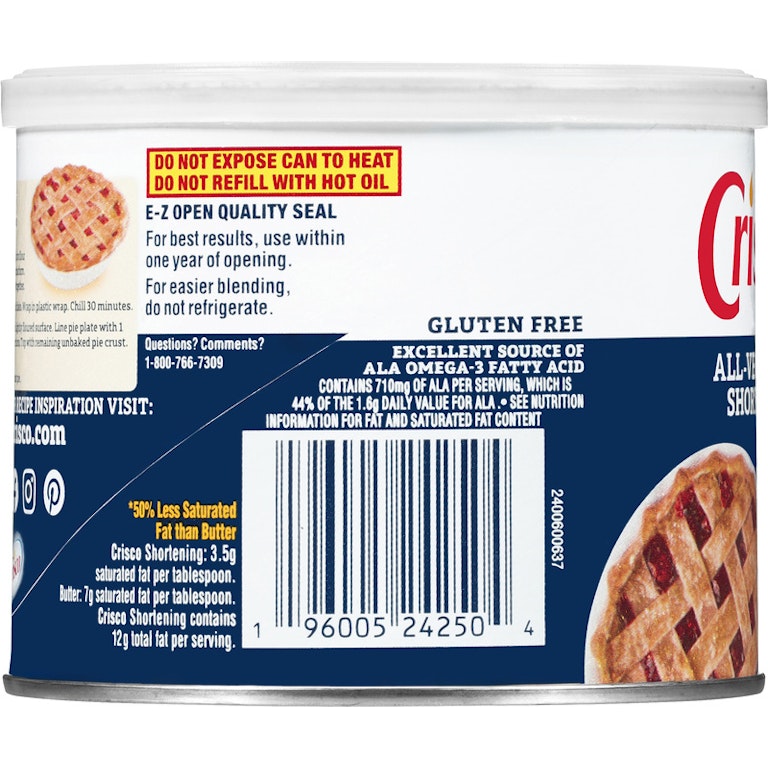
Have you ever opened a jar of shortening and wondered, “Should I refrigerate this or leave it on the counter?” You’re not alone. Knowing how to store shortening properly can save you from wasted ingredients and ruined recipes.
If you want your shortening to stay fresh and perform well every time you bake or cook, it’s important to get this right. Keep reading, and you’ll discover simple storage tips that will keep your shortening in perfect condition—no more guessing or tossing out spoiled products.

Credit: www.lundsandbyerlys.com
Shortening Basics
Shortening plays an important role in baking. It affects texture, flavor, and structure of baked goods. Understanding its basics helps use it correctly. This section covers what shortening is and its common uses in baking.
What Is Shortening?
Shortening is a type of fat used in cooking and baking. It is solid at room temperature. Made from vegetable oils, it is processed to stay stable. It has no water content, unlike butter or margarine. This gives baked goods a tender and flaky texture. Shortening is flavorless and white in color.
Common Uses In Baking
Shortening helps create soft and crumbly textures. It is popular for making pie crusts and cookies. It prevents gluten formation, making dough less elastic. This results in a lighter, softer bite. Bakers use shortening for frying and greasing pans too. It extends shelf life of baked items. Many recipes call for shortening for consistent results.
Shelf Life Of Shortening
The shelf life of shortening is important for keeping your baking fresh. Knowing how long it lasts ensures you get the most out of your purchase. Learn about the differences between unopened and opened shortening, and how to spot spoilage.
Unopened Vs Opened
Unopened shortening can last for up to two years. It remains safe in a cool, dry place away from sunlight. Once opened, the shelf life reduces significantly. Opened shortening lasts about six months. Keep it covered and away from moisture to extend its life. Refrigeration isn’t necessary, but a cool pantry helps.
Signs Of Spoilage
Detecting spoilage in shortening is simple with a few checks. Look for changes in color or consistency. A sour or off smell is a clear sign. Any mold or strange appearance means it’s time to discard. Using spoiled shortening affects the taste and texture of your dishes. Always check before use to ensure quality and safety.
Refrigeration Insights
Understanding whether to refrigerate shortening after opening can affect its texture, flavor, and usability in your kitchen. Let’s look at the practical pros and cons of refrigeration to help you decide what works best for your cooking style and storage space.
Pros Of Refrigerating Shortening
- Extended Shelf Life:Refrigeration slows down oxidation, which helps keep shortening fresh for a longer time. This is especially useful if you don’t use it frequently.
- Prevents Rancidity:Keeping shortening in the fridge reduces the chance of it developing a stale or off smell, preserving its neutral taste for your recipes.
- Maintains Firm Texture:Cold storage keeps shortening solid and easy to scoop, which can be helpful when precise measurements matter in baking.
Cons Of Refrigerating Shortening
- Hard to Use Straight Away:Refrigerated shortening becomes very hard, making it tough to measure or blend without letting it soften first.
- Condensation Risks:Taking shortening in and out of the fridge can cause moisture to form, which might affect the quality or cause clumping.
- Space Consumption:If your fridge is already packed, dedicating space for shortening might not be practical, especially if you use it often and keep it fresh on the counter.
Have you noticed a difference in your baking when using refrigerated versus room-temperature shortening? Your choice might depend on how quickly you use it and what texture you prefer in your recipes.

Credit: www.gianteagle.com
Best Storage Practices
Proper storage of shortening keeps it fresh and safe to use. It stops the shortening from going bad or smelling off. Good storage also helps maintain the texture for cooking and baking. Following a few simple rules makes a big difference in the quality of your shortening after opening.
Ideal Containers
Use airtight containers to store shortening. These prevent air and moisture from entering. Keep shortening in its original container if it seals tightly. Otherwise, transfer it to a clean glass or plastic container with a tight lid.
Containers should be dry and free from food residues. Avoid metal containers to stop any reaction with the shortening. Label the container with the date it was opened. This helps track freshness and avoid using old shortening.
Temperature And Humidity Tips
Store shortening in a cool, dry place away from sunlight. Room temperature around 65-75°F (18-24°C) is best. Avoid storing near heat sources like stoves or ovens. High temperatures can cause shortening to melt or spoil faster.
Humidity can cause shortening to absorb moisture and spoil. Keep containers tightly closed to block humidity. Do not store shortening in the refrigerator unless recommended on the package. Refrigeration may cause it to harden or change texture.
Alternatives To Refrigeration
Refrigeration is not the only way to keep shortening fresh after opening. There are simple alternatives that help maintain its quality. These options prevent the shortening from becoming rancid or hard to use. Understanding how to store shortening properly can save space and keep your kitchen organized.
Cool Pantry Storage
Store shortening in a cool, dark pantry away from heat sources. Ideal temperature is below 70°F (21°C). Keep the container tightly sealed to block air and moisture. Avoid placing it near the stove or oven. This method helps maintain texture and flavor for weeks. Check shortening for any off smell before use.
Freezing Shortening
Freezing is an effective way to extend shortening’s shelf life. Place it in an airtight container or freezer bag. This prevents freezer burn and odor absorption. Thaw shortening at room temperature before use. Freezing does not change its texture or baking performance. Use within six months for best results.
Impact On Baking Quality
Refrigerating shortening after opening can affect the quality of your baked goods. Shortening’s texture and flavor play key roles in baking. Changes in these areas may influence the final product’s taste and feel.
Texture Changes
Shortening kept in the fridge becomes harder and less smooth. This change can make it difficult to blend with other ingredients. Cold shortening may not cream well with sugar, affecting cake fluffiness. Room temperature shortening mixes easier, giving better dough consistency. Bakers often prefer shortening soft enough to spread evenly.
Flavor Considerations
Chilling shortening can dull its natural flavor. It may also absorb odors from the refrigerator. These odors can transfer to your baked items, changing their taste. Storing shortening in an airtight container helps keep flavors pure. Using fresh shortening ensures your baked goods taste fresh and clean.
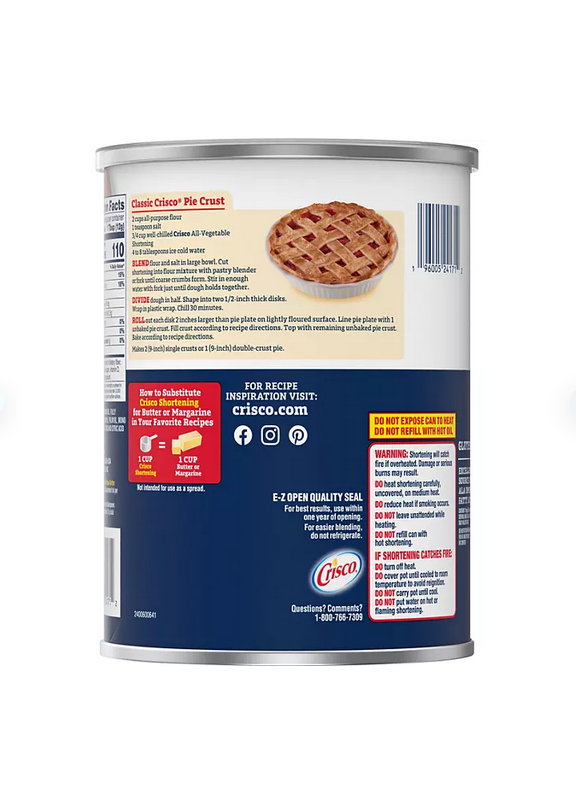
Credit: www.ebay.com
Frequently Asked Questions
Do You Need To Refrigerate Shortening After Opening?
No, refrigeration is not necessary for opened shortening. Store it in a cool, dry place with a sealed lid to maintain freshness and prevent contamination.
How Long Does Shortening Last Once Opened?
Opened shortening typically lasts 6 to 12 months when stored properly. Keep it away from heat and moisture to extend its shelf life.
Can Shortening Spoil If Not Refrigerated?
Shortening can spoil if exposed to heat and air, causing rancidity. Proper storage in a cool, dry place helps prevent spoilage without refrigeration.
Does Refrigeration Affect Shortening’s Texture Or Performance?
Refrigeration can make shortening harder and less spreadable. It’s best to store at room temperature for optimal texture and baking results.
Conclusion
Shortening stays fresh longer when stored properly. Keep it sealed tightly to avoid air and moisture. Refrigeration can help extend its shelf life, especially in warm places. But room temperature works fine if used quickly. Always check for changes in smell or texture before use.
This helps ensure good quality in your baking. Proper storage keeps shortening safe and tasty for your recipes. Simple care goes a long way.