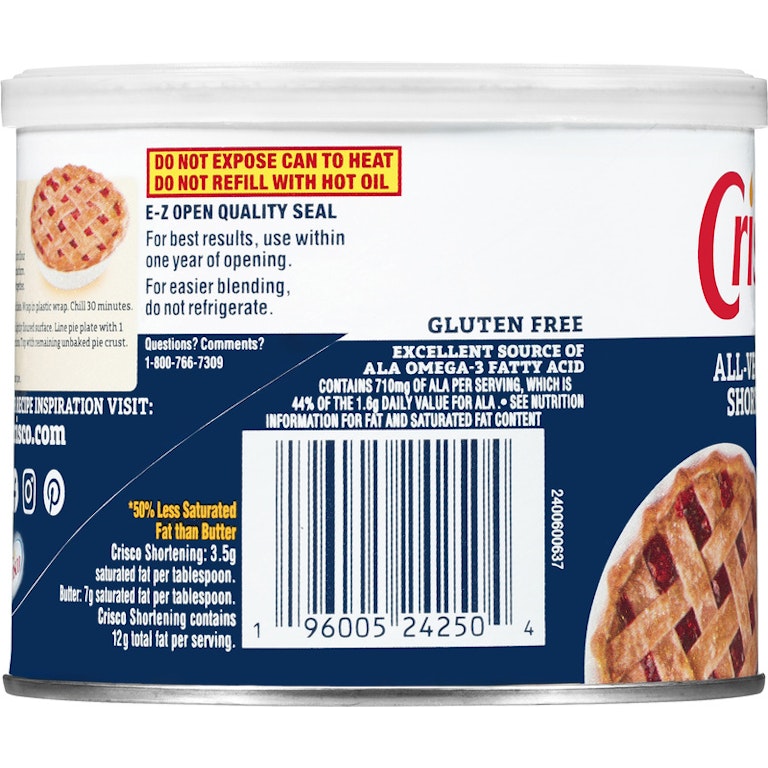
Are you wondering if you should refrigerate shortening? It’s a simple question, but the answer can make a big difference in how your baking turns out.
You want your recipes to be perfect every time, right? Knowing the best way to store shortening can keep it fresh and ready to use whenever you need it. Keep reading to find out the smart storage tips that will save you time and prevent waste in your kitchen.
Your baking deserves the best, and it all starts with how you store your ingredients.

Credit: www.gianteagle.com
What Is Shortening?
Shortening is a common ingredient in many kitchens. It is a type of fat used in baking and cooking. Shortening helps create tender, flaky textures in baked goods. It is solid at room temperature but melts when heated. Understanding what shortening is can help you use it better in recipes.
Definition Of Shortening
Shortening is a fat made from vegetable oils or animal fats. It is processed to be solid and smooth. This makes it easy to mix with other ingredients. Shortening does not contain water, unlike butter or margarine.
Types Of Shortening
- Vegetable shortening: Made from oils like soybean or cottonseed.
- Animal shortening: Made from animal fats like lard.
- Hydrogenated shortening: Oils treated to be solid and stable.
Uses Of Shortening In Cooking
Shortening adds moisture and softness to baked goods. It helps dough rise and keeps cookies crisp. It also prevents ingredients from sticking together. Chefs use shortening in pie crusts, cakes, and frying.
Difference Between Shortening And Butter
| Feature | Shortening | Butter |
|---|---|---|
| Fat Source | Vegetable or animal fats | Milk fat |
| Water Content | None | About 15% |
| Flavor | Neutral | Rich and creamy |
| Texture Impact | Flaky, tender | Rich, moist |

Credit: www.gianteagle.com
Shelf Life Of Shortening
Understanding the shelf life of shortening is essential for maintaining the quality and safety of your baked goods. Shortening can last quite a while if stored properly, but factors like exposure to air, temperature, and packaging can affect how long it stays fresh. Let’s break down what you need to know to keep your shortening at its best.
Shelf Life Of Unopened Shortening
Unopened shortening typically lasts for about 1 to 2 years past its printed expiration date when stored in a cool, dry place. The sealed packaging protects it from air and moisture, which helps maintain its freshness. Have you ever noticed the “best by” date on your shortening container? That’s a useful guideline but not an absolute expiration.
Shelf Life Of Opened Shortening
Once opened, shortening’s shelf life shortens to about 6 months if kept at room temperature. Exposure to air causes oxidation, which can make the shortening go rancid. You might detect this through a sour or off smell, which means it’s time to toss it.
How Refrigeration Affects Shelf Life
Storing shortening in the refrigerator can extend its shelf life up to a year after opening. The cooler temperature slows down oxidation and spoilage. However, refrigeration can make shortening harder to scoop and mix. Have you tried letting refrigerated shortening sit at room temperature for a few minutes before use? It softens nicely without losing freshness.
Signs Your Shortening Has Gone Bad
- Unpleasant, sour, or metallic odor
- Change in color, such as yellowing or dark spots
- Unusual texture—grainy or separated oil
Trust your senses when checking shortening. If it smells off or looks strange, it’s safer to replace it rather than risk affecting your recipe.
Refrigeration Benefits
Refrigerating shortening can offer several advantages that impact its texture, shelf life, and overall usability. Understanding these benefits can help you decide whether keeping shortening in the fridge is the right choice for your kitchen habits. Let’s break down what refrigeration does for shortening and how it can make a difference in your baking and cooking experience.
Improved Shelf Life
Shortening stored in the refrigerator lasts significantly longer than when kept at room temperature. The cooler environment slows down the oxidation process, which prevents the fat from going rancid quickly. This means you can avoid wasting shortening and save money by extending its usability.
Better Texture For Baking
Cold shortening tends to be firmer, which can help when making pastries or pie crusts. Using chilled shortening creates flakier layers because it melts slower during baking. Have you noticed how your dough behaves differently when you use room temperature versus chilled fats?
Prevention Of Oil Separation
Refrigeration helps keep shortening stable and prevents oil from separating at the top. This separation can happen more quickly if shortening is left out in warm conditions. Keeping it cold keeps the consistency even and ready to use without extra stirring or mixing.
Reduced Risk Of Contamination
Storing shortening in the fridge reduces exposure to bacteria and mold growth. Especially in humid or warm environments, refrigeration creates a safer storage option. You’ll feel more confident knowing your shortening stays fresh and uncontaminated longer.
Convenient Portioning
When shortening is chilled, it’s easier to cut or scoop precise amounts for your recipes. This helps avoid mess and overuse, making your cooking process smoother. Have you tried using cold shortening and found it simpler to measure out exactly what you need?
When To Refrigerate Shortening
Knowing when to refrigerate shortening helps keep it fresh and ready to use. Shortening is stable at room temperature but can change over time. Proper storage prevents spoilage and maintains its texture and taste.
Some factors affect the need to refrigerate shortening. These include the type of shortening, how long you plan to keep it, and your kitchen environment. Understanding these points ensures your shortening stays in good condition.
Types Of Shortening And Storage Needs
Regular vegetable shortening usually does not need refrigeration. It stays solid and fresh in a cool, dry place. But natural or organic shortening with fewer preservatives may need refrigeration to prevent spoilage.
Duration Of Storage
If you plan to use shortening within a few months, room temperature storage works well. For longer storage, refrigeration helps extend shelf life. Refrigeration slows down the oxidation process that causes rancidity.
Kitchen Temperature And Humidity
Warm and humid kitchens can cause shortening to soften or spoil faster. In such conditions, refrigerate shortening to keep it firm and fresh. A cool pantry or cupboard is ideal for room temperature storage.
Proper Storage Techniques
Proper storage techniques keep shortening fresh and safe for use. Storing it correctly helps maintain its texture and flavor. It also prevents spoilage and contamination. Understanding how to seal, store, and handle shortening is important for every kitchen.
Sealing And Containers
Always keep shortening in an airtight container. This stops air and moisture from reaching it. Use the original container if it seals well. If not, transfer shortening to a clean, dry container with a tight lid. Avoid containers that allow light inside. Light can cause the shortening to go bad faster.
Temperature Considerations
Store shortening in a cool, dark place. Room temperature works fine for most types. Avoid places that get hot or have direct sunlight. Heat melts shortening and changes its texture. If the climate is very warm, refrigeration may help. Keep shortening away from strong odors. It can absorb smells and lose its pure taste.
Avoiding Contamination
Use clean utensils to scoop shortening. Never dip fingers or dirty spoons inside. Contamination causes spoilage and mold growth. Close the container tightly after each use. Keep shortening away from raw foods or liquids. This prevents bacteria and moisture from spoiling it. Following these steps keeps shortening fresh longer.
Signs Of Spoiled Shortening
Shortening is a common ingredient in many kitchens. It helps make baked goods soft and flaky. Knowing when shortening has gone bad is important for both taste and safety. Spoiled shortening can change the flavor of your food and may cause health issues.
Here are clear signs that shortening has spoiled. These signs help you decide if it is still safe to use.
Appearance Changes
- Shortening turns yellow or darkens from its original white color.
- It may develop spots or mold on the surface.
- The texture becomes grainy or hard instead of smooth.
Unpleasant Odor
- Fresh shortening has a neutral smell.
- Spoiled shortening gives off a sour or rancid odor.
- The smell can be sharp or like old oil.
Off Taste
- A small taste test can reveal spoilage.
- Spoiled shortening tastes bitter or stale.
- It leaves an unpleasant aftertaste on the tongue.
Unusual Texture
- Rancid shortening may feel sticky or greasy.
- It can separate into layers or become lumpy.
- The consistency no longer spreads easily.
Using Shortening After Refrigeration
Using shortening after refrigeration can feel tricky if you’re unsure how its texture and usability change. Refrigerated shortening firms up and becomes less pliable, which might make you hesitate before adding it to your recipes. Understanding how to handle and use it straight from the fridge helps you avoid common baking hiccups.
How Refrigeration Affects Shortening’s Texture
Shortening stored in the fridge hardens significantly. It loses the soft, scoopable consistency you’re used to at room temperature. This firmness can make it tough to measure accurately or blend smoothly into dough and batter.
Have you noticed your cookies turning out denser after using cold shortening? That’s often because the fat doesn’t cream properly with sugar when it’s too cold. Letting shortening sit out for a bit softens it, allowing better mixing and fluffier results.
Preparing Refrigerated Shortening For Use
Take the shortening out of the fridge and let it rest at room temperature for 15–20 minutes. This brief wait softens it just enough to handle without melting. If you’re in a hurry, cutting the shortening into smaller pieces helps it soften faster.
If you accidentally add it cold, your dough might look lumpy or resist blending well. You can fix this by mixing a little longer or warming the bowl slightly to coax the fat into a smoother texture.
Tips For Measuring And Mixing Cold Shortening
- Use a kitchen scale:Weigh shortening for accuracy since it sticks and compresses differently when cold.
- Cut into cubes:Smaller pieces are easier to soften and mix evenly.
- Warm your mixing bowl:A slightly warm bowl can help soften shortening during mixing without melting it.
- Mix longer:Be patient and give extra time for cold shortening to blend well with other ingredients.
Have you tried these techniques before? How did they impact your baking? Experimenting with the texture of refrigerated shortening can improve your results and save you from frustrating batches.

Credit: www.lundsandbyerlys.com
Frequently Asked Questions
Should Shortening Be Refrigerated After Opening?
No, shortening doesn’t need refrigeration after opening. Store it in a cool, dark place to maintain its quality. Refrigerating can make it hard and difficult to use. Ensure the container is tightly sealed to prevent contamination and maintain freshness. Proper storage extends its shelf life.
How Long Does Shortening Last Unrefrigerated?
Unrefrigerated shortening can last up to a year if stored properly. Keep it in a cool, dry place away from heat sources. Ensure the lid is tightly closed after each use. Check for any unusual smell or color change before using, as these may indicate spoilage.
Can Shortening Spoil If Not Refrigerated?
Yes, shortening can spoil if not stored properly. Always keep it in a cool, dark place. Improper storage can lead to rancidity, affecting flavor and quality. Check for off odors or discoloration before use. Proper sealing and storage are key to extending its shelf life.
Is It Safe To Use Old Shortening?
Using old shortening is safe if it shows no spoilage signs. Check for changes in smell or color. If it smells rancid or appears discolored, it’s best to discard it. Properly stored shortening can last a long time, but always ensure it’s fresh before using.
Conclusion
Shortening usually stays fresh at room temperature. Keep it in a cool, dry place. Avoid heat and sunlight to prevent spoilage. Refrigeration can make it hard to use. Always check the expiration date before using. Store tightly sealed to keep quality.
Proper storage helps your baking turn out great. Now you know how to handle shortening best. Easy steps for long-lasting, good-quality shortening.