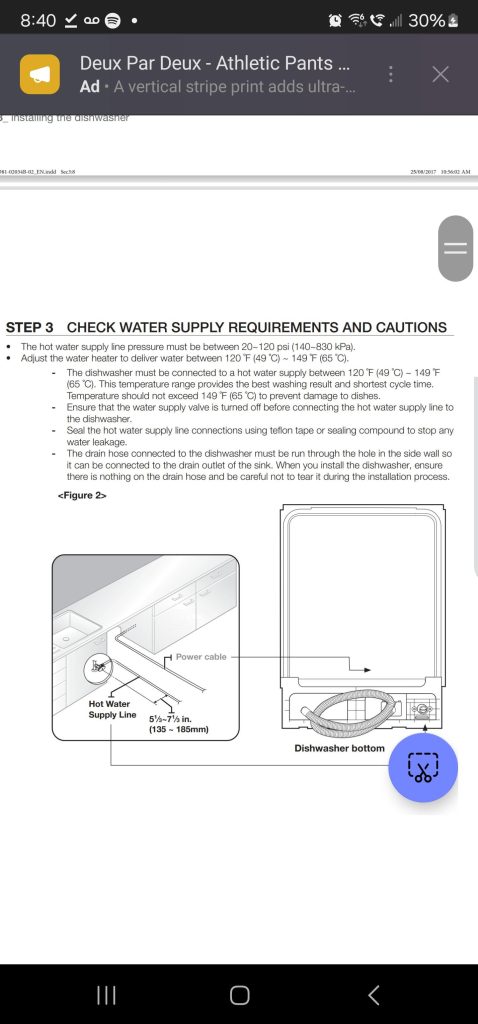
Have you ever paused before starting your dishwasher, wondering whether to use hot or cold water? You’re not alone.
Many people grapple with this question, unsure of which option will yield the best results for their dishes, energy bill, and appliance longevity. This seemingly simple choice can actually have a significant impact on your dishwasher’s performance and your overall cleaning satisfaction.
We’ll unravel the mystery behind hot and cold water use in dishwashers, arming you with the knowledge to make the best decision for your home. Stick with us as we explore the benefits, drawbacks, and the science behind your choice, ensuring your dishes come out sparkling clean every time.
Water Temperature And Dishwasher Performance
Water temperature plays a key role in how well your dishwasher works. The right temperature helps break down food and grease on dishes. It also affects the dishwasher’s energy use. Understanding this connection can help you get cleaner dishes and save on energy bills.
Impact On Cleaning Efficiency
Hot water improves the cleaning power of detergents. It melts fats and oils faster. This helps remove stuck-on food better than cold water. Most dishwashers need water at least 120°F (49°C) to work well.
Cold water may leave spots and food particles behind. It can cause detergent to clump and not dissolve. This reduces the overall cleaning quality. Hot water ensures dishes come out shiny and fresh.
Effect On Energy Consumption
Using hot water means the dishwasher uses less energy to heat it. This can lower your electricity bill. If you run cold water, the dishwasher must use more power to warm it up.
Some dishwashers have energy-saving modes that use lower water temperatures. These save energy but may not clean heavily soiled dishes well. Balancing water temperature and energy use helps keep costs down and dishes clean.
Hot Water Benefits For Dishwashers
Using hot water in your dishwasher can make a noticeable difference in how clean your dishes come out. Hot water helps break down grease and food particles faster, making the entire washing process more efficient. But what specific benefits does hot water bring to your dishwasher routine? Let’s take a closer look.
Improved Stain Removal
Hot water excels at cutting through stubborn stains like grease, oils, and dried-on food. It softens these residues, allowing the detergent to work more effectively. Have you ever noticed how some spots just won’t budge after a wash? Hot water can be the key to finally getting rid of those persistent marks.
Think about your last batch of heavily soiled pots or pans. Running hot water through the dishwasher often means less scrubbing afterward and dishes that look fresh and spotless. This not only saves you time but also keeps your kitchenware looking newer for longer.
Reduced Cycle Time
Hot water helps your dishwasher reach the ideal cleaning temperature faster, which can shorten the overall cycle time. This means you get clean dishes quicker without sacrificing quality. If you’re in a rush, running hot water before starting the dishwasher can be a simple trick to speed things up.
Shorter cycles also mean less energy used, which is good for both your electricity bill and the environment. Have you tried timing your dishwasher with cold versus hot water? You might be surprised how much time you can save just by choosing hot water.
Cold Water Considerations
Using cold water for your dishwasher might seem like a simple choice, but it comes with its own set of factors worth considering. While it can save energy and reduce wear on your water heater, cold water affects how well your dishes come out and how your dishwasher performs overall. Knowing when cold water fits your routine and when it might fall short can help you make smarter decisions for your kitchen.
Potential Drawbacks
Cold water can leave your dishes less clean because it doesn’t dissolve grease and food residues as effectively as hot water. This might mean you’ll need to run your dishwasher twice or pre-rinse dishes more often, which wastes water and time.
Another issue is that cold water can cause your dishwasher to take longer to complete its cycle. The machine needs extra time to heat the water internally, which can increase electricity use and slow down your kitchen flow.
Have you ever noticed spots or cloudy film on your glassware? Cold water might contribute to these problems because it doesn’t dissolve detergent as well, leaving residue behind.
When Cold Water May Suffice
If your dishwasher has a built-in heating element, it can heat cold water to the necessary temperature for cleaning effectively. In this case, starting with cold water might not impact the final result much, but you should check your dishwasher’s manual to be sure.
Cold water can work well if you mostly wash lightly soiled dishes or rinse-only loads. For example, after a casual lunch with only a few plates, cold water might be enough to freshen up your dishes without extra energy use.
Also, if you want to save on your energy bill and your dishwasher is energy-efficient, running cold water can be a smart choice. But ask yourself: Are you willing to trade a bit of cleaning power for lower energy use? Your answer will guide your decision.
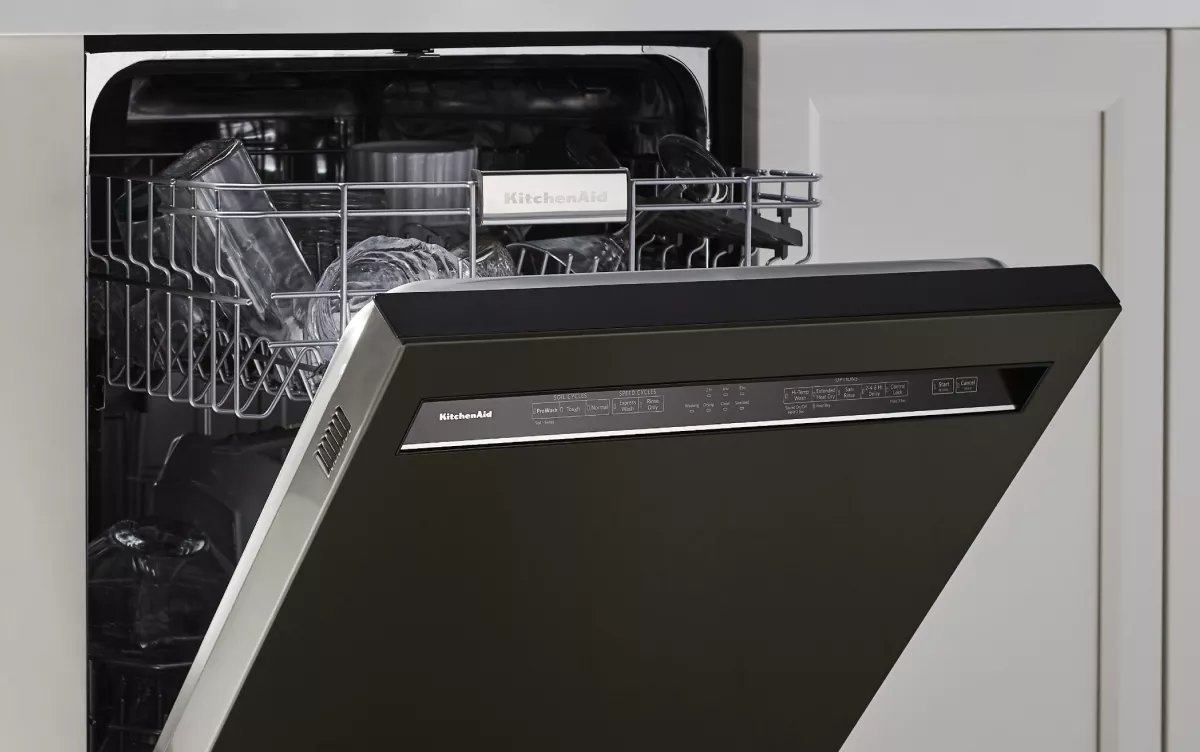
Credit: www.kitchenaid.com
How Dishwashers Heat Water
Understanding how dishwashers heat water can change the way you think about loading and running your machine. Some dishwashers rely on your home’s hot water supply, while others have built-in heaters that bring water to the perfect temperature. Knowing this difference helps you decide whether to run hot or cold water before starting your dishwasher.
Internal Heating Elements
Many modern dishwashers come with internal heating elements. These elements heat the water inside the dishwasher to the ideal temperature for cleaning and sanitizing dishes.
This means even if you start with cold water, the dishwasher can raise the temperature to around 120°F to 160°F. You don’t always need to run hot water from your tap first, which can save energy and reduce water waste.
Have you noticed your dishwasher still cleans well even if the water coming in feels cool? That’s likely because of this internal heating feature.
Compatibility With Water Supply Temperatures
Some dishwashers are designed to connect directly to a hot water line, expecting already warm water to enter the machine. This can speed up the washing cycle and reduce energy use inside the dishwasher.
However, if your dishwasher relies solely on hot water from your home, running cold water first might mean the water entering the appliance is too cold to clean effectively at first. This can lead to longer cycle times or less effective washing.
Check your dishwasher’s manual to see whether it recommends connecting to hot or cold water. This small step can improve your dishwasher’s performance and save you money on your utility bills.
Plumbing Tips For Optimal Dishwasher Use
Proper plumbing plays a key role in dishwasher performance. The right water connection ensures efficient cleaning and prevents damage. Poor plumbing can cause leaks, poor drainage, or longer wash cycles. Follow these tips for smooth and effective dishwasher use.
Ideal Water Line Connections
Use hot water supply for faster cleaning and better detergent activation. The water temperature should be between 120°F and 140°F. Cold water slows washing and may leave dishes dirty. Connect the dishwasher to a dedicated hot water line if possible. Use a high-quality stainless steel braided hose to avoid leaks. Ensure tight fittings without overtightening to prevent cracks.
Avoiding Common Installation Mistakes
Do not connect the dishwasher to cold water or a shared line with other appliances. Avoid kinks or sharp bends in the water line. Position the drain hose correctly to prevent backflow and odors. Secure the dishwasher firmly to avoid vibrations during cycles. Check for leaks by running a short test cycle after installation. Replace old or damaged hoses to reduce risk of failure.

Credit: www.youtube.com
Energy Efficiency And Cost Implications
Energy efficiency and cost implications matter a lot when deciding whether to run hot or cold water to your dishwasher. The choice affects your utility bills and the overall environmental footprint of your household. Understanding these factors can help you make smarter decisions that save money without sacrificing cleaning power.
Hot Vs. Cold Water Supply Costs
Using hot water directly from your home’s supply means the dishwasher spends less energy heating the water. However, your water heater uses electricity or gas to heat water, which adds to your energy bill. If your water heater is inefficient or set at a high temperature, this can raise costs significantly.
On the other hand, supplying cold water to the dishwasher lets it heat only the amount needed for each cycle. Modern dishwashers are designed to heat water efficiently, sometimes better than older water heaters. So, the difference in energy cost depends on how efficient your water heater and dishwasher are.
- If your water heater is electric and old, running cold water to the dishwasher might save money.
- Gas water heaters typically cost less per unit of heat, so hot water supply could be cheaper.
- Check the temperature setting on your water heater; higher temperatures increase costs.
Energy-saving Dishwasher Models
New dishwashers often come with energy-saving features that reduce water and power usage. Some models have soil sensors that adjust the cycle length and water temperature based on how dirty your dishes are. This means the dishwasher only uses as much energy as necessary.
Energy Star-rated dishwashers are a good choice if you want to cut down on utility bills. They typically use less water and electricity compared to standard models. Investing in one could offset any minor differences in hot or cold water supply costs.
- Look for models with eco or energy-saving modes.
- Consider dishwashers with built-in water heaters designed for efficient heating.
- Check for features like delay start, which lets you run cycles during off-peak energy hours.
Have you checked how much your dishwasher’s energy consumption changes with hot versus cold water supply? Sometimes, a small change in your setup can lead to noticeable savings. Your next dishwasher purchase might also be an opportunity to improve your home’s energy efficiency.
Expert Recommendations For Homeowners
Choosing the right water temperature for your dishwasher isn’t just about convenience; it directly impacts cleaning results and appliance longevity. Experts emphasize that understanding how hot or cold water affects your dishwasher can save you time, energy, and even prevent damage. Let’s break down what you should know to make the best choice for your home.
Best Practices For Water Temperature
Most dishwashers work best with hot water, typically between 120°F and 140°F. Hot water dissolves grease and food residues more effectively, giving you cleaner dishes without extra detergent.
However, if the water is too hot, it may cause certain plastics to warp or fade. You can test your water heater’s temperature by running hot water at a sink and using a thermometer.
Did you know that running cold water before starting your dishwasher can actually slow down the cleaning process? It’s better to run hot water at the sink first, so the dishwasher fills with warm water immediately.
Maintaining Dishwasher Performance
Regular maintenance ensures your dishwasher performs well over time. Use a dishwasher cleaner monthly to prevent buildup that hot water alone can’t remove.
Check and clean the spray arms and filters to avoid clogs that reduce water pressure. If your dishes aren’t coming out clean despite using hot water, it might be time to inspect these parts.
Also, avoid overloading the dishwasher. Even the best water temperature won’t help if dishes block water spray or detergent distribution. How often do you check your dishwasher’s condition? Simple upkeep can extend its life and keep your dishes spotless.

Credit: www.reddit.com
Frequently Asked Questions
Do You Run Hot Or Cold Water To A Dishwasher?
Always run hot water to your dishwasher for optimal cleaning. Hot water dissolves grease and food particles better than cold water. It also activates the dishwasher detergent effectively, ensuring dishes come out spotless.
Why Is Hot Water Better For Dishwashers?
Hot water helps break down oils and food residue quickly. It improves detergent performance and sanitizes dishes effectively. Cold water may leave residue and reduce cleaning efficiency, leading to less hygienic results.
Can Cold Water Damage My Dishwasher?
Cold water won’t directly damage a dishwasher but affects cleaning quality. The dishwasher relies on hot water to clean and sanitize properly. Using cold water might result in dirty dishes and more frequent re-washes.
How Hot Should The Water Be For Dishwashers?
Water temperature should be between 120°F and 140°F for dishwashers. This range ensures effective cleaning and prevents damage to dishes or the machine. Check your water heater settings to maintain this ideal temperature.
Conclusion
Running hot water to your dishwasher helps clean dishes better. Hot water dissolves grease and food faster than cold water. It also helps the detergent work well. Cold water can leave spots and dirty dishes. Saving energy by using cold water might seem good, but dirty dishes cost more time and effort.
Choose hot water for a cleaner, brighter kitchen. Simple and smart. Your dishwasher will thank you.