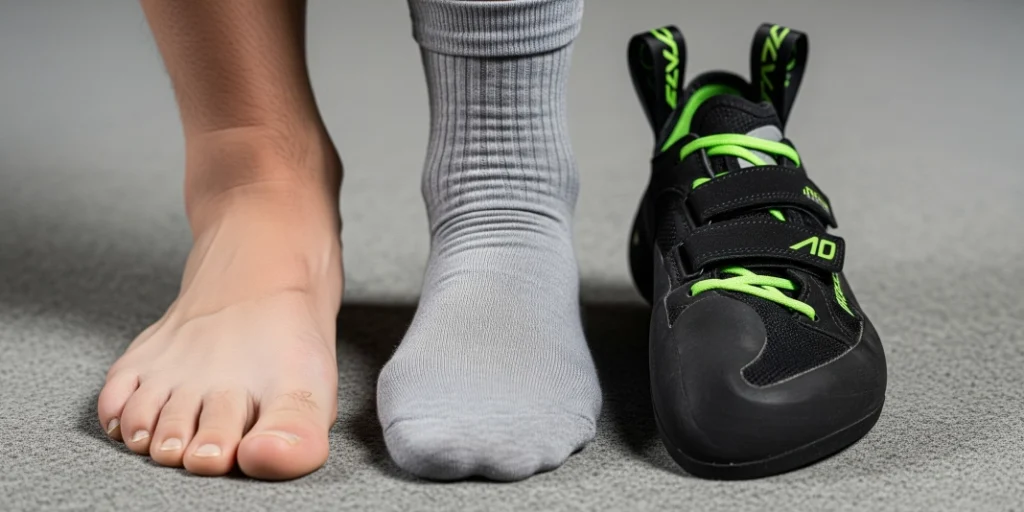
Have you ever wondered whether you should wear socks with your climbing shoes? It might seem like a small detail, but it can make a big difference in your comfort and performance on the wall.
You want your feet to feel secure, avoid blisters, and keep a good grip, right? You’ll discover the pros and cons of wearing socks while climbing and get tips to help you decide what works best for you. Keep reading—you might be surprised by what you learn!
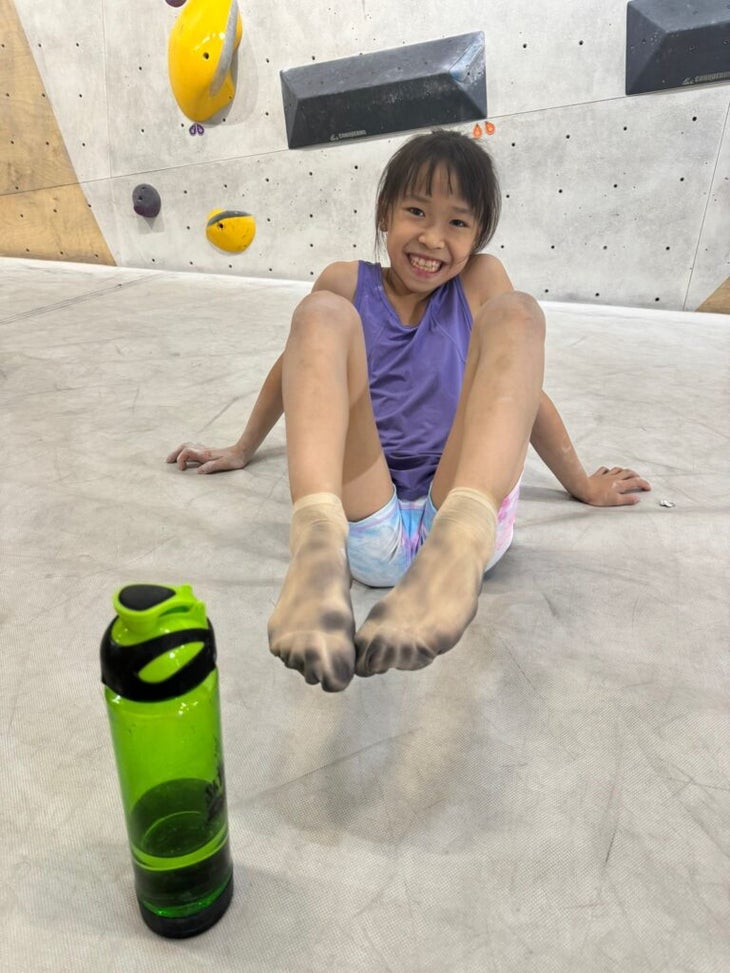
Credit: www.climbing.com
Socks And Climbing Shoes Basics
Climbing shoes are special shoes that help you climb better. They fit tightly to give good grip on rocks.
People often ask if they should wear socks with climbing shoes. This depends on the shoe type and climbing style.
Types Of Climbing Shoes
Climbing shoes come in different styles. Each style fits different climbing needs and shapes of feet.
- Neutral shoes:Comfortable and relaxed fit, good for beginners.
- Moderate shoes:Slightly curved shape, good for all-around climbing.
- Aggressive shoes:Strongly curved and tight, best for hard climbs.
- Slippers:Easy to put on, flexible but less support.
Some shoes have thick padding inside, while others have thin linings. This affects if you can wear socks.
Role Of Socks In Climbing
Socks can add comfort and help keep feet dry in climbing shoes. They may protect against blisters too.
Thin socks are best if you want to wear them with climbing shoes. Thick socks can make shoes too tight.
- Socks help absorb sweat and reduce odor.
- They protect skin from rubbing and blisters.
- Thin socks keep the tight fit of shoes.
- Some climbers prefer no socks for better feel.
Benefits Of Wearing Socks
Wearing socks with climbing shoes is a choice many climbers consider. Socks add layers between feet and shoes, affecting comfort and foot health.
This article explains the benefits of wearing socks while climbing. It covers comfort, hygiene, and skin protection.
Comfort And Cushioning
Socks provide extra padding inside climbing shoes. This helps reduce pressure points and foot pain during climbs.
- Softens hard shoe edges
- Absorbs shock from foot movements
- Keeps feet warm in cold weather
Hygiene And Odor Control
Socks act as a barrier between feet and shoes. They help keep feet clean and reduce bacteria buildup that causes bad smells.
| Benefit | How Socks Help |
| Reduce Sweat | Absorb moisture from feet |
| Limit Bacteria | Keep shoes drier and cleaner |
| Control Odor | Prevent smelly foot conditions |
Preventing Blisters And Irritation
Socks reduce friction between skin and shoe material. This lowers the chance of blisters and skin irritation during long climbs.
- Protects sensitive skin areas
- Absorbs sweat that causes rubbing
- Provides a smooth surface inside shoes
Drawbacks Of Wearing Socks
Wearing socks with climbing shoes is a debated topic. While some prefer socks, there are clear drawbacks to consider.
These drawbacks mainly affect your climbing performance and comfort. Let’s look at key issues.
Reduced Sensitivity And Precision
Socks create a barrier between your foot and the shoe. This reduces how much you feel the rock surface. Less feeling can make it harder to place your foot accurately.
- Less contact with the shoe reduces tactile feedback.
- Climbers may miss small footholds or edges.
- Precision in foot placement decreases.
Fit And Shoe Tightness Issues
Socks add extra space inside climbing shoes. This can affect how shoes fit and feel. Tight shoes are needed for good climbing, but socks may loosen the fit.
| Effect | Impact |
| Extra Thickness | Shoes feel tighter or may not close properly |
| Reduced Control | Less ability to control shoe movement |
| Potential Discomfort | Socks can bunch up and cause pressure points |
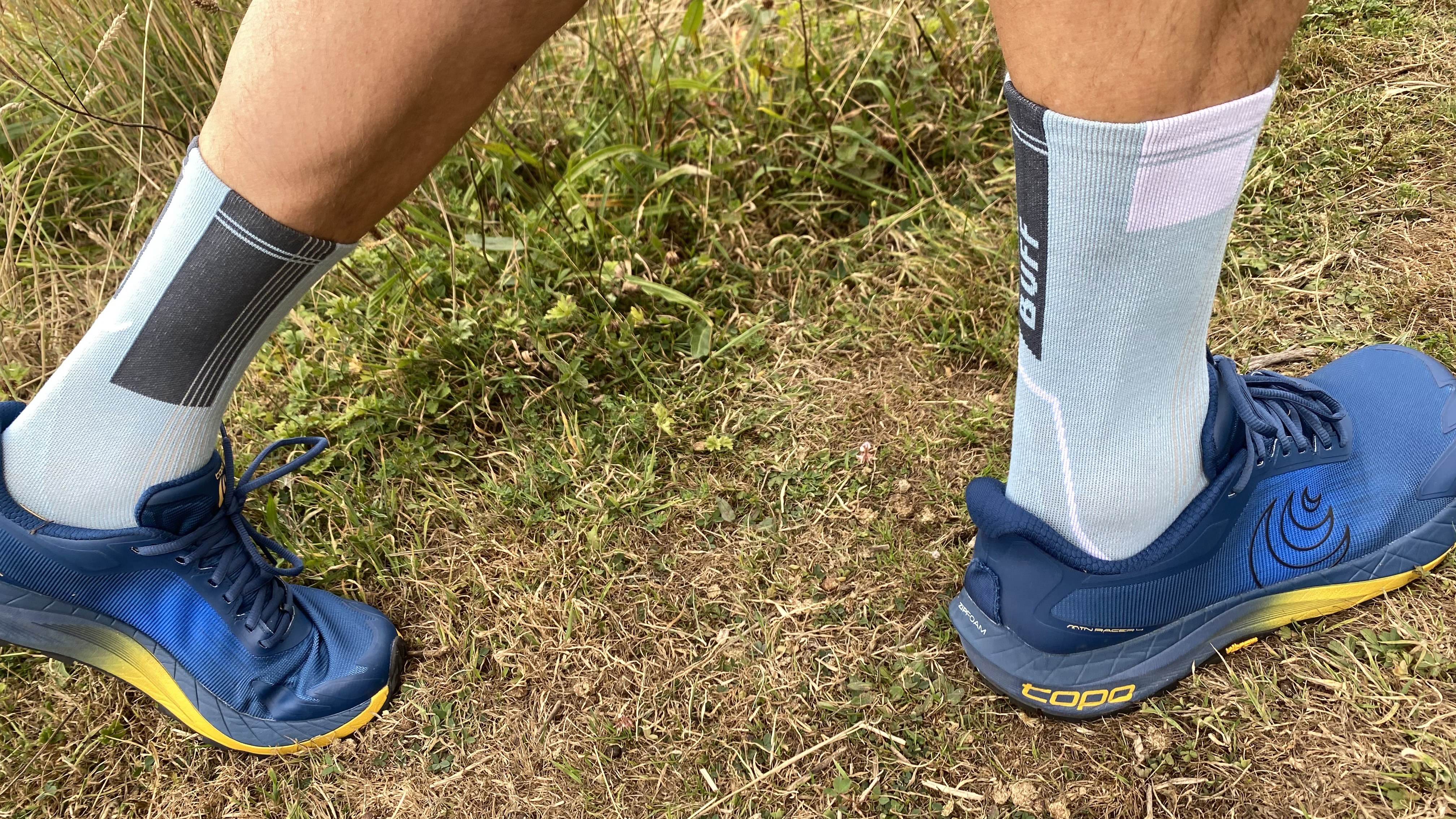
Credit: www.advnture.com
When To Wear Socks
Wearing socks with climbing shoes depends on the situation. Some climbers prefer socks for comfort, while others like the direct feel of the shoe on their skin.
This guide covers when it makes sense to wear socks and when it does not.
Long Climbing Sessions
For long climbing sessions, socks can help reduce friction and prevent blisters. They add a layer of cushioning that protects your feet during extended wear.
- Choose thin, breathable socks made for climbing.
- Socks can absorb sweat and keep feet dry.
- They help avoid skin irritation from tight shoes.
Cold Weather Climbing
In cold weather, socks keep your feet warm inside climbing shoes. Thin wool or synthetic socks work best to maintain warmth without adding bulk.
| Weather Condition | Recommended Socks | Reason |
| Cold | Thin wool or synthetic | Warmth and moisture control |
| Hot | No socks or thin cotton | Better ventilation |
| Long sessions | Thin climbing socks | Comfort and blister prevention |
Indoor Vs Outdoor Climbing
Indoor climbing often allows wearing socks for hygiene and comfort. Outdoor climbing may favor no socks to feel the rock better.
Here are pros and cons for each option:
- Wearing socks:Keeps shoes cleaner and feet protected.
- Not wearing socks:Offers better sensitivity and fit.
When To Go Sockless
Climbers often wonder if they should wear socks with climbing shoes. Choosing to go sockless can affect comfort and shoe fit. This guide helps you know when to skip socks.
Going sockless can make your shoes fit tighter and feel more precise. It also helps reduce bulk inside the shoe for better control.
Maximizing Performance
Wearing climbing shoes without socks can improve your foot’s contact with the shoe. This increases sensitivity and grip on small holds. The tighter fit helps your feet move better.
Many climbers prefer going sockless during important climbs to feel every edge. The direct contact helps with precision and balance.
Short Or Intense Climbs
For short climbs, going sockless can be comfortable and improve feel. Shoes fit snugly without the extra layer of socks. This helps you perform better on brief, hard routes.
During intense climbs, sockless shoes reduce sweat buildup. They also prevent socks from slipping or bunching inside the shoe.
- Improves shoe fit for short climbs
- Reduces moisture and slipping
- Increases control during tough moves
Type Of Climbing Terrain
Going sockless works well on technical and slab terrain. It helps you feel small footholds clearly. Tight fits make edging more precise.
On rough or abrasive terrain, some climbers prefer socks to protect their skin. Sockless shoes can cause blisters if the surface is harsh or the fit is too tight.

Credit: www.youtube.com
Choosing The Right Socks
Wearing the right socks with climbing shoes can affect your comfort and performance. Socks can help reduce blisters and keep your feet dry during climbs.
Choosing socks that match your climbing needs is important. Different materials and fits serve different purposes for climbers.
Materials To Consider
Many sock materials offer different benefits. Wool is warm and wicks moisture well. Synthetic fabrics dry quickly and resist odor. Cotton holds moisture and can cause blisters.
- Wool:Warm, breathable, and moisture-wicking.
- Synthetic:Quick-drying and odor-resistant.
- Cotton:Not ideal; holds moisture and may cause blisters.
Thickness And Fit
Thickness changes how your climbing shoes fit. Thin socks give a snug fit and better shoe control. Thicker socks add cushioning but may make shoes tight. Choose socks that do not bunch or slip.
| Thickness | Benefit | When to Use |
|---|---|---|
| Thin | Close fit, better shoe sensitivity | Indoor climbing, tight shoes |
| Medium | Balanced comfort and fit | Outdoor climbing, longer sessions |
| Thick | Extra cushioning, warmth | Cold conditions, rough terrain |
Specialized Climbing Socks
Some socks are made just for climbing. They have reinforced toes and heels and extra padding in key areas. These socks help prevent blisters and improve comfort.
- Reinforced toes and heels for durability
- Extra padding on pressure points
- Breathable mesh panels for ventilation
- Snug fit to prevent slipping
Expert Tips For Sock Use
Climbers often wonder about wearing socks with their climbing shoes. Socks can affect comfort, fit, and shoe life. Knowing the right way to use socks helps improve your climbing experience.
This guide shares expert tips on wearing socks with climbing shoes. It covers breaking in shoes, keeping shoes in good shape, and personal preferences.
Breaking In Shoes With Socks
Wearing thin socks can make breaking in new climbing shoes easier. Socks add a small layer that reduces tight spots and friction. This helps your feet adjust without pain.
- Choose thin, breathable socks to avoid bulk.
- Wear socks during short practice sessions at first.
- Gradually try sockless climbs as shoes soften.
- Use socks if your shoes feel too tight at first.
Maintaining Shoe Condition
Socks can protect your climbing shoes from sweat and dirt. This helps keep shoes fresh and extends their life. Clean shoes fit better and perform well.
| Benefit | How Socks Help |
|---|---|
| Reduce odor | Socks absorb sweat and keep shoes dry |
| Protect lining | Less direct friction on shoe fabric |
| Easy cleaning | Wash socks often instead of shoes |
| Prevent damage | Socks reduce skin oils on shoe surface |
Personal Preference And Experimentation
Every climber feels different about socks. Some never wear them, others prefer thin or special climbing socks. Testing different options helps find what works best.
Try these tips to find your best sock use:
- Test thin socks for comfort and fit.
- Try sockless to feel shoe sensitivity.
- Use socks on cold days to keep feet warm.
- Replace worn socks to avoid blisters.
- Listen to your feet and adjust as needed.
Frequently Asked Questions
Do Climbers Usually Wear Socks With Climbing Shoes?
Most climbers prefer wearing climbing shoes without socks for better fit and sensitivity. Socks can reduce grip and shoe performance.
Can Wearing Socks Protect Your Feet In Climbing Shoes?
Socks can provide extra cushioning and prevent blisters. However, they may reduce shoe tightness and foot control during climbs.
What Types Of Socks Are Best For Climbing Shoes?
If you wear socks, choose thin, moisture-wicking socks. They help reduce sweat while maintaining a snug shoe fit.
Does Wearing Socks Affect Climbing Shoe Comfort?
Socks can add comfort by reducing friction and sweat. But they might also make shoes feel looser and less responsive.
Conclusion
Choosing to wear socks with climbing shoes is personal. Some prefer the comfort and warmth socks provide. Others enjoy the direct feel without socks. Consider weather, shoe fit, and personal comfort when deciding. Experiment with both to find your preference.
Each choice impacts performance and feel. Finding the right balance enhances your climbing experience. Remember, comfort and safety are top priorities. Whether with or without socks, ensure your feet feel good. Happy climbing!