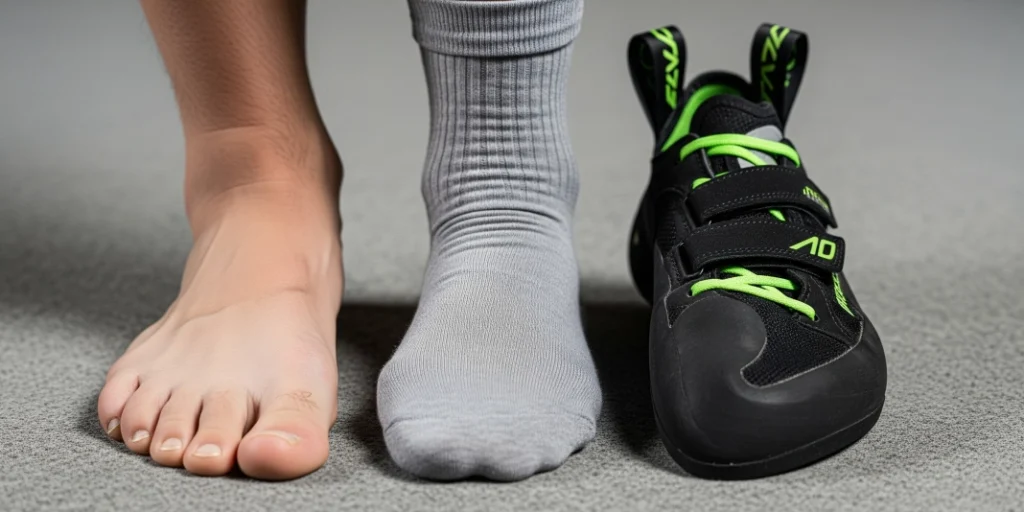
Are you wondering if you should wear socks with your rock climbing shoes? It’s a common question that can make a big difference in your comfort and performance on the wall.
Choosing the right way to wear your climbing shoes might seem small, but it can affect how well you climb and how happy your feet feel after a long session. You’ll discover the pros and cons of wearing socks with climbing shoes and get tips to help you decide what works best for you.
Keep reading to find out how a simple choice like this could change your climbing experience.

Credit: www.reddit.com
Benefits Of Wearing Socks
Wearing socks with rock climbing shoes can help improve your climbing experience. Socks add extra comfort and support during your climb.
They also help keep your feet dry and reduce the chance of blisters. Socks protect your skin from the shoe’s rough materials.
Enhanced Comfort
Socks provide a soft layer between your feet and climbing shoes. This layer reduces pressure points and makes shoes feel less tight.
They can also help keep your feet warm in cold weather. Socks make wearing climbing shoes more comfortable for longer periods.
Moisture Management
Socks absorb sweat and help keep your feet dry. Dry feet reduce the chance of slipping inside the shoe.
Many socks are made from materials that wick moisture away. This keeps your feet cooler and prevents odor build-up.
- Absorbs sweat
- Keeps feet dry
- Prevents bad smells
Protection Against Friction
Socks reduce rubbing between your feet and shoes. This lowers the chance of blisters and skin irritation.
The added barrier protects your skin from rough shoe materials. Socks help you climb more comfortably without pain.

Credit: www.hywellstore.com
Advantages Of Going Sockless
Many climbers wonder if they should wear socks with their climbing shoes. Choosing to go sockless has its own benefits. It can change how you feel and perform while climbing.
This article looks at the main advantages of wearing climbing shoes without socks. We cover better sensitivity, improved fit, and reduced bulk.
Better Sensitivity
Wearing climbing shoes without socks lets you feel the rock better. This helps you sense small holds and edges more clearly. The direct contact makes your feet more aware of the surface.
Improved Fit
Socks add extra space inside your climbing shoes. Without socks, the shoes fit tighter and closer to your skin. This snug fit gives you better control and stability.
- Reduces shoe slipping
- Improves foot placement
- Enhances overall comfort
Reduced Bulk
Socks add extra layers inside your shoes. Removing them lowers the bulk around your feet. This lets your shoes feel lighter and less crowded.
| With Socks | Extra padding | Less tight fit |
| Without Socks | No extra layers | Tighter, more precise fit |
Types Of Socks For Climbing
Choosing the right socks for rock climbing is important. They affect comfort and performance. Different types of socks suit different needs.
Let’s explore some options. Thin synthetic socks, wool blend options, and the choice between no-show and crew socks are popular among climbers.
Thin Synthetic Socks
Thin synthetic socks are popular among climbers. They are lightweight and fit snugly inside climbing shoes. These socks wick away sweat and keep feet dry.
Some climbers find them more comfortable than thicker options. They provide just the right amount of warmth without bulk.
- Lightweight and breathable
- Moisture-wicking
- Snug fit for better control
Wool Blend Options
Wool blend socks offer great comfort for climbers. They are warm and can be worn in cooler conditions. Wool naturally manages moisture and odor well.
These socks provide cushioning and support. They are a good choice for longer climbing sessions.
- Warm and comfortable
- Moisture and odor control
- Extra cushioning for longer climbs
No-show Vs. Crew Socks
No-show socks are low-cut and stay hidden below the shoe line. They are ideal for a minimal look and feel. Crew socks rise higher, providing more coverage and warmth.
Each type has its benefits. Climbers might choose based on preference or weather conditions.
| No-Show Socks | Crew Socks |
| Minimalist look | More coverage |
| Cooler in hot weather | Warmer and protective |
When To Choose Socks Or No Socks
Deciding whether to wear socks with rock climbing shoes depends on several factors. These include the climbing environment and your personal comfort.
Choosing socks or going barefoot inside your shoes can affect fit, grip, and hygiene. Knowing when to wear socks helps improve your climbing experience.
Indoor Climbing Considerations
Indoor climbing gyms usually have clean, controlled environments. Many climbers prefer no socks for a snug fit and better foot feel.
Wearing socks indoors can make shoes feel loose and reduce precision. Some gyms require socks for hygiene reasons, so check their rules.
- No socks improve shoe fit and sensitivity
- Socks add slight padding but reduce tightness
- Gyms may require socks for cleanliness
Outdoor Climbing Conditions
Outdoor climbing exposes your feet to dirt, rough surfaces, and varying temperatures. Wearing thin socks can protect your skin from irritation.
Socks help keep your feet warm in cold weather. In hot weather, some climbers prefer no socks to avoid sweat buildup inside shoes.
- Socks protect against dirt and abrasions
- Wear socks in cold or rough conditions
- No socks may work better in hot weather
Personal Comfort And Hygiene
Comfort is key when choosing to wear socks with climbing shoes. Socks can reduce friction and prevent blisters for some climbers.
Wearing socks improves hygiene by absorbing sweat and keeping shoes cleaner. Changing socks often helps maintain foot health.
- Socks reduce friction and prevent blisters
- Keep feet dry and shoes cleaner
- Change socks regularly for good hygiene
Tips For Breaking In Climbing Shoes
Breaking in climbing shoes can be uncomfortable at first. Properly fitting shoes help improve your climbing experience. Following some simple tips can make this process easier.
Wearing climbing shoes the right way helps avoid pain and lets your feet adjust slowly. Here are some helpful ideas to get started.
Using Socks For Initial Fit
Wearing thin socks can help you test the shoe fit before going sockless. Socks add a small layer and ease tightness.
This method helps you find the right size without causing too much discomfort.
- Use thin, breathable socks for best fit testing
- Try shoes with and without socks to compare comfort
- Socks can protect your feet from early rubbing
Gradual Wear-in Process
Wear your climbing shoes for short periods at first. This helps your feet get used to the shape and pressure.
Increase wear time slowly to avoid foot pain or damage to the shoes.
- Start with 30 minutes of climbing or walking
- Add 15 minutes more each time you wear them
- Use them indoors before outdoor climbing
- Keep shoes clean and dry between uses
Avoiding Pain And Blisters
Pain and blisters can stop you from climbing. Use some simple tricks to keep your feet safe.
Proper care helps your feet feel better and climb longer.
- Trim your toenails to prevent pressure
- Use climbing tape on spots that rub
- Apply foot powder to reduce sweat
- Take breaks if you feel strong pain
Expert Recommendations
Choosing whether to wear socks with rock climbing shoes depends on comfort and performance. Climbers often debate this topic to find the best fit for their needs.
This guide shares expert advice to help you decide if socks suit your climbing style and shoes.
Professional Climbers’ Preferences
Many professional climbers prefer going sockless for better sensitivity. They feel the rock directly and get a tighter fit.
- Socks can reduce shoe sensitivity
- Without socks, shoes fit snugly and feel more precise
- Some wear thin socks to protect skin on long climbs
- Preference varies by shoe type and climbing conditions
Common Myths Debunked
Many myths surround wearing socks with climbing shoes. Experts clarify these to help climbers choose wisely.
| Myth | Fact |
| Socks always cause slipping | Thin socks can still grip well inside shoes |
| Climbing without socks damages feet | Proper care prevents skin damage without socks |
| Socks reduce shoe performance | Some socks are designed for climbing and do not reduce performance |
| All climbers wear no socks | Preferences vary widely among climbers |
Balancing Performance And Comfort
Finding the right balance between performance and comfort is key. Socks can help with warmth and skin protection.
- Use thin, breathable socks for comfort and some protection
- Try socks made from moisture-wicking materials
- Test both sock and no-sock options on short climbs
- Listen to your feet to avoid blisters or numbness
- Adjust based on temperature and shoe fit
Credit: www.climbing.com
Frequently Asked Questions
Do Climbers Wear Socks With Rock Climbing Shoes?
Most climbers prefer not to wear socks for better sensitivity. However, thin socks can add comfort and reduce odor if needed.
Can Wearing Socks Affect Climbing Shoe Performance?
Yes, socks can reduce shoe fit tightness and sensitivity. This may impact precision and grip on small holds.
What Type Of Socks Suit Rock Climbing Shoes?
If socks are worn, choose thin, breathable, and snug-fitting socks. Avoid thick or loose socks that decrease shoe fit.
Are Socks Necessary For Climbing Shoe Hygiene?
Socks can help absorb sweat and prevent odor. They also protect shoes from direct foot contact, extending shoe life.
Conclusion
Wearing socks with rock climbing shoes depends on your comfort and fit. Some climbers prefer no socks for better grip and sensitivity. Others wear thin socks to protect their feet from blisters. Try both ways to see what works best for you.
Remember, comfort helps you climb better and longer. Choose shoes that feel snug but not painful. Whether with or without socks, keep your feet dry and clean. Your climbing experience will improve when your feet feel good. Simple choices make a big difference in climbing performance.