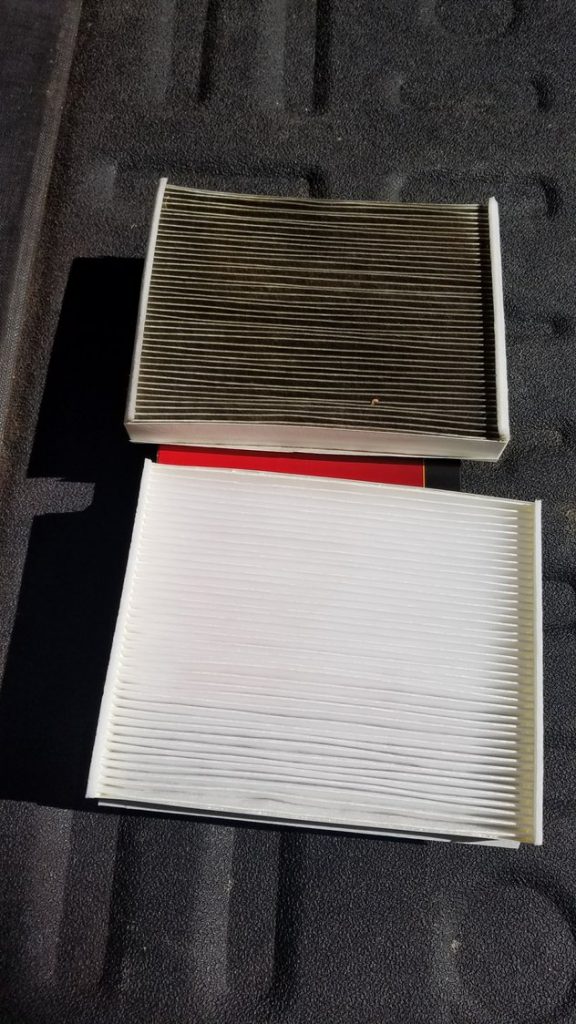
If you own a 2013 Ford F150, you might be wondering about the cabin air filter. Does your truck have one?
And why does it matter to you? The cabin air filter plays a big role in keeping the air inside your vehicle clean and fresh. It helps protect you and your passengers from dust, pollen, and other pollutants. Knowing whether your F150 has this filter—and how to check or replace it—can improve your driving comfort and health.
Keep reading to find out everything you need to know about the cabin air filter in your 2013 Ford F150.
Cabin Air Filter Basics
A cabin air filter plays a key role in keeping the air inside your vehicle clean. It filters dust, pollen, and other particles from the air that comes through the vents. This filter helps create a healthier and more comfortable driving experience. Understanding the basics of cabin air filters can help you maintain your vehicle better.
Purpose And Benefits
The cabin air filter stops dirt, pollen, and dust from entering the car’s cabin. It improves air quality, which helps reduce allergies and respiratory issues. A clean filter also keeps the HVAC system running smoothly. It prevents bad odors and keeps the windows from fogging up. Overall, it makes driving safer and more pleasant.
Common Locations In Vehicles
Most cabin air filters are located behind the glove box or under the dashboard. Some models place the filter under the hood near the windshield. The exact spot varies by car make and model. In many trucks, including the 2013 Ford F150, you can find the filter behind the glove compartment. Knowing the location helps with easy inspection and replacement.
2013 Ford F150 Cabin Air Filter
Understanding whether your 2013 Ford F150 has a cabin air filter is crucial for maintaining a clean and healthy environment inside your truck. Many drivers overlook the importance of this component, but it plays a significant role in filtering out dust, pollen, and other airborne particles from the air entering your cabin. Let’s delve into the specifics of the cabin air filter in your 2013 Ford F150.
Presence Of Cabin Air Filter
Interestingly, not all 2013 Ford F150 models are equipped with a cabin air filter. It was an optional feature, which means some trucks have it while others don’t. If you’re unsure about your truck, a quick check can resolve this.
Why does this matter? A cabin air filter keeps the air inside your truck cleaner and can impact the performance of your heating and air conditioning system. Without it, you might experience a build-up of dust and allergens that could affect your comfort and health.
Filter Location In The Truck
If your 2013 Ford F150 does have a cabin air filter, finding it is your next step. Typically, it’s located behind the glove compartment. You might need to remove a few screws or clips to access it.
Accessing the filter is a straightforward process that you can do yourself with minimal tools. Remember, regular checks and replacements of the cabin air filter can lead to cleaner air and a more efficient HVAC system in your truck.
Have you ever checked your cabin air filter? It’s a small step that can make a big difference in your driving experience. Consider taking a few moments to ensure your truck’s air quality is up to par.
Replacing The Cabin Air Filter
Replacing the cabin air filter in a 2013 Ford F150 helps keep the air inside clean. A fresh filter improves air quality and reduces odors. This simple task can be done at home with basic tools and a little time. Regular replacement protects the HVAC system and enhances comfort during drives.
Tools Needed
- New cabin air filter (compatible with 2013 Ford F150)
- Flathead screwdriver or trim removal tool
- Gloves (optional for cleanliness)
- Flashlight (optional for better visibility)
Step-by-step Replacement Guide
- Open the passenger side door and locate the glove box.
- Empty the glove box for easier access.
- Use the screwdriver to remove the glove box stops if needed.
- Lower the glove box to reveal the cabin air filter cover.
- Press the tabs on the cover to open it carefully.
- Pull out the old cabin air filter gently.
- Check the filter’s direction before removing.
- Insert the new filter with the airflow arrows pointing correctly.
- Close the filter cover and ensure it snaps into place.
- Lift the glove box back into position and reattach stops.
- Close the glove box and test the airflow from vents.

Credit: www.ebay.com
Maintenance Tips
Keeping your 2013 Ford F150’s cabin air filter in good shape is key to enjoying clean air inside your truck. Regular maintenance not only improves air quality but also helps your HVAC system work efficiently. Let’s look at practical tips to keep your filter fresh and your driving experience comfortable.
Recommended Replacement Frequency
Ford suggests changing the cabin air filter every 15,000 to 20,000 miles. However, this can vary based on where you drive. If you often travel on dusty roads or in heavy traffic, you might need to replace it more frequently.
Think about your environment—do you live in a city with lots of pollution or a rural area with dust? Adjust your replacement schedule accordingly. Checking the filter at least twice a year is a good habit to catch any buildup early.
Signs Of A Dirty Filter
You might not notice a dirty cabin air filter until it affects your driving comfort. Watch for these signs:
- Reduced airflow:The air from your vents feels weaker than usual.
- Unpleasant odors:A musty or stale smell inside the truck.
- Increased dust inside:More dust settling on surfaces despite cleaning.
- Foggy windows:Difficulty clearing condensation.
Have you experienced any of these while driving your F150? Replacing the filter can often fix these issues quickly and improve your cabin’s air quality.
Benefits Of Regular Filter Changes
Changing the cabin air filter regularly keeps your truck’s interior fresh and clean. It stops dust, pollen, and other particles from entering the cabin. This simple task helps protect your health and makes driving more pleasant. Neglecting the filter can lead to clogged vents and poor air circulation. Keeping the filter fresh improves overall comfort during every trip.
Improved Air Quality
A clean cabin air filter traps dust, pollen, and pollutants effectively. It reduces allergens that can cause sneezing or coughing. Fresh air flows through the vents, creating a healthier environment. Good air quality benefits everyone, especially those with allergies or breathing issues. Changing the filter often keeps the air inside the truck safe and fresh.
Enhanced Hvac Performance
The cabin air filter supports the heating and cooling system. A clean filter lets air flow smoothly through the vents. This helps the HVAC system work faster and use less energy. A dirty filter makes the system work harder and wear out sooner. Regular filter changes keep your HVAC system running well and save money on repairs.

Credit: www.youtube.com

Credit: www.ebay.com
Frequently Asked Questions
Does A 2013 Ford F150 Have A Cabin Air Filter?
Yes, the 2013 Ford F150 is equipped with a cabin air filter. It helps clean the air entering the vehicle’s interior. This filter improves air quality by trapping dust, pollen, and other airborne particles.
Where Is The Cabin Air Filter Located In 2013 Ford F150?
The cabin air filter in a 2013 Ford F150 is located behind the glove box. To access it, you need to remove the glove box carefully. This placement makes filter replacement fairly simple.
How Often Should I Replace The Cabin Air Filter?
For optimal air quality, replace the cabin air filter every 12,000 to 15,000 miles. If you drive in dusty or polluted areas, consider changing it more frequently. Regular replacement ensures clean air inside your truck.
What Are Signs Of A Clogged Cabin Air Filter?
Common signs include reduced airflow from vents, unpleasant odors, and increased dust inside the cabin. You might also notice foggy windows or allergy symptoms worsening. These signs indicate it’s time for a filter change.
Conclusion
The 2013 Ford F150 does have a cabin air filter. It helps keep the air inside clean and fresh. Changing it regularly improves air quality and comfort. A clean filter also protects the vehicle’s ventilation system. Checking the filter is simple and takes little time.
Don’t ignore this small part; it makes a difference. Your truck will feel better for you and your passengers. Keep the cabin air filter in good shape to enjoy a healthier ride.