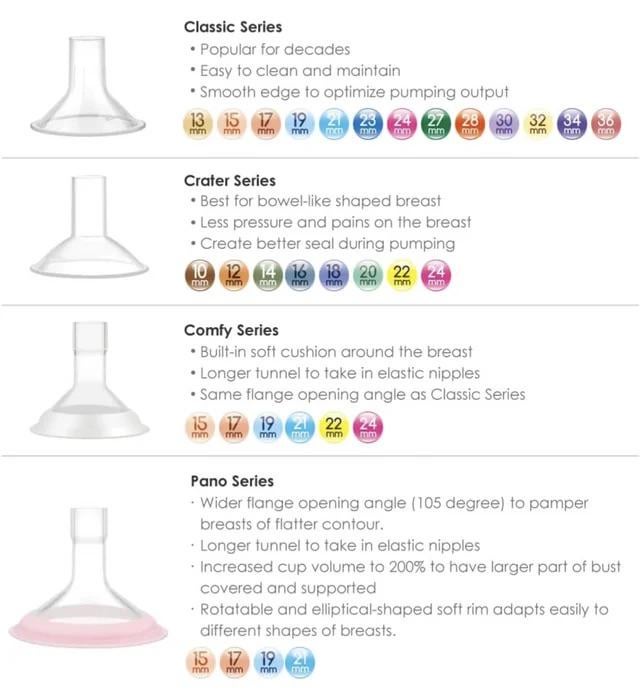
Many new mothers ask, “Does a breast pump hurt?” It is a common question. Using a breast pump can feel strange at first. But most women do not find it very painful. This article will explain what to expect when you use a breast pump. We will share tips to make pumping easier and more comfortable. Keep reading to learn more.
What Is a Breast Pump?
A breast pump is a tool. It helps mothers collect milk from their breasts. This milk can feed the baby later. Pumps can be electric or manual. Electric pumps use a motor to create suction. Manual pumps need you to squeeze a handle. Both types work well. The pump pulls milk from the breast.
Why Do Mothers Use Breast Pumps?
- To feed babies when mothers are away.
- To increase milk supply.
- To relieve full or painful breasts.
- To store milk for later use.
Does It Hurt When You Use a Breast Pump?
Some mothers feel a little discomfort. Others feel no pain at all. Pain depends on many things. Like the pump settings and how you use it. If the pump is too strong, it can hurt. If the pump is the right size and speed, it should not hurt.
At first, the feeling may be strange or odd. Your body needs time to get used to the pump. After a few uses, most mothers feel more comfortable. It is normal to feel some tugging or pulling. But sharp pain is not normal. If you feel pain, stop and check the pump.
How to Use a Breast Pump Without Pain
Follow these tips to avoid pain:
- Choose the right breast shield size. The shield fits over your nipple. If it is too small or too big, it can hurt.
- Start with low suction. Begin at a low speed. Slowly increase if you feel okay.
- Make sure the pump parts fit well. Check for cracks or leaks in the pump parts. Leaks can reduce suction and cause discomfort.
- Relax while pumping. Stress can make your body tense. Try to sit comfortably and breathe slowly.
- Use warm compresses before pumping. Warmth helps milk flow and reduces discomfort.
- Massage your breasts gently. This can help milk move and reduce pain.
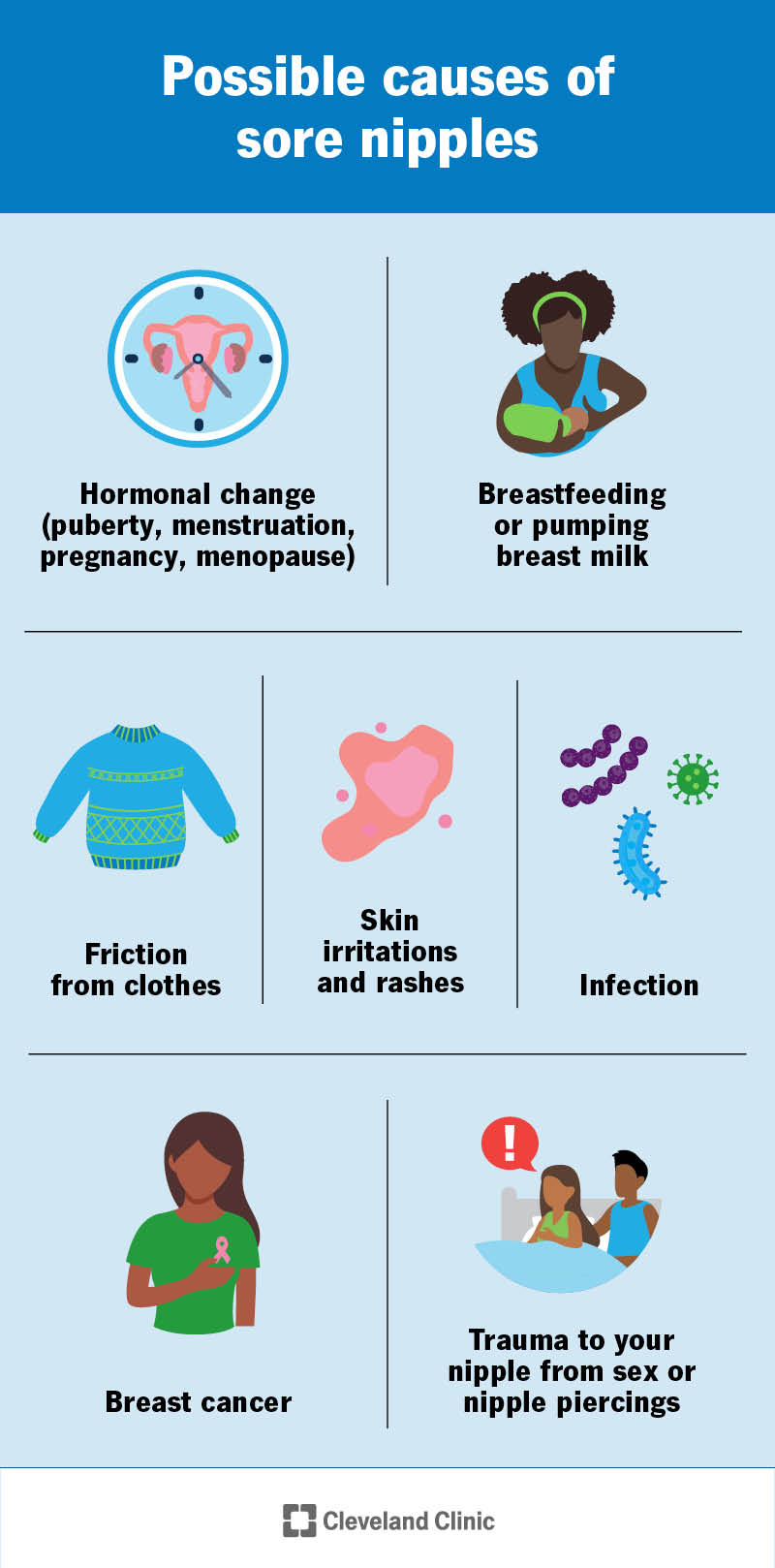
Credit: my.clevelandclinic.org
Common Reasons for Breast Pump Pain
If you feel pain, it is often for these reasons:
| Reason | Explanation |
|---|---|
| Wrong shield size | A shield too small or big can pinch or pull skin. |
| High suction level | Too strong suction can hurt sensitive nipples. |
| Poor pump fit | Leaks or loose parts reduce comfort and suction. |
| Damaged nipples | Cracks or sores can make pumping painful. |
| Incorrect pumping technique | Not positioning the pump correctly causes pain. |
What to Do If Pumping Hurts
If you feel pain, try these steps:
- Check the shield size and try a different one if needed.
- Lower the suction setting on your pump.
- Make sure the pump fits well and parts are tight.
- Apply warm compresses before pumping.
- Massage your breasts to help milk flow.
- Take breaks if your nipples feel sore.
- Use nipple cream to soothe irritation.
If pain continues, talk to a nurse or doctor. They can help find the cause. Sometimes a lactation consultant can give good advice. They can show better ways to pump and care for your breasts.
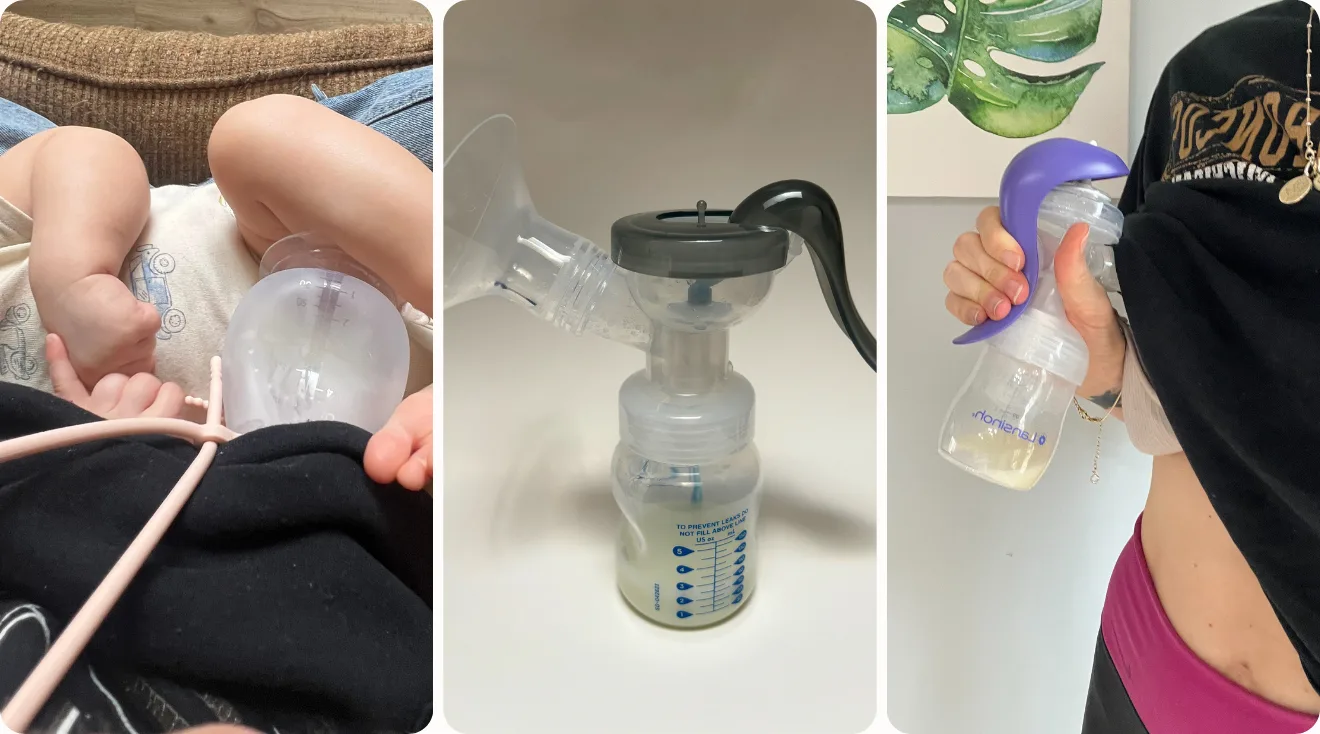
Credit: www.thebump.com
When Does Breast Pumping Usually Hurt Less?
Pumping may feel uncomfortable at first. But it gets easier with practice. Your body learns how to release milk better. Nipples also become stronger over time. Most mothers say pumping hurts less after the first week.
Regular pumping helps your body adjust. Try to pump at the same times each day. This creates a routine for milk flow. Remember, it is normal to feel some pulling. But sharp pain should not happen.
Benefits of Comfortable Breast Pumping
When pumping feels okay, mothers can:
- Collect more milk for the baby.
- Feed the baby even when away.
- Relieve breast fullness and pain.
- Build confidence in breastfeeding.
Comfort helps mothers keep pumping regularly. This keeps milk supply steady. It also supports baby’s health with good breast milk.
Summary Table: Does a Breast Pump Hurt?
| Question | Answer |
|---|---|
| Does pumping hurt? | Usually no, but some feel mild discomfort. |
| What causes pain? | Wrong size, high suction, poor fit, or sores. |
| How to reduce pain? | Use right shield, low suction, warm compress, and massage. |
| When does it get easier? | After a few days or one week of regular use. |
| When to see a doctor? | If pain is strong or lasts for many days. |
Final Thoughts
Using a breast pump can feel new and strange. Some mild discomfort is normal at first. Most mothers find ways to make pumping more comfortable. Choosing the right pump parts and settings helps a lot. Warmth and massage can ease feelings too.
If you feel sharp pain, stop and check your pump. Ask for help if needed. Remember, pumping is a skill. It takes time to get used to it. With patience and care, pumping can be a pain-free part of your day.
Breast pumps help mothers feed their babies well. Learning how to use them without pain makes the experience better. Keep trying, and take care of your breasts. Your baby will thank you for the love and care.
Frequently Asked Questions
Does Using A Breast Pump Cause Pain?
Some women feel mild discomfort, but proper use usually prevents pain.
How Can I Reduce Breast Pump Pain?
Use the right size flange and adjust suction to a comfortable level.
Is Pain Common During First-time Breast Pump Use?
Mild soreness is normal at first but should ease with practice.
Can Incorrect Flange Size Cause Breast Pump Pain?
Yes, a wrong flange size often leads to pain and nipple damage.