Have you ever wondered if your car’s air conditioner uses gas? It’s a common question, especially when you’re trying to understand how your vehicle works or why your fuel costs might be changing.
Knowing the answer can help you take better care of your car and save money in the long run. You’ll discover exactly how your car’s AC system operates and whether it affects your gas tank. Keep reading—you’ll be surprised by what you learn!
Credit: wefixautoservices.com
How Car Air Conditioners Work
A car air conditioner cools the inside of your vehicle. It uses a special system to remove heat from the air.
The system moves heat outside the car to make the air inside cooler and more comfortable.
Role Of Refrigerant Gas
Refrigerant gas is the key part that cools the air in the car. It absorbs heat from inside the car.
The gas changes from a liquid to a gas and back again to move heat outside the vehicle.
- Refrigerant carries heat away from the cabin air
- It flows through pipes in the air conditioner system
- It changes state to help remove heat effectively
Cooling Cycle Basics
The cooling cycle uses the refrigerant to take heat from inside the car. The cycle repeats to keep the air cool.
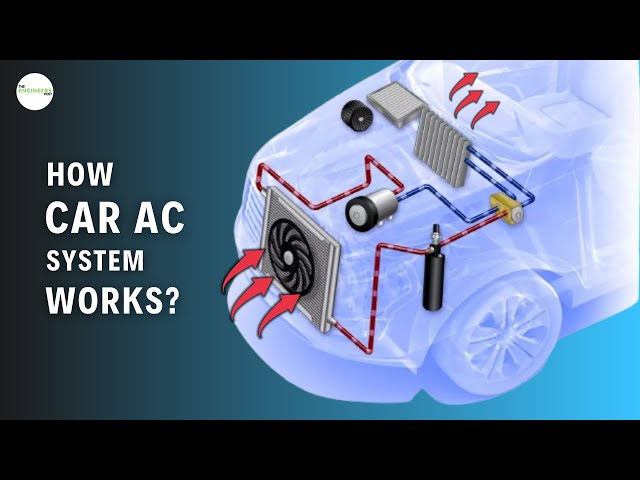
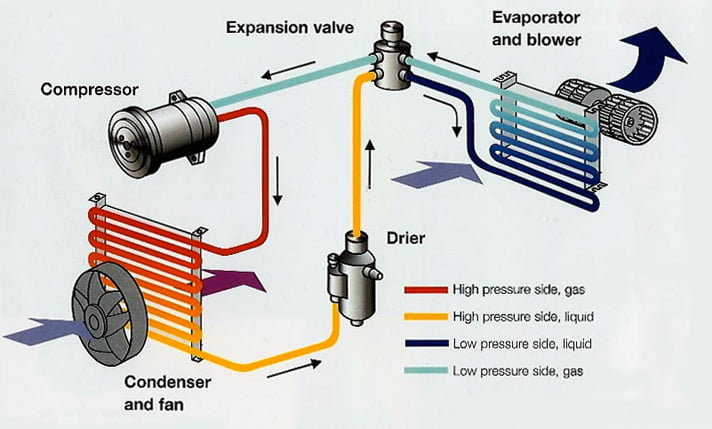
The main parts include the compressor, condenser, expansion valve, and evaporator.
- Compressor pumps the refrigerant gas
- Condenser cools the gas into liquid outside the car
- Expansion valve lowers pressure of the liquid refrigerant
- Evaporator lets refrigerant absorb heat inside the car
Types Of Gases Used In Car Ac
Car air conditioners use special gases called refrigerants. These gases help cool the air inside the car. Different types of gases have been used over the years. Each gas has unique features and effects on the environment.
Understanding the types of gases can help you know how your car AC works. It also shows why some gases are being replaced with better options.
Common Refrigerants
The most common gases used in car air conditioners include R-12, R-134a, and R-1234yf. Each gas has different cooling power and safety levels.
- R-12 (Freon): Used in older cars. It is very effective but harms the ozone layer.
- R-134a: Became popular after R-12 was banned. It does not harm the ozone but has a high global warming potential.
- R-1234yf: A newer gas with low global warming potential. It is safer for the environment and is now used in many new cars.
Environmental Impact Of Gases
| Refrigerant | Ozone Depletion | Global Warming Potential (GWP) | Environmental Notes |
| R-12 | High | Very High | Phased out due to ozone damage |
| R-134a | None | High | Still used but being replaced |
| R-1234yf | None | Very Low | Preferred for new vehicles |
Gas Consumption In Car Ac Systems
Car air conditioners use a special gas called refrigerant to cool the air inside the vehicle. This gas works in a closed system and helps absorb heat from the car’s interior. Many people wonder if the car’s engine fuel is used to power the AC and how gas consumption happens in these systems.
Understanding how gas consumption works in car AC systems can help you maintain your vehicle better. It also explains why your fuel consumption might change when using the air conditioner.
Does Ac Use Engine Fuel?
The air conditioner in a car does not directly use engine fuel. Instead, the AC system runs on the car’s engine power through a belt-driven compressor. When the AC is on, the compressor works harder, which makes the engine use more fuel. This means the AC affects fuel consumption indirectly.
- The AC compressor uses engine power to operate.
- Engine works harder when the AC is on.
- Fuel consumption increases slightly with AC use.
- The refrigerant gas itself is not burned or used as fuel.
Gas Leakage And Refilling
Refrigerant gas in the car AC system can leak over time. Leaks reduce cooling efficiency and can harm the environment. When the gas leaks, the system needs refilling to work properly again. Regular checks help find leaks early and keep the AC running well.
| Cause | Effect | Action Needed |
|---|---|---|
| Small leak in AC pipes | Lower cooling power | Refill refrigerant and repair leak |
| Worn-out seals | Gas escapes slowly | Replace seals and recharge gas |
| Damaged compressor | System stops cooling | Repair or replace compressor |
Signs Of Low Refrigerant Gas
Car air conditioners use refrigerant gas to cool the air inside the vehicle. If this gas runs low, the air conditioner will not work well. It is important to know the signs that show the refrigerant gas is low.
Low refrigerant can cause the AC system to lose its cooling power and may damage parts. Watch for these common signs to keep your car cool.
Decreased Cooling Efficiency
The most obvious sign of low refrigerant gas is that the air conditioner cools less. The air coming out may feel warm or not cold enough.
This happens because there is not enough refrigerant to absorb heat from the car’s interior. You may notice the AC takes longer to cool the car or stops cooling on hot days.
- Air feels warm or less cold
- Longer time to cool the car
- AC stops cooling on hot days
Unusual Noises Or Smells
Low refrigerant can cause strange sounds from the AC system. You might hear hissing or bubbling noises when the system runs.
Sometimes, a chemical smell can come from the vents. This smell may be caused by leaking refrigerant gas or moisture build-up.
- Hissing or bubbling noises
- Unusual chemical smells
- Musty or damp odors from vents
Maintaining Your Car’s Air Conditioner
Keeping your car’s air conditioner in good shape ensures cool air in hot weather. Regular care helps the system work efficiently.
Understanding how to maintain the air conditioner can save costly repairs and improve your comfort while driving.
Regular Gas Checks
The air conditioner uses refrigerant gas to cool the air inside your car. Over time, this gas may leak or reduce in amount.
Check the gas level regularly to keep the cooling system effective. Low refrigerant can cause poor cooling and damage the compressor.
- Inspect for leaks around hoses and connections.
- Listen for unusual noises when the AC runs.
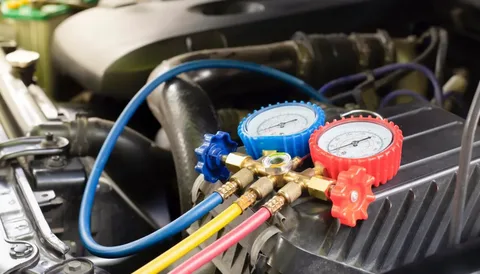
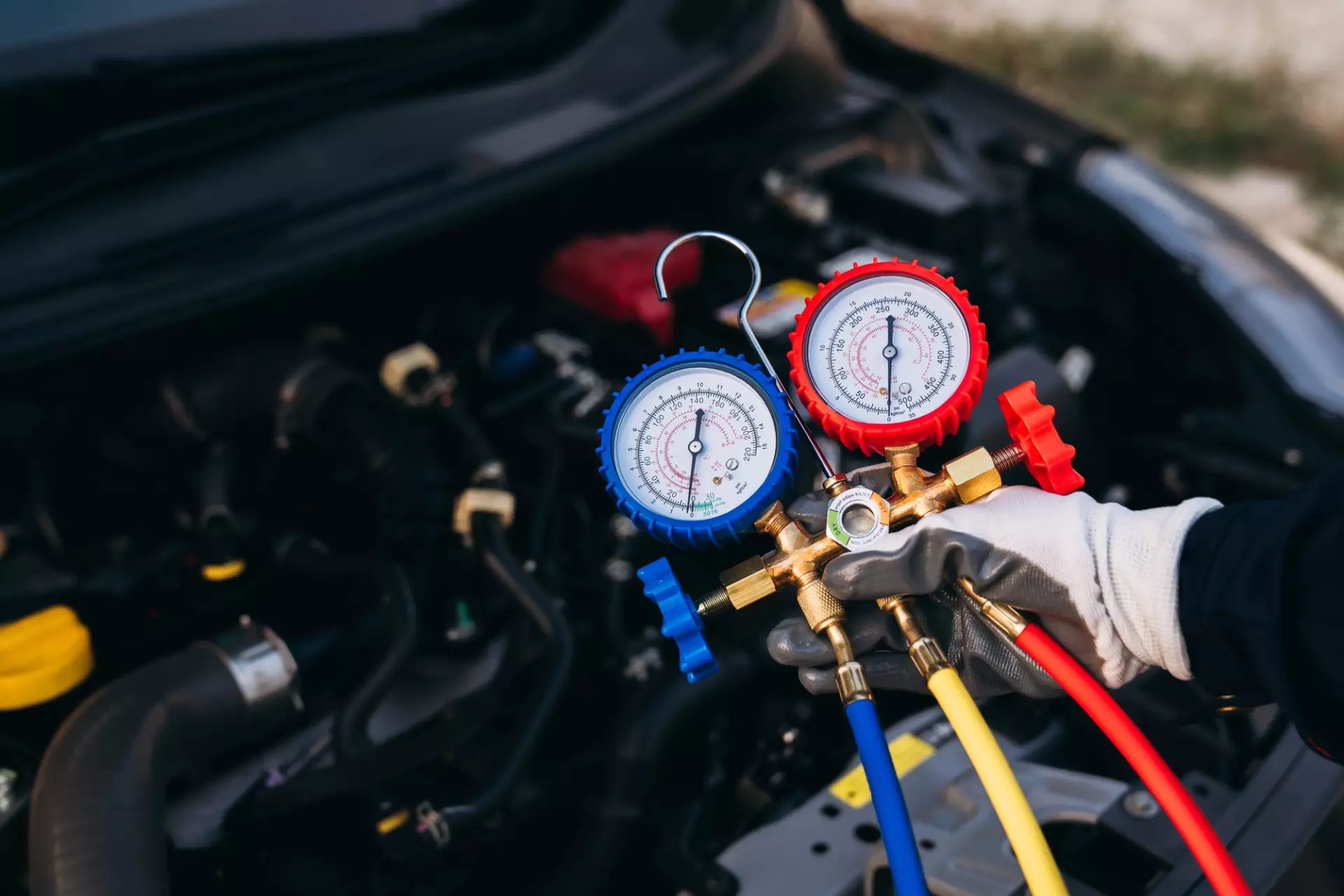
- Use a gauge to measure refrigerant pressure.
- Refill the gas if the level is below the recommended amount.
Professional Servicing Tips
Take your car to a professional for regular air conditioner servicing. Experts can spot hidden problems and perform detailed checks.
| Service Task | Purpose |
| Refrigerant recharge | Restore proper cooling function |
| Leak detection | Find and fix gas leaks |
| Compressor inspection | Ensure the compressor works well |
| Clean condenser coils | Improve heat exchange efficiency |
Credit: royaltonautoservice.com
Myths About Car Ac And Gas Usage
Many people think car air conditioners use gas directly. This is not true. The AC system uses refrigerant, not gasoline.
People often confuse how the car’s engine and AC work together. Let’s clear up some common myths about fuel use and safety.
Fuel Consumption Myths
Some believe running the AC wastes a lot of fuel. The AC compressor uses engine power, which can slightly increase fuel use.
The extra fuel used depends on many factors like car size and outside temperature. It is not because the AC uses gas directly.
- AC uses engine power, not gasoline directly.
- Fuel increase is usually small and varies by car.
- Turning on AC does not drain your gas tank quickly.
Safety Concerns
Some people worry that the AC system leaks gas. The AC uses refrigerant, a special gas, but it is sealed inside the system.
Leaks can happen but they are rare and usually not dangerous. Regular maintenance keeps the system safe and working well.
- Car AC uses refrigerant gas, not fuel gas.
- Refrigerant leaks are rare and should be fixed by a mechanic.
- AC systems are designed to be safe for drivers and passengers.
Credit: www.hdaccondenser.com
Frequently Asked Questions
Does A Car Air Conditioner Use Gas From The Engine?
No, a car air conditioner does not use engine gas. It uses refrigerant gas, like R-134a or R-1234yf, to cool the air inside the vehicle.
What Type Of Gas Does A Car Ac Use?
Car air conditioners use a special refrigerant gas, not gasoline. Common types include R-134a and the newer R-1234yf refrigerants.
Can A Car Ac Run Without Refrigerant Gas?
No, a car AC cannot run without refrigerant gas. The refrigerant absorbs heat and cools the cabin air, making it essential.
Does Refilling Car Ac Gas Improve Cooling?
Yes, refilling the refrigerant gas can improve cooling if the AC system has leaks or low gas levels.
Conclusion
Understanding how a car air conditioner uses gas helps. It uses gas indirectly. The engine powers the AC compressor. This needs fuel. So, running the AC can increase fuel use. But comfort in hot weather is worth it. Small changes in driving habits help save fuel.
Enjoying a cool car ride is easy with this knowledge. This insight keeps you informed and prepared. It makes summer drives more pleasant. Stay cool and drive smart!