Are you thinking about starting a compost bin but worried it might attract rats? You’re not alone.
Many people love the idea of turning kitchen scraps into rich soil but hesitate because of pests. What if your compost bin becomes a magnet for unwanted visitors? You’ll discover the truth about compost bins and rats. You’ll learn simple tips to keep your compost safe and pest-free.
Keep reading to protect your garden and enjoy composting without the stress.
Compost Bins And Rats
Compost bins help recycle food waste into soil. Many people worry if compost bins attract rats.
Understanding how rats react to compost can help keep them away. Good compost habits reduce rodent problems.
Why Rats Are Attracted To Compost Bins
Rats look for food and shelter. Compost bins can provide both if not managed well.
Food scraps like meat or dairy attract rats. Warm, dark compost bins offer shelter too.
- Leftover fruits and vegetables
- Meat and dairy scraps
- Warm, moist environment
- Easy access to food
How To Prevent Rats From Visiting Your Compost Bin
Keep your compost bin clean and sealed. Avoid adding food that attracts rats.
Turn your compost often to keep it hot. Hot compost kills pests and their eggs.
- Use a sealed bin with a tight lid
- Do not add meat, bones, or dairy
- Turn compost regularly to keep heat
- Place bin away from buildings and walls
Signs Of Rats Around Compost Bins
Look for rat droppings near the compost bin. You might also hear scratching sounds at night.
Rats leave tracks and burrows close to food sources. Check for damaged bin parts or holes.
- Small black droppings
- Scratch or scurry sounds
- Burrows near the bin
- Chewed holes in bin or cover
Best Compost Bin Types To Reduce Rats
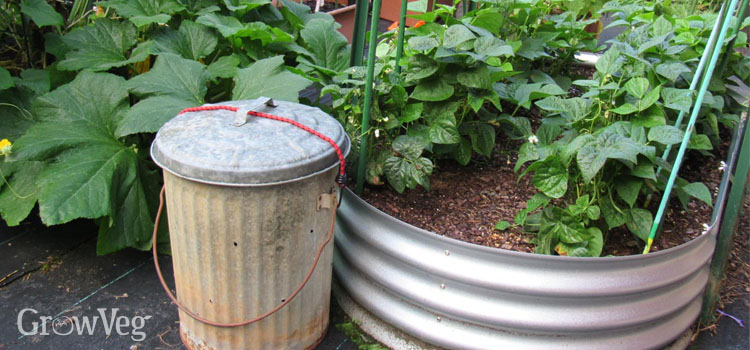
Metal and plastic bins with tight lids keep rats out. Closed compost tumblers work well too.
Bins raised off the ground stop rats from burrowing inside. Choose bins designed to keep pests away.
- Metal bins with sealed lids
- Plastic bins with locking covers
- Compost tumblers that spin
- Bins elevated on legs or stands
Credit: www.growveg.com
Why Rats Are Drawn To Compost
Compost bins hold organic waste that rats find very attractive. These bins offer food and shelter. Understanding why rats come can help keep them away.
Rats look for places where they can find food easily. Compost bins often have scraps that smell strong. This smell pulls rats close.
Food Sources In Compost
Rats are attracted to food scraps in compost. They love leftovers like fruit peels, vegetable scraps, and bread. These scraps give them energy and nutrients.
- Fruit and vegetable waste
- Cooked food remains
- Grains and bread pieces
- Eggshells with bits of membrane
Shelter And Nesting Opportunities
Compost bins provide warm and dark places. Rats use these spots to hide and build nests. Piles of compost create safe homes for them.
Moisture And Warmth In Compost
Compost keeps moisture and heat inside. Rats need water to survive. The warmth helps them stay comfortable. These conditions make compost bins ideal for rats.
| Factor | Why It Attracts Rats |
| Food scraps | Easy source of nutrition |
| Dark shelter | Safe place to hide and nest |
| Moisture | Needed for survival |
| Warmth | Keeps rats comfortable |
Common Mistakes That Invite Rodents
Compost bins are great for recycling food scraps. But some habits can attract rats and mice. Knowing these common mistakes helps keep your compost rodent-free.
Rats look for easy food and shelter. If your compost bin has certain problems, it becomes a perfect home for them.
Improper Food Waste Management
Leaving certain food scraps in your compost bin can attract rodents. Foods high in sugar, fat, or strong smells are especially tempting.
- Do not add meat, dairy, or oily foods to compost.
- Avoid adding large amounts of fruit scraps at once.
- Cover food waste with dry leaves or soil to reduce odors.
- Chop food scraps into smaller pieces to speed decomposition.
Lack Of Bin Maintenance
Neglecting your compost bin can cause problems. If the pile stays wet or too dry, it slows down composting and draws pests.
| Maintenance Issue | Effect |
| Not turning compost | Slows decomposition, causes odor |
| Too wet | Creates smell, attracts rodents |
| Too dry | Stops breakdown, leaves food scraps exposed |
| Ignoring bin leaks | Invites pests and rodents |
Open Or Unsecured Bins
Bins without tight lids let rodents easily enter. Rats can squeeze through small gaps to reach food inside.
To keep rodents out, make sure your bin:
- Has a secure, tight-fitting lid
- Is raised slightly off the ground
- Has no holes or cracks in its walls
- Is placed away from walls or fences rodents can climb
Credit: www.theguardian.com
Choosing The Right Compost Bin
Picking the right compost bin helps keep pests away. A good bin controls smells and blocks access.
Different bins have features that stop rats and other animals from getting inside.
Types Of Bins That Deter Pests
Some compost bins are built to keep rats and pests out. Look for sturdy materials and secure lids.
- Plastic bins with tight-fitting lids
- Metal bins that rats cannot chew through
- Bins raised off the ground to block entry
- Rotating bins that keep compost moving and less attractive
- Sealed tumblers that lock out pests
Features To Look For
Choose bins with features that stop rats from entering. These make composting safe and clean.
| Feature | Benefit |
| Secure Lid | Stops rats and odors from escaping |
| Fine Mesh Ventilation | Allows air flow but blocks small pests |
| Elevated Base | Prevents rats from burrowing inside |
| Durable Material | Resists chewing and weather damage |
| Easy Access Door | Helps you turn compost without exposing contents |
Effective Composting Techniques
Composting helps reduce waste and improve soil health. Using the right techniques keeps pests away.
Rats can be attracted by smells from compost bins. Proper composting can prevent this problem.
Balancing Greens And Browns
Greens are wet materials like food scraps and grass. Browns are dry materials like leaves and paper.
Mixing greens and browns keeps compost healthy and stops bad smells. This reduces rodent attraction.
- Use two parts browns to one part greens
- Too many greens cause bad smells
- Too many browns slow down composting
- Proper mix keeps compost dry and smells fresh
Proper Layering Methods
Layering helps balance air and moisture in the compost. It also hides food scraps from rats.
Start with a layer of browns, then add greens. Repeat layers to build the compost pile.
- First layer: coarse browns like twigs or straw
- Next layer: greens like vegetable scraps
- Cover greens with a brown layer to reduce smell
- Turn pile regularly to add air and speed composting
Natural Repellents And Barriers
Compost bins can attract rats if not managed well. Using natural repellents helps keep rats away without harmful chemicals.
Physical barriers also stop rats from entering your compost bin. These methods protect your compost and garden naturally.
Using Natural Scents
Rats dislike certain strong smells. Using natural scents around the compost bin can help repel them.
Essential oils, herbs, and spices work well to keep rats away. You can place them near or inside the bin.
- Peppermint oil soaked cotton balls
- Cloves or clove oil
- Garlic cloves or garlic powder
- Cayenne pepper sprinkled around the bin
- Bay leaves placed inside the compost
Physical Barriers To Consider
Strong physical barriers keep rats from reaching the compost. Use materials that rats cannot chew through or squeeze past.
Secure lids and wire mesh help block entry points. Make sure the bin is off the ground and well sealed.
- Use hardware cloth or metal mesh with small holes (¼ inch)
- Attach a tight-fitting lid to the compost bin
- Elevate the bin on legs or a platform
- Seal any cracks or gaps in the bin structure
- Place the bin away from walls and fences rats can climb
Regular Maintenance And Monitoring
Keeping your compost bin clean and checked often helps stop rats. Good care keeps pests away and your compost healthy.
Regular checks help catch problems early. You can fix issues before rats become a big problem.
Routine Inspections
Look over your compost bin every few days. Check for holes, loose lids, or spots where rats can enter.
Keep the area around the bin clean. Remove food scraps that fall outside the bin. This stops rats from finding easy food.
- Check lid seals and locks
- Look for holes or gaps
- Clear spilled food or scraps
- Keep compost covered
Signs Of Rodent Activity
Watch for signs that rats are near your compost. Early signs help you act fast to stop them.
Common signs include droppings, gnaw marks, and nests. You may hear scratching noises at night.
- Small dark droppings around the bin
- Gnaw marks on wood or plastic
- Tracks or footprints in soil
- Scratch sounds inside or near the bin
- Nests made of shredded materials
Credit: www.womanandhome.com
Community And Expert Resources
Compost bins can sometimes attract unwanted pests like rats. Knowing where to get help and advice is important for safe composting.
This guide shares community and expert resources to manage compost bins and reduce rodent problems.
Local Gardening Groups
Local gardening groups provide useful tips on composting and pest control. They often share ways to keep rats away naturally.
- Meet experienced gardeners in your area
- Join group discussions about compost maintenance
- Share and learn about pest prevention methods
- Attend workshops on safe composting practices
Professional Pest Control Advice
Experts in pest control offer guidance on handling rats attracted to compost bins. They suggest safe and effective solutions.
| Advice | Details |
| Secure Compost Bins | Use bins with tight lids and solid bases |
| Remove Food Scraps | Avoid adding meat or oily foods to compost |
| Keep Area Clean | Clear spilled food and debris around bins |
| Use Traps or Baits | Consult professionals for safe rodent control methods |
Frequently Asked Questions
Does A Compost Bin Attract Rats To My Garden?
A poorly managed compost bin can attract rats. They seek food scraps and shelter. Properly maintained bins with sealed lids reduce this risk effectively.
How Can I Prevent Rats In My Compost Bin?
Use sealed bins with tight lids. Avoid adding meat, dairy, or oily foods. Turn compost regularly to speed decomposition and deter pests.
What Foods In Compost Attract Rats The Most?
Rats are attracted to meat, dairy, oily, and sugary foods. Avoid adding these to your compost to minimize rodent attraction.
Are Metal Compost Bins Better For Rat Prevention?
Yes, metal bins are harder for rats to chew through. They offer better protection than plastic or wooden bins, reducing rodent access.
Conclusion
A compost bin can attract rats if not managed well. Keep food scraps covered and avoid meat or dairy. Use a bin with a tight lid and small holes. Regular turning and proper balance of green and brown materials help.
Clean the area around the bin to reduce smells. These steps lower the chance of rats visiting your compost. Composting stays safe and useful with simple care. Your garden benefits, and pests stay away.