Are you in the middle of setting up your kitchen and wondering if your dishwasher needs an air gap? You’re not alone.
Many homeowners face this question and often find themselves confused by conflicting information. You want your kitchen to run smoothly and efficiently, but without the right guidance, it’s easy to feel overwhelmed. The truth is, understanding the role of an air gap can mean the difference between a worry-free kitchen and one that’s prone to mess and malfunction.
Dive into this article to discover why an air gap might just be the unsung hero of your dishwasher setup. Don’t let a small detail turn into a big problem—read on to protect your home and your peace of mind.

Credit: www.youtube.com
Purpose Of An Air Gap
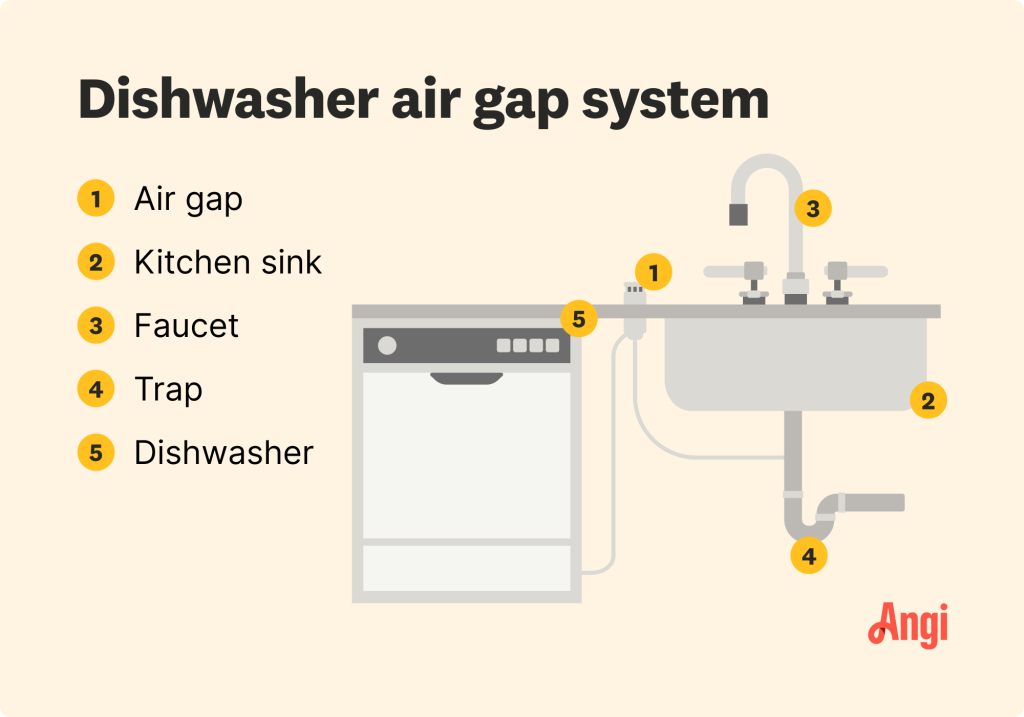
An air gap plays a vital role in dishwasher installations. It serves as a safety feature that protects your home’s water supply. This simple device stops dirty water from flowing back into clean water lines. Understanding its purpose helps you see why many plumbing codes require it.
Preventing Backflow
The main job of an air gap is to stop backflow. Backflow happens when wastewater moves backward into the clean water supply. This can occur if there is a blockage or pressure change in the plumbing. The air gap creates a space that blocks this reverse flow. It acts as a physical break between the dishwasher drain and the sink drain.
Maintaining Water Quality
An air gap helps keep water clean and safe. By preventing contaminated water from mixing with fresh water, it reduces the risk of germs spreading. It also stops food particles, soap residue, and bacteria from entering your drinking water. This helps maintain good hygiene and protects your family’s health.
Air Gap Requirements By Region
Air gap requirements for dishwashers differ widely by location. These rules protect water supply from contamination. Understanding regional rules helps ensure proper installation and safety. Regulations vary by country and even by local areas within countries.
Local Plumbing Codes
Local plumbing codes set rules for dishwasher air gaps. Some areas require an air gap by law. Others allow alternatives like high loops in drain hoses. Inspectors check for compliance during home inspections. Failure to meet local codes can lead to fines or rework.
Check with your city or county building department. They provide the exact rules for your area. Codes focus on preventing dirty water from flowing back into clean water. This keeps drinking water safe and healthy.
Variations Across Countries
Different countries have unique standards for dishwasher air gaps. In the United States, many local codes require a physical air gap. Canada often follows similar rules but with some regional differences.
In Europe, rules vary more widely. Some countries require air gaps, others allow other backflow prevention devices. Australia and New Zealand also have their own plumbing standards. These rules depend on local water safety concerns and plumbing practices.
Always check the regulations that apply where you live or plan to install your dishwasher. Following the correct rules avoids plumbing problems and keeps water safe.
Alternatives To Air Gaps
Not every dishwasher installation requires an air gap. While air gaps provide a reliable way to prevent dirty water from flowing back into your dishwasher, there are other practical options that can keep your kitchen safe and functional. Let’s look at alternatives that can work just as well, depending on your setup and preferences.
High Loop Installation
The high loop is a simple and effective way to prevent backflow without using an air gap. It involves routing the dishwasher drain hose up as high as possible under the sink before connecting it to the drain. This creates a physical barrier that stops wastewater from flowing back into your dishwasher.
Many people find this method easier to install since it doesn’t require extra parts or drilling holes. Have you ever noticed how a hose tied higher than the sink drain seems to keep things flowing correctly? That’s the basic idea behind the high loop.
Keep in mind, local plumbing codes sometimes require an air gap instead of a high loop. So, it’s a good idea to check your area’s regulations before deciding.
Other Backflow Prevention Devices
If you want a solution that offers more security than a high loop but can’t or don’t want to install an air gap, there are other backflow prevention devices available. These include mechanical check valves designed to stop water from reversing direction.
These devices fit inline with your dishwasher drain hose and allow water to flow out but block any dirty water from coming back in. They can be a neat option if you want a compact and less visible solution.
However, not all check valves are created equal. Some might wear out over time or get clogged. Regular maintenance and choosing a quality device are key to keeping your dishwasher safe and running smoothly.
Credit: gps-plumbing.com
Installation And Maintenance
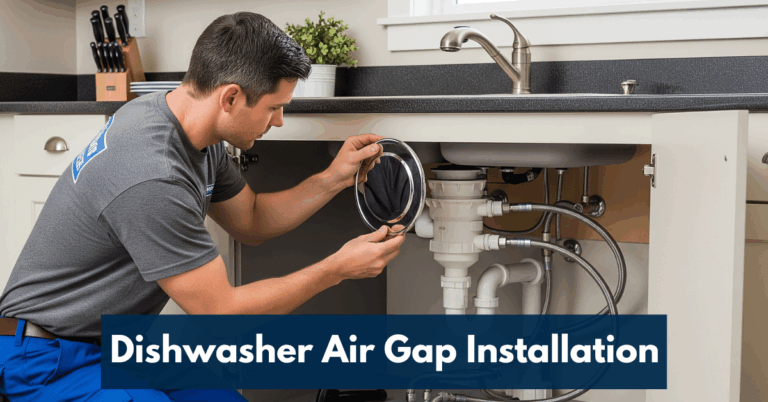
Installing and maintaining a dishwasher air gap correctly can prevent many common plumbing issues. It’s more than just a simple attachment; it plays a key role in keeping your kitchen safe from backflow contamination. Understanding where to place it and how to keep it clean ensures your dishwasher works smoothly and your home stays hygienic.
Proper Placement
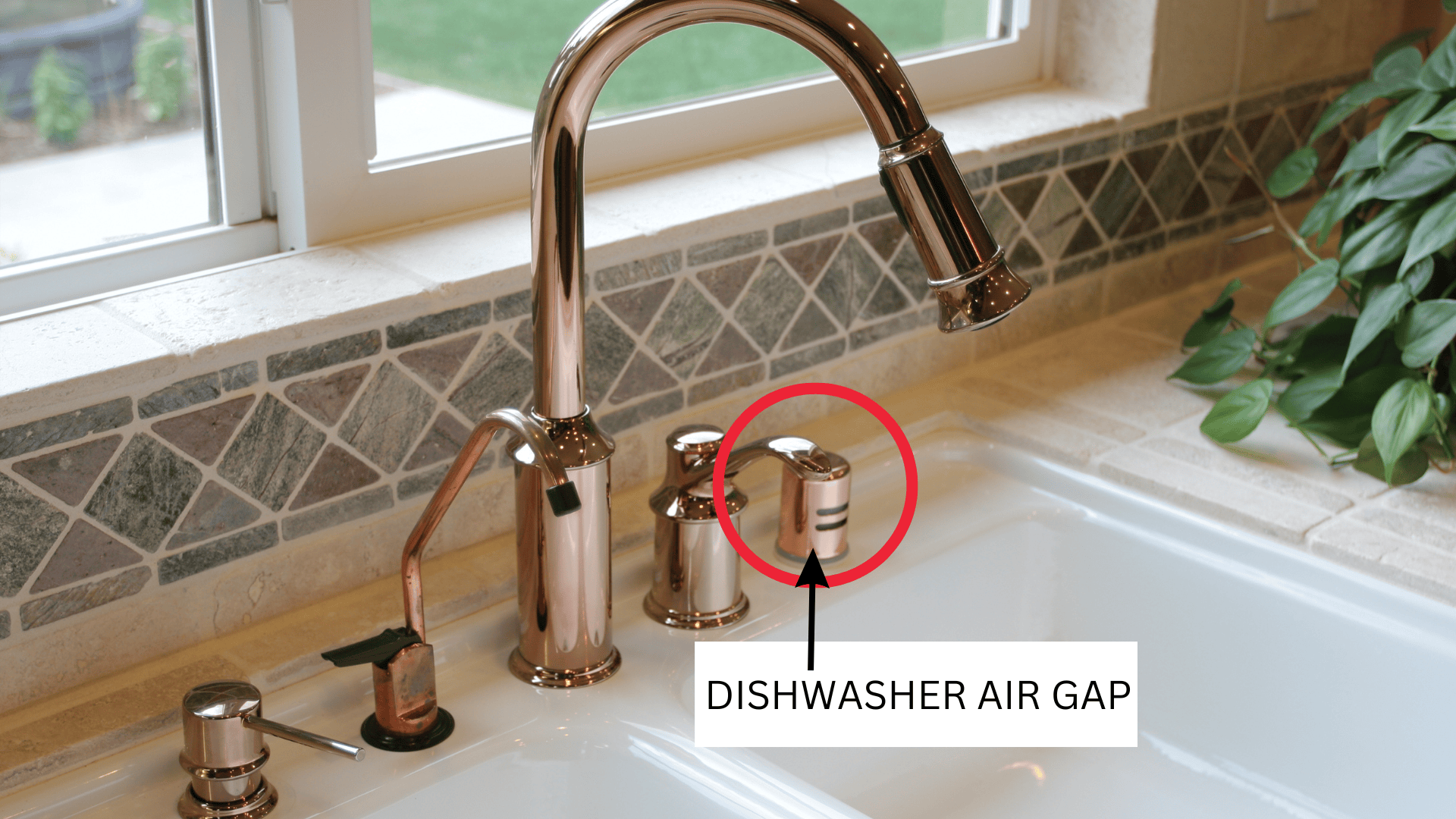
Choosing the right spot for the air gap is crucial. It typically mounts on the countertop or sink deck, close to the dishwasher and drain. This location allows it to effectively block dirty water from flowing back into your dishwasher.
Keep in mind local plumbing codes; some areas require an air gap by law. If your kitchen layout doesn’t allow easy access, consider an alternative like a high loop in the drain hose, but remember, the air gap is the most reliable option.
Have you checked if your current dishwasher setup includes an air gap? If not, inspecting your plumbing might save you from future headaches.
Cleaning And Troubleshooting
Air gaps can get clogged with food particles and debris over time. Regular cleaning is simple and vital—remove the cover and flush the air gap with water. If water pools around the air gap or your dishwasher drains slowly, it’s a sign to clean it.
Sometimes, troubleshooting involves checking the hose connections for kinks or blockages. A quick inspection can reveal whether the problem lies in the air gap or elsewhere in your plumbing.
Have you experienced slow drainage or odors near your dishwasher? Cleaning the air gap might just fix those issues and improve your dishwasher’s performance.
Consequences Of Skipping An Air Gap
Skipping an air gap in your dishwasher setup can lead to several problems. This small device plays a key role in keeping your water safe and your plumbing functional. Ignoring it might cause unexpected issues that affect your home and health.
Health Risks
Without an air gap, dirty water can flow back into your dishwasher. This backflow can contaminate clean dishes with germs and bacteria. It increases the risk of foodborne illnesses for your family. The air gap stops dirty water from mixing with clean water, ensuring hygiene.
Potential Plumbing Issues
An absent air gap can cause water to back up into your sink or dishwasher. This can lead to clogs and slow drainage in your plumbing system. Over time, pressure build-up may damage pipes or the dishwasher itself. Installing an air gap helps prevent costly repairs and keeps water flowing correctly.
Credit: callwhitney.com
Frequently Asked Questions
What Is The Purpose Of A Dishwasher Air Gap?
A dishwasher air gap prevents dirty water from flowing back into the clean water supply. It acts as a safety device to avoid contamination. This device ensures proper drainage and protects your home’s plumbing system from potential blockages or backflow issues.
Is An Air Gap Legally Required For Dishwashers?
Air gap requirements depend on local plumbing codes and regulations. Some regions mandate air gaps to prevent contamination. Others may allow alternatives like high loop drains. Always check your local codes to ensure compliance when installing a dishwasher.
Can A Dishwasher Work Without An Air Gap?
Yes, a dishwasher can work without an air gap if local codes allow it. However, it increases the risk of backflow contamination. Installing an air gap provides a safer, more reliable drainage system for your dishwasher.
How Does An Air Gap Differ From A High Loop?
An air gap is a physical device installed on the sink or countertop. A high loop involves routing the drain hose above the sink’s flood level. Both prevent backflow, but air gaps offer better protection and code compliance.
Conclusion
A dishwasher air gap helps stop dirty water from flowing back. Many local codes require it for safety. Installing one is simple and keeps your water clean. Not all dishwashers come with air gaps built-in. Checking your plumbing rules saves trouble later.
A small part, but it makes a big difference. Keep your kitchen safe and your dishwasher working well. Consider an air gap to protect your home’s water system. It’s a smart step for any dishwasher setup.