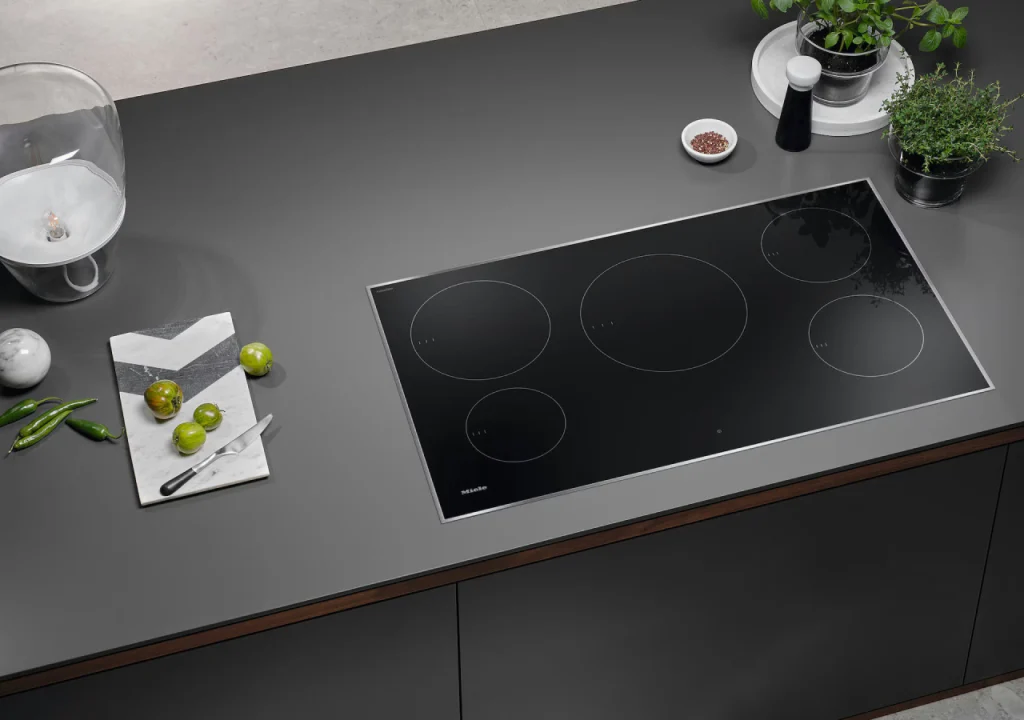
Have you ever wondered if your gas cooktop needs electricity? It’s a common question that can puzzle even the savviest home cooks.
Whether you’re planning a kitchen upgrade or just curious about your current setup, understanding how gas cooktops work can make your life easier. Imagine the convenience of cooking during a power outage or saving on electricity bills. Intrigued? You’re not alone.
This article will unravel the mystery and provide you with clear insights, ensuring your kitchen is always ready for action. Keep reading to discover what really powers your gas cooktop and how it impacts your cooking experience.
How Gas Cooktops Work
Understanding how gas cooktops operate can help you decide if they fit your kitchen needs, especially when considering whether electricity is necessary. These appliances use a straightforward process to generate heat, but some parts might need a bit of electrical help. Let’s break down how these cooktops work.
Basic Mechanism
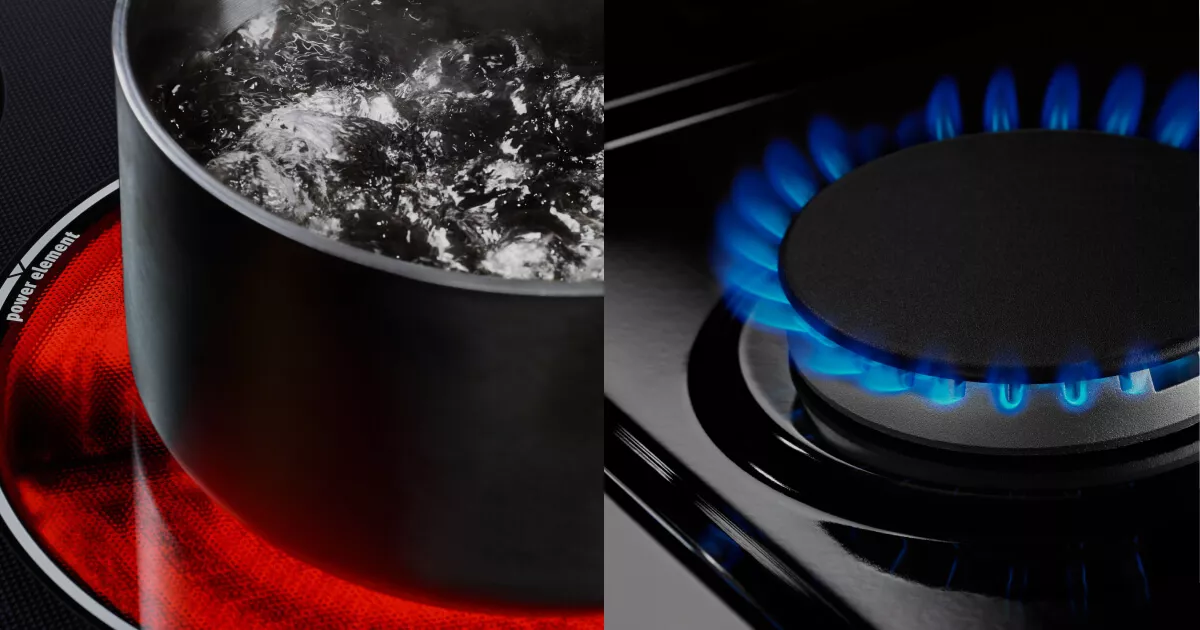
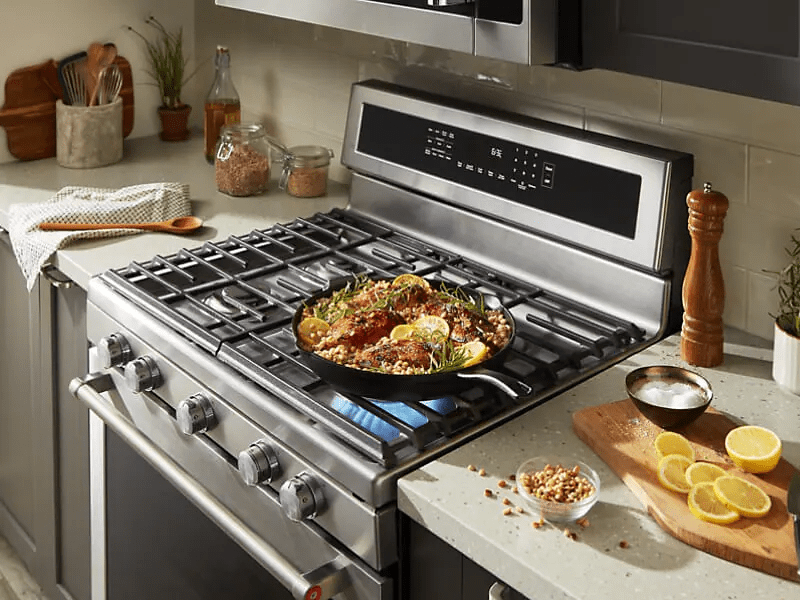
Gas cooktops create heat by burning natural gas or propane. When you turn the knob, the valve opens, allowing gas to flow to the burner. The gas mixes with air and ignites, producing a flame that heats your cookware directly.
Most gas cooktops use a pilot light or an electric igniter to start the flame. The pilot light stays lit continuously, while electric igniters spark only when you turn the knob. This design means some models can work without electricity if they have a standing pilot light, but others need power for ignition.
Role Of Gas Supply
The gas supply is the heart of your cooktop’s operation. It delivers fuel through pipes connected to your home’s gas line or a propane tank. Proper gas flow ensures consistent flame size and heat output.
Without a steady gas supply, the burner won’t light or maintain a flame. You can easily check if the gas is flowing by listening for a faint whoosh sound when you turn the knob. Ever tried cooking only to find the flame won’t light? That’s often a gas supply or ignition issue.
Credit: www.maytag.ca
Electricity In Gas Cooktops
Gas cooktops mainly use gas to cook food, but many models also need electricity. Electricity plays a role in starting the flame and powering small features. Understanding how electricity works in gas cooktops helps users know what to expect from their appliance.
Ignition Methods
Gas cooktops use different ways to light the burner. Some need a spark to ignite the gas. This spark often comes from an electric ignition system. It creates a small electric spark to start the flame safely and quickly.
Other cooktops use a pilot light. This is a small, constant flame that lights the burner. Pilot lights do not need electricity but can waste gas over time. Electric ignition is more common because it saves energy and is safer.
Electric Components
Electric parts in gas cooktops include:
- Igniters that create sparks.
- Electric valves that control gas flow.
- Lights that show burner status.
- Safety sensors to prevent gas leaks.
These components need a power source, usually from a wall outlet or batteries. Without electricity, some cooktops cannot light the burners or use safety features.
Models That Don’t Require Electricity
Gas cooktops that don’t require electricity offer a reliable cooking solution, especially in areas prone to power outages or for those who prefer simplicity. These models operate entirely on gas, eliminating the need for electric ignition systems or power-dependent controls. Understanding your options in non-electric gas cooktops can help you make a smarter kitchen choice.
Manual Ignition Options
Manual ignition gas cooktops use a simple but effective method to light burners. Instead of pressing a button, you ignite the gas with a match or lighter. This old-school technique ensures you can cook even if the power is out.
Some models come with a pilot light that stays lit continuously, so you just turn the knob to release gas and it lights up immediately. Others require lighting each burner individually, which might take a bit more care but adds control and safety.
Have you ever had to cook during a blackout? Manual ignition means you won’t be stuck without heat. It’s a practical feature that many overlook until they really need it.
Advantages Of Non-electric Cooktops
Choosing a gas cooktop that works without electricity comes with clear benefits. First, they offer total independence from the power grid. This means your cooking won’t stop during outages or in off-grid living situations.
Second, these cooktops often have fewer parts that can break or malfunction. Without electronic ignition systems, maintenance is simpler and repairs tend to be less costly.
Additionally, non-electric models give you more control over your flame. You can adjust the heat instantly without waiting for electric ignition cycles.
- Works during power outages
- Lower maintenance and repair costs
- Instant control over burner flames
- Suitable for remote or off-grid locations
Wouldn’t it be reassuring to know your stove is always ready, no matter the power situation? This reliability is why many chefs and home cooks still prefer manual ignition gas cooktops.

Credit: ajeanneinthekitchen.com
Benefits Of Electric Ignition
Electric ignition offers clear benefits for gas cooktops. It replaces the need for matches or lighters with a simple button press. This modern feature enhances cooking ease and adds safety. It also improves energy use by igniting flames quickly and accurately.
Convenience And Safety Features
Electric ignition lights burners instantly with a spark. No need to hold a flame or worry about gas buildup. This reduces the risk of accidental fires or gas leaks. Users can start cooking faster, saving time in busy kitchens. The ignition system stops sparking after the flame appears, adding safety. It also works well in low light, making it easier to cook anytime.
Energy Efficiency
Electric ignition uses power only during the spark moment. It avoids wasting gas by lighting burners quickly. This fast ignition helps control heat better, reducing energy waste. Less gas use means lower utility bills and fewer emissions. The system is designed to last, lowering maintenance and replacement costs. Efficient ignition means a greener kitchen and wallet-friendly operation.
Using Gas Cooktops During Power Outages
Using gas cooktops during power outages offers a practical way to keep cooking. Gas burners work with natural gas or propane and do not always need electricity to function. This feature makes them handy when the power goes out. However, some gas cooktops rely on electric ignition, which can limit their use during outages.
Limitations Of Electric Ignition
Many gas cooktops use electric ignition to light burners. This system creates a spark to start the flame. Without power, the spark will not work. This means burners with electric ignition cannot light during a blackout. Users must manually light the burner using a match or lighter. Not all gas cooktops have this option. Some newer models only work with electric ignition, so they become useless without electricity.
Tips For Cooking Without Power
- Keep matches or a lighter nearby for manual ignition.
- Check if your gas cooktop has a manual lighting option.
- Use simple recipes that require less cooking time.
- Cook meals that need low heat to avoid gas waste.
- Have a backup light source to see clearly while cooking.
- Turn off burners immediately after use to prevent gas leaks.
- Practice lighting the burner manually before a power outage.
Installation And Safety Tips
Installing a gas cooktop requires care and attention to safety. Proper setup ensures the appliance works well and stays safe in your kitchen. Follow guidelines for both electric and non-electric models. Maintenance also plays a key role in keeping your cooktop safe and efficient. Simple habits help prevent accidents and extend the life of your cooktop.
Proper Setup For Electric And Non-electric Models
Gas cooktops need correct installation for safe use. Non-electric models only require a gas line connection and proper ventilation. Electric gas cooktops need both a gas line and an electrical outlet.
- Check the gas supply matches your cooktop’s requirements.
- Use a licensed professional for gas line installation.
- Ensure proper ventilation to avoid gas buildup.
- For electric models, confirm the power outlet meets voltage and grounding needs.
- Follow manufacturer instructions for mounting and connections.
Testing for leaks is crucial before first use. Use soapy water on connections to detect bubbles. Never skip this step. Proper setup reduces fire and gas hazard risks.
Maintenance Best Practices
Regular cleaning keeps burners working well. Remove food debris to prevent clogging. Clean burner caps and grates with warm, soapy water. Avoid harsh chemicals that can damage parts.
- Inspect gas lines and connections regularly.
- Check ignition systems for electric models frequently.
- Replace worn or damaged parts promptly.
- Keep ventilation areas free from dust and grease.
- Schedule professional inspections every year.
Good maintenance prevents gas leaks and ignition failures. It helps your cooktop run safely and efficiently for years.
Choosing The Right Gas Cooktop
Choosing the right gas cooktop is more than just picking a stylish model for your kitchen. It involves understanding your cooking habits, kitchen setup, and how much you’re willing to invest. The right choice can make cooking easier, safer, and even save you money on energy bills.
Factors To Consider
First, think about the size of your kitchen and the cooktop. A compact model might work if space is tight, but a larger cooktop with more burners suits bigger families or those who love to cook multiple dishes at once.
Next, consider how you’ll ignite the burners. Some gas cooktops need electricity for an electric ignition, while others use a manual spark. If your power goes out often, a model with a battery or manual ignition could be more reliable.
Safety features are crucial. Look for models with flame failure devices that automatically cut gas if the flame goes out. This small feature can prevent dangerous gas leaks.
Comparing Features And Costs
| Feature | Electric Ignition Gas Cooktop | Manual Ignition Gas Cooktop |
|---|---|---|
| Ignition Type | Electric spark (requires power) | Manual spark (no power needed) |
| Cost | Usually higher upfront cost | Generally more affordable |
| Convenience | Easy to light burners with a switch | Requires a lighter or match |
| Reliability | Depends on electricity or battery | Works anytime, even during power cuts |
Ask yourself how often you experience power outages. If they’re frequent, paying a bit more for a manual ignition might save you frustration. On the other hand, if you want quick and easy burner lighting, electric ignition is a time-saver.
Remember, the total cost includes installation and potential repairs. Sometimes spending a bit more upfront can mean fewer headaches later. What features matter most to you in daily cooking?
Credit: ajeanneinthekitchen.com
Frequently Asked Questions
Does A Gas Cooktop Require Electricity To Operate?
Most gas cooktops do not need electricity for basic cooking. However, some models use electricity for ignition and controls. If your cooktop has an electric ignition, it requires power to light the burners. Manual ignition models work without electricity entirely.
Can A Gas Cooktop Work During A Power Outage?
Yes, a gas cooktop with manual ignition works during power outages. Electric ignition models won’t light without electricity unless you use a match or lighter. This makes manual ignition cooktops more reliable in emergencies or power failures.
Why Do Some Gas Cooktops Need Electricity?
Electricity powers automatic ignition, timers, and safety features in some gas cooktops. It allows easy burner lighting without matches. Some advanced models use electricity for digital controls and precise temperature settings. Without power, these functions won’t operate.
How Does Electric Ignition On Gas Cooktops Work?
Electric ignition uses a small electric spark to light gas burners. When you turn the knob, electricity creates a spark near the burner. This ignites the gas quickly and safely. It eliminates the need for matches or lighters.
Conclusion
A gas cooktop usually needs electricity for ignition and controls. Without power, you may light the burners manually with a match. Some models fully rely on electricity, while others do not. Knowing your cooktop type helps avoid surprises during power outages.
Choose a cooktop that fits your kitchen needs and habits. Remember, gas stoves can work with or without electricity, depending on the design. Simple, reliable cooking is possible either way.