Are you thinking about upgrading your home’s cooling system but wondering if a heat pump can replace your air conditioner? You’re not alone.
Many homeowners ask this question when looking for efficient and cost-effective ways to keep their homes comfortable year-round. Understanding how a heat pump works compared to an air conditioner can save you money and hassle. Keep reading to discover if a heat pump is the right choice for your home and how it might change the way you think about cooling and heating.
Credit: bryansfuel.on.ca
Heat Pump Basics
Heat pumps are devices that move heat from one place to another. They can warm or cool your home.
Many people ask if a heat pump can replace an air conditioner. Let’s look at how heat pumps work and their types.
How Heat Pumps Work
Heat pumps pull heat from the air outside and bring it inside to warm your home. In warm months, they work like an air conditioner by moving heat out of your home.
- In heating mode, the pump extracts heat from outside air.
- It uses a refrigerant to carry heat inside.
- A compressor raises the temperature of the refrigerant.
- Warm air is released into your home.
- In cooling mode, the process reverses to cool your home.
Types Of Heat Pumps
| Type | Description | Best Use |
| Air Source | Moves heat between outside air and indoor air | Most homes in mild climates |
| Ground Source (Geothermal) | Uses underground pipes to transfer heat | Homes with space for underground loops |
| Water Source | Uses nearby water bodies for heat exchange | Near lakes or rivers |

Credit: aquariushomeservices.com
Air Conditioner Essentials
An air conditioner cools indoor spaces by removing heat. It helps keep rooms comfortable during hot days.
This guide explains how air conditioners work and shows common types you may find.
Cooling Mechanism
An air conditioner uses a refrigerant to absorb heat from inside. It moves heat outside to cool the air.
The main parts are the compressor, condenser, expansion valve, and evaporator. Together, they move heat away.
- The compressor presses the refrigerant to increase pressure and temperature.
- The condenser releases heat outside and cools the refrigerant.
- The expansion valve lowers refrigerant pressure and temperature.
- The evaporator absorbs heat from the indoor air to cool the room.
Common Air Conditioner Types
There are many air conditioner types. Each one fits different rooms and needs.
- Window AC:Fits in windows and cools one room.
- Split AC:Has two units, one inside and one outside.
- Portable AC:Moves around easily and vents hot air outside.
- Central AC:Cools whole buildings using ducts.
Heat Pump Vs Air Conditioner
Many people ask if a heat pump can replace an air conditioner. Both systems cool indoor spaces. Yet, they work in different ways.
This article compares heat pumps and air conditioners. It covers cooling efficiency, heating, and energy use.
Cooling Efficiency Comparison
Air conditioners cool by removing heat from inside and releasing it outside. Heat pumps do the same but can also reverse the process to heat.
| Feature | Heat Pump | Air Conditioner |
|---|---|---|
| Cooling Method | Removes heat from indoors | Removes heat from indoors |
| Energy Efficiency | High in moderate climates | High but only cools |
| Cost to Run | Usually lower in cooling mode | Varies by model |
Heating Capabilities
Air conditioners cannot heat. They only cool air. Heat pumps can both heat and cool by reversing their cycle.
- Heat pumps offer year-round use.
- Air conditioners need separate heating systems.
- Heat pumps work best in mild winters.
- In very cold weather, heat pumps may need backup heat.
Energy Consumption
Heat pumps use electricity to move heat, which is often more efficient than creating heat. Air conditioners only cool and use energy for that.
| System | Energy Use | Best Use |
|---|---|---|
| Heat Pump | Uses less energy to heat and cool | Moderate climates with mild winters |
| Air Conditioner | Uses energy only for cooling | Hot climates needing cooling only |
When To Choose A Heat Pump
A heat pump can both heat and cool your home. It works by moving heat instead of creating it.
Many people wonder if a heat pump can replace their air conditioner. It often depends on the home’s needs.
Climate Considerations
Heat pumps work best in mild to moderate climates. They keep homes warm in winter and cool in summer.
In very cold places, heat pumps may need extra support to heat well. Cold weather can reduce their efficiency.
- Best for areas with temperatures above freezing most of the year
- Can cool and heat, replacing separate systems
- Less effective in extreme cold without backup heating
Cost Benefits
Heat pumps save money by using less electricity than some heaters. They also cool and heat in one unit.
Though installation can be costly, lower energy bills often make up the price over time.
- Lower energy use compared to electric heaters
- One system for heating and cooling
- Possible savings on utility bills
- Initial cost may be higher than air conditioners alone
Installation Factors
Installing a heat pump may need more space than a regular air conditioner. It also requires proper sizing for your home.
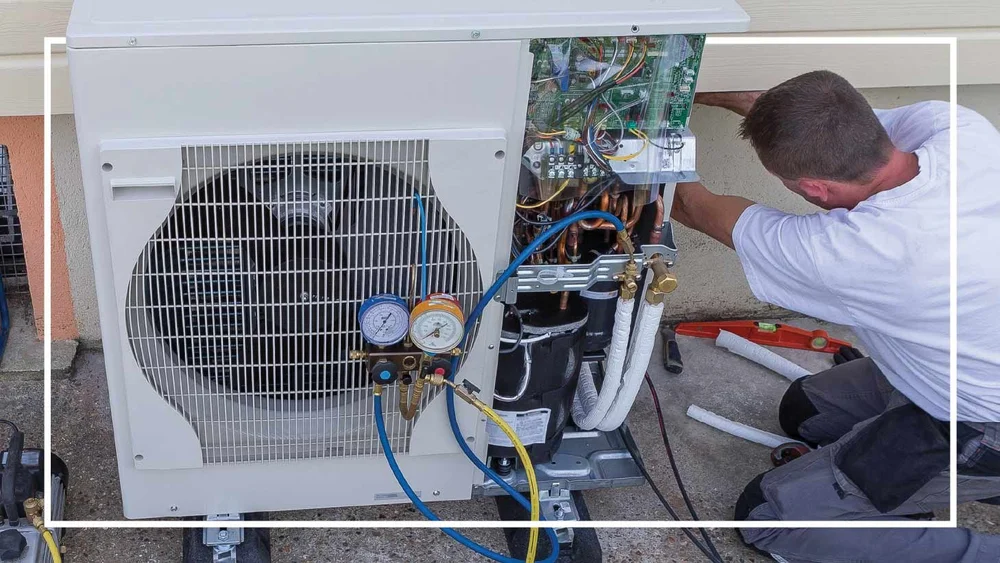
Professional installation is important to ensure the system works efficiently and lasts a long time.
- Needs enough outdoor space for the unit
- Correct sizing is key for performance
- Professional setup ensures proper function
- May need changes to existing ductwork
Limitations Of Heat Pumps
Heat pumps work by moving heat from one place to another. They can cool and heat a home. But they have some limits you should know.
Understanding these limits can help you decide if a heat pump fits your needs. Two key areas to consider are cold weather and upkeep.
Cold Weather Performance
Heat pumps lose efficiency when temperatures drop very low. They must work harder to extract heat from cold air. This can raise energy use and costs.
- Heat output drops below freezing temperatures
- Defrost cycles run frequently to prevent ice build-up
- Supplemental heating may be needed in very cold areas
- Some models perform better in cold than others
Choosing the right heat pump for your climate is important. Check if it is rated for cold weather use.
Maintenance Requirements
Heat pumps need regular care to work well and last. Keeping them clean and checked helps prevent problems.
| Maintenance Task | Frequency | Purpose |
|---|---|---|
| Clean or replace filters | Monthly or as needed | Keep air flow strong and clean |
| Inspect outdoor unit | Seasonally | Remove debris and check for damage |
| Check refrigerant levels | Yearly | Ensure cooling and heating efficiency |
| Professional service | Annually | Detect and fix issues early |
Combining Heat Pumps And Air Conditioners
Heat pumps and air conditioners both cool your home. They work in different ways but can be used together. Combining them can bring more comfort and efficiency.
This guide explains how hybrid systems work and how to optimize your home comfort using both devices.
Hybrid Systems
A hybrid system uses a heat pump and an air conditioner in one setup. The heat pump heats and cools your home. The air conditioner supports cooling during hot days.
- Heat pump handles mild weather efficiently.
- Air conditioner works best in very hot weather.
- System switches between devices to save energy.
- Reduces wear on each unit by sharing the load.
- Offers better temperature control year-round.
Optimizing Home Comfort
To get the best from a hybrid system, control and maintenance matter. Set your thermostat to use the heat pump first. Only switch to the air conditioner when needed.
| Tip | How It Helps |
| Regular filter cleaning | Keeps airflow strong and clean |
| Set temperature wisely | Reduces energy use and costs |
| Schedule system check-ups | Prevents breakdowns and extends life |
| Use smart thermostats | Improves automatic switching and comfort |
Energy Savings Tips
Heat pumps can replace air conditioners and save energy. They work by moving heat instead of creating it.
Using your heat pump wisely helps reduce your energy bills. Simple actions can improve efficiency.
Smart Thermostat Use
A smart thermostat controls your heat pump automatically. It adjusts temperatures to save energy.
Set your thermostat lower in winter and higher in summer. This reduces the work your heat pump does.
- Use scheduling to match your daily routine
- Away mode saves energy when no one is home
- Remote control lets you adjust settings on the go
- Energy reports help track and improve usage
Regular System Maintenance
Keep your heat pump clean and well maintained. Dirty filters and parts reduce efficiency.
Check and replace filters every 1-3 months. Clean outdoor units to remove leaves and debris.
- Inspect and clean air filters
- Clear debris around the outdoor unit
- Check refrigerant levels with a professional
- Schedule yearly professional maintenance
Credit: www.watkinsheating.com
Frequently Asked Questions
Does A Heat Pump Fully Replace An Air Conditioner?
Yes, a heat pump can replace an air conditioner. It cools your home like an AC and also provides heating during winter. This dual function makes it a versatile and energy-efficient choice for year-round climate control.
How Efficient Is A Heat Pump Compared To Ac?
Heat pumps are generally more energy-efficient than traditional air conditioners. They transfer heat instead of generating it, reducing electricity use. This efficiency leads to lower utility bills and a smaller carbon footprint, especially in moderate climates.
Can A Heat Pump Work In Extreme Heat?
Heat pumps work well in moderate to hot climates but may struggle in extreme heat. In very high temperatures, their efficiency can drop, and they might need supplemental cooling. Proper sizing and installation improve performance in hot weather.
Is Installation Cost Higher For Heat Pumps Than Ac?
Installation costs for heat pumps are usually higher than for air conditioners. This is due to their dual heating and cooling capabilities. However, energy savings over time can offset the initial expense, making them cost-effective long term.
Conclusion
A heat pump can cool your home like an air conditioner. It also heats your space during cold months. This dual function saves space and may lower energy bills. Some homes may need extra heating in very cold areas. Choosing the right system depends on your climate and needs.
A heat pump offers both comfort and efficiency. Think about your home’s weather and budget before deciding. This way, you get the best cooling and heating solution.