Are you moving into a new rental property and wondering whether your landlord is required to provide a stove and refrigerator? This question is more common than you might think, and understanding your rights as a tenant can save you a lot of time and frustration.
Imagine unpacking all your boxes, only to discover there’s no place to store your groceries or cook your meals. Frustrating, right? Before you sign that lease, you need to know what’s legally expected from your landlord. We’ll unravel the mystery and give you the clarity you need to make informed decisions.
Stay with us as we explore the ins and outs of rental agreements and ensure your new home meets your expectations.

Credit: www.truedoorpm.com
Landlord Responsibilities
Understanding what your landlord must provide can save you from surprises. Appliances like stoves and refrigerators often spark questions about responsibility. Knowing who should supply these essentials helps you plan your move and avoid disputes.
Legal Requirements By State
Each state has different rules about landlord obligations. Some states clearly require landlords to provide basic kitchen appliances, including stoves and refrigerators. Others leave it open, making it important to check the specific laws where you live.
For example, in California, landlords must provide a stove and a refrigerator if the unit was originally rented with them. In contrast, in Texas, there’s no statewide law mandating these appliances unless stated in the lease. Have you checked your state’s tenant laws yet?
Lease Agreement Clauses
Your lease agreement often spells out what appliances come with your rental. If the stove and refrigerator are included, the landlord must maintain them during your tenancy. But if your lease doesn’t mention these appliances, the landlord may not be obligated to provide or repair them.
Review your lease carefully. Sometimes, landlords specify “appliances provided as-is” which means they won’t fix or replace them. Would you feel comfortable moving in without these essentials guaranteed in writing?
Local Housing Codes
Local housing codes can add another layer of requirements. Some cities or counties require landlords to supply appliances to meet health and safety standards. These codes ensure rental units have functional kitchens for tenants’ well-being.
In some areas, if a stove or refrigerator is missing or broken, landlords must fix or replace them to comply with code. Checking your city’s housing department website can give you quick answers. Could your local code be stricter than your state law?
Common Practices
Many landlords follow certain habits when providing appliances in rental units. These common practices depend on the type of unit and local rental markets. Understanding these trends helps tenants know what to expect.
Furnished Vs Unfurnished Units
Furnished units usually come with essential appliances like stoves and refrigerators. Landlords include these to make the space move-in ready. Tenants pay for convenience and flexibility.
Unfurnished units often do not have appliances. Tenants bring their own or rent them separately. This setup lowers rent but adds setup work for tenants.
Typical Appliance Inclusions
Most landlords provide a stove and refrigerator in furnished rentals. Sometimes, they add a microwave or dishwasher. Basic kitchen appliances are standard to attract renters.
In unfurnished rentals, appliances may be missing. Tenants should confirm what is included before signing a lease. This avoids surprises and extra costs.
Impact On Rent Prices
Rent is usually higher for units with appliances included. Landlords recover costs through increased rent. Tenants pay more for convenience and less hassle.
Units without appliances often have lower rent. Tenants must invest in their own appliances. This trade-off suits those who prefer control over their kitchen setup.
Tenant Rights
Tenant rights protect renters in many ways, including appliance provisions. Laws vary by location, but tenants often expect basic appliances. A stove and refrigerator can be essential for daily living. Knowing your rights helps ensure a comfortable home.
Requesting Appliances
Tenants may ask landlords for appliances if none are provided. A polite, written request works best. Include details about which appliances you need. Keep a copy of the request for your records. Some landlords agree to supply appliances to attract renters.
Negotiating Lease Terms
Before signing, discuss appliance availability with the landlord. Clarify if the stove and refrigerator are included. Ask who will maintain or replace them. Get all agreements in writing within the lease. This prevents future misunderstandings about appliance responsibility.
Handling Appliance Repairs
Landlords usually fix major appliance problems. Tenants must report issues quickly and clearly. Use written communication to document repair requests. If repairs are delayed, tenants can seek local help. Sometimes, tenants may repair minor problems themselves with permission.
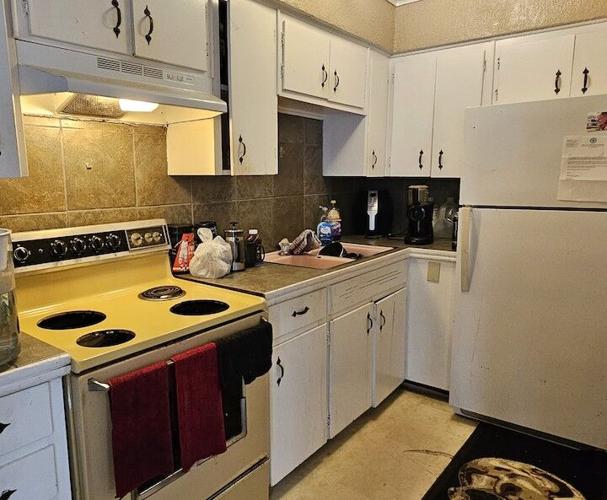
Credit: www.tahlequahdailypress.com
When Appliances Are Not Provided
Not every rental comes with a stove or refrigerator included. When these appliances aren’t provided, it shifts some responsibilities and decisions onto you as the tenant. Understanding what this means can help you avoid surprises and manage your living space better.
Tenant Responsibilities
If your rental lacks a stove or refrigerator, you’re usually responsible for bringing your own. This means budgeting for the purchase, arranging delivery, and handling any repairs or maintenance. You might also need to ensure the appliances meet any safety or size requirements set by your landlord or building regulations.
Think about your moving timeline—how soon will you need these appliances? Delaying their setup can affect your daily routine, especially meal preparation.
Options For Appliance Purchase Or Rental
You can choose to buy new or used appliances, or rent them instead. Buying gives you full ownership but requires a larger upfront cost. Renting spreads out payments but may come with higher long-term expenses.
- Consider local appliance stores, online marketplaces, or classified ads for buying options.
- Rental companies often offer flexible terms and include repair services.
- Some landlords may allow you to install your own appliances, but always get approval first.
Have you checked if your lease mentions who handles appliance installation? Sometimes landlords provide allowances or recommendations.
Potential Risks And Benefits
Bringing your own appliances gives you control over brand, style, and energy efficiency. However, it also means you bear the risk of repairs and replacements. Damage during your tenancy may affect your security deposit if not properly documented.
On the flip side, renting appliances can reduce hassle but might limit your choices. Also, you may need to return the items in good condition, adding another layer of responsibility.
Ask yourself: Are you ready to handle appliance upkeep, or would you prefer a landlord-provided option? This decision affects both your budget and your comfort at home.
Maintenance And Repairs
Maintaining appliances like stoves and refrigerators is a key part of rental living. Knowing who is responsible for repairs and upkeep can save you frustration and unexpected costs. Let’s break down the roles and timelines that matter when it comes to keeping your kitchen running smoothly.
Landlord Vs Tenant Duties
Your lease and local laws usually define who handles what. Generally, landlords must provide and maintain essential appliances if they supplied them initially. This includes fixing major problems that make the stove or refrigerator unusable.
Tenants, on the other hand, should use appliances properly and report issues quickly. You’re expected to handle minor cleaning and avoid damage from misuse. For example, if you accidentally break a fridge shelf, that might be your responsibility to replace.
Reporting Issues
Act fast when you notice a problem. Tell your landlord or property manager in writing, explaining what’s wrong. Clear communication can prevent small issues from turning into costly repairs.
Keep a record of all your reports and any responses you get. This documentation helps if there’s a dispute later. Have you ever waited weeks for a fix because your landlord didn’t get your message?
Timelines For Fixes
Most places require landlords to respond quickly to essential appliance repairs. This usually means within a few days for problems that affect your health or safety, like a broken fridge in summer. Non-urgent repairs might take longer, but you should still get a clear timeline.
If repairs drag on, ask what’s causing the delay. Sometimes, landlords struggle to find parts or contractors. Knowing the expected repair time helps you plan meals and avoid spoiled food.

Credit: www.realtor.com
Tips For Renters
Renters should take key steps to ensure appliances meet their needs. Knowing what to check and ask helps avoid future problems. Taking time to review stove and refrigerator conditions protects your rights and comfort in a rental home.
Inspecting Appliances Before Signing
Check the stove and refrigerator for cleanliness and working order. Turn on the stove to see if all burners heat up. Open the refrigerator to confirm it cools properly. Look for any visible damage or rust. Testing appliances avoids surprises after moving in.
Clarifying Appliance Policies
Ask the landlord if appliances come with the rental. Some rentals include them, others do not. Confirm who is responsible for repairs or replacements. Get clear answers about appliance maintenance duties. Understanding policies prevents conflicts later.
Documenting Appliance Conditions
Take photos or videos of the appliances before moving in. Note any scratches, dents, or faults in writing. Keep copies of this documentation with your lease agreement. This proof helps resolve disputes about damage responsibility. Careful records protect your security deposit.
Frequently Asked Questions
Does A Landlord Legally Have To Provide Appliances?
Landlord obligations vary by state and lease terms. Some states require basic appliances; others don’t. Always check local laws and rental agreements for exact requirements.
Can Tenants Request A Stove And Refrigerator?
Tenants can request appliances, but landlords aren’t always obligated to provide them. Negotiating before signing the lease is best to clarify this.
What Happens If Appliances Break Down During Tenancy?
Landlords typically must repair or replace provided appliances. Tenants should report issues promptly to avoid further damage and maintain habitability.
Are There States Where Landlords Must Supply A Stove?
Yes, some states mandate landlords to provide and maintain certain appliances like stoves. Always consult local landlord-tenant laws for specifics.
Conclusion
Landlords do not always have to provide a stove and refrigerator. Rules depend on the rental agreement and local laws. Tenants should read their lease carefully to know what is included. Sometimes, landlords offer appliances to attract renters. Other times, tenants bring their own.
Clear communication helps avoid confusion and problems later. Knowing your rights makes renting easier and safer. Stay informed and ask questions before signing any contract. This way, both landlords and tenants can have a smooth rental experience.