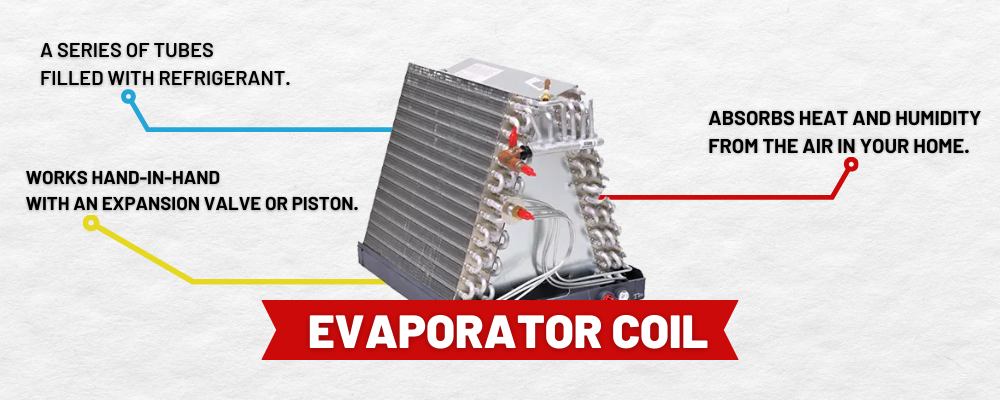
Are you wondering if a new air conditioner condenser comes charged with refrigerant? This question is important because it affects how your AC system is installed and performs.
If you’re planning to replace or install a condenser, knowing whether it already contains refrigerant can save you time, money, and frustration. Keep reading to find out the truth and what steps you should take to keep your cooling system running smoothly all summer long.
How Air Conditioner Condensers Work
The condenseris a key part of an air conditioner. It helps cool the hot gasthat comes from the compressor. The gas turns into a liquidas it cools down. This liquid is needed for the system to work well.
The condenserhas three main parts:
- Coils:Carry the hot gas and let it cool down.
- Fan:Blows air over the coils to help cool the gas.
- Refrigerant:The special fluid that moves heat out of your home.
This process moves heat outside, making your home cooler inside.
Factory Charging Of New Condensers
Many new air conditioner condensers come pre-charged with refrigerant. This means they have the right amount of refrigerant inside for proper operation. Pre-charged units save time and effort during installation. Technicians do not need to add refrigerant unless the system requires extra.
Each manufacturer may fill condensers differently. Some provide units fully charged for a specific line length. Others supply less refrigerant, expecting the installer to add more based on the setup. Always check the product manual for exact details.
| Manufacturer | Charging Method | Installer’s Role |
|---|---|---|
| Brand A | Fully charged for standard line | May add refrigerant if line is longer |
| Brand B | Partially charged | Installer adds refrigerant to meet needs |
| Brand C | No refrigerant charge | Installer must charge system fully |
When Additional Refrigerant Is Needed
The size of the air conditioner systemaffects how much refrigerant it needs. Larger systems require more refrigerant. The condenser may not come fully charged for the whole system.
During installation, several factors can change the refrigerant charge. The length and size of the tubing added can affect the amount needed. Extra refrigerant is often required to fill the new lines.
Other installation details may include:
- Connections and fittings that cause small leaks
- Environmental conditions like temperature and humidity
- Manufacturer’s specifications for charge amounts
| Installation Factor | Effect on Refrigerant Charge |
|---|---|
| Tubing Length and Diameter | Longer or larger tubes need more refrigerant |
| Connections and Fittings | May cause small leaks, requiring extra charge |
| System Size | Bigger systems need more refrigerant overall |
| Environmental Factors | Temperature and humidity affect refrigerant needs |

Credit: sierraair.com
Signs Of Incorrect Refrigerant Levels
Reduced cooling efficiencyis a clear sign of wrong refrigerant levels. The air conditioner may take longer to cool the room or might not cool it enough. This happens because the system cannot transfer heat properly without the right amount of refrigerant.
Unusual noises and system behavioralso indicate issues. Sounds like hissing or bubbling can mean refrigerant leaks. The system might turn on and off frequently, or the compressor may make strange noises. These are signs that the refrigerant is not at the correct level, affecting the air conditioner’s performance and lifespan.
Steps To Properly Charge A New Condenser
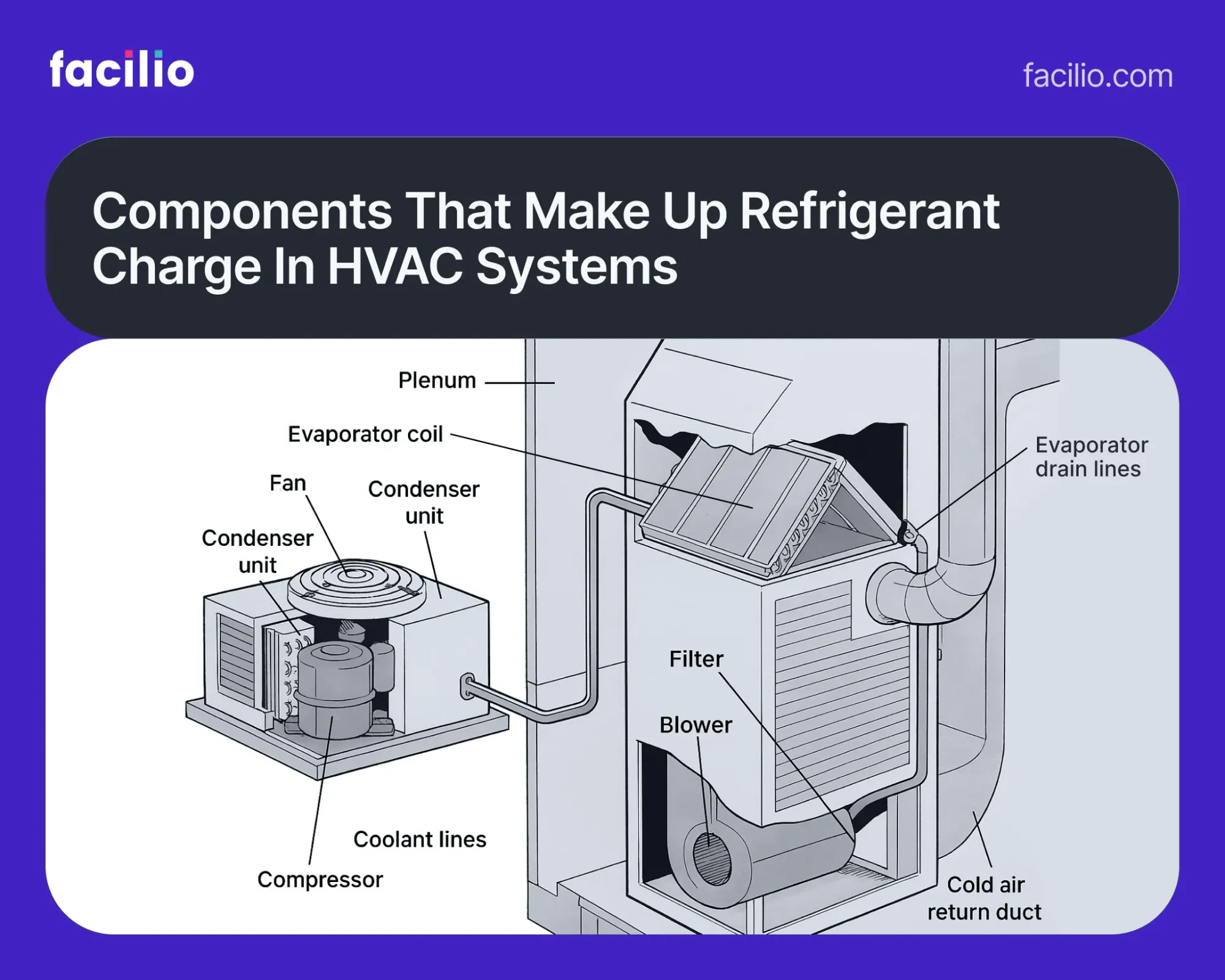
Always read the manufacturer’s instructionsbefore charging a new condenser. Different models may have specific refrigerant amounts. Some condensers come pre-charged, but others need topping up. Look for the type and amountof refrigerant required. Follow the safety warnings carefully. Use the guide to avoid overcharging or undercharging, which can harm the system.
Use a manifold gauge setto measure refrigerant pressure. A vacuum pumpremoves air from the system before charging. Connect hoses securely to avoid leaks. Add refrigerant slowly and check the pressure regularly. A leak detectorhelps find any gas leaks. Keep the system running to watch the cooling effect. Stop charging once the pressure matches the manufacturer’s recommendation.
Credit: facilio.com
Professional Installation Vs. Diy Charging
Incorrect chargingof an air conditioner can cause many problems. It may lead to poor cooling performanceor damage to the system. Too little refrigerant means the unit won’t cool well. Too much refrigerant can raise pressure and cause leaks.
Charging requires special toolsand knowledge. Mistakes can void warrantiesand cost more moneyin repairs. Safety is also a concern because refrigerants can be harmful if handled wrong.
- Expertshave the right tools and training.
- They ensure the refrigerant is charged correctly.
- Professional installation protects your systemand extends its life.
- Hiring pros saves timeand avoids costly mistakes.
Maintenance Tips For Optimal Condenser Performance
Regular inspections help keep your air conditioner condenser working well. Look for dirt, leaves, or debris around the unit. Clean the condenser coils gently to improve airflow and cooling. Check for any signs of damage or rust on the condenser. Keep the area around the condenser clear at all times.
Checking refrigerant levels is key to optimal performance. Low refrigerant can reduce cooling power and increase energy use. Use a gauge to measure refrigerant pressure during inspections. If the refrigerant is low, have a professional refill it. Avoid overcharging, as it can harm the system.

Credit: www.aljazeera.com
Frequently Asked Questions
Does A New Ac Condenser Come Pre-charged?
Most new air conditioner condensers do not come pre-charged with refrigerant. They need professional installation for proper refrigerant charging. This ensures optimal performance and efficiency. It’s important to follow manufacturer guidelines for charging with the correct refrigerant type and amount.
How Is Refrigerant Added To A New Condenser?
Refrigerant is added to a new condenser by a licensed technician. They use specialized tools and follow precise procedures to ensure correct refrigerant levels. This process is crucial for the system’s performance and longevity. Proper charging prevents issues like insufficient cooling or compressor damage.
Why Doesn’t A New Condenser Come Charged?
A new condenser doesn’t come charged due to various system configurations. Each installation requires specific refrigerant amounts based on line length and coil size. Pre-charging could lead to improper levels, affecting efficiency. Technicians ensure the refrigerant matches the system’s specific needs during installation.
Can I Charge A Condenser Myself?
Charging a condenser yourself is not recommended. It requires specialized knowledge and equipment. Incorrect charging can damage the system and void warranties. Always hire a licensed HVAC technician for this task. They ensure safe, efficient, and compliant refrigerant charging.
Conclusion
A new air conditioner condenser usually does not come charged with refrigerant. Technicians must add the correct amount during installation. This step ensures the system works properly and cools your home efficiently. Skipping this can cause problems and reduce the unit’s life.
Always trust a professional to handle refrigerant safely. Knowing this helps you avoid surprises when buying or installing a new condenser. Proper charging is key to a comfortable and cool home all summer long.