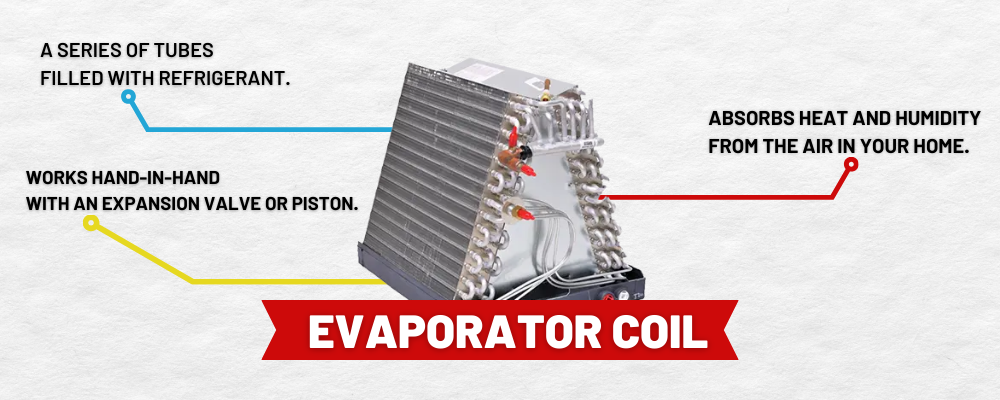
Are you wondering if your new air conditioner condenser arrives ready to cool your home right away? Knowing whether it comes charged with refrigerant can save you time, money, and headaches.
If you’ve ever faced delays or extra costs during installation, this is the key detail you don’t want to miss. Keep reading to discover the truth about new condensers and what you need to check before your AC starts working perfectly for you.

Credit: sierraair.com
What Is An Ac Condenser?
An air conditioner condenser is a key part of your AC system. It works outside your home to cool the refrigerant.
The condenser helps turn hot gas refrigerant into a cool liquid. This process allows your AC to cool indoor air.
Role Of The Ac Condenser
The condenser releases heat from the refrigerant to the outside air. It changes refrigerant from gas to liquid during this process.
- The compressor pumps hot gas refrigerant into the condenser coil.
- The condenser coil cools the gas by releasing heat outside.
- The cooled refrigerant becomes a liquid and flows back inside.
- This liquid refrigerant absorbs heat inside your home to cool the air.
Main Parts Of An Ac Condenser
| Part | Description |
| Condenser Coil | Metal tubes that cool refrigerant by releasing heat. |
| Fan | Blows air over the condenser coil to aid cooling. |
| Compressor | Pressurizes refrigerant and moves it through the system. |
| Refrigerant Lines | Carry refrigerant between indoor and outdoor units. |
Why The Condenser Is Important
The condenser keeps your AC running efficiently. Without it, the refrigerant cannot cool the air inside your home.
A well-working condenser saves energy and keeps your home comfortable in hot weather.
Role Of Refrigerant In Air Conditioners
Refrigerant is a key part of an air conditioner. It helps move heat from inside your home to the outside. Without refrigerant, the air conditioner cannot cool the air.
This article explains how refrigerant works in air conditioners. It also answers if new air conditioner condensers come charged with refrigerant.
What Refrigerant Does In An Air Conditioner
Refrigerant absorbs heat from the indoor air. It then carries this heat to the outdoor unit. This process cools the air inside your home.
The refrigerant changes between liquid and gas. This change helps it pick up and release heat efficiently.
- R-22 (older systems, being phased out)
- R-410A (common in new systems)
- R-32 (more eco-friendly option)
- R-134a (used in some special units)
Each refrigerant has different properties. They affect how well the air conditioner works and its impact on the environment.
Does A New Condenser Come Charged With Refrigerant?
Most new air conditioner condensers do not come with refrigerant inside. The refrigerant is usually added during installation. This ensures the right amount is used for your system.
Some smaller or packaged units may come pre-charged. Always check the product details to be sure.
Why Proper Refrigerant Charge Matters
| Reason | Effect of Incorrect Charge |
| Too Little Refrigerant | Poor cooling, system damage |
| Too Much Refrigerant | Reduced efficiency, higher energy use |
| Correct Refrigerant Amount | Optimal cooling, longer system life |
Technicians measure refrigerant levels carefully. They adjust the charge for best performance and safety.
Factory Charging Of New Condensers
New air conditioner condensers often come with refrigerant inside. This is called factory charging. It means the condenser is ready for installation and use.
Knowing about factory charging helps you understand what to expect when you buy a new condenser. It also helps with installation and maintenance.
What Is Factory Charging?
Factory charging means the condenser unit is filled with refrigerant at the factory. The amount is measured carefully to match the unit’s design.
This process ensures the condenser works properly as soon as it is connected to the rest of the air conditioner system.
Types Of Factory Charging
- Full Charge: The condenser has all the refrigerant needed for normal use.
- Partial Charge: Some refrigerant is added, but more is needed after installation.
- No Charge: The condenser comes empty and must be charged on site.
Most new condensers come with a full or partial charge. The type depends on the manufacturer and model.
Why Factory Charging Matters
| Benefit | Description |
| Easy Installation | Less work needed to add refrigerant later. |
| Correct Amount | Proper refrigerant levels improve efficiency. |
| Safety | Less chance of leaks during transport or setup. |
| Testing | Units are tested with refrigerant before shipping. |
Checking Refrigerant Levels After Installation
Even if a condenser is factory charged, technicians check refrigerant levels after installation. This step ensures the system runs well.
Sometimes, small adjustments are needed to meet the exact system requirements and local regulations.
Types Of Refrigerants Used
New air conditioner condensers may or may not come charged with refrigerant. The type of refrigerant inside depends on the model and manufacturer. Understanding the common types helps in maintenance and replacement.
Refrigerants are chemicals that absorb heat from inside your home and release it outside. Different types of refrigerants offer various benefits and environmental impacts.
R-22 (freon)
R-22 was the most common refrigerant used in air conditioners for many years. It is effective but harms the ozone layer. Production of R-22 is now being phased out worldwide.
R-410a (puron)
R-410A is the standard refrigerant for new air conditioners today. It does not damage the ozone layer and works efficiently at higher pressures. This makes units last longer and cool better.
Other Types Of Refrigerants
- R-32:More energy efficient and lower global warming potential than R-410A.
- R-134a:Used mainly in refrigerators and car air conditioners.
- R-407C:A replacement for R-22 in some systems but less efficient than R-410A.
Refrigerant Charging In New Condensers
| Refrigerant Type | Charged at Factory? | Notes |
| R-22 | Usually charged | Older units, being phased out |
| R-410A | Often shipped without charge | Requires charging on site |
| R-32 | Varies by model | Newer refrigerant in use |
Why Some Condensers Arrive Without Refrigerant
When you buy a new air conditioner condenser, you might wonder if it already has refrigerant. Not all condensers come charged with refrigerant. Some arrive empty, needing a professional to add the refrigerant later.
This can confuse many people, but there are good reasons why some condensers come without refrigerant inside.
Safety During Shipping
Refrigerants are chemicals that need special care. Shipping a condenser with refrigerant can be risky. If the unit gets damaged, refrigerant might leak and cause harm.
To avoid accidents and keep everyone safe, many manufacturers send condensers without refrigerant inside.
Local Regulations And Rules
Different places have different rules about refrigerants. Some areas require special permits or handling. Sending a condenser without refrigerant helps follow these rules.
It also allows local technicians to add the right type and amount of refrigerant based on local laws.
Fresh Refrigerant Charge
Refrigerant can lose its quality if stored too long inside a condenser. Empty units let technicians add fresh refrigerant during installation. This keeps the air conditioner working well.
It also helps make sure the system has the correct refrigerant amount for best performance.
Customization For Different Systems
Not all air conditioners use the same refrigerant type or amount. Sending condensers without refrigerant lets installers match the refrigerant to the whole system.
This way, the condenser works perfectly with the indoor unit and other parts of the system.
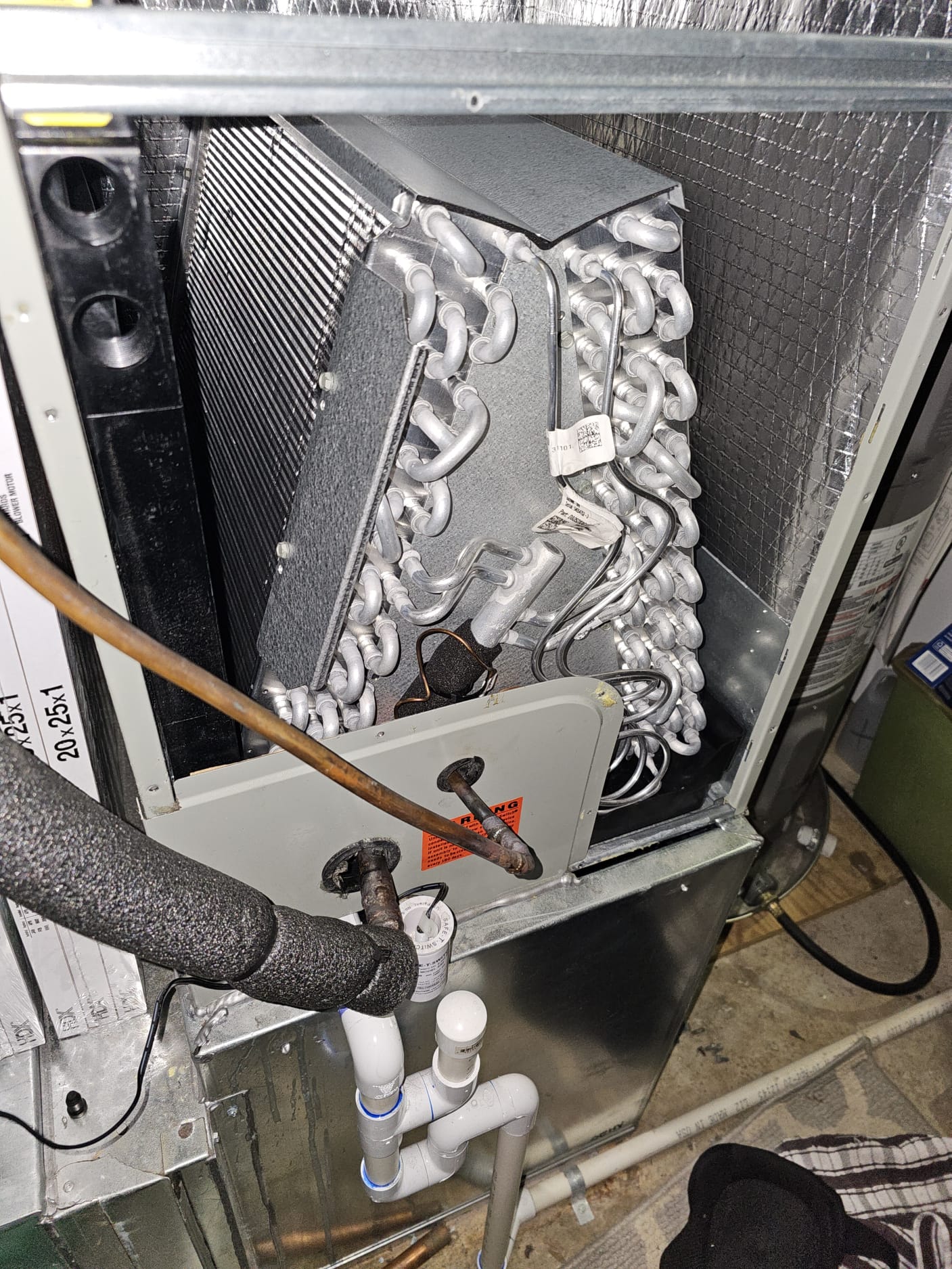
Credit: www.logan-inc.com
How To Check Refrigerant Levels
Refrigerant is important for your air conditioner’s cooling power. Knowing the right refrigerant level helps your system work well.
Checking refrigerant levels can prevent problems and keep your home cool during hot days.
Look At The Sight Glass
The sight glass is a small window on the refrigerant line. It shows if the refrigerant is full or low.
If you see bubbles or foam, the refrigerant might be low. A clear view means the level is good.
Use A Refrigerant Gauge Set
A refrigerant gauge set measures the pressure inside the system. This helps check if the refrigerant is enough.
Attach the gauges to the service ports and read the pressure. Compare it to the recommended pressure for your unit.
Check The Temperature Difference
Measure the temperature of air going into and out of the air conditioner. A big difference means good refrigerant levels.
If the difference is small, refrigerant might be low or there could be another issue.
Look For Physical Signs Of Leaks
Refrigerant leaks cause low levels. Check for oil spots or hissing sounds near the condenser.
- Oil stains on pipes or connections
- Hissing noises near refrigerant lines
- Ice buildup on coils
Steps To Charge A New Condenser
Many people wonder if a new air conditioner condenser comes charged with refrigerant. Usually, new condensers do not include refrigerant. You need to add it during installation.
Charging a condenser requires care and the right tools. Follow these steps to add refrigerant properly and keep your AC running well.
Check Manufacturer Instructions
Start by reading the manual that comes with your condenser. It tells you if the unit already has refrigerant or if you need to add it. Different models have different requirements.
Knowing the right type and amount of refrigerant is important. Use only what the manufacturer says to avoid damage.
Gather Necessary Tools And Equipment
You need specific tools to charge the condenser. This includes a refrigerant gauge set, refrigerant tank, and safety gear like gloves and goggles.
- Refrigerant gauge manifold
- Proper refrigerant type (usually R-410A or R-22)
- Safety gloves and goggles
- Vacuum pump (if system needs evacuation)
Evacuate The System If Needed
If the condenser and lines are open or exposed to air, use a vacuum pump. This removes moisture and air from the system before charging.
Run the vacuum pump until the system reaches the desired vacuum level, usually around 500 microns.
Connect The Refrigerant Tank And Gauges
Attach the refrigerant tank to the gauge manifold. Connect the gauges to the condenser service ports. Make sure all connections are tight and secure.
Check for any leaks before adding refrigerant. Leaks waste refrigerant and harm the environment.
Add Refrigerant To The Condenser
Open the refrigerant tank valve slowly. Add refrigerant while watching the pressure gauges. Follow the manufacturer’s specified pressure levels.
- Add refrigerant in liquid or gas form as instructed
- Charge slowly to avoid overfilling
- Keep checking system pressures
- Stop when the recommended charge is reached
Monitor System Performance
After charging, turn on the air conditioner. Check if it cools well and runs smoothly. Use gauges to confirm the pressure stays stable.
If the system does not work properly, check for leaks or incorrect charge levels. Adjust as needed to ensure good performance.
Common Mistakes When Installing A Condenser
Installing a new air conditioner condenser needs care and knowledge. Many people make simple mistakes that cause problems later.
This guide explains common errors during installation. Avoiding them helps your air conditioner work well and last longer.
Assuming The Condenser Comes Charged With Refrigerant
Not all new condensers come with refrigerant inside. Some require charging on-site after installation.
Installing without checking this can cause the system to run empty and damage parts.
Failing To Properly Evacuate The System
Air and moisture inside the system cause poor cooling and corrosion. Always use a vacuum pump to remove them before adding refrigerant.
Skipping this step leads to leaks and reduced system life.
Overcharging Or Undercharging Refrigerant
Adding too much or too little refrigerant harms the air conditioner. It lowers efficiency and can damage the compressor.
Use proper tools and follow manufacturer guidelines to add the right amount.
Ignoring Proper Electrical Connections
Incorrect wiring causes the condenser to fail or short circuit. Double-check connections and use correct wire sizes.
Poor electrical work can create safety hazards and reduce system performance.
Neglecting To Level The Condenser Unit
The condenser must sit level to work correctly. A tilted unit strains the compressor and can cause water leaks.
Use a level tool during installation to ensure the unit is flat.
When To Call A Professional Technician
Many people wonder if a new air conditioner condenser comes charged with refrigerant. It is important to know when you need a professional to help. Handling refrigerant requires special skills and tools.
Calling a technician ensures your air conditioner works safely and efficiently. Here are some signs that you should get expert help.
If The System Shows Low Cooling Performance
Your air conditioner may not cool well if the refrigerant charge is low. A new condenser might not come fully charged. A technician can check the refrigerant levels and add more if needed.
Do not try to add refrigerant yourself. Incorrect charging can damage the system.
When You Notice Ice Build-up On The Condenser
Ice on the condenser coil can mean low refrigerant or other problems. A technician can find the cause. They will safely remove the ice and fix the issue.
Ignoring ice build-up may cause more damage and reduce cooling.
If You Detect Refrigerant Leaks
Refrigerant leaks are dangerous and illegal to fix yourself. A professional uses special tools to find and repair leaks. They will recharge the system properly.
Leaks lower efficiency and can harm the environment.
When Installing Or Replacing The Condenser
A new condenser may come with some refrigerant, but not always fully charged. A technician will install it and check the refrigerant amount. They will add refrigerant if the system needs it.
Proper installation avoids problems and keeps the system running well.
Maintenance Tips For Refrigerant Efficiency
Keeping your air conditioner’s refrigerant efficient is important. It helps the system cool your home well. Proper maintenance extends the life of your AC unit.
Here are some simple tips to keep refrigerant working at its best. Follow these to avoid leaks and save energy.
Check For Refrigerant Leaks Regularly
Leaks cause low refrigerant levels and reduce cooling. Look for oily spots or listen for hissing sounds near the condenser. A professional can use special tools to detect leaks.
Keep The Condenser Coil Clean
Dirt and debris on the condenser coil make it hard for refrigerant to cool down. Clean the coil every few months with a soft brush or garden hose. This helps refrigerant flow smoothly.
Maintain Proper Refrigerant Charge
Too much or too little refrigerant lowers efficiency. A trained technician should check the refrigerant charge yearly. They will add or remove refrigerant as needed to meet the manufacturer’s specifications.
Use A Programmable Thermostat
A programmable thermostat helps keep the AC running at optimal times. This reduces strain on the refrigerant system and saves energy.
Schedule Professional Maintenance
Regular professional check-ups keep refrigerant systems in good shape. Technicians inspect all parts and fix small issues before they grow.
- Inspect refrigerant lines and connections
- Test system pressure and temperature
- Clean or replace air filters
- Check electrical components
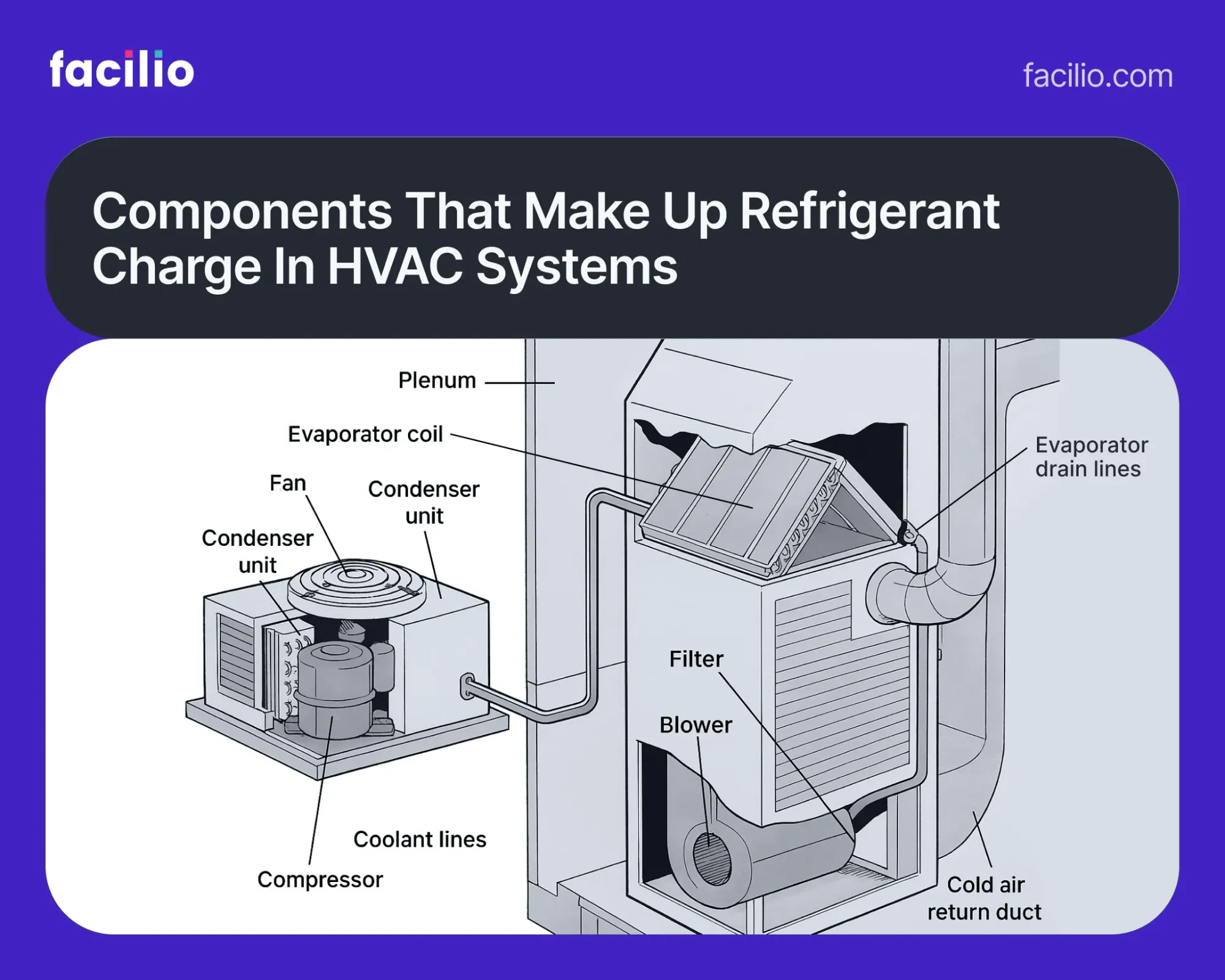
Credit: facilio.com
Frequently Asked Questions
Does A New Ac Condenser Include Refrigerant Charge?
Yes, most new AC condensers come pre-charged with refrigerant from the factory. However, proper system charging is needed during installation to ensure optimal performance and efficiency.
Can I Add Refrigerant To A New Ac Condenser Myself?
It is not recommended to add refrigerant yourself. Handling refrigerants requires special tools and certifications. Professional HVAC technicians ensure safe and accurate charging.
Why Is Refrigerant Charging Important For New Ac Condensers?
Correct refrigerant charging ensures efficient cooling and prevents system damage. Too much or too little refrigerant can reduce performance and increase energy costs.
How Do Installers Check Refrigerant Levels In New Condensers?
Technicians use gauges and meters to measure refrigerant pressure. They adjust the charge based on manufacturer specifications for optimal system operation.
Conclusion
Understanding if a new air conditioner condenser comes pre-charged is crucial. Some units do come charged. Others might not. Always check the manufacturer’s details. This helps avoid unexpected costs and issues. Proper refrigerant levels ensure efficiency and cooling. Incorrect levels can lead to poor performance.
Ask a professional for guidance if unsure. They provide valuable insight. Regular maintenance also keeps your system in top shape. Remember, a well-maintained air conditioner lasts longer. It saves money and energy. So, stay informed. Make the best choice for your home and comfort.