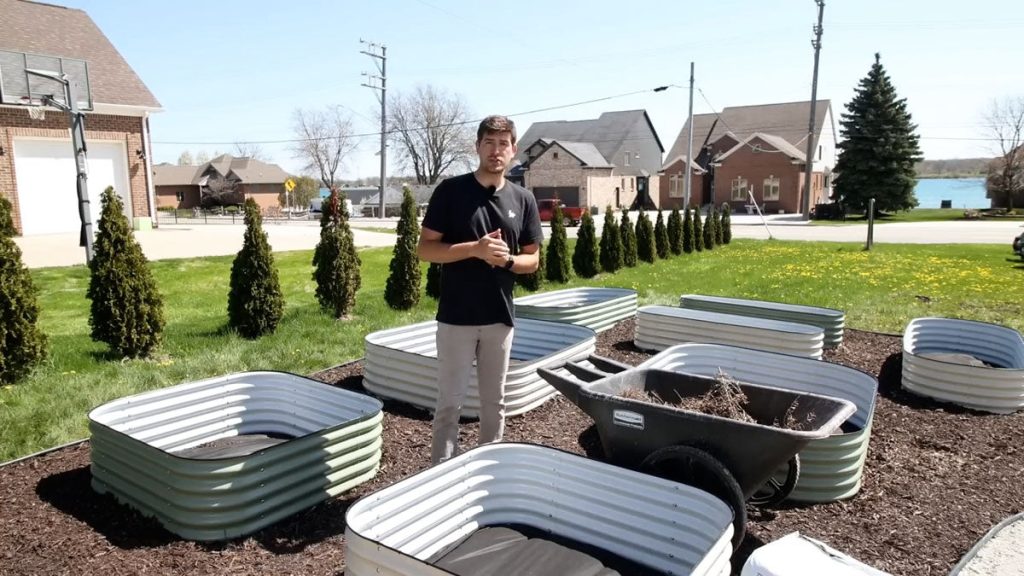
Are you thinking about building a raised garden bed but wondering if it really needs a bottom? This simple question can make a big difference in how your garden grows.
Whether you want healthy plants, easy drainage, or to keep pests away, the choice you make now will affect your garden’s success. Keep reading to discover the pros and cons of having a bottom on your raised bed, so you can make the best decision for your growing space.
Your plants will thank you!

Credit: www.reddit.com
Benefits Of Raised Garden Beds
Raised garden beds offer many advantages for home gardeners. They help grow healthy plants with less effort. Understanding these benefits can help you decide if raised beds suit your garden.
Raised beds improve soil quality, make gardening easier, and reduce problems with pests and weeds. These benefits make gardening more enjoyable and productive.
Improved Soil Drainage
Raised beds allow water to drain better than in-ground gardens. This prevents water from pooling around plant roots. Good drainage helps roots get oxygen and avoids root rot.
Because the soil is loose and raised, water flows through quickly. It also warms up faster in spring, helping plants grow sooner.
Easier Access And Maintenance
Raised beds are higher than ground level, so you do not have to bend down as much. This makes planting, weeding, and harvesting easier on your back and knees.
- Reach plants without stepping on soil
- Organize tools and materials nearby
- Keep pathways clear and tidy
- Work comfortably for longer times
Pest And Weed Control
Raised beds help reduce pests and weeds. The soil is separate from the surrounding ground, which limits weed seeds. You can also add barriers at the bottom to stop burrowing pests.
| Pest or Weed | Raised Bed Benefit |
|---|---|
| Weeds | Less soil contact means fewer weed seeds |
| Burrowing pests | Bottom barriers prevent entry |
| Slugs and snails | Raised height reduces their access |
| Soil diseases | Fresh soil lowers disease risk |
Bottom Options For Raised Beds
Raised garden beds can be built with different bottom styles. The choice affects drainage, soil health, and pests.
Choosing the right bottom option helps plants grow well and keeps your garden tidy.
No Bottom Design
Many raised beds do not have a bottom. The soil sits directly on the ground. This lets roots grow deep and reach natural soil nutrients.
This design allows rainwater to drain easily. It also helps earthworms and beneficial insects enter the bed.
- Good drainage and root growth
- Easy for soil organisms to reach plants
- Less material needed
Solid Bottom Approach
A solid bottom blocks soil contact with the ground. You can use wood, plastic, or metal sheets for this. It keeps weeds and pests from entering.
This option needs good drainage holes. Without them, water can pool and harm plants.
- Prevents weeds and pests
- Controls soil type inside the bed
- Needs drainage holes for water flow
Using Hardware Cloth Or Mesh
Hardware cloth or mesh goes at the bottom to stop burrowing pests. It lets water and roots pass through. This protects plants without blocking drainage.
This option works well if pests like gophers or moles are a problem. The mesh size should be small to keep pests out.
- Blocks burrowing animals
- Allows water and roots to move freely
- Use fine mesh for best protection
Soil And Drainage Considerations
Raised garden beds are popular for growing plants. They offer better control over soil quality and drainage. Understanding soil and drainage needs is important for healthy plant growth.
Without proper drainage, water can harm plants. It’s important to know if a raised bed needs a bottom.
Preventing Waterlogging
Waterlogging occurs when water cannot drain away. Raised beds without bottoms allow excess water to escape. This prevents roots from rotting.
Creating drainage holes or using coarse materials can help. These methods let water move out easily.
- Use gravel or sand at the bottom
- Ensure soil is not too compact
- Check drainage regularly
Soil Compaction Risks
Compacted soil prevents roots from growing well. It happens when soil is too heavy or wet. Raised beds without a bottom can reduce compaction.
Loose soil allows roots to spread and absorb nutrients. Regularly check the soil texture to avoid compaction.
- Aerate soil to keep it loose
- Avoid walking on the bed
- Mix in organic matter
Balancing Moisture Levels
Plants need the right amount of moisture. Too much or too little water can harm them. Raised beds without a bottom help balance moisture.
Soil in these beds drains excess water while retaining enough moisture. Use mulch to help keep the soil moist.
- Water plants early in the day
- Use a drip irrigation system
- Check soil moisture regularly

Credit: www.sproutboxgarden.com
Pest And Weed Management
Raised garden beds can help control pests and weeds better than traditional gardens. Using the right techniques keeps your plants healthy and growing strong.
One question gardeners often ask is whether raised beds need a bottom to block pests and weeds. This guide explains key ways to manage these problems.
Blocking Burrowing Pests
Many pests like moles and voles dig under garden beds to reach plants. Adding a barrier at the bottom can stop them.
- Use hardware cloth with small holes to block animals.
- Lay the cloth tightly across the bottom of the bed frame.
- Make sure edges are buried a few inches deep to prevent digging around.
- Avoid using plastic, which pests can sometimes chew through.
Limiting Weed Growth
Weeds take nutrients and space from your plants. A bottom barrier can reduce weeds coming up from the soil below.
| Method | Effectiveness | Notes |
| Landscape fabric | High | Allows water flow, blocks weeds |
| Cardboard layers | Medium | Breaks down over time, adds organic matter |
| Plastic sheeting | High | Blocks weeds but limits water drainage |
Choosing The Right Barrier
Choosing a bottom barrier depends on your garden needs and local pests. Some materials work better for certain problems.
- Hardware cloth:Best for blocking burrowing animals.
- Landscape fabric:Good for weed control and water flow.
- Cardboard:Natural and compostable but temporary.
- Plastic sheeting:Strong weed barrier but may cause water issues.
Material Choices And Durability
Raised garden beds come in many materials. Choosing the right one affects how long your bed lasts.
Deciding if your bed needs a bottom also depends on the material and its durability.
Wood Types And Treatments
Wood is popular for raised beds. Some woods last longer outside without rotting.
Treated wood resists moisture and pests. Untreated wood may rot faster when wet.
- Cedar and redwood resist rot naturally.
- Pressure-treated wood lasts longer but can contain chemicals.
- Sealants and stains add extra protection.
- Untreated pine is cheaper but breaks down quickly.
Metal And Composite Options
Metal beds are strong and durable. They do not rot but may rust if not coated.
Composite materials mix wood fibers and plastic. They resist rot and last many years.
- Galvanized steel resists rust and lasts long.
- Corten steel forms a protective rust layer.
- Composite boards need little maintenance.
- Metal and composite beds may not need a bottom.
Longevity With Or Without Bottom
Adding a bottom can protect soil and plants. It also affects bed durability.
Wood beds last longer with a bottom to block moisture. Metal beds do well without one.
- Bottoms slow soil loss and keep pests out.
- They may trap moisture, causing some woods to rot.
- Metal and composite beds drain well without bottoms.
- Choose a bottom based on your material and soil needs.
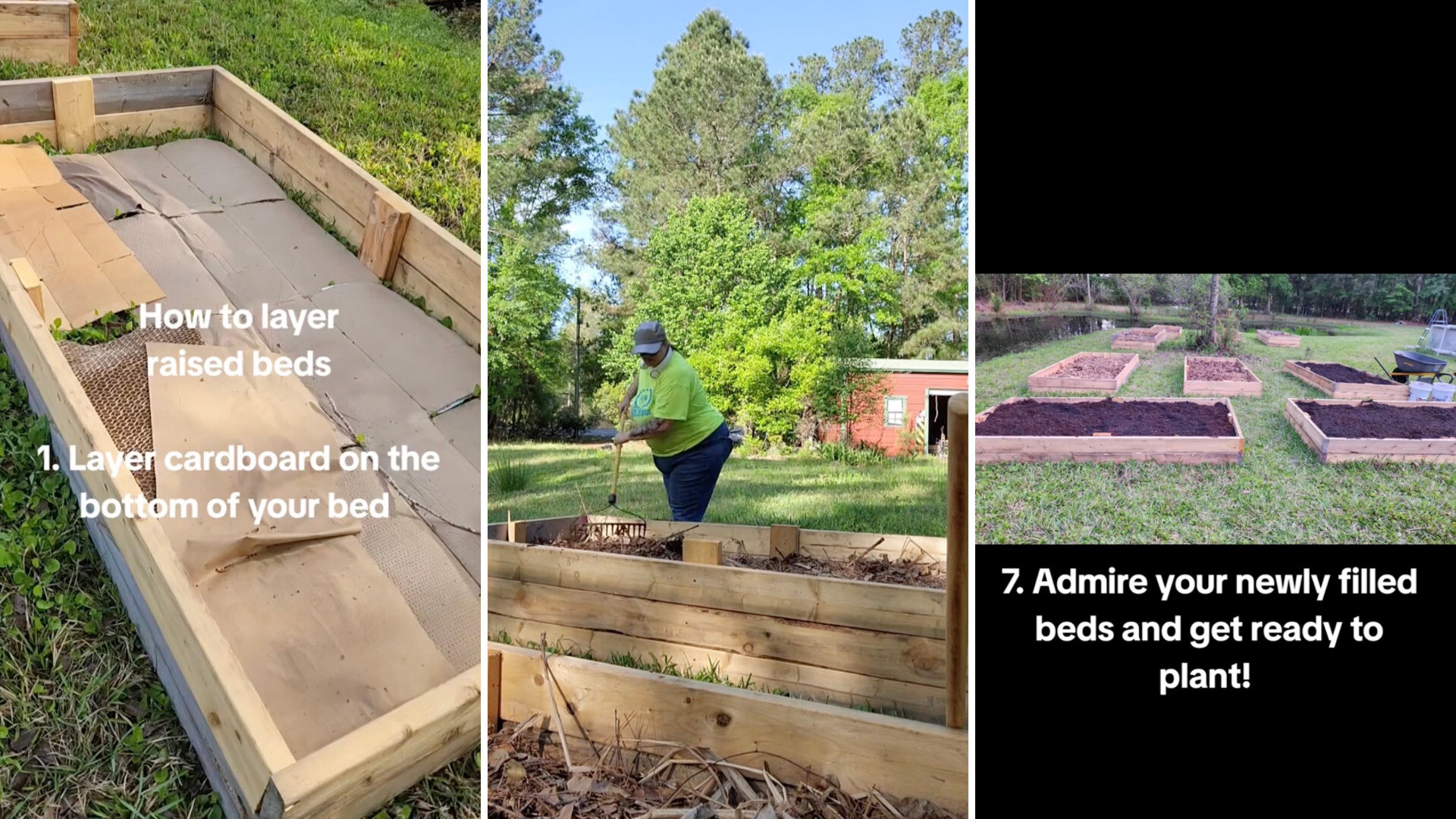
Credit: www.thecooldown.com
Installation Tips For Bottom Layers
Choosing the right bottom layer for your raised garden bed helps plants grow well. A proper base keeps roots healthy and stops weeds from coming up.
This guide shares easy tips for preparing the ground, using mesh or fabric, and making sure water drains well.
Preparing The Ground Surface
Clear the area of grass, rocks, and debris before building your garden bed. This makes the surface even and ready for installation.
- Remove all weeds and roots
- Level the soil with a rake
- Check for any slopes and adjust if needed
- Compact the soil lightly to avoid settling
Installing Mesh Or Fabric
Use mesh or landscape fabric under the bed to stop weeds. It also helps keep soil in place while letting water pass through.
| Material | Purpose | Key Benefit |
| Wire Mesh | Block burrowing pests | Protects roots and plants |
| Landscape Fabric | Prevent weed growth | Allows water and air flow |
| Plastic Sheeting | Block moisture | Not recommended for raised beds |
Ensuring Proper Drainage
Good drainage stops water from pooling and hurting plant roots. Make sure the bottom layer lets water flow out easily.
- Check soil type to understand drainage speed
- Add gravel or small rocks at the bottom if soil is dense
- Place holes or gaps in the bed’s base to let water escape
- Raise the bed slightly above ground level
When To Skip A Bottom
Raised garden beds often have bottoms to hold soil in place. But sometimes, you may not need one. Skipping a bottom can help plants grow better in certain situations.
Choosing whether to add a bottom depends on your garden setup and what you want to grow. This guide explains when you can skip a bottom and still have a healthy garden.
Gardens Over Existing Soil
If you place your raised bed directly on top of existing soil, you can often skip adding a bottom. This lets plant roots grow deeper into the ground below. It also helps with drainage and soil health.
Make sure the soil under the bed is soft and well-drained. Remove any grass or weeds before setting the bed in place. This way, plants can spread roots easily without obstruction.
Using Raised Beds For Root Vegetables
Root vegetables need room to grow down into the soil. A bottom can block this growth and limit your harvest. Skipping the bottom is better for carrots, beets, and radishes.
- Root vegetables require deep, loose soil.
- Without a bottom, roots can expand naturally.
- Good drainage prevents root rot and disease.
- Raised beds on soil allow easier root development.
Cost And Flexibility Factors
| Factor | With Bottom | Without Bottom |
|---|---|---|
| Material Cost | Higher due to extra wood or plastic | Lower, less material needed |
| Setup Time | Longer, more steps to build | Faster, simpler assembly |
| Bed Mobility | Hard to move once filled | Easier to relocate or adjust |
| Drainage | Can trap water if no holes | Better natural drainage |
Frequently Asked Questions
Does A Raised Garden Bed Need A Bottom?
A raised garden bed usually does not need a bottom. It allows roots to grow deep and soil to drain well. However, adding a bottom can help control weeds and pests in certain areas.
What Are Benefits Of A Bottom In Raised Beds?
A bottom in raised beds prevents weeds and pests from entering. It also helps retain soil and moisture. This is useful in areas with poor soil or heavy pests but may limit root depth.
Can You Use Landscape Fabric As A Bottom?
Yes, landscape fabric works well as a bottom layer. It blocks weeds while allowing water to drain. This keeps your soil healthy and prevents unwanted plants from growing inside the bed.
Does A Bottom Affect Drainage In Raised Beds?
A solid bottom can reduce drainage, causing waterlogging. Using materials like landscape fabric or gravel improves drainage. Proper drainage is essential for healthy plant roots and preventing root rot.
Conclusion
Raised garden beds can work with or without a bottom. Choosing depends on your soil, pests, and drainage needs. Beds without bottoms allow roots to grow deeper naturally. Beds with bottoms help control weeds and keep soil in place. Think about your garden’s location and what plants you want to grow.
This choice affects plant health and maintenance. Start small, try both options, and see what fits best. Gardening is flexible—adapt your bed to your needs and enjoy growing.