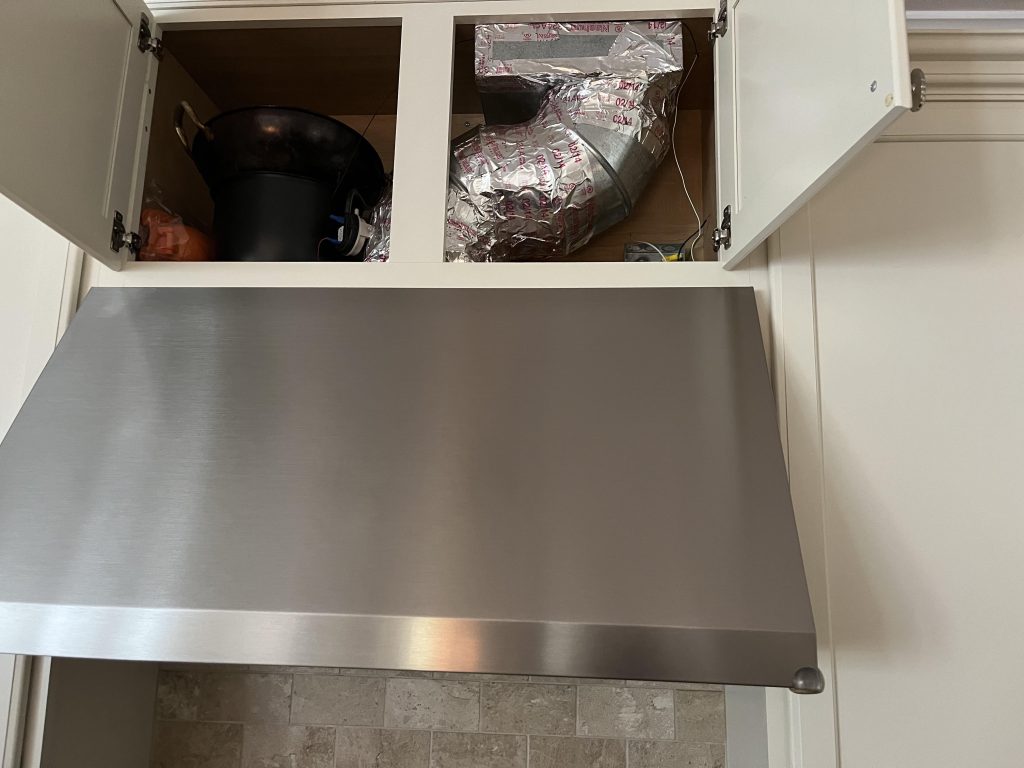
Are you wondering if your range hood really needs to vent outside? You’re not alone.
Many people ask this question when setting up their kitchen or upgrading their cooking space. The answer isn’t always simple, but it can make a big difference in your kitchen’s air quality, comfort, and even safety. You’ll discover why venting matters, what options you have, and how to choose the best solution for your home.
Keep reading to find out what you need to know before making a decision that affects your kitchen every day.
Types Of Range Hoods
Range hoods come in ducted and ductless types. Ducted models vent air outside, while ductless ones filter and recirculate air indoors. Choosing depends on kitchen layout and ventilation needs.
When considering kitchen ventilation, understanding the types of range hoods available is crucial. Range hoods play a significant role in maintaining a clean, odor-free kitchen environment. They come in various designs, each offering unique benefits and fitting different kitchen setups.Vented Range Hoods
Vented range hoods, also known as ducted hoods, are designed to extract air pollutants and moisture from your kitchen and expel them outside. They are connected to a duct system that leads outdoors, ensuring that smoke, grease, and odors are efficiently removed. This type is highly effective in high-volume cooking scenarios, like when you’re preparing a big family meal. Imagine cooking a hearty breakfast with bacon sizzling on one burner and pancakes flipping on another. Without proper ventilation, your whole house would smell like a diner. A vented range hood can help you avoid this by directing the air outside, ensuring your living room doesn’t end up smelling like your kitchen. However, installing a vented range hood can be more challenging. It requires access to exterior walls or roofs for the ductwork, which might not be feasible in all homes. It’s essential to assess your kitchen’s layout and consider if you have the infrastructure in place for this setup.Ductless Range Hoods
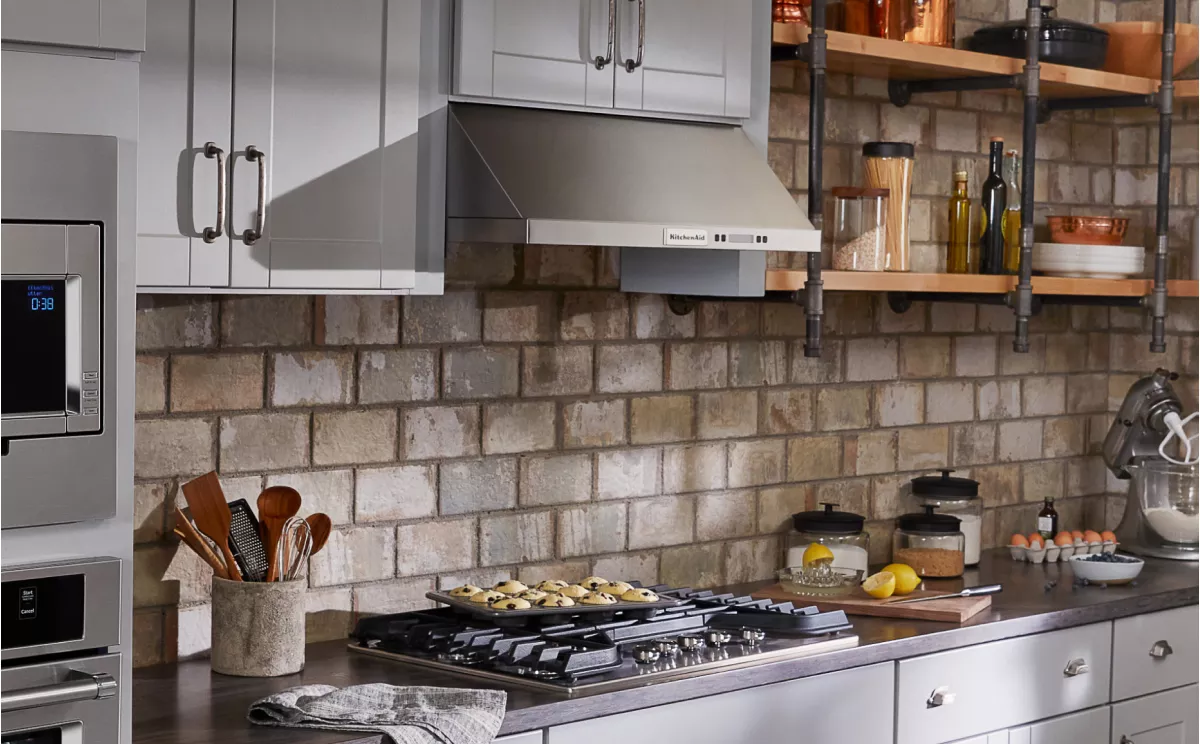
Ductless range hoods offer a flexible alternative, especially beneficial if your kitchen doesn’t easily accommodate ductwork. These hoods use a filtration system to clean the air before recirculating it back into the room. They typically feature charcoal filters to trap odors and smoke particles. While ductless hoods might not be as effective as vented ones in removing moisture and heat, they’re convenient and easy to install. You can have them up and running without the hassle of extensive renovations. They are perfect for rented apartments or homes where structural changes aren’t possible. Think about those times when you decided to bake cookies spontaneously. A ductless range hood can quickly filter out the sweet aroma, ensuring that your home doesn’t smell like a bakery all day long. The main task for you with a ductless hood is regular maintenance. Filters need to be cleaned or replaced periodically to maintain efficiency. Are you ready to commit to that level of upkeep to enjoy the convenience it offers? Both types of range hoods have their pros and cons, and choosing the right one depends on your kitchen setup and personal preferences. So, which option suits your cooking lifestyle best?How Vented Range Hoods Work
Vented range hoods remove smoke, steam, and odors from your kitchen. They pull air through a filter and push it outside your home. This system keeps your indoor air fresh and clean during cooking.
Airflow And Ventilation
Vented range hoods use a fan to draw air from the cooking area. The air passes through a filter that catches grease and particles. Then, the fan pushes the air through a duct system.
The duct carries the air outside your home. This helps remove heat, moisture, and smells effectively. Proper airflow prevents kitchen odors from spreading to other rooms.
Installation Requirements
Installing a vented range hood requires a duct that leads outdoors. The duct size and length affect the hood’s performance. Shorter and wider ducts provide better airflow.
The hood must be mounted at the correct height above the stove. This ensures it captures smoke and steam well. The duct should have minimal bends to avoid airflow loss.
Professional installation is recommended to meet building codes. Proper sealing prevents leaks and maintains energy efficiency. A vented hood needs access to an exterior wall or roof for venting.
How Ductless Range Hoods Work
Ductless range hoods offer a practical solution when venting outside isn’t possible. Instead of pushing air outdoors, these hoods clean the air and recirculate it back into your kitchen. But how exactly do they manage to keep your cooking space fresh without external ventilation?
Filtration Systems
Ductless range hoods rely on powerful filtration systems to trap smoke, grease, and odors. Most use a combination of a grease filter and a charcoal or carbon filter. The grease filter captures fat and particles, preventing buildup inside your hood.
The charcoal filter is key for removing odors. It absorbs smells and purifies the air before it returns to your kitchen. These filters need regular cleaning or replacement, which you should keep in mind for maintenance.
Have you ever wondered why some kitchens still smell smoky even with a ductless hood? It often comes down to how well these filters are maintained and their quality.
Pros And Cons
- Pros:
- Easy installation since no ductwork is needed.
- Works well in apartments or spaces where venting outside is impossible.
- Energy efficient by not losing heated or cooled air outdoors.
- Cons:
- Filters require frequent cleaning or replacement to stay effective.
- Less effective at removing heat and moisture compared to vented hoods.
- May not fully eliminate strong cooking odors.
Understanding these trade-offs can help you decide if a ductless range hood matches your kitchen needs. Would you prioritize ease of installation over ultimate air quality? Your choice will affect your cooking comfort every day.
Credit: www.kitchenaid.com
Building Codes And Regulations
Understanding building codes and regulations is crucial when deciding if your range hood needs to vent outside. These rules ensure that your kitchen stays safe and your home meets legal standards. Ignoring them can lead to costly fixes and even safety hazards.
Local Requirements
Building codes vary widely depending on where you live. Some cities or states require range hoods to vent outdoors to reduce indoor air pollutants. Others may allow ductless or recirculating hoods if they meet specific filtration standards.
Checking with your local building department or a licensed contractor is your best bet. They can tell you if venting outside is mandatory or if a recirculating hood is acceptable. Remember, these rules are often tied to your home’s age and type, so don’t assume what worked for a neighbor will work for you.
Safety Considerations
Venting your range hood outside helps remove moisture, smoke, and harmful gases like carbon monoxide. This step is especially important if you frequently cook with gas. Without proper ventilation, these pollutants can accumulate and affect your health.
Have you noticed lingering odors or excessive humidity after cooking? That’s a sign your current setup might not be safe or effective. An outside vent can solve these issues by pushing the air out instead of recirculating it inside your home.
Additionally, some local codes mandate outdoor venting to prevent grease buildup inside ducts, which can become a fire hazard. So, even if a ductless hood seems easier, consider the long-term safety risks before making your choice.
Benefits Of Venting Outside
Venting your range hood outside offers clear advantages that go beyond just following building codes. It directly impacts the air you breathe and the overall comfort of your kitchen. Let’s look at why venting outside might be the best choice for your home.
Improved Air Quality
Venting your range hood outside removes harmful pollutants like smoke, grease, and gases from cooking. This keeps your indoor air cleaner and safer to breathe. Have you noticed how your kitchen feels fresher after using a vented hood compared to a recirculating one?
Without proper ventilation, these particles linger, making your kitchen smell stale and even affecting your health over time. By pushing the air outside, you reduce the risk of respiratory issues and allergy triggers. It’s a simple step that protects your family’s well-being every day.
Reduced Moisture And Odors
Cooking generates steam and strong smells that can stick around if not vented out properly. An outside vent helps get rid of excess moisture, which prevents mold and mildew growth on walls and ceilings. Have you ever found spots of mold creeping up near your stove? That’s often due to poor ventilation.
Odors from frying or simmering can also cling to fabrics and surfaces, making your home less inviting. Venting outside keeps your space smelling fresh and clean, even after cooking your favorite garlic-heavy dishes. This practical benefit makes a noticeable difference in your kitchen’s atmosphere.

Credit: www.reddit.com
When Ductless Hoods Are Suitable
Ductless range hoods work by filtering air and recirculating it back into the kitchen. They do not need a vent to the outside. These hoods suit certain homes and kitchen setups. Knowing when to choose ductless hoods helps avoid costly changes and ensures good air quality.
Space Limitations
Some kitchens cannot support a vent pipe to the outside. Apartments and condos often have no way to run ducts. Older homes may lack space inside walls or ceilings. Ductless hoods fit well in these tight spaces. They need only a power source and room for filters.
Cost And Convenience
Installing a ducted vent system can be expensive. It may require cutting walls or ceilings and hiring professionals. Ductless hoods cost less upfront and install faster. Filters need regular cleaning or replacement, but no vent maintenance is needed. This makes them a practical choice for renters or budget-conscious owners.
Installation Challenges
Installing a range hood can seem straightforward, but the reality often involves several challenges that might surprise you. Whether your kitchen layout allows for easy venting outside or not, you’ll face some obstacles that require careful planning. Understanding these challenges upfront can save you time, money, and frustration during installation.
Venting Obstacles
One of the biggest hurdles in installing a range hood is dealing with venting. Not every kitchen has a clear path to the exterior, which means you might have to work around walls, cabinets, or even floors.
In tight spaces, running ductwork can be tricky. You might need to drill through walls or ceilings, which can be messy and complicated.
Have you considered how long or complicated your duct run will be? Longer ducts reduce the hood’s efficiency and can increase noise levels.
Sometimes, you might have to choose a recirculating range hood instead, which filters air but doesn’t vent it outside. But this often means more maintenance and less effective removal of odors and moisture.
Electrical And Structural Concerns
Electrical wiring is another critical factor. Your range hood needs power, and if your kitchen’s current wiring isn’t set up for it, you’ll need professional help.
Adding new circuits or outlets can be costly and may require permits. It’s not just about plugging in the hood; it’s about ensuring your electrical system can handle the extra load safely.
Structurally, your walls or cabinets must support the weight of the hood. Some heavier models require reinforcement to avoid damage over time.
Think about your kitchen’s layout: do you have enough space and support for the hood you want? Ignoring these details can lead to costly fixes later.
Maintenance Tips For Range Hoods
Proper maintenance keeps your range hood working well and lasting longer. Regular care improves air quality in your kitchen. Simple tasks prevent damage and reduce repair costs. Focus on cleaning and checking key parts often.
Cleaning Filters
Filters trap grease and dirt from cooking fumes. Clean them every one to three months for best results. Metal filters can be washed with warm water and soap. Some filters are dishwasher safe; check the manual. Charcoal filters need replacement, as cleaning won’t restore them.
- Remove filters carefully before cleaning
- Soak in hot, soapy water to loosen grease
- Scrub gently with a soft brush
- Rinse well and dry completely before reinstalling
Checking Ventilation Paths
Ventilation paths must stay clear for proper airflow. Blocked vents reduce efficiency and cause odors to linger. Inspect ducts and vents at least twice a year. Look for dust, debris, or nests that may block air. Clean or remove any obstructions you find.
- Use a flashlight to inspect vent openings
- Check outside vents for damage or blockages
- Ensure duct connections are tight and sealed
- Replace damaged vent covers or ducts promptly
Energy Efficiency Considerations
Energy efficiency is a key factor to weigh when deciding if your range hood should vent outside. This choice impacts your home’s energy consumption and comfort more than you might expect. Understanding how fan power and heat loss come into play helps you make a smarter decision for your kitchen and wallet.
Fan Power Usage
The power your range hood fan uses directly affects your electricity bill. Venting outside usually requires a stronger fan to push air through ducts, which can increase energy consumption.
On the other hand, recirculating hoods use less fan power because they only filter and release air back into the kitchen. But this might mean sacrificing some air quality and effectiveness.
Ask yourself: Is saving on fan power worth potentially reducing how well your hood clears cooking fumes? Your cooking habits and kitchen size can guide this choice.
Heat Loss Implications
Range hoods that vent outside pull warm indoor air out of your home. This can lead to significant heat loss, especially in winter.
Imagine running your heater while your range hood is pulling that warm air outside—your heating system works harder to replace it.
Recirculating hoods don’t cause this heat loss since they recycle air back into the room, helping maintain your home’s temperature.
Consider your local climate and heating costs before deciding. Would venting outside increase your energy bills more than it improves air quality?
Credit: blog.cata-appliances.co.uk
Frequently Asked Questions
Does A Range Hood Need External Venting?
A range hood doesn’t always need to vent outside. Ducted hoods expel air outdoors, removing smoke and odors. Ductless or recirculating hoods filter air and release it back inside, ideal for apartments or areas without vent access.
What Are Benefits Of Venting A Range Hood Outside?
Venting outside removes heat, smoke, and cooking odors from your kitchen. It improves indoor air quality and prevents moisture buildup. Outdoor venting also reduces grease deposits inside the home, enhancing overall cleanliness and appliance efficiency.
Can A Range Hood Work Without External Ventilation?
Yes, ductless range hoods work without external vents. They use charcoal filters to trap odors and grease. However, they are less effective at removing moisture and heat compared to vented hoods.
Is External Venting Required By Building Codes?
Building codes vary by location but often recommend external venting for safety. Some codes require venting to reduce fire risks and maintain proper indoor air quality. Always check local regulations before installing a range hood.
Conclusion
A range hood can vent outside or use a recirculating system. Venting outside removes smoke and odors better. Recirculating hoods filter air but do not fully clear it. Choosing depends on your kitchen layout and needs. Proper ventilation helps keep your kitchen fresh and clean.
Consider space, budget, and cooking habits before deciding. Either option can work well with the right care. Clean and maintain your hood regularly for best results. Your choice affects air quality and comfort in your home.