Are you wondering if your refrigerator really needs a GFCI outlet? It’s a common question that many homeowners face, especially when upgrading or installing kitchen appliances.
The answer isn’t always simple, but understanding it can save you from potential electrical issues or even costly repairs. You’ll discover why GFCI protection matters, when it’s required, and what it means for your safety and your fridge’s performance. Keep reading to make sure your kitchen stays both safe and efficient.
Gfci Basics
Understanding GFCI basics helps decide if a refrigerator needs one. GFCI stands for Ground Fault Circuit Interrupter. It protects people from electric shocks. This protection is crucial in areas with water, like kitchens.
What Is A Gfci?
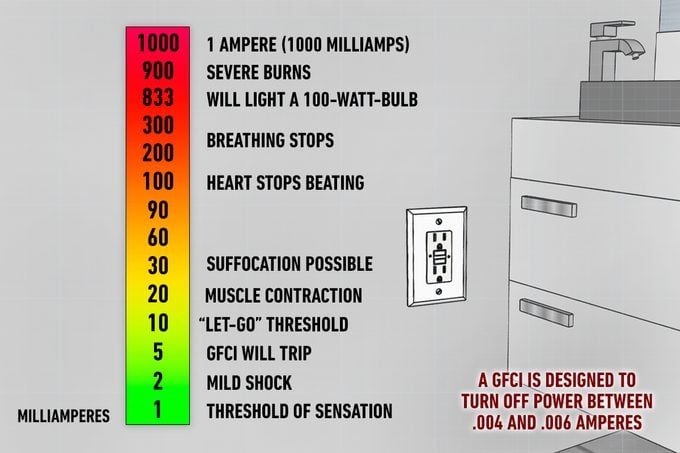
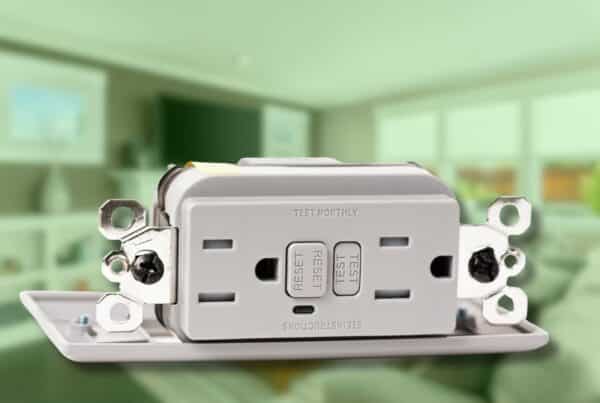
A GFCI is a special electrical outlet or breaker. It detects small electrical faults that regular outlets cannot. These faults may cause shocks or fires. GFCIs are designed to cut power quickly. They reduce the risk of serious injury or damage.
How Gfcis Work
GFCIs monitor the flow of electricity through a circuit. They compare the current going out to the current coming back. If the currents do not match, a ground fault is present. The GFCI trips and stops the electrical flow immediately. This action can happen in less than a tenth of a second.
Refrigerator Electrical Needs
Refrigerators need specific electrical setups to run safely and efficiently. Understanding these needs helps prevent electrical issues and protects your appliances. Refrigerators usually require a steady power supply and proper wiring to avoid damage or fire risks.
Typical Refrigerator Wiring
Most refrigerators use standard wiring with three main components:
- Hot wire carrying current to the appliance
- Neutral wire completing the electrical circuit
- Ground wire for safety, preventing shocks
This wiring ensures the fridge operates smoothly and safely. The ground wire is crucial for protecting users from electrical faults.
Common Circuit Types
Refrigerators usually connect to one of these circuit types:
- Dedicated Circuit:A circuit serving only the refrigerator. This avoids overload and power dips.
- Shared Circuit:A circuit shared with other appliances. It can cause tripped breakers if overloaded.
Using a dedicated circuit is safer and recommended. It ensures the fridge gets constant power without interruption.
Gfci Requirements For Refrigerators
Understanding GFCI requirements for refrigerators helps ensure electrical safety. Not every home setup needs a GFCI outlet for a refrigerator. Yet, certain conditions do make it necessary. It’s crucial to know these rules to protect your home.
National Electrical Code Guidelines
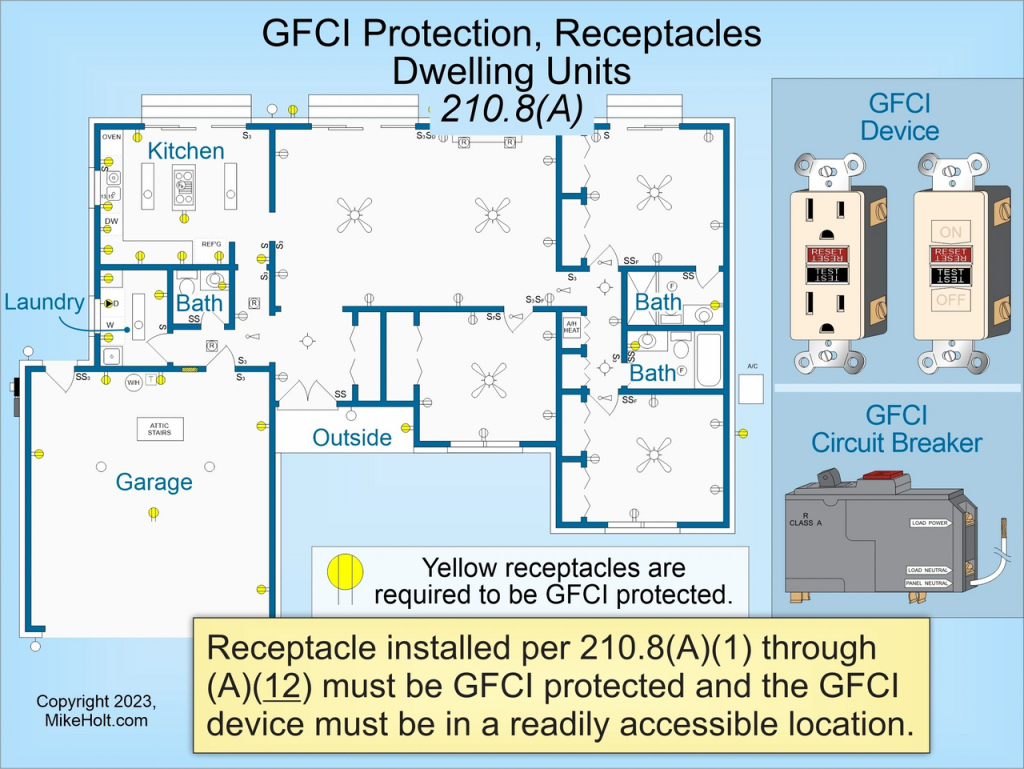
The National Electrical Code (NEC) sets the standard for electrical safety. According to NEC, GFCI outlets are mandatory in specific areas. These include kitchens, bathrooms, and outdoor spaces. But, does this mean your refrigerator needs a GFCI outlet? Not always. The need depends on its location.
When Gfci Is Required
A GFCI outlet is required if a refrigerator is near water. For example, in a kitchen near a sink. Also, garages and unfinished basements often need GFCI protection. If your refrigerator is in these areas, a GFCI outlet is essential.
Always check the NEC guidelines for updates. Local building codes may have stricter rules. Consult with a qualified electrician for advice. Safety should always be a priority.

Credit: joca-cable.com
Benefits Of Using Gfci With Refrigerators
Using a GFCI with refrigerators offers clear safety and protection benefits. It reduces risks linked to electrical faults. This simple device can save lives and prevent costly damage. Understanding these benefits helps in making smart electrical choices.
Preventing Electrical Shocks
A GFCI detects small electrical faults quickly. It cuts off power to stop shocks. This is crucial in kitchens where water and electricity mix. It protects anyone touching the fridge from harm. Especially important in homes with children or elderly people.
Protecting Appliances
GFCI outlets also guard refrigerators from power surges. They prevent damage caused by electrical faults. This extends the life of the appliance. Avoids costly repairs or replacements. Keeps your fridge running safely and efficiently for years.
Potential Drawbacks
Installing a GFCI outlet for your refrigerator might seem like a good safety move, but it’s important to weigh the potential drawbacks before making a decision. While GFCIs are designed to prevent electrical shocks, they can sometimes cause unexpected issues that affect your refrigerator’s operation and your overall convenience. Let’s look at some of the common problems you might face.
Nuisance Tripping Issues
One of the biggest complaints about using GFCI outlets with refrigerators is nuisance tripping. This happens when the GFCI outlet trips without any real danger, cutting power to your fridge unexpectedly.
Refrigerators often have motors and compressors that create small electrical leaks or surges. These can be enough to trigger the GFCI protection, even though there’s no actual fault. Imagine coming home to a warm fridge because the outlet tripped while you were away—that’s a risk you need to consider.
Have you ever experienced a power outage inside your fridge without an obvious cause? This nuisance tripping can spoil food and force costly repairs. It’s something to think about if you’re considering a GFCI for your kitchen appliances.
Impact On Refrigerator Performance
Beyond nuisance trips, GFCI outlets might affect how your refrigerator performs over time. Some refrigerators are sensitive to the slight interruptions or electrical noise that GFCIs can introduce.
This interference can cause the compressor to work harder or cycle on and off irregularly. Over time, this may reduce the lifespan of your appliance or increase your energy bills without you realizing it.
Ask yourself if the safety benefits of a GFCI outweigh the potential for increased wear and tear. If your fridge is older or already showing signs of strain, adding a GFCI outlet might speed up problems rather than prevent them.
Credit: www.familyhandyman.com
Installation Tips
Installing a refrigerator with the correct electrical setup ensures safety and efficiency. Proper planning helps avoid common issues like frequent tripping of GFCI outlets or power failures. Follow these installation tips to create a reliable and safe connection for your fridge.
Proper Outlet Placement
Place the outlet near the refrigerator’s power cord to reduce tension. Keep the outlet at least 6 inches above the floor to avoid water exposure. Use a dedicated circuit to prevent overload from other appliances. Make sure the outlet is easily accessible for maintenance and emergency unplugging.
Professional Wiring Advice
Hire a licensed electrician to handle wiring tasks. They ensure compliance with local codes and safety standards. Proper grounding reduces the risk of electric shock and equipment damage. Confirm the circuit breaker matches the refrigerator’s power requirements. Avoid DIY wiring to prevent costly mistakes and hazards.
Alternative Safety Measures
Choosing the right safety measures for your refrigerator goes beyond just installing a GFCI outlet. There are other options that protect your appliance and your home’s electrical system effectively. Understanding these alternatives can help you make a smarter decision tailored to your needs.
Circuit Breakers Vs Gfcis
Circuit breakers are your home’s first line of defense against electrical overloads and short circuits. Unlike GFCIs, which detect ground faults and cut power instantly, circuit breakers trip when current exceeds safe limits. This means circuit breakers protect wiring from damage but might not prevent shocks caused by ground faults.
Think about your refrigerator’s location. If it’s in a dry, well-maintained area, a circuit breaker alone might suffice. However, in places prone to moisture, like garages or basements, relying solely on a circuit breaker might not be enough to avoid shocks.
Have you ever experienced a sudden power trip? Circuit breakers can sometimes be slow or miss subtle faults. GFCIs react faster to ground faults, offering enhanced personal protection around water-prone areas.
Surge Protectors
Surge protectors shield your refrigerator from sudden voltage spikes that can damage electronics and shorten appliance life. They don’t replace GFCIs but add a layer of protection against power surges caused by lightning or grid fluctuations.
Using a surge protector designed for large appliances can save you costly repairs. Many models also include built-in circuit breakers for extra safety. If you’ve had your refrigerator for years without a surge protector, consider adding one—especially if you live in an area with frequent storms.
Would you rather face a blown compressor or a simple reset after a power surge? Surge protectors give you peace of mind by handling unexpected electrical jolts before they reach your fridge.
Common Misconceptions
Many people hold strong opinions about whether a refrigerator needs a GFCI (Ground Fault Circuit Interrupter) outlet. Some believe it’s an absolute must, while others think it’s unnecessary or even risky. Sorting fact from fiction is crucial to keeping your kitchen safe and your fridge running smoothly.
Is Gfci Mandatory Everywhere?
GFCI outlets are required in certain areas by electrical codes, but not every location demands them. Kitchens generally require GFCI protection because of the moisture and water exposure, but refrigerators often have exceptions.
For example, in many local codes, the outlet that powers the refrigerator does not need a GFCI if it’s on a dedicated circuit. This exception exists because refrigerators can sometimes cause nuisance trips on GFCI outlets, leading to food spoilage.
Do you know if your kitchen’s electrical setup includes this exception? It’s worth checking your local building codes or consulting an electrician to make sure you’re following the correct rules.
Myths About Refrigerator Safety
One common myth is that GFCI outlets are always safer for refrigerators. While GFCIs protect against electric shock, they can also trip unexpectedly when the fridge’s compressor cycles. This can lead to inconvenient power loss and spoiled food.
Another misconception is that using a GFCI outlet prevents all electrical hazards for your refrigerator. In reality, regular maintenance and proper wiring are just as important for safety. A GFCI outlet doesn’t fix faulty cords or poor grounding.
Have you ever experienced a fridge shutting off unexpectedly? That might be a GFCI tripping. Understanding these nuances can help you decide the best protection method for your refrigerator without sacrificing reliability.
Credit: avalonhomeinspections.net
Frequently Asked Questions
Does A Refrigerator Require A Gfci Outlet?
Most refrigerators do not need a GFCI outlet by code, but some areas may require it. GFCIs protect against electrical shock by cutting power during ground faults. Check local electrical codes and manufacturer guidelines for specific requirements.
Can A Gfci Outlet Cause Fridge To Trip?
Yes, GFCI outlets can trip due to normal refrigerator operation or minor electrical leakage. Frequent tripping may indicate wiring issues or a faulty appliance. It’s important to inspect and fix problems to avoid food spoilage.
What Are The Risks Of Not Using A Gfci For A Fridge?
Without a GFCI, there is a higher risk of electrical shock during faults. GFCIs provide safety in damp or wet locations like kitchens or garages. Using a GFCI outlet enhances protection against electric hazards.
Where Should I Install A Gfci For My Refrigerator?
Install GFCI outlets in locations prone to moisture, such as garages, basements, or kitchens near sinks. In dry indoor areas, GFCI may not be mandatory. Always follow local codes and safety recommendations.
Conclusion
Refrigerators usually do not need a GFCI outlet in most homes. GFCI protects against electric shocks in wet areas like kitchens and bathrooms. Some local codes might require GFCI for refrigerators, so check your rules. Using a GFCI can add safety but may cause unwanted trips.
Keep your fridge plugged into a properly grounded outlet for best results. Safety matters, but so does convenience. Always follow local electrical codes and consult a professional if unsure. Stay safe and keep your fridge running smoothly.