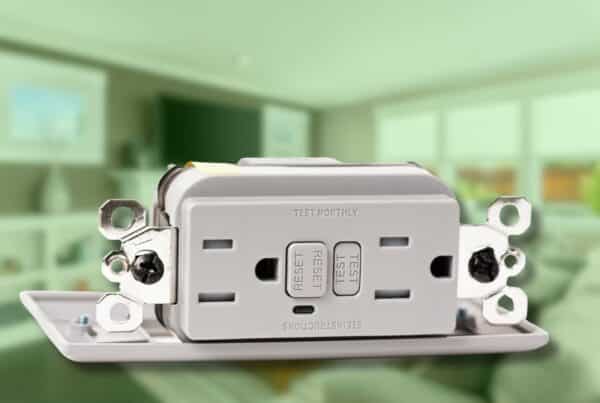
Have you ever plugged in your refrigerator and wondered if it needs its own circuit? You’re not alone.
Many homeowners, just like you, are curious about whether their fridge requires special electrical attention or if it can share a circuit with other appliances. Understanding this is crucial for both the safety of your home and the longevity of your refrigerator.
Imagine avoiding potential electrical mishaps and ensuring your fridge runs smoothly for years to come. Dive into this article to discover the answers you need and take a proactive step towards a safer, more efficient home.
Why Dedicated Circuits Matter
Dedicated circuits for refrigerators are essential for safety and efficiency. These circuits provide a stable power supply without interruptions. They help avoid electrical problems that can harm your fridge or home. Understanding why dedicated circuits matter helps you make smart choices for your kitchen appliances.
Preventing Overloads
Refrigerators use a lot of electricity, especially when the compressor starts. Sharing a circuit with other devices can cause the circuit to overload. Overloads can trip breakers or blow fuses, cutting power to your fridge. A dedicated circuit keeps the power steady and prevents these interruptions. This reduces the risk of electrical fires and damage to your home wiring.
Protecting Appliance Performance
Refrigerators need a steady flow of electricity to run well. Power fluctuations can cause the compressor to work harder or stop suddenly. This lowers the fridge’s efficiency and shortens its lifespan. A dedicated circuit ensures consistent power delivery. It helps the refrigerator maintain its cooling performance and saves energy over time.

Credit: www.searshomeservices.com
Electrical Requirements For Refrigerators
Refrigerators need specific electrical conditions to work well and safely. Understanding these requirements helps prevent power issues and protects your appliance. The right circuit ensures your fridge runs smoothly without causing electrical problems.
Typical Power Needs
Most refrigerators use between 100 and 800 watts of power. Smaller models need less power, while larger or commercial fridges require more. The fridge’s compressor is the main power user, especially when it starts up.
Power usage depends on factors like size, age, and energy rating. Modern fridges often have energy-saving features that reduce power demand. Always check the appliance’s label for exact wattage and voltage needs.
Circuit Breaker Specifications
Refrigerators usually require a dedicated circuit with a breaker rated between 15 and 20 amps. A dedicated circuit means the fridge has its own power line, preventing overloads from other devices.
Using the correct circuit breaker protects your fridge and home wiring. It stops electrical faults and reduces fire risks. The circuit should match the fridge’s voltage and amperage ratings for safe operation.
Risks Of Sharing Circuits
Sharing a circuit with a refrigerator can lead to several risks. The fridge needs steady, reliable power to run correctly. When other appliances use the same circuit, problems can arise. These risks affect both the refrigerator and the other devices plugged in.
Potential For Tripped Breakers
Refrigerators draw a lot of power when the compressor starts. This surge can cause the circuit breaker to trip. If other appliances run on the same circuit, the total power may exceed the limit. The breaker trips to prevent overheating or fire. Frequent tripping can wear out the breaker and cause inconvenience.
Impact On Other Appliances
Shared circuits mean appliances compete for power. This can cause voltage drops, making devices run poorly. Sensitive electronics may reset or stop working temporarily. Lights may flicker when the fridge compressor cycles on. This can reduce the lifespan of other appliances and affect their performance.

Credit: www.searshomeservices.com
Installation Best Practices
Proper installation of a refrigerator’s electrical connection ensures safety and performance. Following best practices reduces risks of electrical problems and appliance damage. It also helps maintain energy efficiency and prevents frequent circuit trips. Careful planning and professional installation make a big difference in how well your refrigerator works.
Choosing The Right Circuit
A refrigerator needs a dedicated circuit to avoid overloads. Select a circuit with the correct amperage, usually 15 or 20 amps. The circuit should have a proper breaker compatible with the refrigerator’s power needs. Use copper wiring for safety and reliability. Check local electrical codes to ensure compliance. Avoid sharing the circuit with other high-power appliances.
Professional Wiring Tips
- Turn off power before starting any wiring work.
- Use a grounded outlet to reduce shock risk.
- Install a GFCI breaker only if local codes require it.
- Keep wiring connections tight and secure to prevent sparks.
- Use wire nuts and electrical tape for insulation.
- Label the circuit breaker for easy identification.
- Test the circuit after installation to ensure proper function.
- Hire a licensed electrician for complex or uncertain wiring tasks.
Signs Your Circuit May Be Inadequate
Noticing signs that your refrigerator’s circuit might be struggling is crucial. Ignoring these hints can lead to appliance damage or even electrical hazards. Let’s look at the key indicators that your circuit may not be up to the task.
Frequent Power Interruptions
Does your fridge’s power keep cutting out unexpectedly? This often happens when the circuit is overloaded by multiple appliances running simultaneously. If your breaker trips every time the fridge kicks on, it’s a strong sign your circuit can’t handle the load.
Think about how many devices share the same circuit. If your kitchen outlets and lighting are on the same line as the fridge, that’s a red flag. You want your refrigerator to run smoothly without causing interruptions to your home’s electricity.
Unusual Appliance Behavior
Have you noticed your fridge acting strangely, like running louder or cycling on and off more frequently? These odd behaviors can indicate inconsistent power supply. When the circuit is inadequate, the refrigerator’s compressor struggles to maintain proper temperature.
Pay attention to food spoilage or unexpected temperature fluctuations. These can result from power issues linked to a weak circuit. Could your fridge’s weird noises or uneven cooling be a silent call for electrical help?
Energy Efficiency And Safety
Energy efficiency and safety are two important reasons why your refrigerator might need its own circuit. Separating your fridge from other appliances can prevent electrical overloads and help it run more smoothly. This setup also reduces the risk of hazards that could damage your home or your appliance.
Reducing Electrical Hazards
When your refrigerator shares a circuit with other high-power devices, the risk of tripping breakers or causing electrical fires rises. Overloading a circuit can cause wires to heat up, which is dangerous. Giving your fridge its own circuit helps keep the electrical load balanced and prevents these risks.
Think about the last time a breaker tripped during a heatwave when you had your fridge, air conditioner, and microwave running. Wasn’t it frustrating? Avoiding this by installing a dedicated circuit means your fridge stays powered consistently, which keeps your food safe and your home secure.
Improving Appliance Longevity
A dedicated circuit can help your refrigerator operate more efficiently, reducing wear and tear on its components. Frequent power interruptions or voltage drops from a shared circuit can strain the compressor and other parts. Over time, this strain can lead to costly repairs or even early replacement.
Imagine your refrigerator running smoothly without sudden power cuts. It uses energy more effectively and lasts longer. Protecting your appliance with its own circuit is a small investment that pays off by extending its life and saving you money on energy bills and repairs.
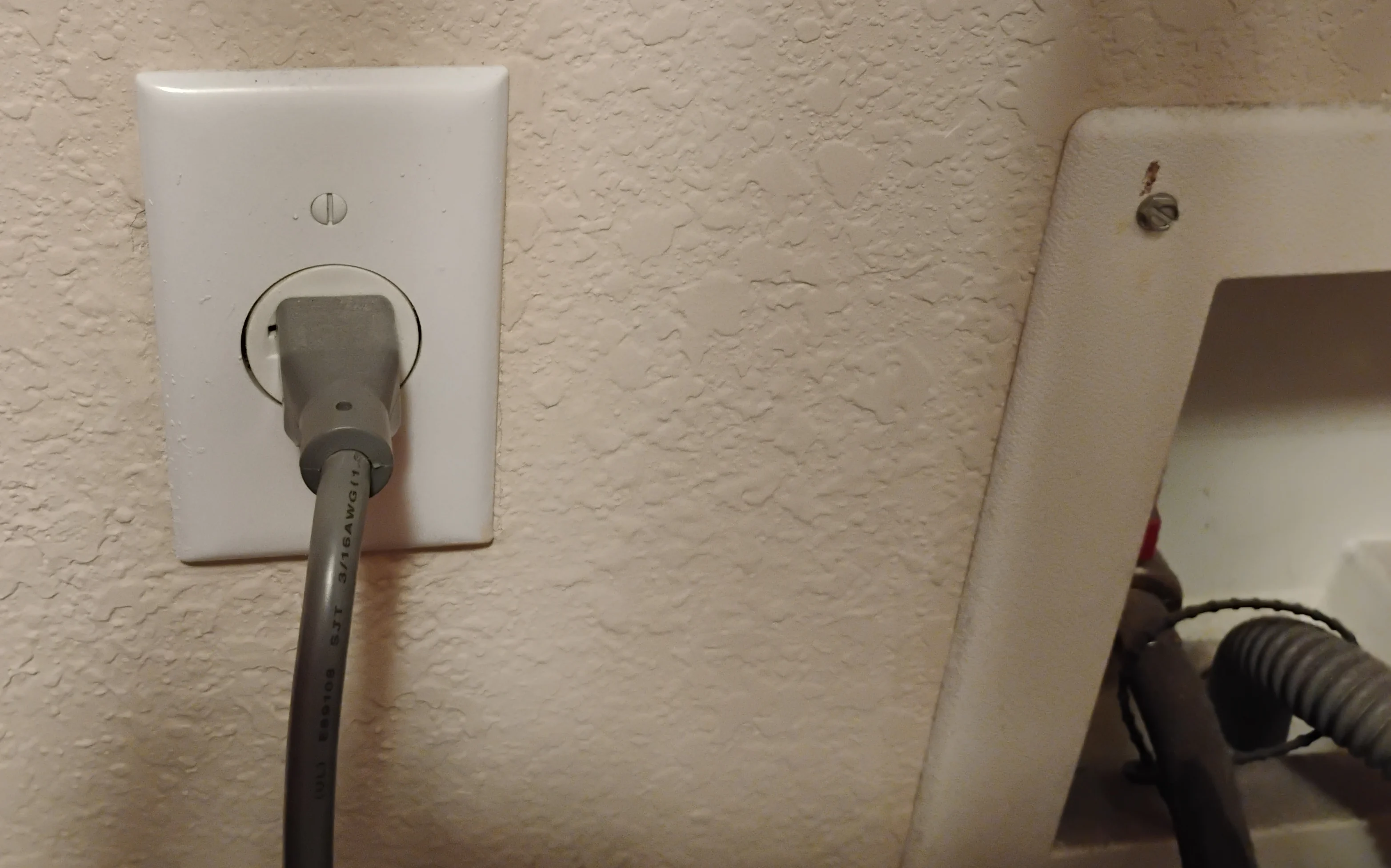
Credit: www.searshomeservices.com
Frequently Asked Questions
Does A Refrigerator Require Its Own Dedicated Circuit?
Yes, refrigerators should have their own dedicated circuit to avoid electrical overloads. This ensures consistent power supply and prevents tripping breakers, protecting the appliance and maintaining efficiency.
What Size Circuit Breaker Is Ideal For A Refrigerator?
A 15-20 amp circuit breaker is typically recommended for most refrigerators. This size supports the refrigerator’s power needs without risking frequent breaker trips or electrical hazards.
Can Sharing Circuits With Other Appliances Damage A Refrigerator?
Sharing circuits can cause power fluctuations and frequent breaker trips. This may harm the refrigerator’s compressor and reduce its lifespan, leading to costly repairs.
How Does A Dedicated Circuit Improve Refrigerator Performance?
A dedicated circuit provides stable and uninterrupted power, reducing the risk of voltage drops. This stability helps the refrigerator run efficiently and prolongs its operational life.
Conclusion
A refrigerator often needs its own circuit to work well. This helps avoid power problems and keeps the fridge safe. Sharing a circuit can cause the breaker to trip or damage the appliance. A dedicated circuit gives steady power and protects other devices.
Always check local rules and ask an expert before installing. Proper wiring keeps food fresh and your home safe. Small steps like this make a big difference. Choose safety and reliability for your kitchen appliances.