
Have you ever stood in your kitchen, staring at your refrigerator, and wondered about the electrical requirements keeping it humming smoothly? Specifically, have you asked yourself if a refrigerator needs to be plugged into a Ground Fault Circuit Interrupter (GFCI) outlet?
This question might seem trivial at first, but it’s actually crucial for your safety and the proper functioning of your appliance. Electrical safety can seem overwhelming, but understanding it can save you from potential hazards and expensive repairs. By the end of this article, you’ll know whether your refrigerator should be on a GFCI and why this matters for your home and peace of mind.
Curious to find out? Keep reading to uncover the essential details that could make a big difference in your kitchen setup.
Credit: inspections.blue
Why Gfci Matters
Understanding why GFCI matters helps protect your home and family from electrical hazards. Kitchens have many water sources and electrical devices. This combination increases the risk of electric shock. GFCI outlets reduce this risk by quickly cutting off power during faults. They are essential safety devices that prevent serious injuries and damage.
Basics Of Gfci Protection
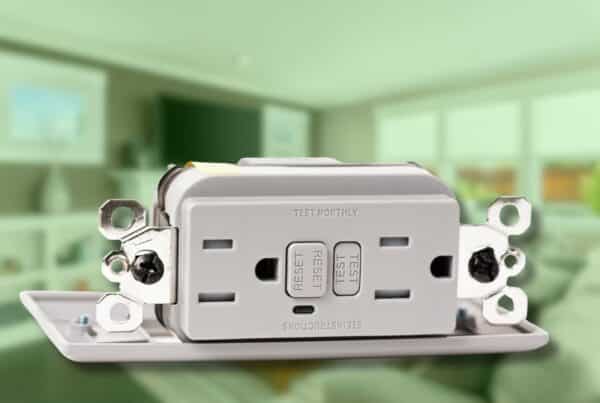
A GFCI, or Ground Fault Circuit Interrupter, monitors electricity flow. It detects any imbalance between hot and neutral wires. Even small leaks of electricity can cause shocks. The GFCI trips within milliseconds to stop the current. This fast action helps prevent electrocution and fires.
GFCIs are designed for areas with moisture. Bathrooms, kitchens, and outdoor locations often require them. They protect people by sensing electricity flowing outside the circuit path. This safety feature makes them vital for kitchen appliances like refrigerators.
Common Electrical Risks In Kitchens
Kitchens have many electrical risks due to water and appliances. Water spills can cause electricity to travel through unintended paths. This situation can lead to electric shocks or short circuits.
- Wet hands touching plugs or switches
- Damaged cords or outlets near sinks
- Appliances with faulty wiring
- Overloaded circuits from multiple devices
Refrigerators often sit near water sources like sinks or ice makers. A GFCI can stop dangerous shocks if water contacts the electrical parts. Protecting your kitchen with GFCIs lowers the chance of accidents and keeps your family safe.
Credit: avalonhomeinspections.net
Refrigerator And Gfci Compatibility
Understanding the relationship between refrigerators and GFCI outlets is key to keeping your kitchen both safe and functional. Not all appliances react the same way to Ground Fault Circuit Interrupters (GFCIs), so it’s important to know how your refrigerator fits into this setup. Let’s look at what manufacturers say and the real issues you might face.
Manufacturer Recommendations
Most refrigerator makers do not require their appliances to be plugged into a GFCI outlet. They often recommend using a standard, grounded outlet instead.
This advice comes from the way refrigerators draw power. They have compressors that can cause brief electrical surges, which might accidentally trip a GFCI.
Before you decide, check your refrigerator’s manual or the label near the power cord. Some newer models might have specific instructions about GFCI compatibility.
Potential Issues With Gfci Outlets
GFCI outlets are designed to protect you from electric shock by shutting off power quickly when they detect faults. However, this safety feature can sometimes cause problems with refrigerators.
- False tripping: The compressor’s normal operation can mimic a ground fault, causing the GFCI to cut power unexpectedly.
- Food spoilage risk: If the GFCI trips and you don’t notice, your food could spoil without warning.
- Repeated resets: Constantly resetting the GFCI can wear out the outlet and create inconvenience.
Ask yourself: Is the added safety worth the risk of an unexpected power cut? If you choose to use a GFCI, placing a temperature alarm inside your fridge can alert you if the power goes out.
When Gfci Is Required
Knowing when GFCI protection is required helps keep your home safe. GFCI outlets prevent electric shocks by quickly cutting power during faults. Certain areas and appliances must have GFCI protection by law. Understanding these rules ensures you meet safety standards.
Building Codes And Regulations
Local building codes dictate where GFCI outlets are necessary. These codes vary by region but share common safety goals. They require GFCI in places with water or moisture risks. Compliance avoids fines and enhances home safety. Electricians follow these codes during installation or remodeling.
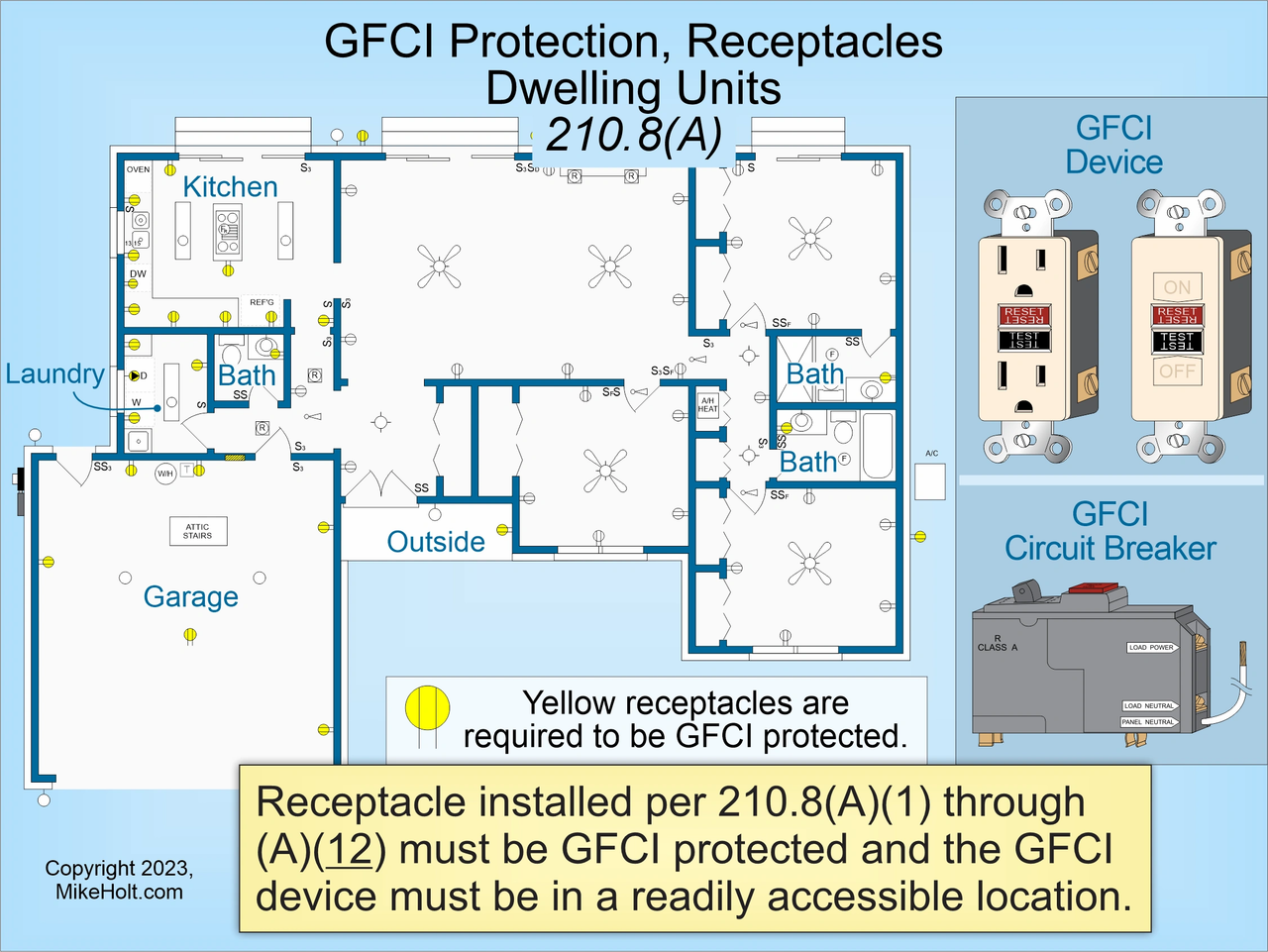
Specific Areas Needing Gfci Protection
GFCI outlets are mandatory in these home areas:
- Kitchens, especially near sinks and countertops
- Bathrooms, where water exposure is common
- Garages and basements with moisture presence
- Outdoor outlets for garden or patio use
- Laundry rooms where washers and dryers operate
These zones face higher shock risks. Appliances in these areas often require GFCI protection. Refrigerators outside these zones may not need GFCI, but rules differ.
Safety Benefits Of Using Gfci
Using a Ground Fault Circuit Interrupter (GFCI) with your refrigerator adds an important layer of safety to your kitchen or any area where the appliance is installed. These devices quickly cut off power if they detect a ground fault, reducing the risk of electric shock and potential damage. Understanding the safety benefits can help you decide if adding a GFCI outlet is a smart move for your home.
Preventing Electrical Shocks
GFCI outlets monitor the electrical current flowing to your refrigerator and compare it to the return current. If there’s a difference as small as 4 to 6 milliamps, the GFCI trips instantly, stopping electricity flow.
This quick action prevents shocks that could happen if water or moisture contacts the appliance’s electrical parts. Have you ever touched a fridge and felt a slight tingle? That’s a warning sign GFCI outlets help to eliminate.
Protecting Appliances From Damage
Electrical faults don’t just pose risks to people—they can also harm your refrigerator. A GFCI can detect leakage currents that might indicate wiring problems or moisture intrusion before they cause serious damage.
By shutting off power immediately, the GFCI prevents short circuits and overheating, which can save you costly repairs or replacement. Think about how much a new fridge costs—wouldn’t it be worth a small investment in extra safety?
Alternative Safety Measures
Alternative safety measures help protect refrigerators and home electrical systems. These measures reduce the risk of electrical shocks and fire hazards. They offer protection without needing a GFCI outlet for your refrigerator.
Using Circuit Breakers
Circuit breakers stop electrical flow during faults or overloads. They protect wiring and devices from damage. Modern circuit breakers react quickly to electrical faults. This helps prevent fires and electrical shocks. Installing the right circuit breaker is crucial for safety. Ensure it matches your home’s electrical load and appliance needs.
Regular Maintenance And Inspections
Routine checks keep refrigerators and wiring safe and efficient. Look for damaged cords, loose connections, or signs of wear. Cleaning dust and debris from coils improves performance and safety. Schedule professional inspections every year or two. Professionals can spot hidden risks and fix problems early. This simple step helps prevent accidents and extends appliance life.

Credit: www.youtube.com
Troubleshooting Gfci And Refrigerator Issues
Troubleshooting issues between your refrigerator and a GFCI outlet can be confusing. Sometimes, the fridge trips the GFCI, cutting power and risking food spoilage. Understanding common problems and knowing when to seek help can save you time and prevent damage.
Common Problems And Solutions
One frequent problem is the refrigerator causing the GFCI to trip unexpectedly. This often happens because refrigerators have compressors that create brief electrical surges when starting up. These surges can be mistaken by the GFCI as a ground fault.
To address this, try plugging the fridge into a non-GFCI outlet temporarily to see if the tripping stops. If it does, the issue lies with the interaction between the fridge’s motor and the GFCI sensitivity.
- Check for moisture or damage:Water leaks or damaged cords can cause real ground faults triggering the GFCI.
- Inspect the GFCI outlet:Older or faulty GFCI outlets might trip more easily and may need replacement.
- Test the refrigerator:Unplug other devices on the same circuit to ensure the fridge is the cause.
Sometimes, simply resetting the GFCI outlet can fix the problem, but repeated trips mean something deeper is wrong. Keep track of when and how often the trips happen to help pinpoint the cause.
When To Call A Professional
If your refrigerator keeps tripping the GFCI despite basic troubleshooting, it’s time to call an electrician. Electrical issues can be complex and dangerous if handled improperly.
Professionals can test the refrigerator’s compressor, wiring, and the GFCI circuit to identify hidden faults. They can also assess whether your kitchen’s electrical setup matches your appliance’s needs.
Don’t ignore frequent power interruptions. They can lead to spoiled food or even electrical hazards. Have an expert evaluate your setup to keep your home safe and your refrigerator running smoothly.
Best Practices For Kitchen Electrical Safety
Keeping your kitchen electrically safe is crucial. Kitchens have many appliances and water sources, which increases the risk of electrical hazards. Knowing how to position outlets and use appliances safely can protect you and your home from accidents.
Proper Outlet Placement
Outlets should be placed where you actually need them, not just where it’s easy to install. Keep outlets at least a few feet away from sinks and water sources to reduce the risk of shocks.
Think about your daily routine. Do you often plug in blenders or coffee makers near the sink? Placing outlets at convenient spots helps prevent the use of long extension cords, which can be a tripping hazard and cause electrical issues.
Also, using outlets with built-in ground fault circuit interrupters (GFCI) near wet areas is a smart move. These outlets can quickly cut power if they detect a fault, preventing electric shocks.
Safe Appliance Usage Tips
Always plug appliances directly into the wall outlet instead of extension cords. Extension cords can overheat if used for heavy kitchen devices like refrigerators or microwaves.
Check your appliances regularly for damaged cords or plugs. A frayed cord is a sign to replace or repair the appliance immediately to avoid fire risks.
Do you unplug appliances when not in use? This simple habit can prevent electrical faults and save energy. It also protects your devices from power surges.
When using your refrigerator, ensure it has its own dedicated circuit. Sharing circuits with other high-power devices can cause overloads and potentially trip breakers.
Frequently Asked Questions
Does A Refrigerator Require A Gfci Outlet?
A refrigerator can work without a GFCI outlet, but local codes may require one. GFCI outlets protect against electrical shocks in damp areas, like kitchens and garages.
Can A Gfci Outlet Cause Fridge Nuisance Trips?
Yes, GFCI outlets may cause nuisance trips due to compressor startup surges. This can interrupt fridge operation and spoil food.
Where Should I Install A Gfci For My Refrigerator?
Install GFCI outlets in areas prone to moisture, such as kitchens, garages, or basements. Always follow local electrical codes for safety.
Is It Safe To Plug A Fridge Into A Gfci Outlet?
Yes, it is generally safe, but frequent trips can risk food safety. Consider using a dedicated circuit or consult an electrician.
Conclusion
A refrigerator can work safely on a GFCI outlet, but there are some things to know. GFCI outlets protect against electrical shocks, which is good. Sometimes, refrigerators may trip the GFCI and lose power. This can cause food spoilage. Many experts suggest using a regular outlet for refrigerators.
Still, check local codes and rules before deciding. Safety matters most, so choose what fits your home best. Keep your fridge running and your family safe.