
Are you wondering if your refrigerator should have its own electrical circuit? It’s a question many homeowners overlook, but the answer can impact your kitchen’s safety and efficiency.
Imagine avoiding unexpected power trips or costly repairs just by understanding this simple electrical tip. You’ll discover why giving your fridge its own circuit might be one of the smartest moves you make for your home’s electrical system. Keep reading to find out how this small change can save you big headaches.
Why Dedicated Circuits Matter
Dedicated circuits for refrigerators are crucial for stable and safe operation. They ensure the fridge gets the power it needs without interruptions. Without a dedicated circuit, the refrigerator may share power with other appliances. This sharing can cause problems like power drops or tripped breakers. Understanding why dedicated circuits matter helps keep your fridge running smoothly and your home safe.
Electrical Load And Safety
Refrigerators use a steady electrical load to keep food cold. This load can be high, especially during compressor start-up. Sharing a circuit with other devices can increase the total load beyond safe limits. Overloaded circuits risk overheating wires and causing electrical fires. Dedicated circuits reduce this risk by giving the fridge its own power source. This setup protects your home and preserves the fridge’s lifespan.
Preventing Circuit Overloads
Circuit overload happens when too many appliances run on the same circuit. It causes the breaker to trip, cutting power to prevent damage. A tripped breaker stops the refrigerator, risking food spoilage. A dedicated circuit prevents overload by isolating the fridge’s power use. It keeps other appliances from affecting the fridge’s electrical supply. This separation ensures consistent power and prevents unexpected outages.
Refrigerator Power Requirements
Understanding your refrigerator’s power requirements is key to deciding if it needs its own circuit. Knowing how much electricity it uses can prevent tripped breakers and electrical hazards. Let’s break down the basics so you can make an informed choice for your home’s electrical setup.
Typical Wattage And Amperage
Most modern refrigerators use between 100 and 800 watts while running. A typical mid-sized fridge often draws around 150 to 300 watts during normal operation. This translates to roughly 1.2 to 2.5 amps on a standard 120-volt circuit.
Keep in mind, these numbers vary depending on the model and size. For example, a compact fridge might only use 100 watts, whereas a large French door refrigerator could draw closer to 800 watts. Knowing this helps you estimate the load on your circuit breaker.
Starting Vs Running Current
Refrigerators require more power when the compressor kicks on, known as the starting current. This surge can be 2 to 3 times higher than the running current and lasts just a few seconds.
This spike is why a refrigerator on a shared circuit with other appliances can cause breakers to trip. If your fridge pulls 2 amps while running, its starting current might hit 6 amps briefly. That’s a crucial factor when deciding if it needs a dedicated circuit.
Have you ever noticed your lights flicker when the fridge starts? That’s a sign of a high starting current affecting the whole circuit. Providing a separate circuit can eliminate these interruptions and protect your appliances.
Electrical Codes And Regulations
Understanding electrical codes and regulations is crucial for home safety. These codes ensure that electrical systems function properly and safely. They specify how wiring and circuits should be installed and maintained. Adhering to these standards protects both property and lives from electrical hazards.
National Electrical Code Standards
The National Electrical Code (NEC) sets the standard for electrical safety in the United States. It recommends that major appliances like refrigerators be on their own circuit. This helps prevent circuit overloads, which can lead to electrical fires. The NEC updates its guidelines regularly, ensuring they reflect the latest safety practices.
Local Code Variations
Local jurisdictions may have their own electrical codes. These can vary from the NEC standards. Some areas might require additional safety measures. Others might have specific rules based on local conditions. Homeowners should check with local building authorities. This ensures compliance with both national and local regulations.

Credit: nassaunationalcable.com
Benefits Of A Dedicated Circuit
Having a dedicated circuit for your refrigerator offers several important benefits. It helps ensure the appliance runs smoothly and reduces the chance of electrical problems. A separate circuit focuses power on the fridge alone, which supports its proper function and safety.
Protecting Appliance Performance
A dedicated circuit provides stable power to your refrigerator. This stability helps the compressor work efficiently without sudden drops or surges in electricity. It keeps the fridge temperature steady, preserving food freshness. Other devices on the same circuit can cause power fluctuations. These fluctuations may cause the refrigerator to run improperly or wear out faster.
Reducing Risk Of Power Interruptions
Power interruptions can spoil food and damage the refrigerator. A dedicated circuit lowers the risk of tripping breakers caused by other appliances. When the fridge shares a circuit, heavy loads from devices like microwaves or heaters can cut power to it. Separate circuits isolate the refrigerator, keeping it running during other appliance use. This reduces downtime and protects your food investment.
When Shared Circuits Are Acceptable
Shared electrical circuits can work well for some refrigerators. Not every fridge needs a dedicated circuit. It depends on the appliance size and power needs. Small fridges and certain low-power devices often run fine on shared circuits. This setup saves space and wiring costs. Careful planning ensures safety and avoids overloads.
Small Refrigerators And Mini Fridges
Mini fridges draw less electricity than full-sized models. They usually consume under 100 watts. This lower power use makes them suitable for shared circuits. Many kitchens and dorm rooms use one circuit for mini fridges and other small devices. The risk of tripping breakers is low with these fridges.
Check the appliance’s wattage and the circuit’s capacity. A typical 15-amp circuit handles about 1800 watts safely. Mini fridges fit comfortably within this limit even with other devices on the same circuit. Keep circuits balanced to prevent overload.
Other Low-power Appliances
Low-power kitchen appliances pair well with refrigerators on shared circuits. Items like microwaves, toasters, or coffee makers draw bursts of power but do not run continuously. Their combined usage rarely exceeds circuit limits if managed properly.
Use a dedicated circuit for appliances with high or constant power use. But for occasional small appliance use, shared circuits remain practical. Label circuits clearly to avoid confusion and ensure safety during electrical work.
Signs Of Circuit Problems
Signs of circuit problems often show up in your home’s electrical system. These issues can affect your refrigerator’s performance and safety. Identifying early warning signs helps prevent damage and costly repairs. Watch for unusual electrical behavior around your fridge’s circuit.
Frequent Tripped Breakers
Breakers that trip often are a clear sign of circuit trouble. The fridge may draw too much power for the shared circuit. This overload causes the breaker to shut off to protect the wiring. If your breaker trips every time the fridge runs, the circuit might be overloaded or faulty.
Flickering Lights And Voltage Drops
Lights that flicker or dim near your fridge can indicate voltage drops. These drops happen when the circuit cannot supply enough power. The fridge and other devices compete for electricity on the same line. Voltage drops can harm your fridge’s motor and reduce efficiency.
Installation Tips For Dedicated Circuits
Installing a dedicated circuit for your refrigerator is more than just a recommendation; it’s about safety and performance. Paying attention to the right details during installation ensures your appliance runs smoothly without tripping breakers or causing electrical hazards. Let’s break down how to handle this correctly, focusing on the crucial aspects of circuit breakers and wiring.
Choosing The Right Circuit Breaker
Picking the correct circuit breaker is essential to protect your refrigerator and your home’s electrical system. A 15 or 20-amp breaker is usually sufficient for most modern refrigerators, but it’s important to check your appliance’s specifications. Using a breaker with too low amperage can cause frequent trips, while one that’s too high might not provide adequate protection.
Think about the refrigerator’s startup surge, which can be significantly higher than its running current. This is why some electricians recommend a 20-amp breaker even if the fridge’s running current is lower. Have you ever experienced your fridge shutting off suddenly? The breaker sizing could be the culprit.
Proper Wiring And Outlet Placement
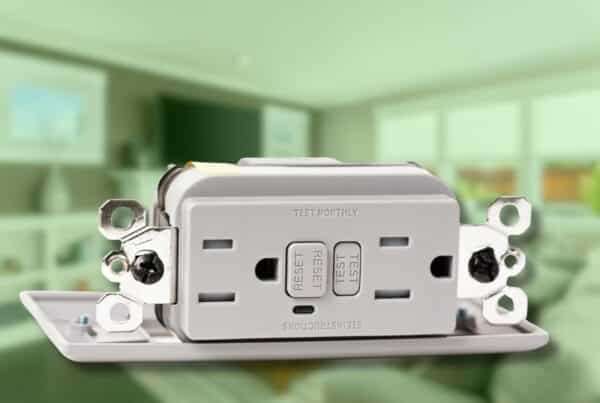
Correct wiring is just as important as the breaker choice. Use 12-gauge wire for a 20-amp circuit to handle the load safely. Avoid using extension cords or power strips, as they can cause voltage drops and pose fire risks.
Outlet placement also impacts convenience and safety. Position the outlet behind the fridge where it’s easily accessible but not exposed to moisture or excessive heat. This helps prevent accidental unplugging and keeps cords from being pinched or damaged.
Have you noticed how a poorly placed outlet can make managing cables a hassle? Planning this during installation saves time and frustration later.
Credit: avalonhomeinspections.net
Professional Help And Maintenance
Professional help and regular maintenance keep your refrigerator’s electrical system safe and efficient. A refrigerator often requires a dedicated circuit to prevent overloads and electrical hazards. Knowing when to call an electrician and scheduling routine checks can protect your home and appliances.
When To Consult An Electrician
Call an electrician if your refrigerator trips the circuit breaker often. Flickering lights or a burning smell near the outlet also need immediate attention. An expert can inspect your wiring and confirm if a dedicated circuit is necessary. They ensure your refrigerator runs smoothly without risking electrical damage.
Routine Circuit Inspections
Routine inspections catch problems before they grow. An electrician checks for loose wires, worn outlets, and proper circuit load. Regular visits help maintain safe power flow and prevent breakdowns. Schedule inspections every year or after any home electrical work.

Credit: www.searshomeservices.com
Frequently Asked Questions
Does A Refrigerator Need Its Own Electrical Circuit?
Yes, refrigerators should be on a dedicated circuit to prevent overloads. This ensures stable power supply and avoids tripping breakers.
What Happens If A Fridge Shares A Circuit?
Sharing circuits can cause frequent breaker trips and power fluctuations. It risks damaging the fridge and other appliances on the same line.
How Many Amps Does A Refrigerator Circuit Require?
Typically, a refrigerator circuit needs a 15 to 20-amp breaker. This depends on the fridge size and manufacturer’s electrical specifications.
Can I Plug Other Appliances Into The Fridge Circuit?
It’s best to avoid plugging other heavy appliances into the fridge circuit. This prevents power surges and keeps the fridge running efficiently.
Conclusion
A refrigerator works best on its own circuit. This helps avoid power overloads and keeps it running smoothly. Sharing a circuit can cause frequent trips and damage. Safety and efficiency improve with a dedicated line. Always check local electrical rules before setting up.
A simple step that protects your appliance and home. Keep your fridge cool and your mind at ease.