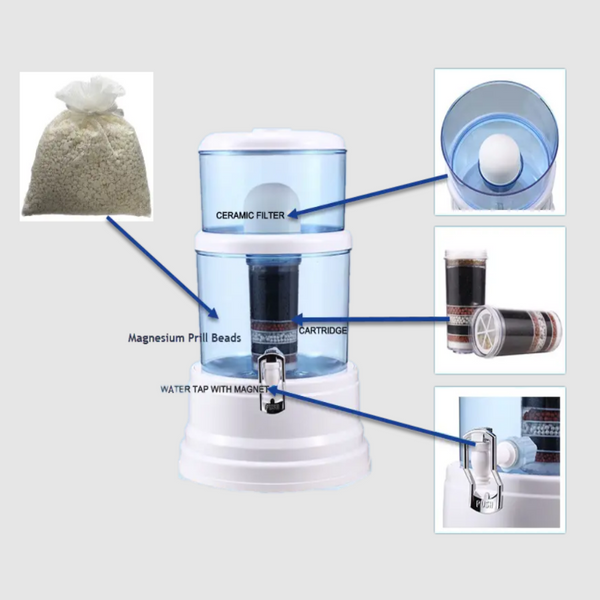
Are you concerned about the quality of the water coming from your refrigerator? You might wonder if the water filter inside your fridge can remove fluoride, a common additive in tap water.
Knowing the answer can help you decide if your water is truly safe to drink or if you need extra steps to protect your health. Keep reading to find out how refrigerator water filters work and whether they really tackle fluoride in your water.
This knowledge could change the way you think about the water you and your family drink every day.

Credit: purewaterfreedom.com
How Refrigerator Water Filters Work
Refrigerator water filters clean water by trapping impurities. They improve taste and safety. Water passes through a filter cartridge inside the fridge. The filter catches particles and chemicals before water reaches the dispenser or ice maker.
These filters use different materials and technologies to remove contaminants. Their design depends on the filter type and brand. Understanding how they work helps to know what gets filtered out.
Types Of Filters Used
- Activated Carbon Filters: Use charcoal to trap chlorine and odors.
- Ion Exchange Filters: Swap harmful ions like lead for safer ones.
- Mechanical Filters: Capture sediment and larger particles physically.
- Reverse Osmosis Filters: Push water through a membrane to remove tiny impurities.
Common Contaminants Removed
- Chlorine and Chloramine: Improve taste and smell of water.
- Lead and Mercury: Harmful metals that can affect health.
- Rust and Sediment: Small particles from old pipes.
- Volatile Organic Compounds (VOCs): Chemicals that cause bad odors.
- Some Bacteria and Cysts: Reduce risk of waterborne illness.
Fluoride In Drinking Water
Fluoride in drinking water is a topic that often raises questions. Many people want to know why fluoride is added and what effects it has on health. Understanding these points helps in making informed decisions about water and filtration options.
Purpose Of Fluoride Addition
Fluoride is added to public water to help prevent tooth decay. It strengthens tooth enamel and makes teeth more resistant to acid attacks from bacteria. This process helps reduce cavities and improves dental health across communities.
Many dental experts support fluoride use for its protective benefits. It is considered a safe and effective way to promote oral health, especially in children. Water fluoridation is a simple and cost-effective public health measure.
Health Impacts Of Fluoride
Fluoride has both positive and potential negative effects depending on the amount consumed. In small amounts, it helps maintain healthy teeth. Excessive fluoride can lead to dental fluorosis, which causes white spots or streaks on teeth.
Very high fluoride intake over long periods may cause bone problems. Most public water systems keep fluoride levels within safe limits. People should be aware of fluoride sources to avoid too much intake.
Effectiveness Against Fluoride
When you think about the quality of your drinking water, you might wonder how effective your refrigerator water filter is at removing fluoride. This concern is valid, especially if you aim to ensure the best for your family’s health. Fluoride, often added to municipal water supplies to help prevent tooth decay, can be a double-edged sword for those who prefer to limit their intake. So, can your trusty fridge filter tackle this mineral?
Filter Technologies That Remove Fluoride
Some advanced water filter technologies are designed to specifically target fluoride. Reverse osmosis is one of the most effective methods. It forces water through a semipermeable membrane, leaving fluoride and other contaminants behind.
Activated alumina filters can also remove fluoride efficiently. They use a porous aluminum oxide medium to absorb fluoride ions from the water. This method is often used in larger filtration systems but is available for home use as well.
In contrast, refrigerator filters usually employ carbon-based filtration. While excellent for removing chlorine and other common impurities, they are not typically designed for fluoride removal. This means that unless your fridge filter specifically mentions fluoride, it might not be effective against it.
Limitations Of Standard Refrigerator Filters
Standard refrigerator filters are great for improving taste and reducing odors. However, they often fall short when it comes to removing fluoride. The activated carbon used in these filters is not designed to capture fluoride ions.
This limitation is crucial if you rely solely on your refrigerator filter for clean water. You might need to consider additional filtration systems if fluoride reduction is a priority for you.
Have you checked your refrigerator filter’s specifications? Ensuring your filter can handle the contaminants you care about is a simple way to safeguard your water quality. Remember, not all filters are created equal, and knowing the capabilities of yours can make all the difference.
Alternative Filtration Options
If you’re concerned about fluoride in your drinking water, relying solely on a refrigerator water filter might not be enough. Many standard fridge filters do not effectively remove fluoride. Fortunately, there are several alternative filtration options designed specifically to tackle fluoride and other contaminants.
Activated Alumina Filters
Activated alumina filters are one of the most popular choices for reducing fluoride. They work by adsorbing fluoride ions from water through a chemical process. These filters are affordable and easy to install on your faucet or under the sink.
However, their effectiveness depends on factors like water pH and flow rate. You’ll need to replace the filter regularly to maintain performance. Have you checked the fluoride removal capacity of your current filter lately?
Reverse Osmosis Systems
Reverse osmosis (RO) systems use a semipermeable membrane to remove a wide range of impurities, including fluoride. This technology forces water through the membrane, trapping contaminants and letting clean water pass through.
RO systems are highly effective but can be costly and require professional installation. They also waste some water during the filtration process. Do you have enough space and budget to accommodate an RO system in your home?
Distillation Units
Distillation units purify water by boiling it and then collecting the condensed steam, leaving impurities behind. This process removes fluoride along with many other contaminants.
While distillation produces very pure water, it can be slow and uses electricity. The taste of distilled water may also feel flat to some people. Would you consider distillation if you value purity over convenience?
Testing Filter Performance
Testing the performance of your refrigerator water filter is essential to know if it truly removes fluoride from your drinking water. Without proper testing, you might be relying on assumptions rather than facts. Understanding how to check the filter’s effectiveness helps you make better decisions about your water quality and health.
How To Test For Fluoride Reduction
You can test fluoride levels before and after the water passes through your refrigerator filter. Start by collecting water samples directly from your tap and then from the filtered water dispenser. Use a reliable fluoride test kit, which you can buy online or at some home improvement stores.
These kits usually come with test strips or digital meters that measure fluoride concentration. Follow the instructions carefully to ensure accurate results. Remember to test multiple times to confirm consistency.
Another option is to send your samples to a professional lab for detailed analysis. This method is more accurate but costs more and takes longer. Decide based on how precise you want your results to be.
Interpreting Test Results
Once you get your fluoride readings, compare the numbers from the tap water and the filtered water. A significant drop means your filter is working to some extent. But if the levels stay almost the same, your filter might not be effective against fluoride.
Keep in mind that some filters reduce fluoride only partially. Check the product details to see what percentage reduction you can expect. If your goal is to remove most or all fluoride, look for filters specifically designed for this purpose.
What level of fluoride reduction matters most to you? Understanding your priorities will guide you in choosing the right filter or deciding if you need additional treatment methods like reverse osmosis.

Credit: glacierfreshfilter.com
Choosing The Right Filter
Choosing the right refrigerator water filter can feel overwhelming, especially if you want to remove specific contaminants like fluoride. Not all filters are made equal, and picking the wrong one means you might still be drinking tap water with unwanted chemicals. Understanding what to look for and how to maintain your filter ensures you get clean, fresh water every time.
Factors To Consider
Start by checking if the filter explicitly states it can reduce fluoride. Most standard refrigerator filters remove chlorine and sediment but don’t target fluoride effectively.
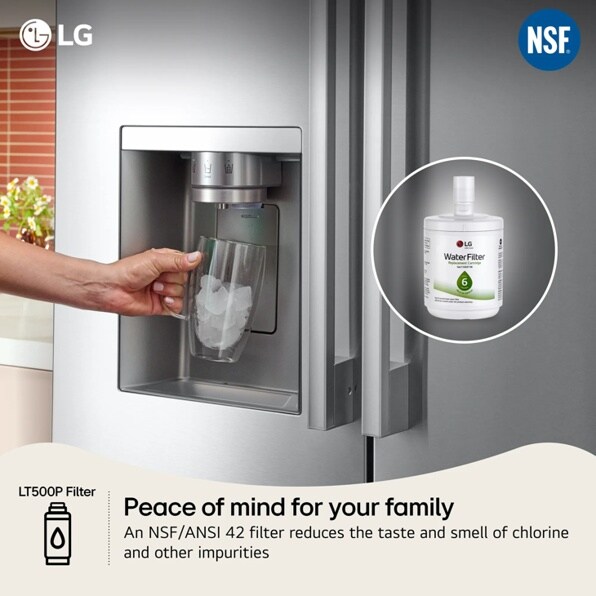
Look for filters with activated alumina or specially designed media for fluoride removal. Brands that list NSF/ANSI Standard 53 certification for fluoride reduction provide more reliable results.
- Compatibility with your refrigerator model is crucial to avoid installation issues.
- Filter lifespan varies—some last 3 months, others up to 6 months or more.
- Cost plays a role: higher-quality filters often cost more but deliver better purification.
Ask yourself: Are you ready to invest a bit more for water that’s safer and tastes better? Your health deserves that attention.
Maintenance And Replacement Tips
Even the best filter loses effectiveness if not replaced on time. Keep track of the installation date and set reminders to change the filter regularly.
Flushing the new filter before use helps remove loose carbon particles and activates the filtration media. This step improves water quality from day one.
- Check water flow rate—if it slows down, the filter might be clogged and need replacement.
- Store replacement filters in a cool, dry place to maintain their freshness.
- Don’t ignore unusual tastes or odors; these signs often mean your filter isn’t working well.
How often do you really pay attention to your water filter? Small habits, like timely replacements, make a big difference in the water you drink daily.
Credit: www.lg.com
Frequently Asked Questions
Does A Refrigerator Water Filter Remove Fluoride Effectively?
Most refrigerator water filters do not remove fluoride. Fluoride requires specialized filters like activated alumina or reverse osmosis. Standard filters mainly target chlorine, sediment, and odors but are not designed for fluoride removal.
Which Filters Remove Fluoride From Drinking Water?
Activated alumina filters, reverse osmosis systems, and some deionizers effectively remove fluoride. These filters use adsorption or membrane filtration to reduce fluoride levels, ensuring safer and cleaner drinking water.
Can Standard Refrigerator Filters Improve Fluoride Taste?
Standard refrigerator filters do not improve fluoride taste. They mainly reduce chlorine and particles, not fluoride. For taste improvement related to fluoride, specialized filtration systems are necessary.
How Can I Test If My Water Filter Removes Fluoride?
You can test fluoride removal with water testing kits or lab analysis. Testing before and after filtration shows fluoride levels. This ensures your filter performs as intended against fluoride contaminants.
Conclusion
Refrigerator water filters clean many impurities but often miss fluoride. Most standard filters do not remove fluoride effectively. Specialized filters like activated alumina or reverse osmosis work better for fluoride removal. Knowing your filter type helps in choosing the right option.
Safe drinking water means understanding what your filter can and cannot do. Check product details before relying on a fridge filter for fluoride removal. Stay informed to protect your health and enjoy fresh water daily.