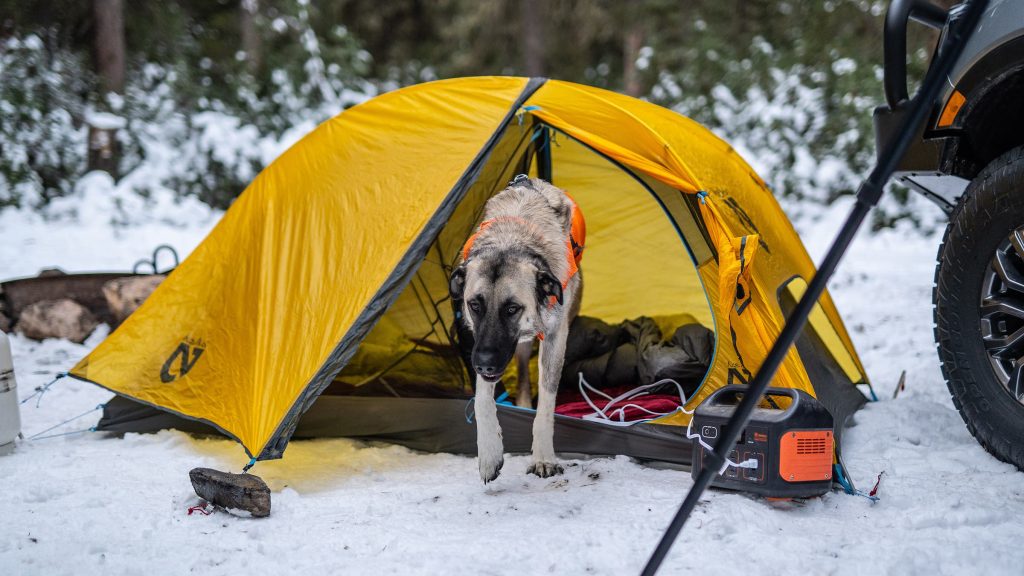
Have you ever wondered if your tent can really keep you warm when the temperature drops? When you’re out camping, staying cozy isn’t just about comfort—it’s about safety too.
You might think that pitching a tent is enough to block out the cold, but is that really true? Understanding how a tent works to trap heat can make a big difference in how prepared you feel on chilly nights.
Keep reading, and you’ll discover the surprising facts about tents and warmth that every camper needs to know.
How Tents Retain Heat
Tents help keep you warm by trapping heat inside. They block cold wind and hold in your body heat.
The way a tent keeps warm depends on its insulation, materials, and design.
Insulation Properties
Tents insulate by creating a barrier between you and the cold air outside. The air trapped inside the tent warms up from your body heat.
- Air pockets in the tent fabric reduce heat loss.
- Thicker fabrics keep heat inside better.
- Double-wall tents trap warm air between layers.
Material Impact
The type of fabric affects how much heat a tent can keep. Some materials block wind and water better.
| Material | Heat Retention | Water Resistance |
| Nylon | Moderate | High |
| Polyester | Good | High |
| Canvas | High | Moderate |
Design And Structure
A tent’s shape and structure help keep warmth inside. Smaller tents hold heat better than large ones.
- Low ceilings reduce air volume to warm.
- Rounded shapes deflect wind to avoid heat loss.
- Sealed seams stop cold air from entering.

Credit: www.reddit.com
Common Tent Types And Warmth
Staying warm in a tent depends on the type you choose. Different tents offer different levels of warmth and protection.
Understanding the types can help you pick the right one for your outdoor adventure.
Four-season Tents
Four-season tents are made for harsh weather. They handle snow, wind, and cold well.
These tents have strong poles and thick fabric. They keep you warm in winter camping.
- Heavy and sturdy construction
- Extra vents to prevent condensation
- Can be used year-round
Three-season Tents
Three-season tents are for spring, summer, and fall. They are lighter than four-season tents.
These tents provide warmth in mild conditions. They offer good ventilation and protection from rain.
- Lightweight and easy to carry
- Mesh panels for breathability
- Not ideal for heavy snow
Bivy Sacks And Tarps
Bivy sacks are small and compact. They are for solo camping. Tarps are versatile and lightweight.
These options offer minimal warmth. They are best for mild weather and quick setups.
- Easy to pack and carry
- Provide basic shelter
- Not suitable for extreme cold
Factors Affecting Warmth Inside A Tent
A tent helps protect you from wind and rain. It also keeps some warmth inside. Several things affect how warm it stays.
Knowing these factors can help you stay comfortable in cold weather. Let’s look at what changes the warmth inside a tent.
Weather Conditions
Outside weather plays a big role in tent warmth. Cold winds can cool the tent walls. Rain and snow add moisture.
Clear, calm nights keep the tent warmer. Strong wind or wet weather makes it colder inside.
- Wind cools the tent by moving warm air away
- Rain and snow increase dampness, reducing warmth
- Clear skies allow heat to stay inside better
Ground Insulation
The ground can take heat from your tent. Cold earth draws warmth away fast. Adding insulation helps keep heat in.
Use sleeping pads or ground mats to stop heat loss. Thick materials block cold from the ground.
- Sleeping pads create a warm barrier
- Ground mats reduce cold from the earth
- Dry ground keeps tent warmer than wet ground
Ventilation Importance
Good airflow inside the tent controls moisture and warmth. Without ventilation, moisture builds up and makes you cold.
Keep vents open to let fresh air in. This stops dampness and keeps the tent feeling warmer.
- Ventilation reduces inside moisture
- Less moisture means better warmth
- Proper airflow prevents condensation on walls

Credit: www.reddit.com
Gear To Boost Warmth
Staying warm in a tent depends on the gear you bring. Good equipment helps keep cold out and heat in. You can stay comfortable even on chilly nights.
Some items are made specifically to add warmth while camping. These include sleeping bags, clothing, and heaters. Each plays a key role in your comfort.
Sleeping Bags And Pads
Sleeping bags trap your body heat to keep you warm. Pads under your sleeping bag add insulation from cold ground. Both are important for a warm night.
- Choose a sleeping bag rated for low temperatures.
- Use an insulated sleeping pad with high R-value.
- Layer a foam pad under an inflatable pad for extra warmth.
- Keep your sleeping bag dry to maintain insulation.
Thermal Clothing
Wearing the right clothes helps keep your body heat close. Thermal layers made from wool or synthetic fibers work well. Avoid cotton because it holds moisture.
| Clothing Type | Material | Purpose |
|---|---|---|
| Base Layer | Merino Wool, Polyester | Keeps skin dry, traps heat |
| Mid Layer | Fleece, Wool | Provides insulation |
| Outer Layer | Windproof, Waterproof Fabrics | Blocks wind and moisture |
Portable Heaters
Portable heaters add extra warmth inside a tent. Some run on propane, while others use electricity or batteries. Always use them safely to avoid fire or fumes.
- Propane heaters warm quickly but need ventilation.
- Electric heaters require power sources like batteries.
- Use heaters with automatic shut-off for safety.
- Place heaters away from flammable materials.
Tent Setup Tips For Warmth
Setting up your tent correctly helps keep you warm during cold nights. Small changes can make a big difference in heat retention.
This guide covers site selection, proper pitching, and wind protection to keep your tent cozy.
Site Selection
Choose a spot that naturally stays warmer. Avoid low areas where cold air settles. Look for ground that gets sun during the day.
Avoid places near water or open fields. These areas tend to be colder and windier at night.
- Pick higher ground to avoid cold air
- Find spots with natural windbreaks like trees
- Choose ground that dries quickly after rain
Proper Pitching
Set your tent tight and low to reduce drafts. Loose fabric lets cold air in and heat out.
Use all stakes and guylines to keep the tent stable. A firm tent holds heat better and stays warm longer.
- Stretch the tent fabric to avoid sagging
- Keep the tent door closed as much as possible
- Seal gaps around zippers and vents
Wind Protection
Block the wind to stop heat loss. Strong wind can chill your tent quickly.
Use natural barriers or set up a windbreak with gear or branches on the windward side.
- Face the tent door away from the wind
- Use a tarp or wall to block strong wind
- Pack snow or dirt around the tent edges to seal gaps

Credit: www.advnture.com
Safety Considerations When Heating A Tent
Heating a tent can make camping more comfortable in cold weather. It is important to focus on safety to avoid accidents and health risks.
Proper precautions help prevent dangers such as fire and carbon monoxide poisoning. Always follow safety rules when using heaters inside a tent.
Ventilation To Prevent Carbon Monoxide
Carbon monoxide is a colorless, odorless gas that can cause serious harm. Proper ventilation is essential to keep fresh air flowing and reduce this risk.
- Keep tent windows or vents open slightly when heating.
- Use carbon monoxide detectors designed for camping.
- Avoid using heaters that produce carbon monoxide without proper venting.
- Never sleep in a sealed tent with a running heater.
Safe Use Of Heaters
Heaters must be used carefully to avoid burns or accidents. Follow the manufacturer’s instructions and check the heater condition before use.
| Heater Type | Safety Tip |
| Propane Heater | Use outdoors or with venting; keep away from flammable items. |
| Electric Heater | Use a grounded power source; avoid water contact. |
| Battery-powered Heater | Check battery life; do not cover or block airflow. |
Fire Hazards
Fire risks increase when heating a tent. Keep flammable materials away and never leave heaters unattended.
- Place heaters on a flat, stable surface.
- Keep a fire extinguisher or water nearby.
- Do not dry clothes or gear near the heater.
- Avoid using open flames inside the tent.
Additional Strategies For Cozy Camping
A tent can protect you from wind and rain, but it might not keep you warm enough alone. Using extra strategies helps you stay cozy in cold weather.
Simple actions can make a big difference in your warmth. Let’s explore some easy ways to stay comfortable while camping.
Layering Techniques
Wearing several layers traps heat and keeps cold air out. Start with a thin base layer to wick sweat away from your skin.
Add a middle layer for insulation. Use materials like fleece or wool. Finish with a windproof and waterproof outer layer.
- Base layer: thin, moisture-wicking fabric
- Middle layer: warm and insulating
- Outer layer: protects from wind and rain
Hot Water Bottles
Hot water bottles provide lasting warmth inside your sleeping bag. Fill them with hot water before bedtime.
Place the bottle near your feet or body. Make sure the bottle is sealed well to avoid leaks. This simple tool adds gentle heat.
- Use a sturdy bottle with a tight cap
- Wrap the bottle in a cloth for comfort
- Keep it away from direct skin to prevent burns
Nutrition And Hydration
Eating well helps your body create heat. Choose foods high in calories and healthy fats for energy.
Drink plenty of water. Staying hydrated improves blood flow and helps keep you warm.
- Eat nuts, cheese, and energy bars
- Include warm meals like soup or stew
- Drink water regularly, even if not thirsty
Frequently Asked Questions
Does A Tent Provide Insulation Against Cold Weather?
A tent offers basic insulation by blocking wind and retaining some body heat. However, its warmth depends on the tent’s material and design. Additional insulation like sleeping bags and liners is essential in cold conditions to stay warm inside a tent.
How Does A Tent Trap Heat Inside?
A tent traps heat by creating a small enclosed space that limits air movement. Your body heat warms the air inside, and the tent’s fabric helps retain this warmth. Still, ventilation is necessary to prevent moisture buildup, which can make you feel colder.
Can A Tent Keep You Warm In Winter Camping?
A tent alone won’t keep you warm in winter. You need a four-season tent, proper sleeping gear, and insulation layers. Using a tent with good wind resistance and thermal features improves warmth but layering is crucial for cold-weather camping.
What Factors Affect Tent Warmth During Camping?
Tent warmth depends on fabric thickness, tent design, insulation, and weather conditions. Windproof and waterproof tents retain warmth better. Ground insulation and quality sleeping bags also play a vital role in maintaining heat inside your tent.
Conclusion
A tent helps block wind and trap some heat inside. It does not create warmth by itself. Your body heat and good clothing keep you warm. Adding a sleeping bag and insulation makes a big difference. Choose a tent designed for cold weather for best results.
Remember, tents work best as part of your warmth plan. Stay dry, avoid drafts, and keep moving when possible. A tent offers shelter but warmth depends on your preparation. Stay safe and enjoy your outdoor adventure.