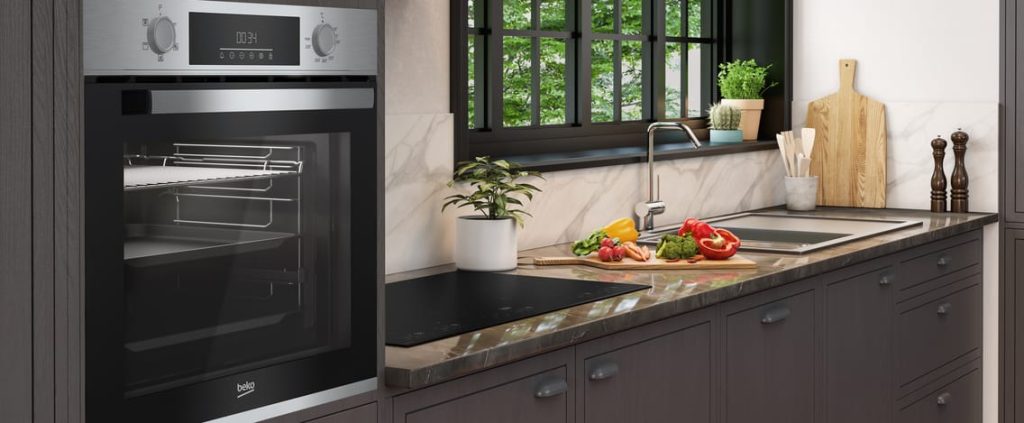
Are you wondering if your wall oven needs a vent? It’s a question many homeowners ask but don’t always get a clear answer to.
Understanding whether your oven requires proper ventilation is key to keeping your kitchen safe, comfortable, and odor-free. You’ll discover why ventilation matters, what could happen without it, and how to choose the best option for your space. Keep reading—you’ll learn exactly what you need to know to protect your home and enjoy cooking without worries.

Credit: woodstone-corp.com
Why Venting Matters
Venting a wall oven is important for safety and comfort. It helps remove harmful gases and smoke from your kitchen.
Good ventilation also keeps your kitchen cooler and improves the air you breathe while cooking.
Health Risks From Cooking Fumes
Cooking fumes contain particles and gases that can harm your health. These include carbon monoxide, nitrogen dioxide, and fine dust.
- Can cause headaches and dizziness
- May trigger asthma and allergies
- Long-term exposure can damage lungs
- Increases risk of heart problems
Preventing Heat Damage
Heat from a wall oven can damage nearby cabinets and walls. Venting directs hot air away from these surfaces.
| Effect of Heat without Venting | Benefit of Proper Venting |
|---|---|
| Warped or cracked cabinets | Protects cabinet materials |
| Peeling paint or wallpaper | Keeps walls intact |
| Unpleasant hot spots in kitchen | Maintains even temperature |
Improving Air Quality
Venting removes smoke, steam, and odors from cooking. This keeps the air in your home fresh and clean.
- Reduces smoke buildup
- Limits moisture that can cause mold
- Prevents lingering food smells
- Improves breathing comfort in kitchen
Types Of Wall Oven Vents
Wall ovens need vents to manage heat and smoke. Different vent types fit various kitchen setups.
Choosing the right vent helps your oven work safely and efficiently. Here are common vent options.
Recirculating Vents
Recirculating vents filter air inside the kitchen. They do not need outside ducting.
Air passes through filters to remove smoke and odors. Then, it returns to the room.
- Easy to install
- No need for wall or ceiling ducts
- Filters need regular cleaning or replacement
Ducted Vents
Ducted vents send air outside through ducts. They remove heat, smoke, and odors from the home.
This vent type needs a duct system in the wall or ceiling. It keeps the kitchen air fresh.
- More effective at removing heat and smoke
- Requires professional installation
- Needs space for ductwork
No Vent Options
Some wall ovens do not need vents. These models produce less heat and smoke.
No vent ovens are easier to place in kitchens without duct space. They still cook well.
- Good for small or tight kitchens
- Less heat and smoke released
- May have slower cooking times
Building Codes And Regulations
Understanding building codes and regulations is key for wall oven installation. These rules ensure safety and proper function.
Building codes vary by location and may affect whether a vent is needed for a wall oven.
Local Requirements
Local building codes set standards for kitchen ventilation. These codes depend on your city or state rules.
- Check with local building departments before installation.
- Some areas require vents for certain oven models.
- Permits might be needed to install a vent system.
- Failure to follow local codes can cause fines or unsafe conditions.
Manufacturer Guidelines
Manufacturers provide instructions for installing wall ovens safely. These often include venting recommendations.
| Manufacturer | Vent Required | Notes |
| Brand A | Yes | Vent needed for electric ovens |
| Brand B | No | Built-in cooling system included |
| Brand C | Yes | Gas models must have venting |
| Brand D | Depends | Check model-specific guidelines |
When Vents Are Mandatory
Some situations require vents by law or safety standards. Knowing these cases helps avoid risks.
- Gas ovens usually need vents to remove fumes.
- High-powered electric ovens may require vents to cool the area.
- Enclosed spaces with poor air circulation often must have vents.
- Local fire codes may mandate vents for certain installations.
Signs You Need A Vent
Wall ovens can produce smoke, heat, and moisture during cooking. These byproducts need to be removed for safety and comfort.
Using a vent helps keep your kitchen air clean and your oven working well. Watch for these signs to know if you need one.
Excessive Smoke Or Odors
If your kitchen fills with smoke or strong smells while cooking, your oven may need better ventilation. Smoke can come from burning food or spills inside the oven.
Lingering odors also show poor air flow. A vent removes smoke and smells quickly, keeping the kitchen fresh.
- Smoke stays longer than usual
- Strong cooking odors remain after use
- Smoke alarms go off often
Heat Buildup Around Oven
Heat can build up around the oven if it does not have proper ventilation. This can make the kitchen uncomfortable and may damage nearby cabinets or walls.
Feeling hot air or seeing warped surfaces near the oven are signs you need a vent to release the heat.
- Walls or cabinets feel hot after cooking
- Kitchen temperature rises quickly
- Oven feels hotter than normal on the outside
Moisture And Grease Accumulation
Cooking creates moisture and grease, which can build up without a vent. This causes sticky surfaces and can lead to mold or stains.
Condensation or grease spots near the oven show poor air circulation. A vent removes moisture and grease particles from the air.
- Sticky or greasy walls and surfaces
- Visible moisture or water droplets
- Musty or damp smells in the kitchen
Choosing The Right Venting System
Wall ovens may need venting to remove heat and cooking smells. Choosing the right venting system helps keep your kitchen fresh and safe.
Different venting systems fit different kitchen layouts and cooking habits. Consider your space and needs carefully before deciding.
Space And Installation Constraints
Wall ovens need room for vents that remove hot air and steam. Some kitchens have limited space for vents or ductwork.
Measure your kitchen space and check if walls or cabinets block vent installation. Some vents require external ducts, while others recirculate air.
- External vents need wall or ceiling access
- Recirculating vents use filters and no ducts
- Check clearance around the oven for airflow
Noise Levels And Performance
Venting systems produce sound when working. Some models are quieter, while others make more noise but move air faster.
Think about how much noise you can tolerate. A quiet vent may suit open kitchens, while a louder one may work in closed spaces.
- Lower noise vents may have lower air flow
- High-performance vents move air faster
- Look for noise ratings in product specs
Maintenance And Cleaning
Vents collect grease and dust that reduce their work. Cleaning vents regularly keeps them working well and safe.
Some vent systems have easy-to-remove filters. Others need professional cleaning or more effort to keep clean.
- Choose vents with washable filters
- Check how often filters need cleaning
- Consider ease of filter replacement

Credit: www.reddit.com
Installation Tips For Wall Oven Vents
Installing a wall oven vent is important for safety and efficiency. Proper venting ensures that heat and odors are managed well.
Follow these tips to make sure your wall oven vent is installed correctly. This will help you avoid common mistakes and ensure a long-lasting setup.
Positioning And Clearance
Proper positioning of the wall oven vent is crucial. Make sure there is enough space around the oven for air to circulate.
The vent should be placed where it can easily direct air outside. Check that there are no blockages near the vent.
- Maintain at least 2 inches of clearance on each side
- Ensure the vent path is clear of obstructions
- Position the vent outlet away from windows
Professional Vs Diy Installation
Decide if you want to install the vent yourself or hire a professional. Both have their benefits and considerations.
Professional installation ensures expertise and often comes with a warranty. DIY can save money but requires careful attention to detail.
- Professionals offer expertise and safety assurance
- DIY requires following manufacturer instructions closely
- Consider your skill level before deciding
Safety Precautions
Safety is the top priority when installing a wall oven vent. Follow all guidelines to ensure a safe and effective installation.
Wear protective gear and turn off power before starting. Double-check all connections to prevent leaks.
- Turn off power at the main circuit breaker
- Use appropriate tools and safety gear
- Test the vent after installation for proper function
Maintaining Your Vent System
A wall oven needs a vent to function efficiently. Regular maintenance helps ensure your vent system works properly.
Proper care of your vent system also improves kitchen air quality. Let’s explore how to maintain your vent system.
Regular Cleaning Schedules
Regular cleaning of your vent system prevents grease and dust buildup. Clean your vent every three months to keep it efficient.
Use warm soapy water and a soft brush for best results. Always turn off the power before cleaning.
- Remove vent covers carefully
- Soak in warm soapy water
- Scrub gently with a soft brush
- Dry completely before reinstalling
Checking For Blockages
Blockages in the vent system can cause poor performance. Check for blockages monthly to avoid potential issues.
Ensure the vent path is clear and free from obstructions. A clear vent ensures optimal airflow for your oven.
- Inspect the vent opening regularly
- Remove any debris or obstructions
- Check for animal nests or build-ups
Replacing Filters
Filters help trap grease and particles. Replace them every six months for best performance.
Consult your oven’s manual for the correct filter type. Proper filters ensure cleaner air and a safer kitchen.
| Filter Type | Replacement Frequency |
| Charcoal Filter | Every 6 months |
| Metal Grease Filter | As needed, inspect monthly |

Credit: woodstone-corp.com
Frequently Asked Questions
Does A Wall Oven Require A Dedicated Vent?
A wall oven usually does not need a dedicated vent. Most models have built-in ventilation systems to manage heat and fumes. Proper kitchen ventilation is still important to maintain air quality and remove cooking odors.
Can A Wall Oven Cause Kitchen Ventilation Issues?
Yes, a wall oven can contribute to poor kitchen ventilation if not properly managed. Without adequate airflow, heat and smoke may accumulate. Using an exhaust fan or range hood helps keep the kitchen air fresh and comfortable.
How To Improve Ventilation For A Wall Oven?
Improve ventilation by installing a range hood or exhaust fan near the wall oven. Ensure the kitchen has good airflow with windows or vents. Regularly clean filters and vents to maintain efficient air circulation and reduce cooking odors.
What Happens If A Wall Oven Lacks Proper Venting?
Lack of proper venting can lead to excessive heat buildup and lingering smoke. This may damage kitchen surfaces and reduce air quality. Good ventilation prevents moisture and odors from affecting your kitchen environment and appliances.
Conclusion
A wall oven may need a vent depending on the model and kitchen setup. Venting helps remove heat and smoke from cooking. Proper ventilation keeps your kitchen safe and comfortable. Some ovens have built-in vents, while others need external vents.
Check the oven’s manual or ask a professional. Good airflow prevents damage and improves cooking results. Venting is a small step that makes a big difference. Choose the right option for your kitchen space and cooking habits. Keep your kitchen fresh and your oven working well.