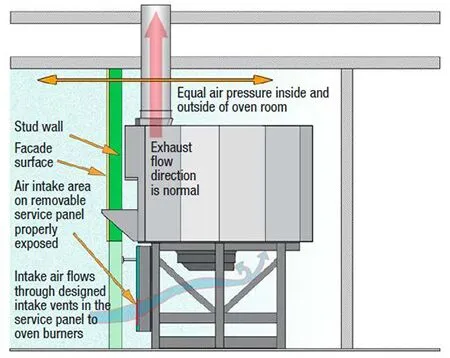
Are you wondering if your wall oven needs to be vented? It’s a common question that can impact your kitchen’s safety and efficiency.
Knowing the answer can help you avoid problems like excess heat, smoke, or even damage to your walls. You’ll discover exactly when and why venting matters for your wall oven. Keep reading to make sure your kitchen stays comfortable and safe every time you cook.
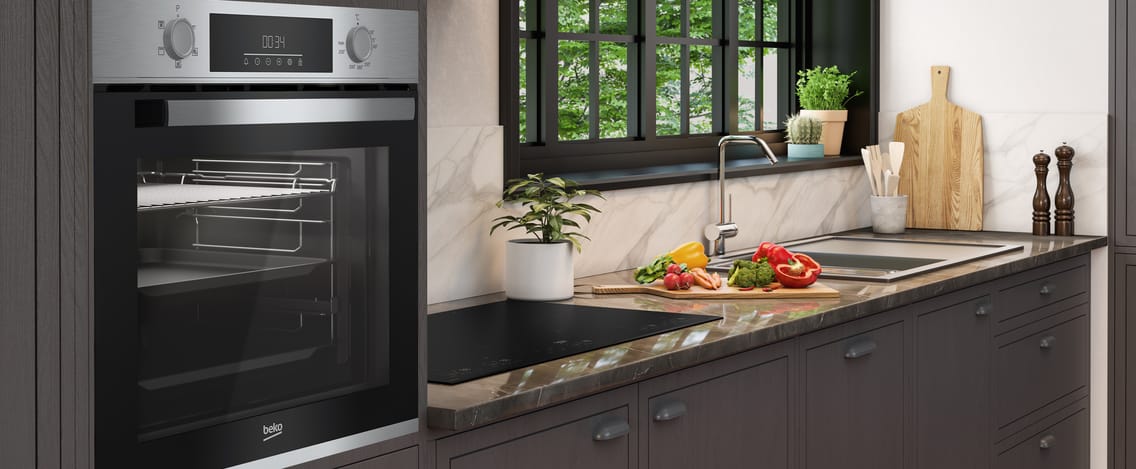
Credit: www.beko.co.uk
Wall Oven Basics
Wall ovens fit into the kitchen wall for a clean look. They save space and give more room for other appliances.
These ovens come in many styles and sizes. Knowing how they work helps you decide if venting is needed.
Types Of Wall Ovens
Wall ovens vary by heat source and features. Choosing the right type depends on your cooking needs.
- Electric Wall Ovens: Use electric heating elements for even cooking.
- Gas Wall Ovens: Use gas flames, need proper ventilation.
- Convection Wall Ovens: Have fans to circulate hot air for faster cooking.
- Microwave Wall Ovens: Use microwaves to cook food quickly.
How Wall Ovens Work
Wall ovens heat food inside a closed cavity. Electric models use coils, and gas models use flames.
| Oven Type | Heat Source | Ventilation Needed |
| Electric | Electric coils | Usually no |
| Gas | Natural gas flame | Yes, for fumes |
| Convection | Electric or gas with fan | Depends on heat source |
| Microwave | Microwaves | No |

Credit: woodstone-corp.com
Heat And Moisture Production
Wall ovens are essential in many kitchens. They cook food by producing heat. When cooking, they also create moisture. Let’s explore how they generate heat and moisture.
Sources Of Heat In Wall Ovens
Wall ovens use electricity or gas to produce heat. This heat cooks food evenly. The heating elements are the main source of heat.
- Electric ovens have coils that heat up.
- Gas ovens use burners to create flames.
- Both types maintain steady temperatures for cooking.
Moisture Generation During Cooking
Cooking in a wall oven creates moisture. This happens when food releases water vapor. Moisture can affect both the oven and the kitchen.
Foods like vegetables and meats release more water. The steam from these foods turns into moisture inside the oven.
- Baking bread releases steam from the dough.
- Roasting meats creates drippings that evaporate.
- Cooking vegetables makes them release water vapor.
Ventilation Requirements
Wall ovens generate heat and moisture while cooking. Proper ventilation helps keep your kitchen safe and comfortable.
Understanding ventilation needs is important to avoid damage to your walls and appliances.
Manufacturer Recommendations
Most manufacturers give clear instructions about venting wall ovens. These instructions protect the oven and your home.
- Use venting systems specified by the manufacturer.
- Ensure there is enough space around the oven for air circulation.
- Do not block vents or air openings on the oven.
- Follow installation guides closely to avoid warranty issues.
Building Codes And Safety Standards
Building codes set rules for kitchen ventilation to reduce fire risks and improve air quality.
| Code or Standard | Requirement |
| National Electrical Code (NEC) | Requires proper wiring and vent clearance. |
| International Residential Code (IRC) | Mandates venting systems to remove heat and smoke. |
| Local Fire Codes | Specify clearances and vent types for safety. |
| Manufacturer’s Installation Manual | Must be followed for compliance and warranty. |
Ventilation Options
Wall ovens may need ventilation to remove heat and cooking odors. Different types of venting systems serve various kitchen setups.
Choosing the right ventilation helps keep your kitchen safe and comfortable.
Direct Venting Solutions
Direct venting moves air outside your home through a duct. This method removes heat, smoke, and odors efficiently.
- Requires a vent pipe through a wall or ceiling
- Needs professional installation to ensure proper airflow
- Helps maintain indoor air quality
- Common in kitchens with external walls
Recirculating Vent Systems
Recirculating vents filter air and send it back into the kitchen. They do not need a duct to the outside.
| Feature | Description |
| Airflow | Filtered and recirculated indoors |
| Installation | Easier, no external vent needed |
| Maintenance | Regular filter cleaning or replacement |
| Best for | Kitchens without outside walls |
No Venting Scenarios
Some wall ovens do not require venting. These models produce little smoke or steam.
- Electric wall ovens often need no venting
- Check the oven’s manual for ventilation needs
- Good kitchen airflow still helps with heat
- Use a range hood or exhaust fan if needed
Installation Considerations
Installing a wall oven needs careful planning. You must think about space, power, and venting needs.
These factors help ensure the oven works safely and fits well in your kitchen.
Space And Placement
Choose a spot that fits the oven size and lets you use it easily. Make sure there is enough room around it.
Wall ovens need space for airflow and heat to escape safely. Avoid tight spots that block vents or heat flow.
- Check the oven’s size and clearance needs in the manual
- Place the oven at a comfortable height for easy use
- Keep it away from cabinets that can be damaged by heat
- Allow space for door swing and nearby drawers or appliances
Electrical And Venting Setup
Wall ovens often need a dedicated electrical circuit. Check the power requirements before installation.
Some wall ovens do not need external venting. They vent heat and steam inside the kitchen safely.
- Verify the oven’s voltage and amperage needs
- Use a professional electrician to install the power supply
- Confirm if your model requires an external vent or recirculates air
- Follow manufacturer instructions for vent placement and clearances
Impact On Kitchen Environment
Wall ovens can change the kitchen’s air and temperature. Proper venting affects comfort and safety. Understanding these effects helps keep your kitchen pleasant.
We will look at how venting impacts air quality, odors, temperature, and humidity in the kitchen space.
Air Quality And Odor Control
Cooking releases smoke, steam, and smells. Without venting, these stay in the kitchen. This can lower air quality and cause bad odors.
- Venting removes smoke and fumes.
- It reduces lingering food smells.
- Good airflow helps prevent mold and bacteria.
- Cleaner air protects health and comfort.
Temperature And Humidity Effects
Wall ovens produce heat and moisture. Without venting, heat builds up and raises kitchen temperature. Moisture can cause dampness and damage.
| Effect | Without Venting | With Venting |
|---|---|---|
| Kitchen Temperature | Increases, can feel stuffy | Controlled, stays comfortable |
| Humidity | High, may cause damp walls | Reduced, prevents mold growth |
| Appliance Efficiency | May decrease from overheating | Maintained by cooling airflow |
Maintenance Tips
Maintaining your wall oven helps it work efficiently. Regular checks ensure safety and performance. Keep vents clean and troubleshoot issues promptly.
Proper venting extends the life of your oven. It also keeps your kitchen air fresh. Let’s explore some key maintenance tips.
Cleaning Vents And Filters
Vents and filters can accumulate grease and dust. Regular cleaning prevents blockages and odors.
- Remove filters from the oven regularly.
- Soak them in warm soapy water to loosen grease.
- Rinse thoroughly and dry before reinstalling.
- Wipe external vents with a damp cloth to remove dust.
Troubleshooting Ventilation Issues
Ventilation issues can affect oven efficiency. Identifying problems early can save repair costs.
| Issue | Possible Cause | Solution |
| Weak ventilation | Clogged filters | Clean or replace filters |
| Noise from vents | Loose parts | Tighten screws or call a professional |
| Odors | Trapped grease | Clean vents and filters |

Credit: www.reddit.com
Frequently Asked Questions
Does A Wall Oven Require External Ventilation?
Most wall ovens do not need external ventilation. They are designed with built-in vents to release heat safely. Proper installation ensures adequate airflow and prevents overheating. However, always check manufacturer guidelines for specific venting requirements.
How Does Wall Oven Venting Affect Kitchen Air Quality?
Wall oven venting helps remove heat and cooking odors. Proper ventilation improves kitchen air quality by reducing smoke and moisture. Without it, the kitchen may become uncomfortable, and cooking odors can linger longer.
Can Improper Venting Damage A Wall Oven?
Yes, improper venting can cause overheating and damage components. It may reduce oven efficiency and lifespan. Ensuring correct ventilation prevents mechanical issues and maintains optimal performance.
Is Professional Installation Necessary For Wall Oven Venting?
Professional installation is recommended to ensure proper venting and safety. Experts follow manufacturer instructions and local codes. This minimizes risks of poor airflow and potential hazards.
Conclusion
A wall oven may not always need venting. Most models have built-in vents to handle heat and steam. Proper ventilation helps keep your kitchen safe and fresh. Check the oven’s manual for specific instructions. Good airflow prevents moisture and odors from building up.
Venting also protects walls and cabinets from heat damage. Choose a setup that fits your kitchen space and needs. Venting matters, but so does oven quality and installation. Keep these points in mind for a better cooking experience.