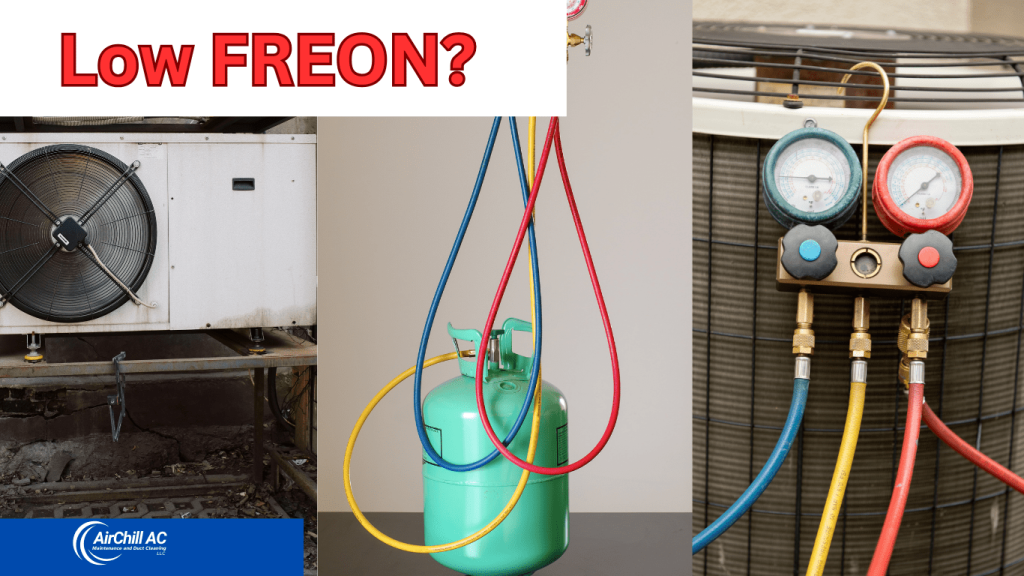
Are you worried that your air conditioner might run out of refrigerant? It’s a common concern, especially during those scorching summer months when your AC is working overtime to keep you cool.
You might wonder if refrigerant depletion is a normal part of your AC’s operation or if it’s a sign of a problem. Understanding how your AC system works can save you time, money, and a lot of discomfort. We’ll dive into whether your AC refrigerant can actually run out, what it means for your cooling system, and how to spot the signs of a refrigerant issue before it disrupts your comfort.
Stick around to find out how you can ensure your AC keeps running smoothly, keeping you and your home refreshingly cool.

Credit: crewairconditioning.com
How Ac Refrigerant Works
Understanding how AC refrigerant works helps explain its role in cooling your home. Refrigerant is a special fluid inside the air conditioner. It moves heat from inside your house to the outside air. This process keeps your home cool and comfortable.
Role In Cooling Process
The refrigerant absorbs heat from indoor air through the evaporator coil. It changes from a liquid to a gas as it takes in heat. The refrigerant then moves to the compressor, which increases its pressure and temperature. Next, it flows to the condenser coil outside the house. Here, the heat is released, and the refrigerant turns back into a liquid. This cycle repeats to keep the air cool.
Common Types Of Refrigerants
Several refrigerants are used in air conditioning systems. Some are better for the environment than others. The most common types include:
- R-22: Older type, being phased out due to environmental concerns.
- R-410A: Modern, more eco-friendly and efficient.
- R-32: Newer refrigerant with lower global warming potential.
Choosing the right refrigerant affects system performance and environmental impact.
Reasons Refrigerant Levels Drop
Refrigerant levels in your AC system don’t just drop on their own. Understanding why this happens can help you catch problems early and avoid costly repairs. Let’s look at the main reasons refrigerant levels fall so you can protect your system and stay cool.
Leaks And Their Causes
Leaks are the most common reason for dropping refrigerant levels. Tiny holes or cracks in the AC’s coils, fittings, or pipes allow refrigerant to escape over time.
These leaks often start small and go unnoticed until you feel your AC isn’t cooling as well. Rust, corrosion, or physical damage from debris can cause these leaks. Have you ever noticed a sudden drop in cooling power without any obvious explanation? It could be a slow leak.
- Corrosion from moisture buildup weakens metal parts.
- Wear and tear from regular use creates small cracks.
- Physical damage during maintenance or by pests can cause leaks.
Improper Installation Issues
Incorrect installation can lead to refrigerant loss right from the start. If the system isn’t sealed properly or the refrigerant isn’t charged to the right level, it can cause problems quickly.
For example, if the technician doesn’t tighten fittings correctly or leaves valve cores loose, refrigerant will escape. This is why it’s crucial to hire experienced professionals who follow manufacturer guidelines.
Have you checked if your system was installed by a certified technician? Proper installation ensures your AC runs efficiently and keeps refrigerant where it belongs.
Signs Of Low Refrigerant
Low refrigerant in an AC unit causes noticeable changes in performance. Detecting these signs early helps avoid costly repairs. Watch for these common symptoms to know if your system needs attention.
Reduced Cooling Efficiency
The AC cools less than usual. Rooms stay warmer despite running the unit longer. Airflow might feel weaker. The system struggles to reach the set temperature. Energy bills may rise due to longer run times.
Unusual Noises And Frost
Strange sounds like hissing or bubbling can occur. These noises often signal a refrigerant leak. Frost or ice buildup appears on the evaporator coil or refrigerant lines. This frost reduces heat exchange and lowers cooling ability. The compressor may overheat and shut down unexpectedly.

Credit: www.pacaire.com
Can Refrigerant Run Out Completely?
Wondering if your AC refrigerant can run out completely? It’s a common concern, especially when your air conditioner starts acting up. Understanding how refrigerant behaves in your AC system can help you decide the best course of action and avoid unnecessary repairs.
Myth Vs Reality
Many people believe refrigerant is like fuel—it simply runs out over time and needs refilling. The reality is different. Refrigerant in an AC system is a closed-loop substance; it doesn’t get “used up” like gasoline in a car.
If your AC is low on refrigerant, it usually means there’s a leak somewhere. This leak causes the refrigerant to escape gradually. So, the refrigerant doesn’t vanish on its own; it leaves only if the system has a problem.
Have you ever noticed your AC blowing warm air despite running constantly? That’s often a sign of refrigerant loss, not that the refrigerant has “run out” by itself.
How Refrigerant Loss Affects Ac
When refrigerant leaks, your AC can’t cool your space effectively. The system struggles to absorb and release heat, leading to poor performance and higher energy bills.
Running your AC with low refrigerant can also damage the compressor. This is the heart of your AC, and repairs can be costly. Catching leaks early can save you money and avoid a complete system breakdown.
Here’s what you should watch for:
- AC blowing warm or less cold air
- Hissing or bubbling sounds near the AC unit
- Ice buildup on the refrigerant lines
- Increased energy consumption without improved cooling
Have you checked your AC for these signs? Don’t wait until the refrigerant is too low; a professional leak test can pinpoint the issue before it worsens.
Detecting And Fixing Refrigerant Problems
Detecting and fixing refrigerant problems is essential for maintaining efficient AC performance. Refrigerant leaks reduce cooling power and increase energy costs. Early detection helps prevent costly repairs and system damage.
Knowing how to spot refrigerant issues keeps your AC running smoothly. Signs include warm air, hissing sounds, or ice buildup on coils. Proper diagnosis requires specific tools and techniques.
Leak Detection Methods
Several ways exist to find refrigerant leaks quickly and accurately. Professionals use these tools to identify leak locations:
- Electronic Leak Detectors:Sense refrigerant gas in the air around AC parts.
- UV Dye Testing:Adds special dye to the system; leaks glow under UV light.
- Soap Bubble Solution:Apply soapy water to suspected areas; bubbles form at leaks.
- Pressure Testing:Pressurize system with nitrogen and listen for escaping gas.
Professional Repair And Refill
Certified technicians repair leaks and refill refrigerant safely. They ensure the correct refrigerant type and amount. Proper handling prevents environmental harm and system damage.
Repair steps include:
- Locating and sealing leaks.
- Testing system pressure and performance.
- Refilling refrigerant to manufacturer specifications.
- Checking for proper system operation after repair.
Regular maintenance by professionals extends AC lifespan and keeps cooling efficient. Do not attempt refrigerant refill or repairs without training and proper equipment.

Credit: www.carparts.com
Preventing Refrigerant Issues
Refrigerant is vital for your AC’s cooling power. Without enough refrigerant, your AC won’t cool effectively. Preventing refrigerant problems saves money and keeps your home comfortable. Simple actions can protect your AC and extend its life.
Regular Maintenance Tips
- Check refrigerant levels yearly to catch leaks early.
- Clean or replace air filters every 1-3 months.
- Inspect coils and fins for dirt and damage.
- Schedule professional AC tune-ups twice a year.
- Clear debris around the outdoor unit for airflow.
- Listen for unusual noises that may signal issues.
Choosing Quality Equipment
Select AC units designed for efficiency and durability. Higher-quality models often have better refrigerant systems. Look for ENERGY STAR certified equipment for energy savings. Use parts and refrigerants recommended by the manufacturer. Investing in good equipment reduces leaks and repairs. Proper installation also helps maintain refrigerant levels.
Environmental And Safety Considerations
Refrigerants in AC systems affect the environment and safety. Mishandling can cause harm to the air and people. Knowing how to handle these substances correctly helps protect the planet and ensures safety. Following laws and rules is important for proper refrigerant use and disposal.
Handling Refrigerants Responsibly
Refrigerants need careful handling to avoid leaks and spills. Use proper tools and protective gear. Avoid releasing refrigerants into the air. Collect and recycle used refrigerants. Trained technicians know how to manage these chemicals safely.
- Always check for leaks in the system.
- Use certified equipment for refrigerant recovery.
- Store refrigerants in approved containers.
- Dispose of old refrigerants at authorized centers.
Legal Regulations And Standards
Governments set rules for refrigerant use to protect the environment. These rules limit the type and amount of refrigerants used. Certified professionals must handle and dispose of refrigerants. Fines can occur for breaking these laws.
- Follow local and international refrigerant regulations.
- Use only approved refrigerant types for your AC system.
- Keep records of refrigerant purchase and disposal.
- Ensure technicians have proper certification.
Frequently Asked Questions
Does Ac Refrigerant Run Out Over Time?
AC refrigerant does not run out like fuel. It circulates within a closed system. Loss occurs only if there’s a leak.
How Can I Tell If Ac Refrigerant Is Low?
Signs include weak cooling, longer run times, or ice buildup on coils. A professional check confirms refrigerant levels.
Can I Add Refrigerant To My Ac Myself?
Adding refrigerant requires skill and tools. Incorrect handling can damage the AC. It’s best to hire a certified technician.
Why Does My Ac Keep Losing Refrigerant?
Leaks, corrosion, or worn seals cause refrigerant loss. Regular maintenance helps detect and fix leaks early to avoid damage.
Conclusion
AC refrigerant can run out over time due to leaks or damage. Regular checks help keep your system working well. Low refrigerant causes poor cooling and higher energy use. Fix leaks quickly to avoid bigger problems. Adding refrigerant is not a DIY job; call a professional.
Proper care extends your AC’s life and saves money. Stay alert to any drop in cooling power. Your comfort depends on a well-maintained refrigerant level. Simple steps keep your AC running smoothly all year.