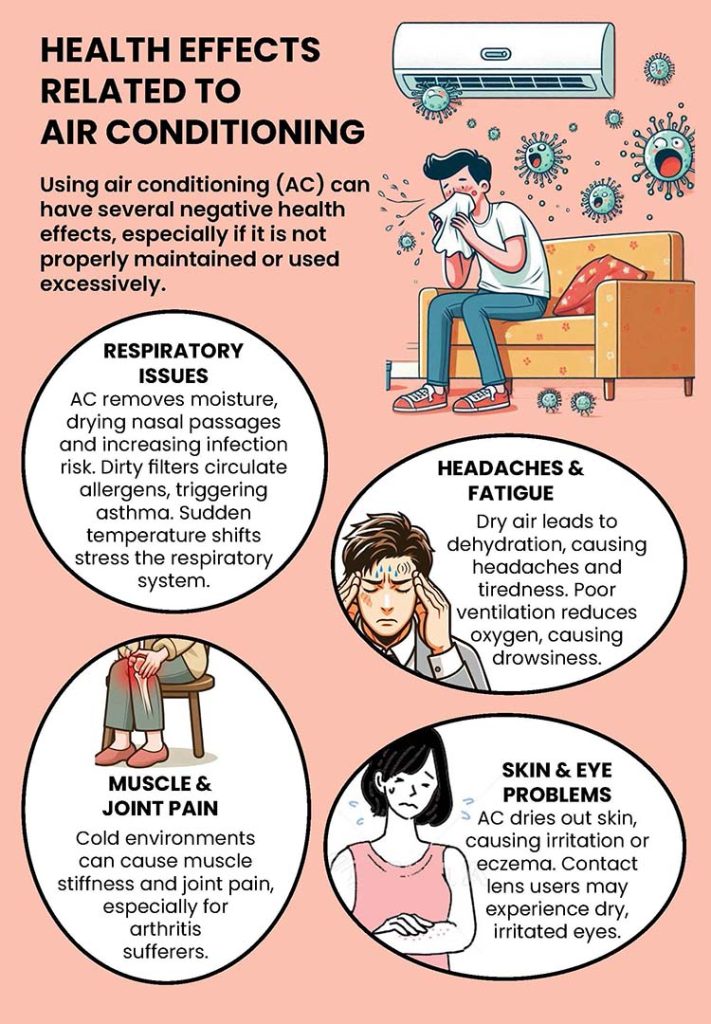
Have you ever noticed your skin feeling dry or your throat getting scratchy after spending time in a room with the air conditioner on? You might wonder, does air conditioning cause dry air?
Understanding how your AC affects the air around you is important for your comfort and health. You’ll discover the surprising ways air conditioners can change the moisture in your home and simple tips to keep your air fresh and comfortable.
Keep reading to find out how to beat dry air without giving up your cool.

Credit: theconversation.com
How Air Conditioners Affect Humidity
Air conditioners cool air by removing heat and moisture from inside. This process lowers humidity, making the air feel dry. Moisture condenses on the cooling coils and drains away, reducing indoor humidity levels.
Different types of air conditioners change humidity in various ways:
| Type of Air Conditioner | Humidity Effect | Notes |
|---|---|---|
| Central AC | Removes significant moisture | Drains water outside, lowers indoor humidity |
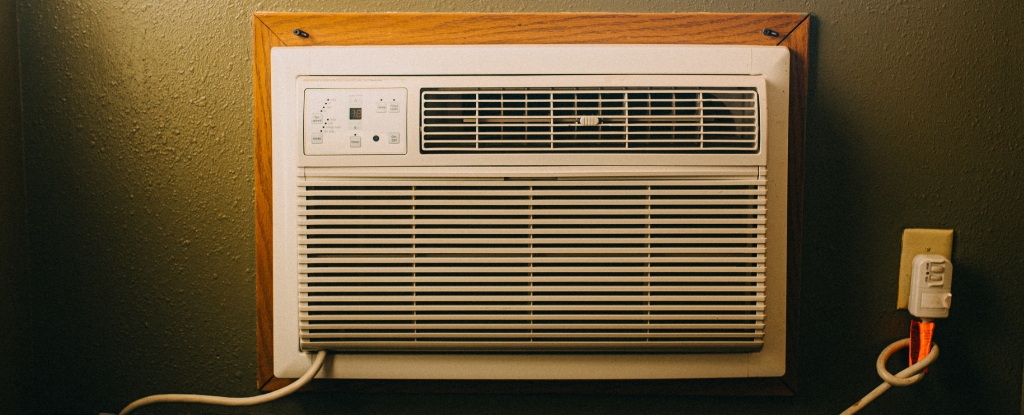
| Window Unit | Moderate moisture removal | Drains water, but less efficient than central AC |
| Portable AC | May increase humidity | Some models vent moisture back inside |
| Ductless Mini-Split | Good moisture removal | Works like central AC, but for smaller spaces |
Credit: franklinautomotive.com
Why Air Conditioners Can Cause Dryness
Air conditioners remove moisture from the air to cool a room, which can lead to dry air. This dryness may cause itchy skin, dry eyes, and throat irritation. Using a humidifier or keeping plants indoors can help balance the air moisture.
Air Dehumidification Explained
Air conditioners cool the air by removing heat and moisture. This process makes the air feel dry. Moisture from the air turns into water inside the unit and drains away. This is why the air inside can lose its humidity quickly. Dry air can cause discomfort in rooms with AC running for long hours.
Common Symptoms Of Dry Indoor Air
- Dry skin and lips
- Itchy or irritated eyes
- Scratchy throat
- Increased static electricity
- Dry nose and nasal passages
- Feeling thirsty more often
Health Effects Of Dry Indoor Air
Dry air from air conditionerscan cause skin dryness. This leads to itchy, flaky, and irritated skin. People with sensitive skin may feel more discomfort. The respiratory systemalso suffers. Dry air can dry out the nose and throat, causing soreness and coughing. It may worsen symptoms for those with asthma or bronchitis.
Exposure to dry indoor air raises the risk of allergies and irritation. Dust and pollen particles stay airborne longer. This can trigger allergic reactions, sneezing, and watery eyes. Dry air also irritates the eyes, making them feel scratchy and tired. Using a humidifier or keeping indoor plants can help add moisture back into the air.
Credit: www.sciencealert.com
Ways To Combat Dry Air From Ac
Humidifiersadd moisture to the air. This helps reduce dryness caused by air conditioners. Place a humidifier in rooms where AC runs the most. It keeps your skin and throat from feeling dry.
Proper ventilationallows fresh air to enter your home. Open windows or use exhaust fans to balance indoor air. This helps stop the air from becoming too dry or stale.
Regular maintenanceof your air conditioner improves its function. Clean or replace air filters often to keep airflow smooth. Check for leaks or blockages that can reduce humidity control.
Alternatives To Traditional Air Conditioning
Evaporative coolersuse water to cool the air. They add moisture, so the air feels less dry. These coolers work best in dry climates. They are simple and use less energy than traditional air conditioners.
Energy-efficient cooling optionshelp save power and reduce dry air problems. Some options include:
- Fansthat move air without removing moisture.
- Heat pumpsthat cool and heat with less energy.
- Smart thermostatsto control temperature and save energy.
Choosing these alternatives can keep your home cool and the air more comfortable.
Frequently Asked Questions
Does An Air Conditioner Make Indoor Air Dry?
Yes, air conditioners can reduce indoor humidity. They remove moisture as they cool the air, leading to drier indoor air.
How Does Ac Cause Dry Skin And Throat?
Air conditioning lowers humidity, which dries out your skin and throat. This can cause irritation and discomfort.
Can Using A Humidifier With Ac Help Dryness?
Yes, using a humidifier adds moisture to the air. It balances dryness caused by air conditioning for better comfort.
Is Dry Air From Ac Harmful To Health?
Prolonged exposure to dry air can cause respiratory issues and skin problems. Proper humidity levels are essential for health.
Conclusion
Air conditioners can cause dry air in your home. This dryness may affect your comfort and health. To prevent it, use a humidifier or place water bowls around. Keep windows open occasionally for fresh air. Regular maintenance of your AC helps too.
Drink plenty of water to stay hydrated. These simple steps can improve air quality. Enjoy a comfortable and balanced indoor environment. Stay informed and make smart choices for your home.