
Picture this: you’re driving on a scorching summer day, grateful for the cool breeze from your car’s air conditioner. But then a thought pops into your mind—does using the air conditioner in your car actually use gas?
It’s a question that has puzzled many drivers like you. Understanding how your car’s AC system works can not only satisfy your curiosity but also help you make informed decisions about your vehicle’s fuel efficiency. We’ll dive into the mechanics of car air conditioning and reveal the truth about its impact on your gas consumption.
Stay with us to discover how you can keep cool without feeling guilty at the pump.
Credit: point-s.ca
How Car Ac Systems Work
Car air conditioners use a special gas to cool the air inside the vehicle. This system works by moving heat from inside the car to the outside. The process helps keep passengers comfortable during hot weather.
Understanding the basic parts and how the cooling process works can help explain if the car AC uses gas and how it functions.
Basic Components
The car AC system has several key parts that work together to cool the air. Each component plays a specific role in the cooling process.
- Compressor:This pumps the refrigerant gas through the system.
- Condenser:It cools the gas and turns it into a liquid.
- Expansion Valve:This reduces the pressure of the liquid refrigerant.
- Evaporator:It absorbs heat from inside the car and turns the refrigerant back into gas.
- Refrigerant Gas:The special gas that moves heat around the system.
Cooling Process
The cooling process happens in a cycle. The refrigerant gas absorbs heat inside the car and releases it outside. This cycle repeats to keep the car cool.
| Step | What Happens |
|---|---|
| 1 | The compressor compresses the refrigerant gas and sends it to the condenser. |
| 2 | The condenser cools the gas into a liquid and releases heat outside. |
| 3 | The expansion valve lowers the liquid’s pressure before it enters the evaporator. |
| 4 | The evaporator absorbs heat from inside the car, cooling the air. The liquid turns back into gas. |
| 5 | The refrigerant gas returns to the compressor to start the cycle again. |
Role Of Refrigerant In Car Ac
Car air conditioners use a special gas called refrigerant. This gas helps cool the air inside the car. It moves heat from inside the car to the outside.
The refrigerant changes from liquid to gas and back again. This change helps the AC remove heat and make the car cooler.
Types Of Refrigerants
There are different types of refrigerants used in car AC systems. Each type works in a similar way but has different chemicals.
- R-12: An older refrigerant, now mostly banned due to environmental harm.
- R-134a: Commonly used in many cars today.
- R-1234yf: A newer, eco-friendly refrigerant replacing R-134a.
Car manufacturers are shifting to refrigerants that are safer for the environment.
How Refrigerants Function
Refrigerants absorb heat from the car’s cabin. They start as a cold liquid in the AC system.
When the refrigerant turns into a gas, it takes heat away from the air inside the car. Then, the gas moves outside and cools down.
- The refrigerant flows through coils inside the car.
- It changes from liquid to gas, absorbing heat.
- The gas is pushed outside and turns back to liquid.
- This cycle repeats to keep the car cool.
Gas Vs. Refrigerant: What’s Used?
Many people ask if car air conditioners use gas. The truth is, they use refrigerant instead. Refrigerant cools the air inside your car.
Refrigerants are special fluids designed to absorb heat. This helps keep your car cabin cool during hot days.
Differences Explained
Gas and refrigerant are different in how they work and what they do. Gas usually means fuel like gasoline or natural gas. Refrigerant is a chemical used to cool air.
Car air conditioners do not burn gas to cool. They use refrigerant that changes from liquid to gas and back again. This cycle removes heat from the air inside the car.
- Gas: fuel for engines, burns to create power
- Refrigerant: fluid in AC system, absorbs and releases heat
- Gas powers the car, refrigerant cools the car
Common Misconceptions
Many people think car AC uses gas like the engine. This is not true. The AC system uses refrigerant only.
Another myth is that refrigerant is just gas. Refrigerants have special properties that let them cool air effectively. They are not the same as the gas you put in your car.
- Refrigerant is not fuel or gasoline
- Car AC does not burn gas to cool air
- Refrigerants are specially made for cooling
Credit: www.familyhandyman.com
Myths About Car Ac And Gas
Many people think the car air conditioner uses the same gas that powers the engine. This is not true. The car AC system works differently from the engine.
Understanding how the car AC works helps clear up common myths. This guide explains the truth about car AC and gas.
Does Car Ac Use Engine Gas?
The car AC does not use the gas that fuels the engine. It uses a special refrigerant gas inside a closed system. This gas cools the air inside the car.
The engine gas, like gasoline or diesel, powers the car’s engine only. It does not mix with the AC system gas.
Impact On Fuel Consumption
Using the car AC can make the engine work harder. This can cause the car to use more fuel. The extra fuel use depends on driving conditions and AC settings.
Turning on the AC compressor needs power from the engine. This power comes from burning more fuel. So, the AC affects fuel consumption indirectly.
- AC compressor runs using engine power
- More engine power means more fuel used
- Fuel use rises more in city driving than on highways
- Lower AC settings use less fuel than high cooling
Maintaining Your Car Ac
Your car’s air conditioner uses refrigerant gas to cool the air inside. Keeping the AC system in good shape helps it work well and last longer.
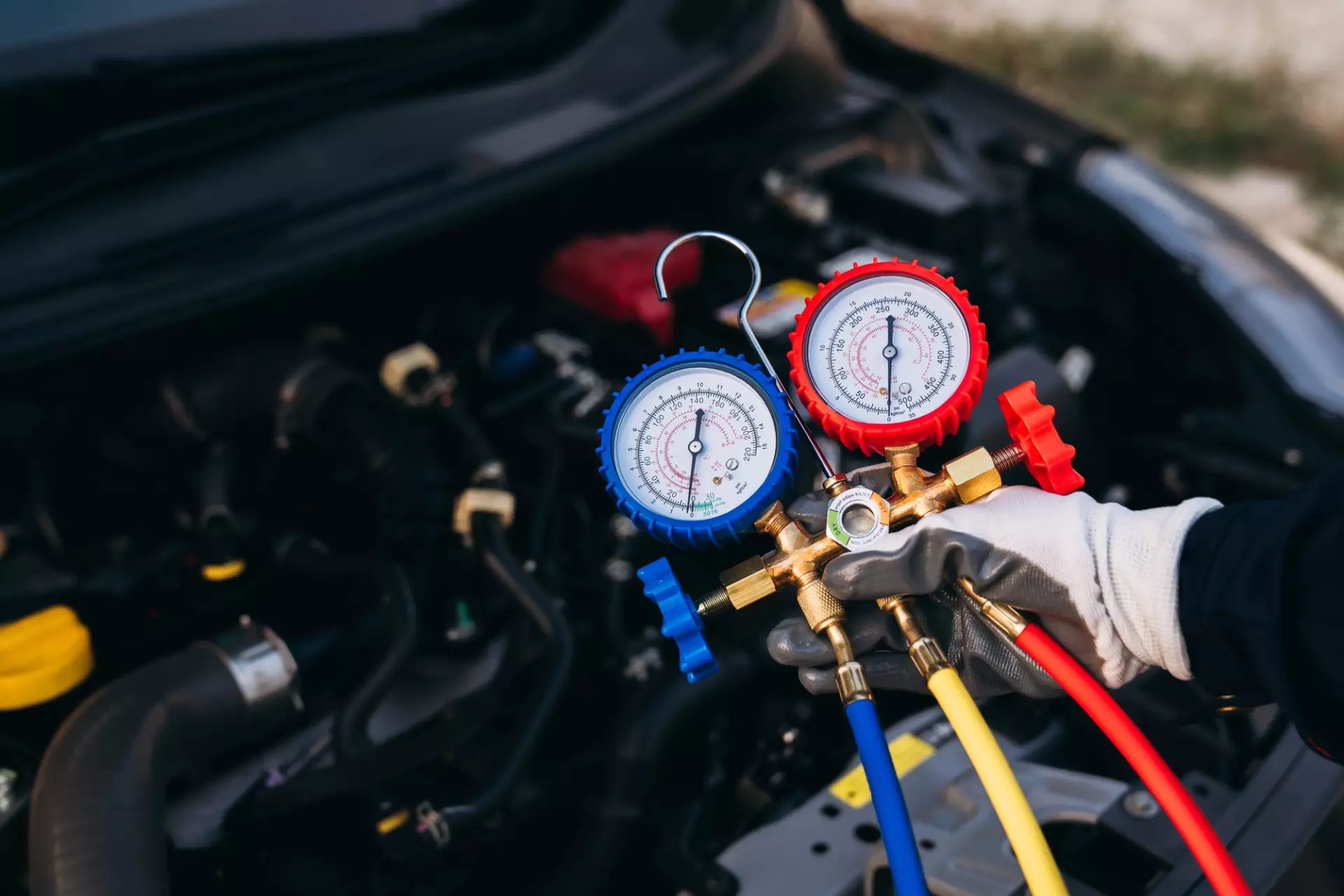
Regular checks and care prevent issues like leaks and poor cooling. You can spot problems early by knowing the signs of a refrigerant leak.
Signs Of Refrigerant Leak
A refrigerant leak lowers the AC’s cooling power and may cause damage. Watch for these common signs:
- Air from vents feels warm or less cold than usual
- Hissing or bubbling sounds near the AC system
- Frost or ice build-up on AC parts like the evaporator
- Strong chemical or sweet smell inside the car
- AC compressor turns on and off frequently
Regular Maintenance Tips
Follow these tips to keep your car AC running smoothly and avoid costly repairs.
| Maintenance Task | Why It’s Important |
| Check refrigerant levels | Ensures proper cooling and prevents leaks |
| Clean or replace cabin air filter | Keeps air fresh and improves airflow |
| Inspect AC hoses and connections | Detects cracks or damage early |
| Run AC regularly, even in winter | Keeps compressor seals lubricated |
| Schedule professional AC service | Detects hidden problems and refills refrigerant |
Environmental Impact Of Car Ac
Car air conditioners use gas to cool the air inside the vehicle. This gas is called refrigerant. It helps move heat out of the car.
Using car AC affects the environment in different ways. It is important to know how these systems impact our planet.
Refrigerant And Pollution
Refrigerants in car ACs can harm the environment. Some older types release gases that damage the ozone layer.
Newer refrigerants are better but still can cause global warming if they leak into the air.
- Older refrigerants harm the ozone layer
- New refrigerants reduce ozone damage
- Leaks add to global warming
Eco-friendly Alternatives
People use eco-friendly options to lower car AC pollution. Some cars use natural refrigerants that are safer for the earth.
Good maintenance also helps stop leaks and reduces harmful gas release. Electric cars often have more efficient AC systems.
- Natural refrigerants like CO2 and ammonia
- Regular AC checks to prevent leaks
- Electric cars with efficient cooling systems
Credit: royaltonautoservice.com
Frequently Asked Questions
Does Car Ac Use Gas Like The Engine?
No, car AC does not use engine gas. It operates using refrigerant gas inside the AC system. This refrigerant cools the air, separate from the engine’s fuel, ensuring efficient cabin cooling without consuming gasoline.
What Type Of Gas Does Car Ac Use?
Car AC systems use refrigerant gases like R-134a or R-1234yf. These gases absorb heat from inside the car and release it outside, providing cool air. They are different from engine fuel gases and are essential for proper AC functioning.
Can Low Refrigerant Gas Affect Car Ac Performance?
Yes, low refrigerant gas reduces AC cooling efficiency. When refrigerant levels drop, the AC system can’t absorb heat effectively, causing warm air inside the car. Regular maintenance and recharging refrigerant ensure optimal cooling performance.
Does Car Ac Impact Fuel Consumption?
Car AC can slightly increase fuel consumption. Running the AC compressor uses engine power, which burns more fuel. However, modern cars optimize this effect, making the increase minimal during normal driving conditions.
Conclusion
Car air conditioners do use gas, but not the kind in your tank. They rely on refrigerant gas to cool the air inside. This gas cycles through the system to remove heat and humidity. Keeping the refrigerant at the right level is important for good cooling.
Regular maintenance helps the AC work well and last longer. Now you know how your car’s AC stays cool with gas. Simple but effective.