Have you ever wondered if the air conditioner in your car uses gas? It’s a common question that many drivers ask but don’t always get clear answers to.
Understanding how your car’s AC works can help you take better care of it and avoid costly repairs. You’ll discover the surprising truth about what powers your car’s cooling system and what that means for your vehicle. Keep reading to learn exactly how your car stays cool on hot days and what you need to know to keep it running smoothly.
How Car Air Conditioners Work
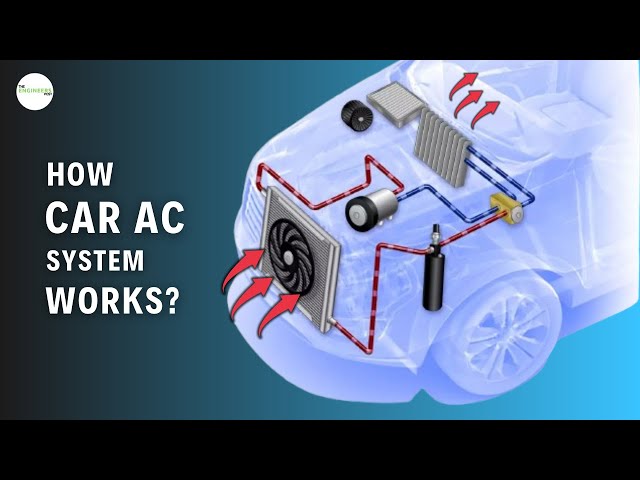
Car air conditioners use a special gas called refrigerant to cool the air inside. This gas absorbs heat from the car and releases it outside, making the cabin cooler. Without this gas, the air conditioner cannot work properly.
Basic Components
- Compressor:Pumps refrigerant gas through the system.
- Condenser:Cools the refrigerant gas into a liquid.
- Expansion Valve:Controls refrigerant flow into evaporator.
- Evaporator:Absorbs heat from car air to cool it.
Role Of Refrigerant Gas
The refrigerant gasmoves inside the air conditioner system.
It changes from gas to liquid and back again.
This cycle carries heat out of the car cabin.
The refrigerant gas is key to making air cold.
Credit: www.familyhandyman.com
Types Of Gases Used In Car Ac
The most common refrigerantsused in car air conditioners are R-134a and R-1234yf. These gases help cool the air inside the car by absorbing heat. Older cars often use R-12, but it is now mostly banned due to its harmful effects on the environment.
R-134a is less harmful but still affects the atmosphere. R-1234yf is a newer gas with a much lower impact on the environment. It breaks down faster and reduces greenhouse gas effects.
| Refrigerant | Usage | Environmental Impact |
|---|---|---|
| R-12 | Older cars | High ozone depletion |
| R-134a | Most cars (until recently) | Moderate global warming potential |
| R-1234yf | Newer cars | Low global warming potential |
Myths About Gas Usage In Car Ac
Many people think car AC uses gas like the engine. The truth is, car AC uses a special refrigerant gas, not fuel gas. This gas helps cool the air inside the car by moving heat outside. It does not burn or use your car’s fuel.
Some believe using AC wastes a lot of fuel. While AC can use a bit more engine power, the increase in fuel use is usually small. Modern cars have better systems to keep fuel use low even with AC on.
Safety worries about the gas in car AC are common. The refrigerant gas is sealed inside the system. It only leaks if the AC system is broken or damaged. Regular checks keep the system safe and working well.

Credit: en.thanhphongauto.com
When And Why Gas Needs Recharging
Car air conditioners use a special type of gas called refrigerant. Over time, this gas can leak or get used up. When the refrigerant is low, the AC cools less or stops working. Common signs of low refrigerantinclude:
- Warm air blowing from the vents
- Longer time to cool the car
- Hissing sounds near AC parts
- Ice build-up on AC pipes
Recharging the gas means adding more refrigerant to the AC system. A mechanic connects a special device to the car’s AC system. They check the pressure and add refrigerant as needed. This process helps the AC blow cold air again. It usually takes less than an hour and keeps the system running smoothly.
Maintenance Tips For Car Ac Efficiency
Regular checks help keep the car AC running smoothly. Look for any leaks or unusual noises. Check the air filterand replace it if dirty. Keep the AC vents cleanto ensure good airflow. Watching for these signs saves money on big repairs.
Professional servicing is key for long-lasting performance. Experts use special tools to check the refrigerant gas levels. They also clean the system and fix worn parts. A yearly service keeps the AC cool and efficient. Trusting a trained mechanic helps avoid future problems.
Credit: point-s.ca
Frequently Asked Questions
Does Car Ac Affect Fuel Consumption?
Yes, using the car’s air conditioner can increase fuel consumption. The AC system relies on the engine, which uses gas. However, the impact on fuel efficiency varies based on factors like speed, AC usage, and vehicle model. Efficient use of AC can help minimize fuel consumption.
How Does Car Ac Work?
Car AC systems use refrigerant to cool the air inside the vehicle. The compressor compresses the refrigerant, which then cools the air as it passes through the evaporator. The cooled air is circulated inside the car, providing a comfortable environment for passengers.
Is It Cheaper To Drive With Ac On Or Windows Down?
Driving with windows down is often more fuel-efficient than using AC at low speeds. However, at high speeds, open windows create drag, reducing fuel efficiency. In such cases, using AC might be more economical. The decision depends on driving conditions and personal comfort preferences.
Does Turning Off Ac Save Gas?
Yes, turning off the car’s air conditioner can save gas. The AC system puts extra load on the engine, increasing fuel consumption. By turning it off, you reduce this load and potentially improve fuel efficiency. However, comfort should also be considered when deciding to use the AC.
Conclusion
Car air conditioners use a special gas called refrigerant. This gas helps cool the air inside the car. It does not burn like fuel but moves heat out. Without this gas, the AC will not work well. Regular checks keep the system running smoothly.
A well-maintained AC makes driving more comfortable. Remember to fix leaks quickly to save gas. Clean air feels good and cools fast. Knowing this helps you care for your car better. Simple steps keep your ride cool all year.