Are you tired of feeling sticky and uncomfortable inside your own home? You might wonder if your air conditioner is just cooling the air or if it’s also helping with that annoying humidity.
Understanding how your AC affects humidity can make a big difference in your comfort and energy bills. You’ll discover the truth about whether an air conditioner lowers humidity and how you can make the most of it to create a fresh, cool, and pleasant living space.
Keep reading—you’re about to learn something that could change the way you feel at home.

Credit: medium.com
How Air Conditioners Affect Humidity
Air conditioners cool indoor air by removing heat. They also reduce moisture in the air. This helps make rooms feel more comfortable.
Understanding how air conditioners lower humidity can help you use them better. Let’s look at the cooling process and how moisture is removed.
Cooling Process And Moisture Removal
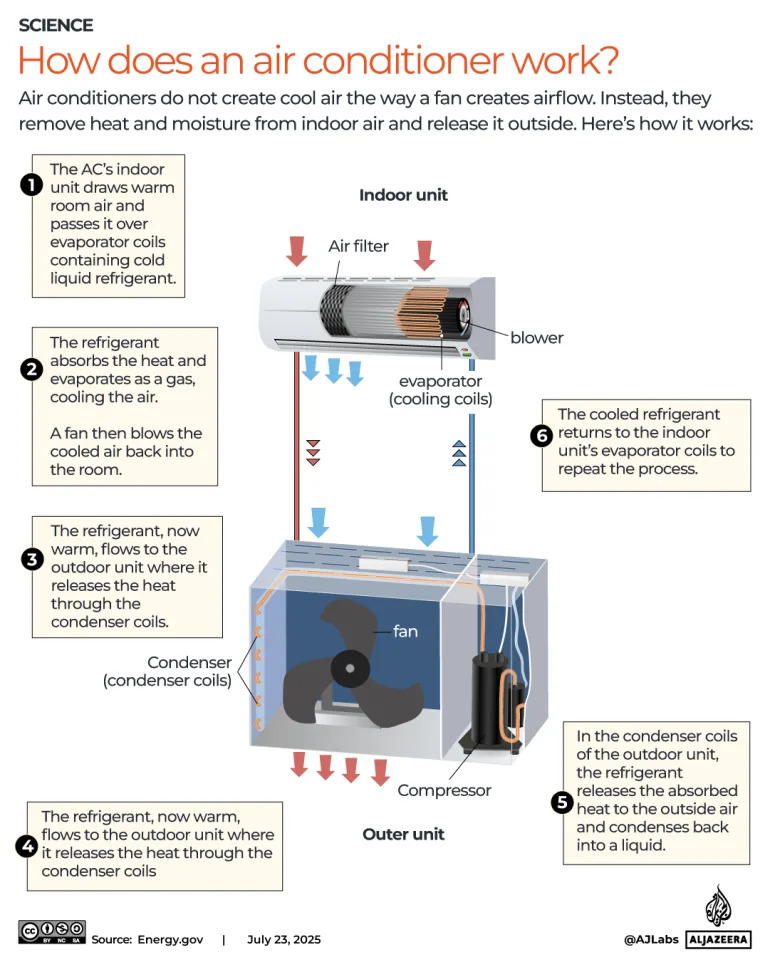
Air conditioners use a cooling coil to lower air temperature. Warm air from the room passes over this coil. The coil is cold, so it cools the air.
As air cools, moisture in the air turns into water droplets. This water collects on the coil and drains away. This process lowers the humidity inside the room.
- Warm air enters the air conditioner
- Air passes over the cold cooling coil
- Moisture condenses into water droplets
- Water drains out of the unit
- Dry, cool air returns to the room
Types Of Air Conditioners And Humidity Control
Different air conditioners remove moisture at different rates. Some models control humidity better than others.
| Type of Air Conditioner | Humidity Control Ability | Notes |
| Window Units | Moderate | Good moisture removal in small rooms |
| Central Air Systems | High | Effective for whole-house humidity control |
| Portable ACs | Low to Moderate | Less efficient moisture removal |
| Ductless Mini Splits | High | Good at controlling humidity in zones |

Credit: www.yahoo.com
Benefits Of Lowering Humidity Indoors
Lowering indoor humidity helps create a better living space. It makes rooms feel cooler and fresher. It also protects your home and health.
Air conditioners play a key role in reducing moisture in the air. This leads to many benefits that improve daily life.
Improved Comfort And Health
Lower humidity makes the air feel less sticky and hot. It helps sweat evaporate faster, so you feel cooler. Dry air also reduces breathing problems and skin irritation.
- Reduces sweating and discomfort
- Prevents dry skin and rashes
- Lowers risk of allergies and asthma attacks
- Keeps air fresh and easier to breathe
Preventing Mold And Mildew Growth
Mold and mildew grow well in moist areas. Lower humidity stops them from spreading. This protects your walls, furniture, and health.
| Problem | Effect of High Humidity | Benefit of Lowering Humidity |
| Mold Growth | Damages walls and furniture | Prevents mold and protects home |
| Bad Odors | Musty smell in rooms | Reduces odors and keeps air clean |
| Health Risks | Causes allergies and asthma | Improves air quality and health |
Limitations Of Air Conditioners In Humidity Control
Air conditioners cool the air but do not always remove enough moisture. Many people think AC units solve humidity problems fully. This is not always true, especially in very humid places.
Understanding the limits of air conditioners helps you manage indoor comfort better. This guide explains when air conditioning alone is not enough and how outdoor humidity affects your home.
When Ac Alone Isn’t Enough
Air conditioners reduce humidity by cooling air, which causes moisture to condense. But this process has limits. ACs may not lower humidity enough in some conditions.
- Older or poorly maintained units remove less moisture.
- ACs set to high temperatures keep humidity higher.
- Large spaces or open windows reduce AC efficiency.
- High indoor moisture sources can overwhelm the AC’s capacity.
- ACs mainly cool air; special dehumidifiers work better for moisture control.
Impact Of Outdoor Humidity Levels
Outdoor humidity strongly affects indoor air quality. When outdoor air is very humid, it enters the home and raises indoor moisture levels.
| Outdoor Humidity Level | Effect on Indoor Humidity |
| Low (below 40%) | Indoor humidity stays comfortable with AC |
| Moderate (40%-60%) | AC can manage moisture but may struggle in hot weather |
| High (above 60%) | Indoor humidity rises; AC alone often not enough |

Credit: www.georgiaairrepair.com
Tips To Enhance Humidity Reduction
Air conditioners can lower humidity by removing moisture from the air. This helps make rooms feel cooler and more comfortable.
You can improve humidity control with some easy steps. These tips help your AC work better and keep air dry.
Using Dehumidifiers Alongside Ac
Dehumidifiers remove extra moisture from the air. Using one with your air conditioner helps reduce humidity faster.
Dehumidifiers work well in damp areas like basements or bathrooms. They support the AC by lowering humidity levels more.
- Place dehumidifiers in rooms with high moisture.
- Run them along with your air conditioner.
- Empty water tanks regularly to keep them effective.
Regular Maintenance And Proper Settings
Clean your AC filters and coils often. Dirty parts reduce cooling and humidity removal.
Set your thermostat to a comfortable temperature. Avoid very high fan speeds because they may reduce moisture removal.
- Check and clean AC filters monthly.
- Inspect coils and drain lines for blockages.
- Use medium fan speed for better humidity control.
- Keep thermostat between 72°F and 78°F for comfort.
Energy Efficiency And Humidity
Air conditioners cool the air and help reduce humidity inside a room. Lower humidity makes the space feel more comfortable. This can improve how well the air conditioner works.
Using air conditioners wisely saves energy. When humidity levels drop, the air feels cooler, so you can set the temperature higher. This lowers power use and cuts energy bills.
Balancing Comfort And Power Consumption
Keeping the right balance between comfort and energy use is important. If the air conditioner runs too much, energy costs rise. If it runs too little, the room may feel damp and warm.
Adjusting settings to control both temperature and humidity helps. Using fans and ventilation can also reduce moisture. This lowers the need for long air conditioner cycles.
- Set the thermostat to a comfortable, not very cold temperature
- Use fans to circulate air and reduce humidity
- Keep doors and windows closed to keep moisture out
- Maintain your air conditioner for better efficiency
Smart Thermostats And Humidity Sensors
Smart thermostats can measure temperature and humidity. They adjust the air conditioner to keep both levels steady. This saves energy by avoiding extra cooling.
Humidity sensors detect moisture in the air. They help the system run only when needed. This keeps your home comfortable without wasting power.
- Smart thermostats learn your comfort preferences
- Humidity sensors prevent over-cooling and excess moisture
- Remote control allows easy adjustments from anywhere
- Some models provide energy use reports to track savings
Frequently Asked Questions
Does An Air Conditioner Reduce Indoor Humidity Levels?
Yes, air conditioners lower indoor humidity by cooling air and removing moisture. The cooling process condenses water vapor, reducing humidity and improving comfort.
How Does An Air Conditioner Remove Humidity?
Air conditioners cool warm air, causing moisture to condense on cold coils. This condensation drains away, effectively reducing indoor humidity levels.
Can Air Conditioners Prevent Mold Growth Indoors?
By lowering humidity, air conditioners reduce mold risk. Mold thrives in moist environments, so controlling humidity helps keep mold at bay.
Does Using An Air Conditioner Improve Air Quality?
Yes, by reducing humidity, air conditioners limit dust mites and mold, improving overall indoor air quality and comfort.
Conclusion
Air conditioners do reduce humidity effectively. They cool and dehumidify your space. This makes indoor air more comfortable. A well-maintained AC unit is crucial. Regular checks ensure efficiency and longevity. A balanced environment promotes better health and comfort. Consider energy-efficient models for savings.
Proper insulation can enhance performance, too. Understanding how your AC works helps. This knowledge can lead to smarter usage. Enjoy a comfortable, less humid home.