
Are you wondering if your air conditioner does more than just cool the air? You might have noticed the air feels less sticky when your AC is on, but does it actually lower humidity?
Understanding how your air conditioner affects moisture in your home can make a big difference in your comfort and health. Keep reading to discover the surprising truth about your AC’s role in controlling humidity—and learn simple tips to keep your indoor air fresh and comfortable all year round.

Credit: www.georgiaairrepair.com
How Air Conditioners Affect Humidity
Air conditioners not only cool the air but also help reduce humidity. They pull warm air inside and pass it over cold coils. This process causes moisture in the air to condense into water. The water then drains away, lowering indoor humidity. Cooler air feels more comfortable and less sticky.
Different types of air conditioners vary in how well they control humidity:
| Type | Humidity Control | Notes |
|---|---|---|
| Window Units | Moderate | Remove some moisture, good for small rooms |
| Central AC | High | Effective for whole house, better moisture removal |
| Portable AC | Low to Moderate | Less efficient at removing humidity |
| Dehumidifier Combo | Very High | Designed to remove moisture, best for humid areas |
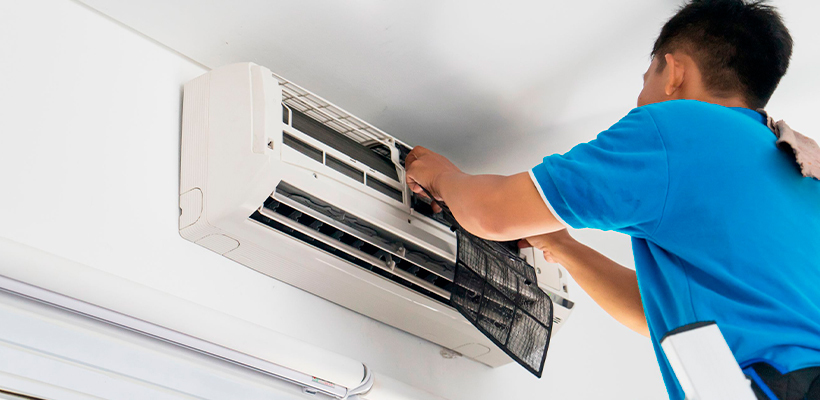
Credit: acerefrigeration.ca
Benefits Of Lower Humidity Indoors
Lower humidity indoorsmakes the air feel cooler and more pleasant. It stops sticky, sweaty feelings on hot days. Dry air helps clothes dry faster and keeps floors from getting slippery.
Health benefitsinclude fewer problems with dust mites and mold. These can cause allergies and asthma. Breathing is easier with less moisture in the air. It also helps stop bad smells from growing.
Protecting your home and belongingsis easier with low humidity. Wood furniture and floors stay strong and do not warp. Paint and wallpaper last longer without peeling. Electronics and books are safe from moisture damage.
Factors Influencing Humidity Reduction
Climateaffects how well an air conditioner lowers humidity. Dry climates need less moisture removal than humid ones. Outdoor humidity levels also impact indoor humidity control.
AC maintenanceis key. Clean filters and coils let the unit work well. Dirty parts reduce efficiency and moisture removal. Regular checks keep the AC running smoothly.
The size and capacityof the AC unit matter. A small unit may not remove enough moisture in a large room. A properly sized unit balances cooling and humidity control.
| Factor | Effect on Humidity Reduction |
|---|---|
| Climate and Outdoor Humidity | High outdoor humidity requires more moisture removal |
| AC Maintenance and Efficiency | Clean parts improve moisture removal efficiency |
| Size and Capacity of the Unit | Correct size ensures effective humidity control |
Common Misconceptions About Ac And Humidity
Air conditioners do remove some moisture from the air. This happens as warm air passes over cold coils. The moisture turns into water and drains away. This process helps lower indoor humiditya bit.
Not all air conditioners are designed to dehumidify. Some models cool air but do not remove much moisture. In places with very high humidity, AC might not reduce it enough.
Here are cases when AC may not lower humidity:
- Unit is too large for the space, causing short cooling cycles.
- Thermostat set too high, so AC runs less often.
- Poor ventilation traps moisture inside the room.
- Outdoor humidity is extremely high, overwhelming AC capacity.
Enhancing Humidity Control With Ac
Air conditionersdo reduce humidity by cooling the air and removing moisture. They pull warm air, cool it, and water condenses inside the unit. This helps to lower indoor humidity, but it may not be enough in very humid places.
Dedicated dehumidifierswork better for removing moisture. They can keep humidity levels steady and make rooms feel more comfortable. These devices are good for basements or areas where AC might not help enough.
- Smart thermostatscan adjust settings to keep humidity low.
- They monitor temperature and humidity inside the home.
- This helps save energy and maintain comfort.
Good ventilationalso plays a key role. Fresh air reduces moisture buildup. Fans and open windows can help move air and keep humidity down.

Credit: www.angi.com
Choosing The Right Air Conditioner For Humidity
Cooling capacityis key for lowering humidity effectively. Choose an air conditioner that matches your room size. A unit too small won’t remove enough moisture. Too large can waste energy and cause uneven cooling.
Look for models with dehumidifying features. Some air conditioners have a “dry mode” to reduce humidity without overcooling. This keeps rooms comfortable and less damp.
| Feature | Benefit |
|---|---|
| Energy Star rating | Uses less electricity and saves money |
| Programmable thermostat | Maintains steady temperature and humidity |
| Auto fan speed | Adjusts airflow for better moisture control |
Energy efficiency matters for long-term use. Choose air conditioners with high SEER ratings. They use less power and help keep humidity levels steady. This lowers your electric bills and reduces environmental impact.
Frequently Asked Questions
Does An Ac Reduce Home Humidity?
Yes, air conditioners help lower indoor humidity by cooling the air. They remove moisture as they cool, making your home more comfortable. This process not only cools the air but also reduces the humidity level, providing a more pleasant living environment.
How Does Ac Control Humidity?
Air conditioners control humidity by removing moisture from the air. As warm air passes over the evaporator coils, moisture condenses and is drained away. This process effectively reduces indoor humidity levels while simultaneously cooling the air.
Can Ac Alone Manage High Humidity?
While ACs lower humidity, they might not suffice in extremely humid climates. In such cases, a dehumidifier might be necessary. It’s designed specifically to tackle high moisture levels, ensuring optimal comfort alongside your air conditioner.
Is Low Humidity Possible With Ac?
Yes, air conditioners can achieve low humidity levels. However, excessive dryness can cause discomfort and health issues. It’s essential to monitor and maintain balanced humidity levels for optimal comfort and health.
Conclusion
Air conditioners do help lower indoor humidity by removing moisture. This makes rooms feel cooler and more comfortable. They work best in warm, humid weather. Still, some models do a better job at drying the air. Using a dehumidifier can improve results if needed.
Keep your AC well-maintained for best performance. Remember, lower humidity means fewer mold and dust problems. Enjoy cooler, fresher air in your home all summer. Simple steps can make a big difference in comfort.