
Have you ever noticed your skin feeling dry or your throat getting scratchy after running your air conditioner for a while? You might be wondering, does an air conditioner actually make the air dry?
This question matters because the comfort your AC provides could come with some hidden side effects. Understanding how your air conditioner affects the air around you can help you stay comfortable and healthy. Keep reading to discover the truth behind this common concern and learn simple tips to keep your home’s air just right for you.

Credit: www.onlymyhealth.com
How Air Conditioners Work
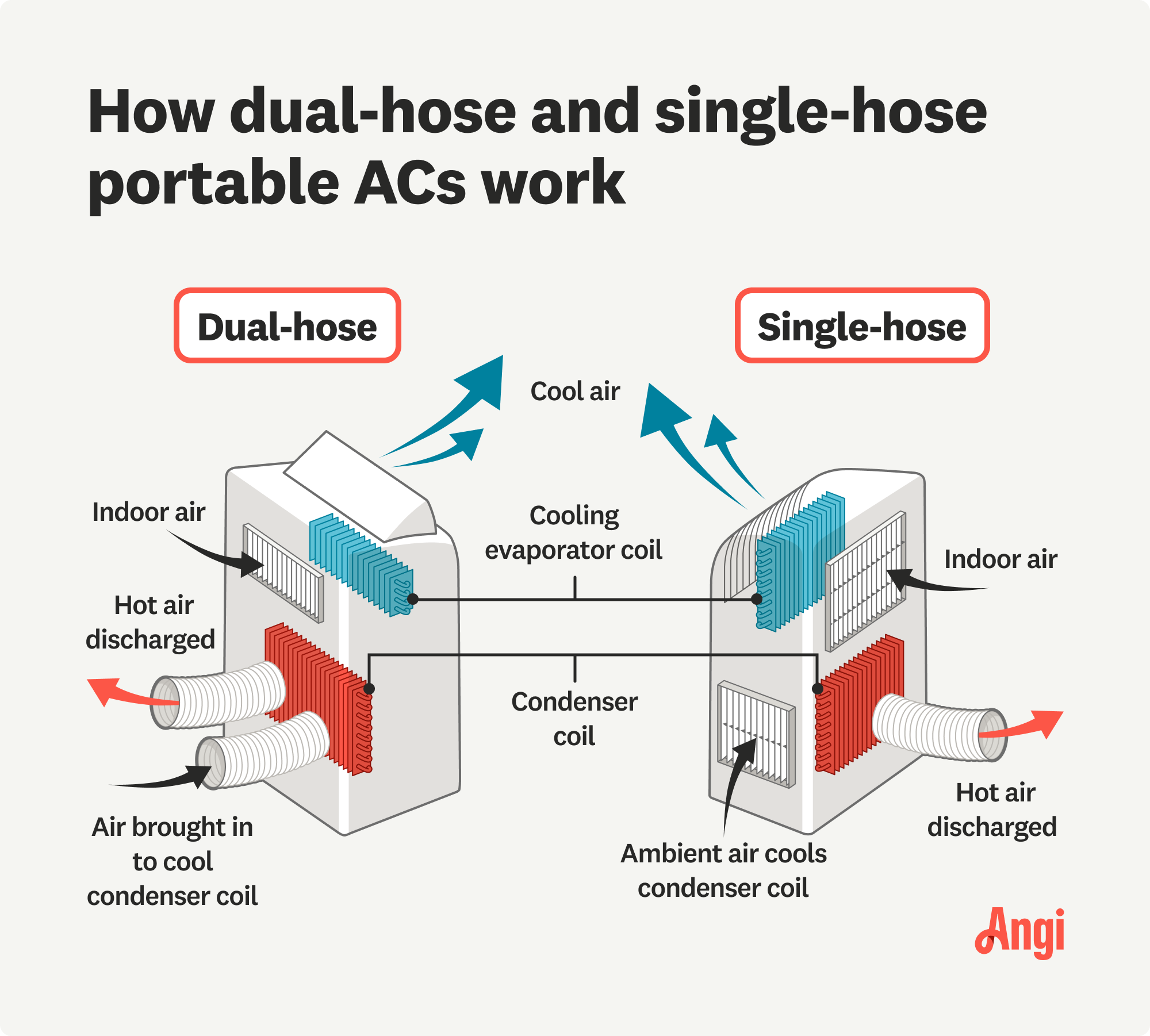
An air conditioner cools the air by removing heat from inside a room. It uses a refrigerant that absorbs heat from the indoor air and sends it outside. This process lowers the air temperature.
As the air cools, moisture in the air condenses on the cold coils. This condensation reduces the humidity, making the air feel drier. This is why air conditioners often make the air less humid.
- Indoor air is pulled into the AC unit.
- The air passes over cold coils, cooling down.
- Water vapor condenses and drains away.
- Cooled, drier air is blown back into the room.
Effect Of Air Conditioners On Humidity
Air conditioners work by cooling the air and removing moisture. This process lowers the humidityinside a room. As the air cools, water vapor turns into liquid and drains away.
This moisture removal can make the indoor air feel dry. People may notice dry skin, lips, or throat. It can also affect houseplants and wooden furniture.
Some air conditioners have humidity controlsettings. These help keep air moisture at a comfortable level. Using a humidifier can also balance the dryness.
Common Misconceptions About Ac And Dry Air
Many people think air conditioners always make air dry. This is not fully true. Air conditioners cool air by removing heat and moisture. This can lower humidity inside rooms. But dry air often comes from other causes too.
Sources of indoor dryness include:
- Cold weather outside, which lowers indoor humidity.
- Heating systems that dry out the air.
- Poor ventilation that traps dry air inside.
- Using AC for a long time without fresh air.
Air conditioners do remove some moisture, but they also help keep air fresh. Proper use and maintenance can prevent too much dryness. Using humidifiers or opening windows can balance indoor air moisture.

Credit: globalcoolair.com.au
Health Effects Of Dry Indoor Air
Dry indoor aircaused by air conditioners can lead to respiratory problems. It may cause dry throat, coughing, and irritation in the nose. Breathing dry air for a long time can make it harder to fight off colds and flu.
Dry air also affects the skin and eyes. Skin can become dry, itchy, and flaky. Eyes may feel tired, dry, and irritated. This can be uncomfortable, especially for people who wear contact lenses.
Ways To Prevent Dry Air From Ac
Humidifiersadd moisture back into the air. They help keep the room from feeling too dry. Small portable humidifiers work well in bedrooms or offices. Choose one that fits the room size. It keeps skin and airways from drying out.
Indoor plantsnaturally add humidity. Plants release water vapor during the day. Some good options are spider plants, peace lilies, and ferns. Besides moisture, plants improve air quality and add color.
Adjusting AC settingscan reduce dryness. Set the temperature a bit higher to avoid overcooling. Use the fan mode sometimes to circulate air without extra cooling. Also, check if the AC has a “dry” mode; avoid using it too much.
Credit: www.angi.com
Choosing The Right Air Conditioner
Choosing an air conditioner with humidity controlhelps keep air comfortable. Some models remove too much moisture, making air dry and uncomfortable. Units with built-in humidifiers or adjustable settings can balance moisturebetter.
Energy efficiency is key. Efficient ACs save power and keep rooms cool without over-drying air. Look for Energy Star ratedmodels for good balance. Comfort depends on the right size and features for your space.
| Feature | Benefit |
|---|---|
| Humidity Control | Maintains good moisture level, avoids dry air |
| Energy Efficiency | Lower power use, saves money |
| Proper Size | Better cooling, prevents over-drying |
Frequently Asked Questions
Does An Air Conditioner Dry Out The Air?
Yes, air conditioners can reduce humidity, making the air feel drier. They work by removing moisture during the cooling process. This can lead to a noticeable decrease in indoor humidity levels.
How Does Ac Affect Indoor Humidity?
Air conditioners cool the air by removing heat and moisture. This reduces the overall humidity inside a room. Lower humidity can make the environment feel more comfortable, but may also dry out skin and respiratory passages.
Can Ac Use Cause Dry Skin?
Yes, prolonged exposure to air-conditioned environments can lead to dry skin. The reduction in humidity can strip moisture from your skin. Using a humidifier or moisturizer can help counteract this effect.
Is It Necessary To Use A Humidifier With Ac?
Using a humidifier with an air conditioner can help maintain balanced humidity levels. This prevents the air from becoming too dry. It can improve comfort and prevent issues like dry skin and respiratory discomfort.
Conclusion
Air conditioners can make the air feel dry inside a room. They remove moisture while cooling the air. This may cause dry skin, throat, or eyes. Using a humidifier can help add moisture back. Keeping plants indoors also improves air humidity naturally.
Drink plenty of water to stay hydrated. Regularly clean your air conditioner for better air quality. Understanding how AC affects air helps you stay comfortable. Balance cooling with moisture for a healthier indoor space.