Have you ever wondered if your air conditioner could be making your allergies worse? You might think it’s helping by cooling your home, but what if it’s actually trapping dust, mold, or pollen inside?
If you find yourself sneezing more or struggling with itchy eyes whenever the AC is on, you’re not alone. Understanding how your air conditioner affects your indoor air quality can make a big difference in managing your allergies. Keep reading to discover the surprising ways your AC might be impacting your health—and what you can do to breathe easier.
How Air Conditioners Affect Indoor Air
Air conditioners change the air inside homes. They cool the air but also move it around.
This movement can affect allergens and moisture levels indoors. These changes may affect allergies.
Air Circulation And Allergens
Air conditioners push air through filters. Clean filters catch dust and pollen.
- If filters are dirty, they can spread dust and mold spores.
- Poor air circulation can trap allergens inside rooms.
- Regular filter cleaning reduces allergens in the air.
- Using high-quality filters helps keep air cleaner.
Humidity Control And Its Impact
Air conditioners lower indoor humidity. This affects allergy triggers differently.
| Humidity Level | Effect on Allergens |
| Low (below 30%) | Dry air can irritate nose and throat. |
| Moderate (30%-50%) | Limits mold and dust mite growth. |
| High (above 50%) | Encourages mold and dust mites to grow. |
Common Allergens Linked To Air Conditioners
Air conditioners can affect indoor air quality. They may spread allergens that cause allergy symptoms.
Understanding common allergens helps reduce allergy problems linked to air conditioning systems.
Dust Mites And Mold Growth
Dust mites live in warm, moist places inside air conditioners. They cause sneezing and itchy eyes.
Mold grows on wet parts of the AC system. Mold spores spread through the air and trigger allergies.
- Dust mites feed on dead skin cells.
- Humidity in AC units helps mold grow.
- Dirty filters increase dust and mold presence.
- Regular cleaning can reduce these allergens.
Pollen And Pet Dander Trapped Indoors
Air conditioners can bring pollen inside through open windows or vents. Pollen causes sneezing and runny nose.
Pet dander can stay in the house and spread with air flow from the AC. It often triggers itchy skin and asthma.
| Allergen | Source | Effect |
| Pollen | Outdoor plants | Sneezing, runny nose |
| Pet Dander | Animals | Itchy skin, asthma |
When Air Conditioners Worsen Allergies
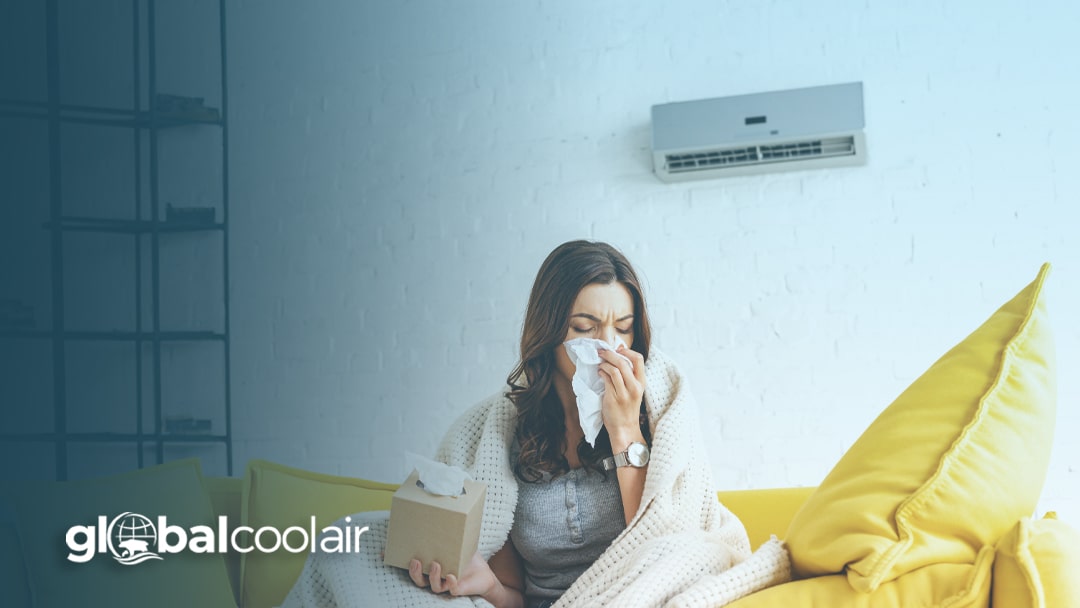
Air conditioners help keep homes cool. But sometimes they can make allergies worse. This happens when the unit is not clean or well maintained.
Understanding how air conditioners affect air quality can help reduce allergy symptoms. Below are common causes that worsen allergies.
Dirty Filters And Contaminated Units
Air conditioner filters catch dust and pollen. If filters get dirty, they spread allergens instead of trapping them. Contaminated units can grow mold and bacteria. These harmful particles enter the air you breathe.
- Dirty filters reduce air flow and trap allergens
- Mold grows inside damp units and vents
- Dust and pollen collect in unclean ducts
- Allergens spread through the entire home
Poor Ventilation And Stale Air
Air conditioners can limit fresh air from entering a room. Without fresh air, dust and allergens stay inside. Stale air causes allergy symptoms to get worse.
| Cause | Effect on Allergies |
| Poor ventilation | Traps allergens inside |
| Stale air | Increases breathing problems |
| Lack of fresh air | Reduces air quality |
Credit: globalcoolair.com.au
Preventing Allergy Flare-ups With Ac
Air conditioners can help keep indoor air cool and comfortable. But they can also affect allergies if not used properly. Taking steps to keep your AC clean helps reduce allergy symptoms.
Using the right filters and air purifiers with your AC can also improve air quality. These tools catch dust and pollen that cause allergy problems.
Regular Cleaning And Maintenance
Cleaning your air conditioner often stops dust and mold build-up. These allergens can make symptoms worse. Check and clean filters every month or as recommended.
Keep the AC unit dry and free from moisture. Moist areas help mold grow. Clean the vents and ducts to remove trapped dirt and dust.
- Change or clean filters regularly
- Wipe down vents and grills
- Inspect and clean ductwork
- Remove any moisture or mold
Using Hepa Filters And Air Purifiers
HEPA filters trap tiny particles like pollen, dust, and pet dander. They improve the air quality inside your home. Using these filters in your AC can reduce allergy triggers.
Air purifiers work well with AC systems to clean the air further. They remove allergens and other pollutants. This helps reduce sneezing and itching during allergy season.
- Install HEPA filters compatible with your AC
- Use standalone air purifiers in bedrooms
- Run air purifiers regularly to keep air clean
- Replace HEPA filters as recommended
Alternatives To Traditional Air Conditioning
Traditional air conditioners can sometimes make allergies worse. They can spread dust and mold if not cleaned well. There are other ways to keep your home cool and allergy-free.
These alternatives help improve air quality and reduce allergens without heavy use of AC units. They are simple and can make your home more comfortable.
Natural Ventilation Techniques
Natural ventilation uses fresh air from outside to cool your home. It helps reduce dust and allergens that air conditioners might spread. Open windows and doors to let air flow through your rooms.
You can create cross-ventilation by opening windows on opposite sides of a room. This allows air to move freely and cool your space naturally.
- Open windows during cooler parts of the day
- Use fans to help move air inside
- Keep vents and airways clear of dust
- Close windows when outdoor pollen is high
Portable Air Cleaners And Dehumidifiers
Portable air cleaners remove dust, pollen, and other allergens from the air. They help people with allergies breathe easier inside their homes.
Dehumidifiers reduce moisture in the air. Lower humidity stops mold and dust mites from growing, which can trigger allergies.
- Use HEPA filters in air cleaners for better allergen removal
- Place air cleaners in bedrooms or living areas
- Keep humidity between 30% and 50% with a dehumidifier
- Clean and change filters regularly to keep machines effective
Credit: deepchill.com.au
Tips For Allergy Sufferers During Hot Seasons
Hot seasons can bring relief from cold weather, but they also raise allergy problems. Air conditioners help cool homes, but they may affect allergies.
It is important to manage indoor air quality and make lifestyle changes. These tips will help reduce allergy symptoms during hot times.
Managing Indoor Air Quality
Air conditioners can trap dust and allergens inside. Clean your AC filters often to keep air fresh. Use air purifiers with HEPA filters to remove pollen and dust.
- Change or clean AC filters every 1-2 months
- Keep windows and doors closed during high pollen times
- Use a dehumidifier to keep humidity below 50%
- Vacuum floors and carpets regularly with a HEPA vacuum
- Use air purifiers in bedrooms and living areas
Lifestyle Changes To Reduce Symptoms
Simple habits can reduce allergy symptoms. Avoid going outside early morning or late evening when pollen is highest. Wear sunglasses and a mask if pollen is heavy.
| Action | Benefit |
| Shower after being outdoors | Removes pollen from skin and hair |
| Wash bedding weekly in hot water | Eliminates dust mites and allergens |
| Wear allergy-proof pillow covers | Blocks dust mites during sleep |
| Drink plenty of water | Helps thin mucus and soothe throat |
| Keep pets clean and off beds | Reduces pet dander exposure |

Credit: globalcoolair.com.au
Frequently Asked Questions
Does Air Conditioner Worsen Allergy Symptoms?
Air conditioners can worsen allergies if filters are dirty. They may circulate dust, mold, and pollen indoors. Regular cleaning and filter changes reduce allergens and improve air quality, minimizing allergy symptoms.
How Can Air Conditioners Reduce Indoor Allergens?
Air conditioners lower humidity, which limits mold and dust mites growth. Clean filters trap airborne allergens like pollen and dust. Proper maintenance ensures healthier indoor air and fewer allergy triggers.
Should Allergy Sufferers Avoid Using Air Conditioners?
Allergy sufferers don’t need to avoid AC but must maintain it well. Clean filters and ducts prevent allergen buildup. Using a HEPA filter enhances allergen removal, making AC safe and comfortable.
Can Air Conditioners Spread Mold And Bacteria?
Yes, poorly maintained AC units can spread mold and bacteria. Moisture buildup inside units promotes microbial growth. Regular cleaning and timely servicing prevent contamination and protect respiratory health.
Conclusion
Air conditioners can affect allergy symptoms. They filter and circulate air. Clean filters help reduce allergens. Dust and mold can accumulate in dirty units. Regular maintenance keeps air fresh. Allergies might worsen with neglected systems. It’s crucial to clean and check filters often.
This practice can minimize irritants. Not all symptoms arise from air conditioners. Other factors play a role. Understanding your environment is key. Awareness helps manage allergies effectively. Keep spaces clean for better air quality. Maintain your air conditioner. Enjoy a comfortable, allergy-friendly home.