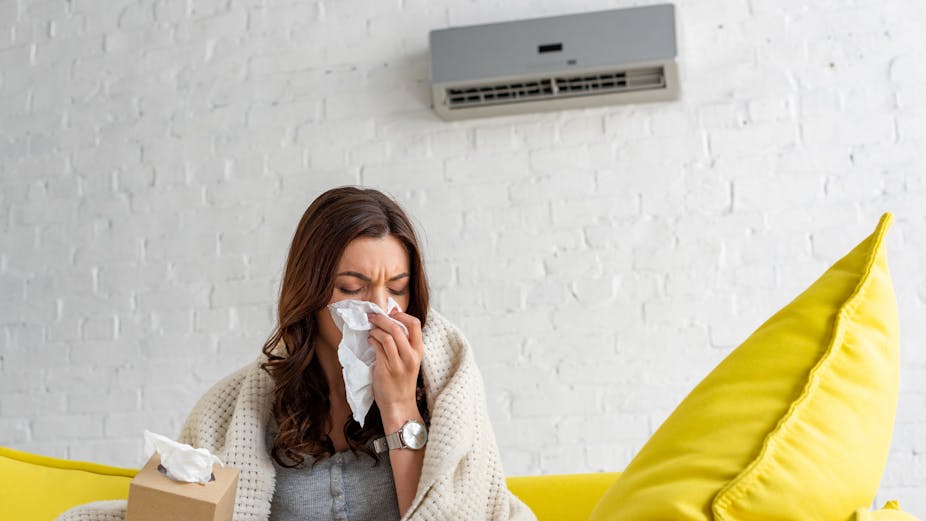
Have you ever noticed a tickle in your throat or an unexpected cough right after turning on the air conditioner? You’re not alone.
Many people wonder if their air conditioner is secretly making them cough. It’s frustrating when something meant to keep you comfortable ends up causing discomfort. You’ll discover the surprising reasons behind this common issue and simple steps you can take to breathe easier.
Keep reading—your health and comfort might depend on it.

Credit: www.1news.co.nz
How Air Conditioners Affect Your Respiratory System
Air conditioners can affect your breathing in many ways. Cold air may dry out the throat and nose. This dryness can cause irritation and make you cough. Dust and dirt inside the AC filter can also cause problems. When these particles blow out, they may trigger allergies or asthma. Poorly cleaned AC units can spread germs and mold. These can cause cough, sneezing, and other symptoms.
Regular cleaning of filters helps keep air fresh and clean. Using a humidifier with AC can stop dryness. It is important to keep rooms well-ventilated. Fresh air helps reduce the risk of coughing from AC use.

Credit: theconversation.com
Common Causes Of Coughing From Ac Use
Dry airfrom air conditioners can cause throat irritation. This happens because the AC removes moisture from the air. A dry throat may lead to coughingand discomfort.
Allergens and moldcan grow inside AC units if they are not cleaned well. These tiny particles may get into the air and irritate the lungs. This can cause coughing, sneezing, and other allergy symptoms.
Cold airfrom an AC can make airways more sensitive. Some people react by coughing or feeling tightness in their chest. The sudden change in temperature can trigger this response.
Health Risks Linked To Ac-induced Cough
Air conditionerscan sometimes cause cough and breathing problems. They may worsen asthma and allergies. Dust, mold, and pollen trapped inside AC units irritate the lungs. This can lead to coughing fits and wheezing.
Dirty or poorly maintained AC units may spread bacteria and viruses. These germs cause respiratory infections. People exposed to contaminated air may develop cough, sore throat, and cold symptoms.
Children and elderlyare more sensitive to these risks. Their lungs are weaker and more prone to irritation. Avoid direct cold air on the face. Keep AC units clean to reduce health problems.
Preventing Cough When Using Air Conditioners
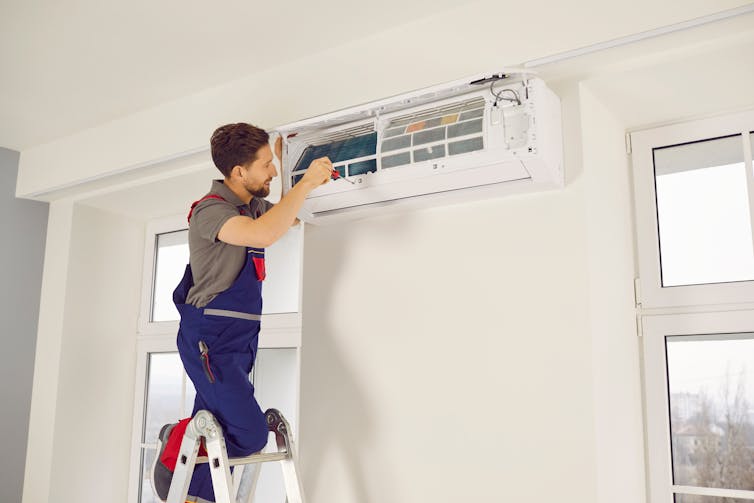
Regular cleaning of air conditioner filters helps stop dust and germs. Dirty filters cause bad air and may trigger coughing. Clean filters every 1-2 months to keep air fresh and safe. Also, check the AC vents for any mold or dirt and clean them often.
Using a humidifier with an air conditioner adds moisture to dry air. Dry air can irritate your throat and cause coughing. A humidifier helps keep the air moist and comfortable. Keep the humidity level around 40-50% to avoid too much dampness.
- Set the AC temperature to a moderate level, not too cold.
- Cold air can dry your throat and cause coughs.
- Adjust the airflow so it does not blow directly on you.
- Direct cold air can make your throat sore.
When To See A Doctor For Ac-related Symptoms
See a doctor if coughing lasts more than two weeks. If you feel short of breath or have chest pain, seek medical help quickly. Persistent coughing with fever could mean an infection. Also, visit a doctor if you cough up blood or thick mucus. Allergic reactions causing coughing need medical attention. Sudden wheezing or difficulty breathing demands immediate care.
Doctors can check if your air conditioner causes these symptoms. They may test for allergies or infections. Proper treatment helps stop the cough and protect your lungs. Avoid ignoring long-lasting or severe symptoms.
Alternative Cooling Options To Avoid Cough
Fans help move air around, making a room feel cooler. They do not lower temperature but improve comfort.
Natural ventilation lets fresh air enter and stale air leave. Open windows and doors to create airflow.
Portable air purifiers clean the air by removing dust and allergens. They reduce irritants that cause coughing.
Evaporative coolers use water to cool the air. They work best in dry climates and add moisture to the air.
| Cooling Option | How It Works | Best For |
|---|---|---|
| Fans | Circulate air to improve comfort | Any indoor space |
| Natural Ventilation | Uses open windows/doors for airflow | Places with fresh outdoor air |
| Portable Air Purifiers | Remove dust and allergens from air | Rooms with poor air quality |
| Evaporative Coolers | Cool air by evaporating water | Dry, hot climates |
Credit: theconversation.com
Frequently Asked Questions
Can Air Conditioning Cause Coughing?
Yes, air conditioning can cause coughing. It can dry out indoor air, leading to throat irritation. This dryness can trigger coughing, especially for those with respiratory issues. Regular maintenance of your AC can help reduce these effects. Consider using a humidifier to add moisture to the air.
Why Do I Cough When Ac Is On?
Coughing with the AC on is often due to dry air. Air conditioners remove moisture, reducing humidity levels. This dryness can irritate your throat and airways, causing a cough. Regularly cleaning the AC filters can help reduce dust and allergens that might exacerbate the issue.
How Can I Stop Coughing From Ac?
To stop coughing from AC, increase indoor humidity. Use a humidifier to add moisture to the air. Ensure regular maintenance of your air conditioner to reduce dust and allergens. Staying hydrated by drinking plenty of water can also help soothe your throat and reduce coughing.
Does Dry Air From Ac Cause Coughing?
Yes, dry air from AC can cause coughing. Air conditioners remove moisture from the air, reducing humidity. This can lead to dryness in your throat and airways, triggering a cough. Using a humidifier can help maintain a comfortable humidity level indoors, reducing the likelihood of coughing.
Conclusion
Air conditioners can sometimes cause coughing. Dust and cold air often trigger this. Cleaning filters helps reduce dust and germs. Keep the room moist to avoid dry throat. Set the temperature to a comfortable level. Drink water regularly to soothe your throat.
Pay attention to your body’s signals. Taking these steps keeps you healthy and comfortable indoors. Simple care makes a big difference in air quality. Stay mindful and enjoy cool air without coughing.